
Should Roof Flashing Be Replaced or Resealed During Repair?
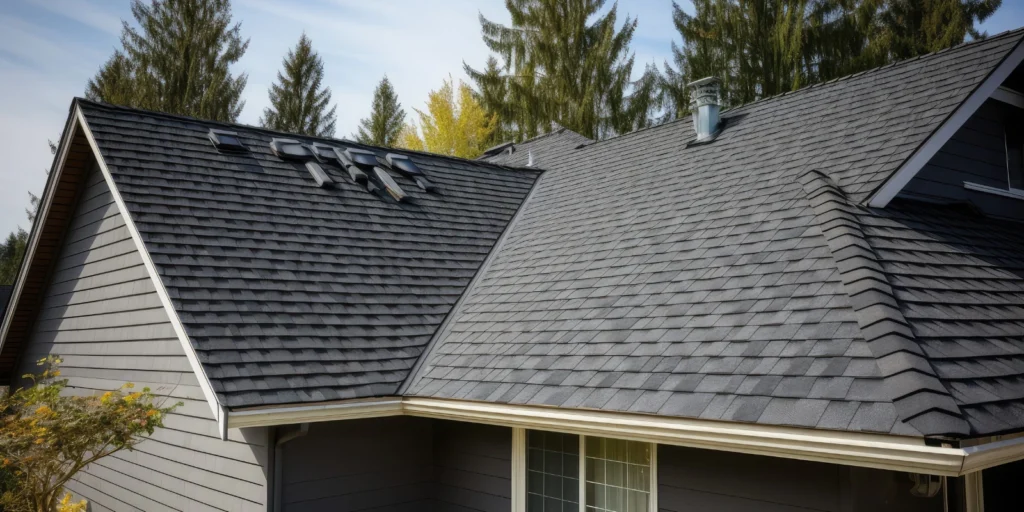
Roof flashing is a thin, waterproof material installed at roof joints, seams, and openings to guide water away and prevent leaks. During a repair, minor surface gaps can sometimes be resealed, but flashing that is rusted, bent, cracked, or pulled loose should be replaced.
This guide explains where flashing goes, the common types, and how to decide whether roof flashing be replaced or resealed on your home. You will also learn the best practices that make a flashing repair last, and what Danvers homeowners should look for in a roofer.
Table of Contents
What Is Roof Flashing and Why Does It Matter?
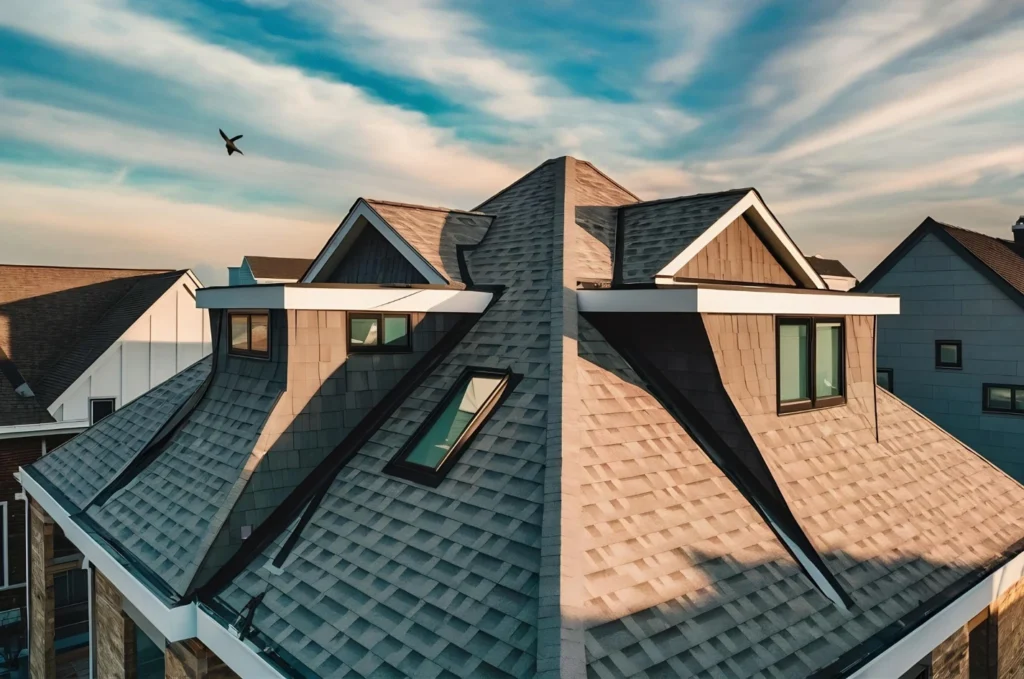
Roof flashing is the barrier that keeps water out of the weakest parts of your roof. Shingles shed water across flat surfaces, but joints and openings need extra protection, and flashing provides it.
When flashing works, you never notice it. When it fails, water slips under the shingles and into the decking, insulation, and ceilings. Over time that causes stains, rot, and mold.
That is why roof flashing repair is one of the most common reasons homeowners call for roof repair in Danvers,MA. Small flashing problems are cheap to fix early and costly to ignore.
Where Is Roof Flashing Installed? Common Types Explained
Flashing is installed anywhere the roof meets a wall, chimney, vent, skylight, or another slope. Each spot uses a style designed for that job.
Step flashing is made of L-shaped pieces woven in with each row of shingles where a roof meets a vertical wall. Continuous or apron flashing is one long strip used across wider joints. Counter-flashing, also called cap flashing, overlaps the base flashing on chimneys and walls to shield its top edge.
Valley flashing lines the V-shaped channel where two slopes meet and handles heavy runoff. Pipe boots seal around plumbing vents. Drip edge flashing runs along the eaves and gable edges, and kickout flashing sends water from a wall-to-roof joint into the gutter instead of behind the siding.
Should Roof Flashing Be Replaced or Resealed?
Replace the flashing when it is damaged, corroded, or loose. Reseal it only when the flashing itself is sound and the problem is a small gap in the sealant.
Sealant ages and cracks, so roof flashing resealed with fresh sealant can stop a minor leak. But sealant is a patch. If the flashing underneath is rusted or badly placed, resealing only delays the leak, and water keeps damaging the roof out of sight.
A good roofer inspects the flashing, the shingles around it, and the decking below before choosing. If water has already reached the wood,roof replacement is the safer choice.
Reseal or Replace? A Quick Guide
- Reseal when: The flashing is firm and flat, and only the sealant is dried or cracked.
- Replace when: The flashing is rusted, bent, cracked, or pulled away from the surface.
- Replace when: Roof leaks come back after a previous sealant repair.
- Replace when: The flashing was installed incorrectly or is missing entirely.
- Replace when: Water has stained or softened the decking below.
When in doubt, a full replacement costs more today but usually saves money over repeated patches.
What Materials Are Used for Roof Flashing?
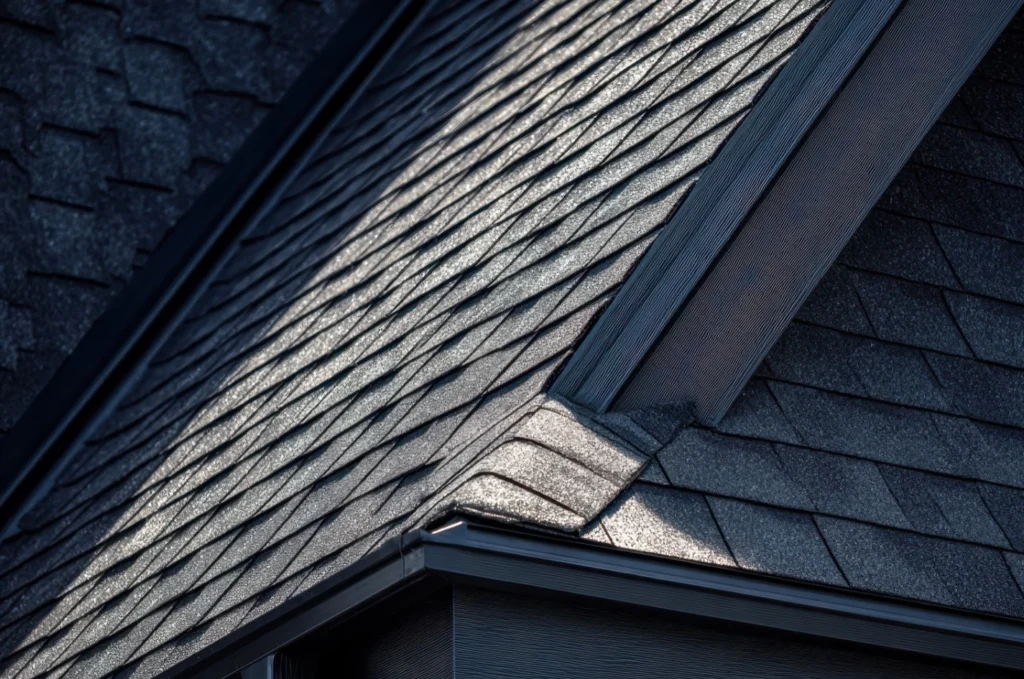
Flashing is made from durable materials chosen for weather resistance and lifespan. The right choice depends on your budget, your roof, and how long you want it to last.
Matching the flashing to the roof matters. Short-lived flashing on a long-lasting roof means you will be back on the roof for repairs sooner than you should be.
Common Flashing Materials
- Aluminum: Lightweight, easy to shape, and rust resistant, which makes it a popular budget-friendly choice.
- Galvanized steel: Strong and durable, and often lasting about 20 to 30 years.
- Copper: A premium option that can last 80 to 100 years and ages into a green patina.
Whichever you choose, the roof installation quality matters as much as the material itself.
Roof Flashing Repair: Best Practices That Last
Good flashing work follows a few simple rules. These roof repair best practices keep water out and help the repair last for years instead of seasons.
The most important rule is to fix the cause, not just the symptom. A roofer should find why the flashing failed, whether from age, movement, poor installation, or damage, and correct it.
Best Practices for Flashing Repair
- Inspect the surrounding area: Check shingles, decking, and underlayment for hidden water damage.
- Layer it properly: Flashing should overlap so water flows over each piece, never behind it.
- Weave step flashing: Install one piece with each shingle row along walls.
- Use matching materials: Avoid mixing materials that can corrode each other.
- Seal the right places: Use sealant as backup, not as the main defense.
Following these steps gives the repair a real chance to last.
Signs Your Roof Flashing Is Failing
Many flashing problems show up first inside the house. Look for ceiling stains, damp spots near chimneys or walls, peeling paint, and musty smells in the attic.
Outside, look for flashing that is rusted, bent, lifted, or cracked. Gaps along a chimney, dried sealant, and missing pieces near vents or skylights are also warning signs.
Check your roof after heavy rain, snow, and wind. Ice and thaw cycles can loosen flashing, so winter and spring are good times for an inspection.

Roof Repair in Danvers: What Local Homeowners Should Know
Danvers homes deal with cold winters, coastal wind, and sudden storms. These conditions move and stress flashing, especially around chimneys and where roofs meet walls.
Older homes may have flashing that has aged out, or earlier repairs that relied too much on sealant. A local roofer who knows these homes can spot weak points quickly.
If you are searching for roof repair Danvers homeowners can trust, ask about licensing, insurance, written estimates, and workmanship warranties. Fast response matters too, since leaks around flashing can spread quickly after a storm.
Choosing the Right Fix for Your Flashing
The right fix depends on the condition of the flashing, not on which option is cheaper today. Resealing suits sound flashing with worn sealant, and replacement suits anything damaged, corroded, or repeatedly leaking.
CAN Roof Construction helps Danvers and Greater Boston homeowners with roof flashing repair, leak repair, and storm damage repair.
A trustworthy roofer explains the cause of the leak, shows you the problem, and offers a clear written plan. Look for a roofing company in Danvers, MA that follows proven installation methods and stands behind its work.
One thought on “Should Roof Flashing Be Replaced or Resealed During Repair?”
Comments are closed.