
What Should Roofers Check Before They Repair a Roof Leak?
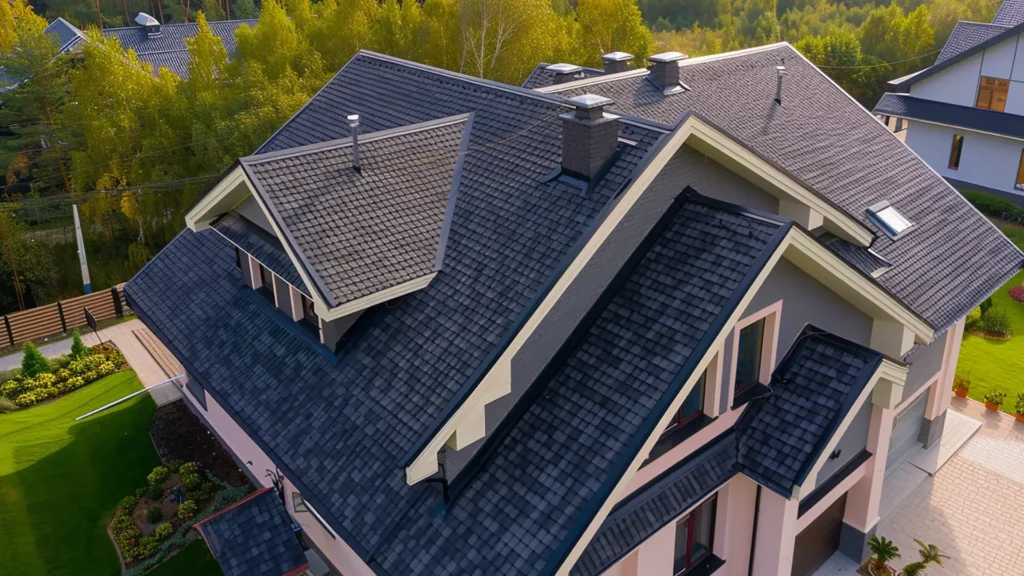
Before repairing a roof leak, a roofer should inspect both the inside and the outside of the home to find where water actually enters. That matters because the stain on your ceiling is often several feet away from the real opening, since water runs downhill along the roof structure before it drips.
A good inspection covers the attic, the roof surface, the flashing and openings, the condition of the decking, and the history of past repairs. This guide explains each check, why it matters, and how it decides whether you need a patch or something bigger.
Table of Contents
What Should Roofers Check Before Repairing a Roof Leak?
Roofers check five things: the attic and ceilings, the roof surface, the flashing and penetrations, the roof deck, and the history of earlier repairs. Each one answers a different question, and skipping any of them risks fixing the wrong spot.
The goal is simple. A leak roof repair in Danvers only works if it stops the water at its entry point, and finding that point takes more than looking at the stain.
Most failed repairs come from a missing diagnosis, not from poor patching. A fresh dab of sealant in the wrong place can look fine and still let water in a few feet away.
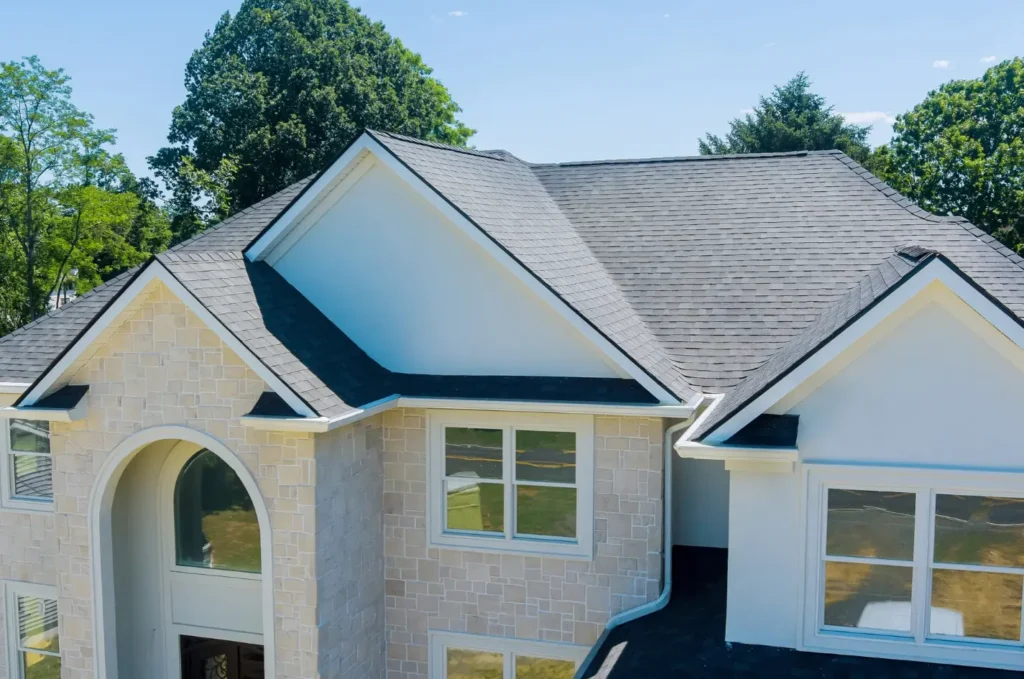
Why the Stain Is Rarely Where the Leak Starts
Water follows gravity and the path of least resistance, so it rarely drips straight down from where it enters. It can run along the underside of roof decking, down a rafter, across insulation, and then soak through the ceiling far from the roof opening.
This is why ceiling stains are a symptom, not a map. Tracing the water means working uphill from the stain until the trail ends in a stained board, a damp patch of insulation, or a visible gap.
The trail can also have more than one source. Two roof leaks that happen during the same storm may look like one large stain, so a careful roofer keeps checking after the first likely cause is found.
What Does the Inside Inspection Cover?
The inside inspection starts in the attic, because the underside of the roof shows moisture history that the shingles hide. Roofers look for the evidence of water and for the route it took.
Attic and Ceiling Checks
- Roof deck and rafters: Dark stains, buckled wood, or damp spots show where water has been entering.
- Insulation: Wet, compressed, discolored, or moldy insulation marks the wet zone.
- Water trails: Following stains uphill leads to the point where water meets the framing.
- Ceiling stains: Their shape and any rings show whether the leak is recent or repeated.
Rings that have grown over time suggest the roof has leaked more than once, which changes how the roof repair should be planned.
What Does the Outside Inspection Cover?
Once the roofer knows roughly where the water goes in, the roof surface gets a closer look. Openings and joints cause more leaks than flat shingle areas, so those get checked first.
Flashing deserves special attention. It sits at the most complicated points of the roof, and when it cracks, rusts, or loses its seal, water finds the gap quickly.
Common Entry Points on the Roof
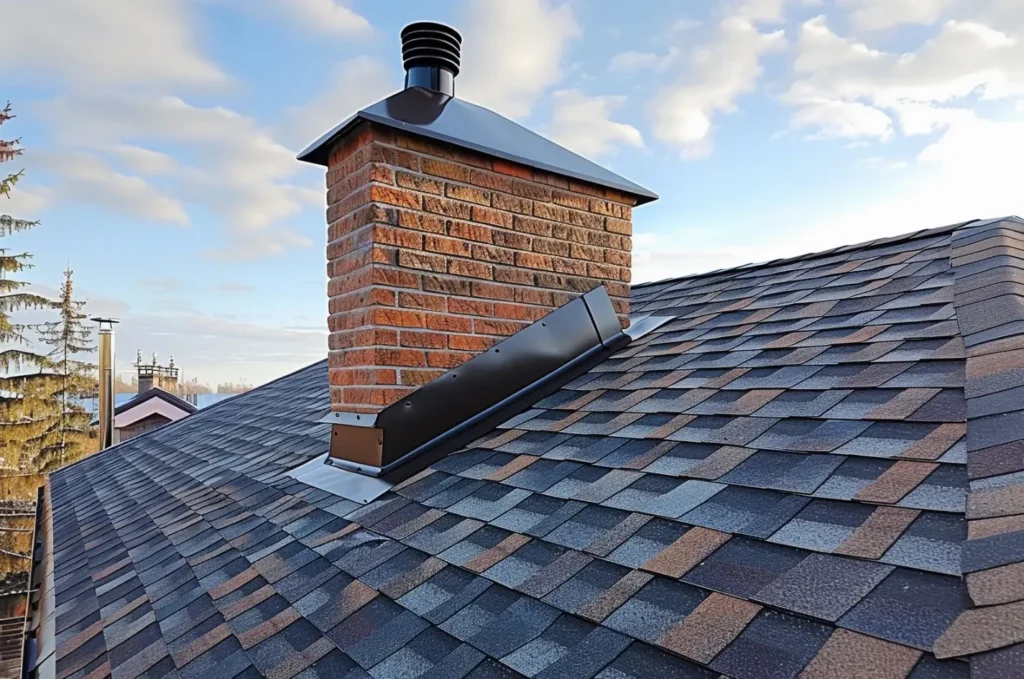
- Flashing: Around chimneys, skylights, dormers, and wall joints, look for cracks, rust, loose seals, or missing pieces.
- Roof penetrations: Check rubber boots, gaskets, and seals around vent pipes, plumbing stacks, and exhaust fans.
- Valleys: Where two slopes meet, debris and worn underlayment can push water the wrong way.
- Shingles: Cracked, curled, missing, or poorly nailed shingles and heavy granule loss all let water in.
- Gutters and drainage: Clogged gutters and overflow can push water back under the roof edge.
Many leaks end up being roof flashing repair rather than shingle work, which is why flashing is worth checking before anything else.
How Do Roofers Confirm a Leak Path Without Guessing?
When the cause is not obvious, roofers use tests to confirm it instead of guessing. The right tool depends on the roof and the situation, and none of them is a perfect answer alone.
Diagnostic Methods and Their Limits
- Water test: A controlled hose test works through the roof in sections to recreate the leak, which helps confirm which area lets water in.
- Moisture meter: It shows damp materials, but it only measures what it touches.
- Thermal camera: It reveals temperature differences that can point to wet insulation, though results need interpreting.
- Visual inspection: Photos and close inspection still do most of the work.
Combining methods gives a more reliable answer than relying on a single reading.
Repair or Replace: What the Findings Tell You
Findings decide whether a targeted roof repair is enough. If the leak comes from one failed flashing joint or a few damaged shingles, a focused fix can solve it.
The picture changes when the deck is soft, rotting, or sagging. Wet decking weakens the roof structure, and a patch over weak wood will not last.
Past repairs matter too. If earlier patches were done poorly, or the roof has taken too much cumulative damage, a full roof replacement may be safer than another temporary fix. A good roofer explains this with evidence from the inspection, not just an opinion.
Either way, the follow-up work should match the diagnosis, whether that is roof leak repair at a single spot or broader roof damage repair across a section.
How to Prepare for a Roof Leak Inspection in Danvers
You can make the inspection faster and more accurate with a little preparation. Notes about when and where the leak shows up help a roofer narrow the search.
Write down when the leak happens, such as during heavy rain, snowmelt, or wind-driven storms. Take photos of the stains with the date, and note whether they are growing.
Protect your home in the meantime. Move belongings away from the drip, use a container to catch water, and stay off the roof, since wet surfaces are dangerous. If water is actively entering, ask roofer’s best practices about emergency options.
Choosing Roofers Who Diagnose Before They Repair
The right roofer explains what was found, shows you the evidence, and recommends only what the findings support. Ask to see photos of the problem areas, and ask how the roofer confirmed the source before repairing.
When comparing roofers in Danvers, look for clear written estimates, a defined warranty, and a willingness to explain both repair and replacement options. Be cautious if someone offers a fix without climbing into the attic or inspecting the roof surface.
CAN Roof Construction offers free, no-obligation roof inspections and backs its projects with a 10-year warranty. As a roofing company in Danvers and the Boston area, CAN Roof Construction can inspect your roof, trace the leak, and explain whether you need a repair or a larger fix.
Contact us to schedule your inspection.
One thought on “What Should Roofers Check Before They Repair a Roof Leak?”
Comments are closed.