
Why Is My Roof Still Leaking After a Completed Roof Repair?
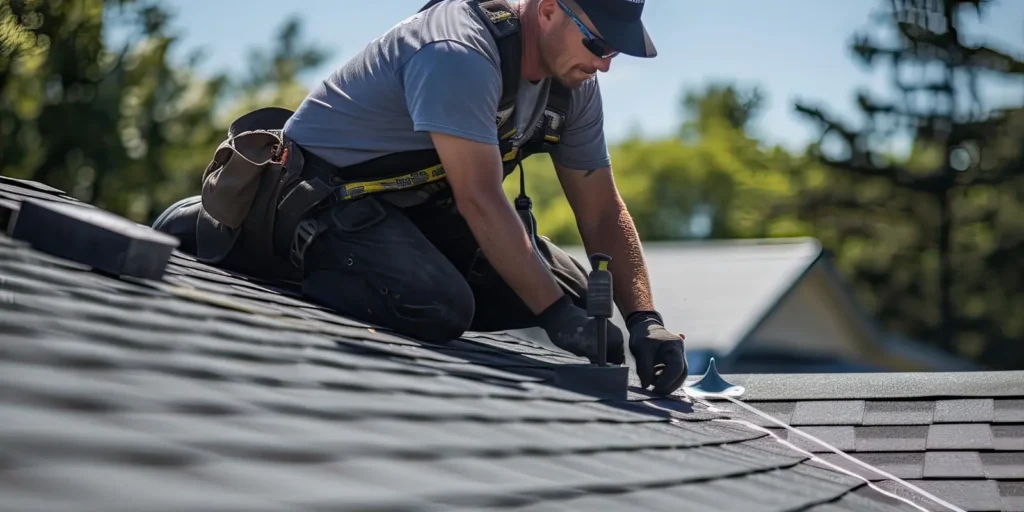
If your roof is still leaking after a completed roof repair, the most likely explanation isn’t that the repair work was done poorly, it’s that the original diagnosis missed the real source of the leak. A roof leak can travel several feet along the decking and framing before it ever drips through your ceiling, so the wet spot inside your home is often nowhere near where water is actually getting in. A repair made directly above that spot can look successful and still leave the true entry point untouched.
This guide walks through the real reasons a roof keeps leaking after repair, from misdiagnosed entry points to flashing failures, hidden structural damage, and issues like ice dams or attic condensation that a surface-level patch can’t fix. By the end, you’ll understand what’s likely going on with your roof and what the right next step looks like.
Table of Contents
Why a Roof Leak Can Return After Repair
A roof leak can return after repair because the fix addressed where the water was seen, not necessarily where it entered. Roofs are complex systems, and water doesn’t always travel straight down. It can run sideways along the roof deck, follow a rafter, or seep along framing for a surprising distance before finally dripping through drywall or a ceiling tile.
This is why a persistent leak after repair almost always points back to how the original problem was diagnosed. If the contractor patched the spot directly above the interior stain without tracing the water back to its true origin, the roof may look repaired while the actual opening, often a failed pipe boot, lifted flashing, or a cracked seal, is still letting water in somewhere else entirely.
The Repair Addressed the Symptom, Not the Source
One of the most common reasons a roof repair fails is that it treats the visible symptom rather than tracking down the actual source of the water. A single missing shingle or an obvious crack is easy to spot and patch, but if that visible damage isn’t actually where the water is getting in, the leak will simply continue after the repair.
This kind of misdiagnosis isn’t a sign of carelessness so much as a sign of how tricky roof leaks genuinely are to trace. A thorough repair requires more than patching what’s visible, it requires following the path water could realistically take across the roof deck and framing until the true entry point is found and sealed.
Flashing and Sealant Failures Are a Common Culprit
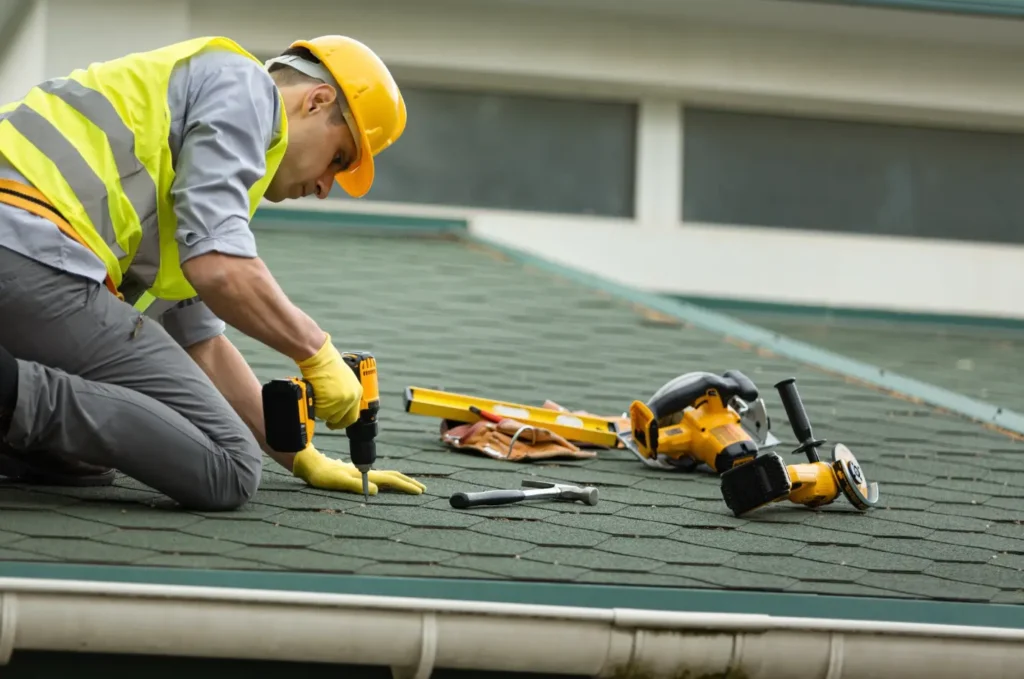
Flashing and sealant failures are one of the most frequent reasons a roof keeps leaking even after repair work has been done. Flashing is the metal material that seals the joints where your roof meets chimneys, vents, skylights, and walls, and if it was simply sealed over rather than properly replaced during a repair, that’s only ever a temporary fix.
Where Flashing Problems Commonly Show Up
- Chimney and skylight edges: Transition points where flashing is required to keep water out
- Roof-to-wall intersections: Among the most common areas for leaks that return after repair
- Vent pipes and HVAC penetrations: Each one needs a properly sealed collar or boot to stay watertight
- Roof valleys: Where two roof slopes meet and funnel a concentrated amount of water
If your previous repair sealed over aging flashing instead of replacing it, that’s often exactly where the leak is still coming from.
Hidden Structural Damage and How Water Travels
Hidden structural damage is another reason a residential roof repair can fail to stop a leak, especially when the roof deck underneath has already begun to rot. A surface-level repair can’t fix a compromised deck, and water will keep finding its way through weakened wood even after the visible roofing material has been patched.
Signs the Problem Goes Deeper Than the Surface
- Soft or spongy spots: A section of roof that feels different underfoot often signals decking damage below
- Sagging areas: Visible dips in the roofline can point to a weakened structure beneath
- Stains far from the repaired area: A sign water is traveling along the deck or framing before dripping through
- A musty smell in the attic: Often an early indicator of trapped moisture and developing rot
When any of these signs are present, a lasting fix usually means removing the damaged decking rather than repairing over it.
Ice Dams, Condensation, and Ventilation Problems
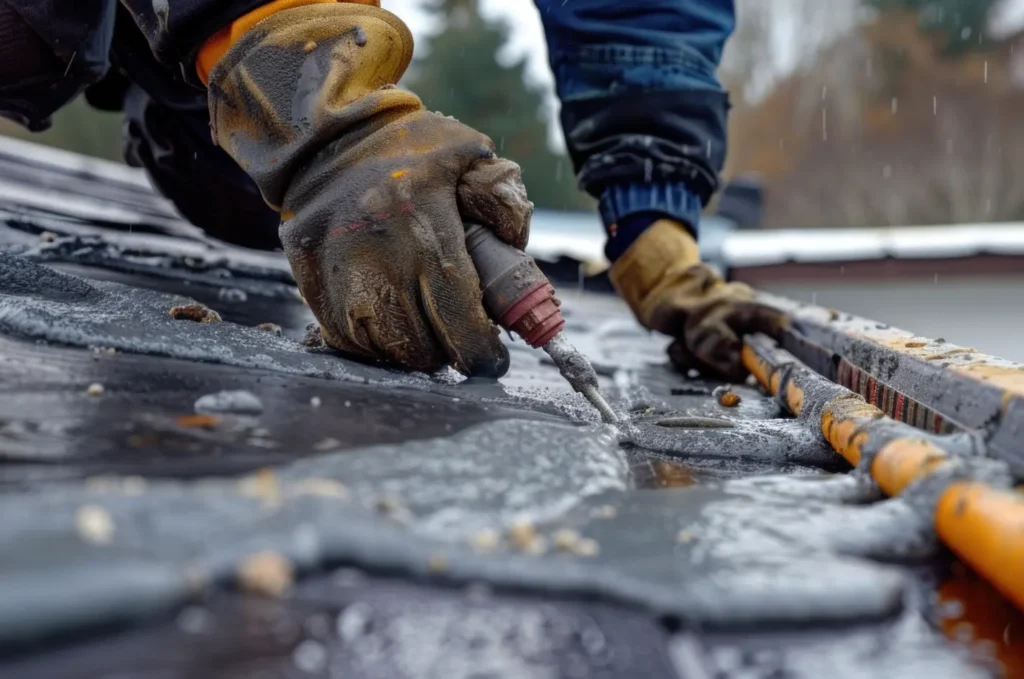
Not every leak after a roof repair in Danvers is actually a failed repair, sometimes the real cause isn’t a roofing defect at all. Ice dams and attic condensation are two issues that can mimic a roof leak but require a completely different fix than patching shingles or flashing.
Two Leaks That Aren’t What They Seem
- Ice dams: Melting snow refreezes at the cold roof edge and forces water backward, up and under the shingles above a repair, rather than straight down through it
- Attic condensation: Warm, moist air trapped by poor ventilation condenses on the underside of the roof deck and drips down, with no actual breach in the roofing material
A roof repair, however well done, won’t resolve either of these, which is why identifying the true cause matters just as much as the quality of the repair itself.
When Repeated Repairs Signal a Bigger Problem
If you’ve had more than one repair attempt and the leak keeps coming back, that pattern itself is meaningful information. Repeated leaks after repeated repairs usually mean the roof has multiple weak points, or that an aging roofing system as a whole is reaching the point where ongoing patches no longer make sense.
At that stage, it’s worth stepping back and asking whether another targeted repair is really the right move, or whether a more complete roof replacement would actually save money over the next several years by ending the cycle of recurring leaks and repair bills.
What This Means for Danvers Homeowners
For homeowners dealing with roof repair Danvers weather makes it more complicated, New England’s conditions add a few extra wrinkles to a persistent leak. Heavy snow, repeated freeze-thaw cycles, and nor’easter winds all stress roofing systems in ways that can expose roof leaking a repair didn’t fully resolve, especially around flashing, valleys, and anywhere ice dams tend to form.
If you’ve already had storm damage repair done and the leak persists, it’s worth having a Danvers-area roofer re-inspect the roof with fresh eyes rather than assuming the original diagnosis was correct. A second, thorough roof inspection often catches what an earlier, quicker look missed.
Choosing the Right Next Step
A roof that’s still leaking after a completed repair usually comes down to one of a few things: the true entry point was never found, flashing or sealant was patched instead of replaced, hidden structural damage is undermining the fix, or the issue was never a roofing leak at all. Figuring out which of these applies to your roof is the key to actually solving the problem instead of paying for another repair that doesn’t hold.
If your roof is still leaking after a repair, our team at CAN Roof Construction, a roofing company Danvers homeowners turn to for honest answers, can take a fresh look, trace the leak to its real source, and give you an honest recommendation on whether a targeted repair, flashing work, or a full roof replacement is what your home actually needs. We offer a full range of roofing services, from inspections to complete replacements.
Contact us today for complete roofing solutions.
3 thoughts on “Why Is My Roof Still Leaking After a Completed Roof Repair?”
Comments are closed.