
Drip Edge Flashing in Boston MA: Why Your Roof Needs It
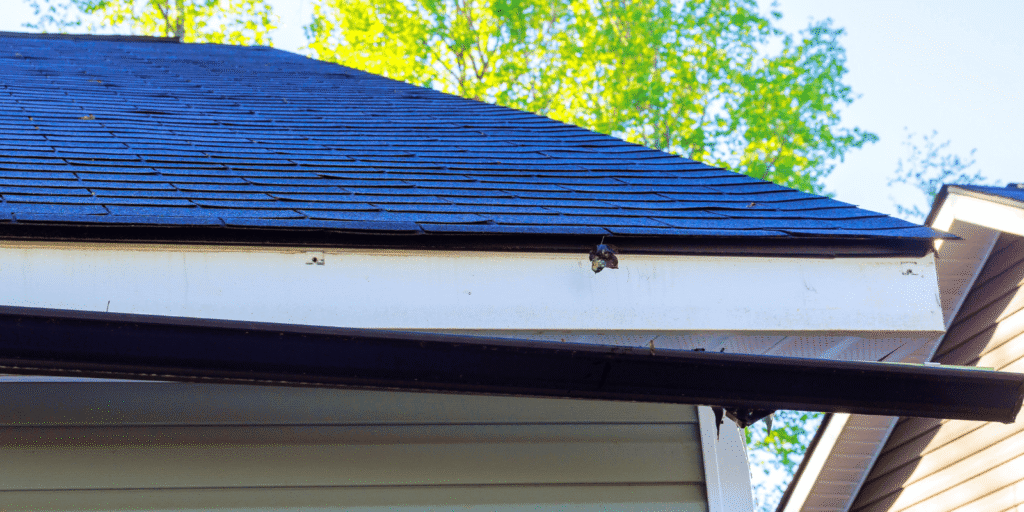
Drip edge flashing is a small roof detail that helps control where water goes after it reaches the edge of your roof. It protects the roof deck, fascia, soffits, gutters, and lower roof edges from water that can otherwise run backward or collect in the wrong place.
For Boston homes, this detail matters because roof edges deal with rain, snowmelt, wind-driven moisture, freeze-thaw cycles, and clogged gutters. When drip edge flashing is missing, poorly installed, or damaged, water can move behind the gutter line and create problems that are not always easy to see from the ground.
Table of Contents
What Drip Edge Flashing Does at the Roof Edge
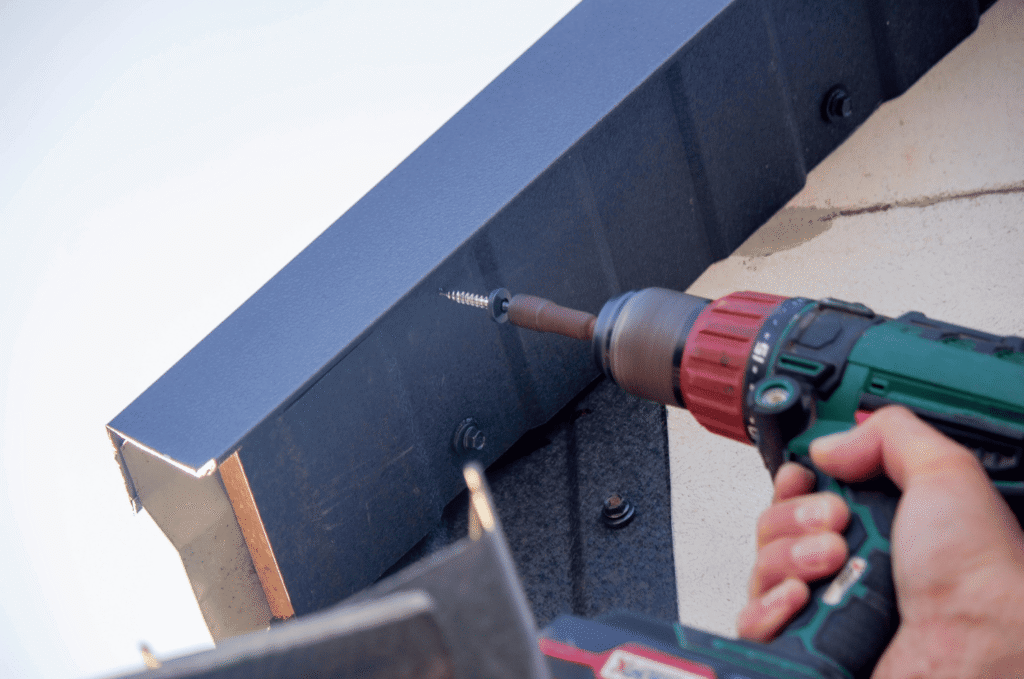
Drip edge flashing creates a clean metal transition between the roof surface and the edge of the home. Its main job is to direct water away from vulnerable materials before moisture can reach the fascia board or the underside of the roof deck.
Without this protection, water may cling to the shingle edge, move backward, or settle near wood trim. Over time, that can lead to staining, soft wood, gutter problems, and hidden roof edge damage.
It Moves Water Away From the Fascia
When rain runs down the roof, drip edge flashing helps guide that water outward and into the gutter. This reduces the chance of water soaking the fascia or moving behind the gutter line.
The roof drainage problems guide explains how poor water movement around the roof edge can damage shingles, gutters, fascia, and other exterior surfaces.
It Helps Protect the Roof Deck
Roof drip edge flashing also protects the lower edge of the roof deck. When the wood decking is exposed to repeated moisture, the edge can soften, swell, or begin to deteriorate.
This is why drip edge flashing should be reviewed when fascia damage is already visible. The upcoming rotted fascia guide will explain how wet roof edges, gutter overflow, and missing flashing can contribute to fascia board rot.
It Supports the Gutter Line
Drip edge flashing gutters work best when both systems are aligned correctly. The flashing should direct water into the gutter, while the gutter should carry that water away from the home.
Professional gutter services can help confirm whether gutter slope, placement, and drainage are working with the roof edge instead of allowing water to spill backward.
Why Boston Homes Need Drip Edge Flashing
Boston homes face changing weather throughout the year. A roof edge may deal with heavy rain in one season, snowmelt in another, and humid coastal air during warmer months.
Drip edge flashing helps reduce the impact of those repeated moisture cycles. It does not replace proper gutters, shingles, or roof repairs, but it supports the full roof drainage system.
Wind-Driven Rain Can Reach the Roof Edge
Rain does not always fall straight down. Wind can push water under shingle edges or toward areas where roof planes, gutters, and trim meet.
Homes needing Cambridge roof edge repair often require a closer look at the drip edge, fascia, and nearby roof materials because damage at the edge can spread before it becomes obvious indoors.
Older Roofs May Have Weak Edge Details
Some older homes may have drip edge flashing that is missing, bent, poorly placed, or installed under outdated roofing conditions. In other cases, previous roof repairs may have covered the symptom without correcting the edge detail.
A Brookline roof inspection can help identify whether the problem starts with shingles, flashing, gutters, roof edges, or a combination of several issues.
Water Behind Gutters Can Be a Warning Sign
If water appears behind the gutter, stains the fascia, or drips from the soffit area, the issue may involve more than the gutter itself. Missing or damaged drip edge flashing can allow water to run where it should not.
The water behind gutters guide explains why roof edge leaks can be hard to separate from gutter overflow without a close inspection.
Drip Edge Flashing Installation and Gutter Details
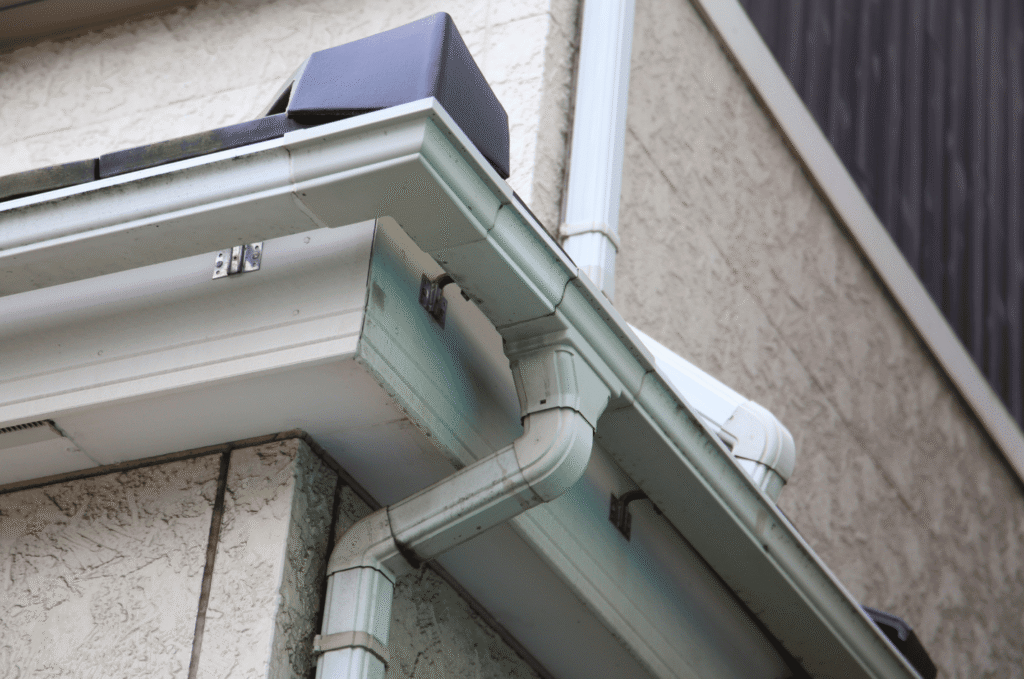
Drip edge flashing installation should match the roof system, gutter placement, and edge condition of the home. The metal must be positioned so water moves off the roof surface and into the gutter without reaching exposed wood.
If the flashing is too short, bent, loose, or placed incorrectly, water can still move behind the gutter. That is why roof flashing Boston homes need should be checked as part of the full roof edge system.
Placement Matters During Roof Installation
Drip edge flashing is easiest to install correctly during roof installation because the roof edge, underlayment, starter shingles, and gutter line can be reviewed together.
A professional roof installation service should include proper edge protection so water does not collect near the fascia or travel beneath the shingle edge.
Gutters Should Sit Below the Drip Edge
The gutter should sit close enough to catch runoff, but not so high that it traps water against the roof edge. If the gutter is tilted, loose, or placed incorrectly, water may miss the gutter or run behind it.
For Quincy roof installation, the gutter and drip edge relationship should be checked before the roof system is considered complete.
Metal Drip Edge Flashing Must Fit the Roof
Metal drip edge flashing comes in different profiles and sizes. The right choice depends on roof pitch, shingle type, gutter placement, fascia condition, and how water leaves the roof edge.
During Newton gutter edge problems, the flashing should be selected and positioned to protect the edge without creating gaps, lifted shingles, or drainage conflicts.
Signs Drip Edge Flashing May Be Missing or Failing
Drip edge flashing problems often show up as moisture signs around the lower edge of the roof. These signs can look small at first, but they may point to repeated water exposure.
Homeowners should pay attention to roof edge staining, peeling paint, gutter leaks, soft fascia, or water marks near soffits. These conditions do not always mean the roof is failing, but they do mean the edge needs attention.
Fascia Stains or Peeling Paint
Staining on the fascia board can mean water is running over or behind the gutter. If paint starts peeling along the roof edge, moisture may be reaching the wood more often than it should.
This is one of the clearest signs that drip edge flashing, gutter alignment, or roof edge drainage should be checked.
Damp Soffits or Soft Wood
Moisture near the soffit may indicate water is traveling behind the fascia or entering from the roof edge. Soft wood, sagging panels, or musty odors can suggest that the issue has been present for some time.
Because soffits sit underneath the fascia, visible damage may appear later than the original roof edge problem.
Shingle Edge or Decking Damage
If shingles near the edge look lifted, curled, stained, or uneven, the drip edge flashing may not be protecting the lower roof properly. Water can also affect the decking below the shingles.
A roof inspection should check the shingle edge, underlayment, metal flashing, fascia, gutter line, and nearby wood before deciding what repair is needed.
When to Have Drip Edge Flashing Checked
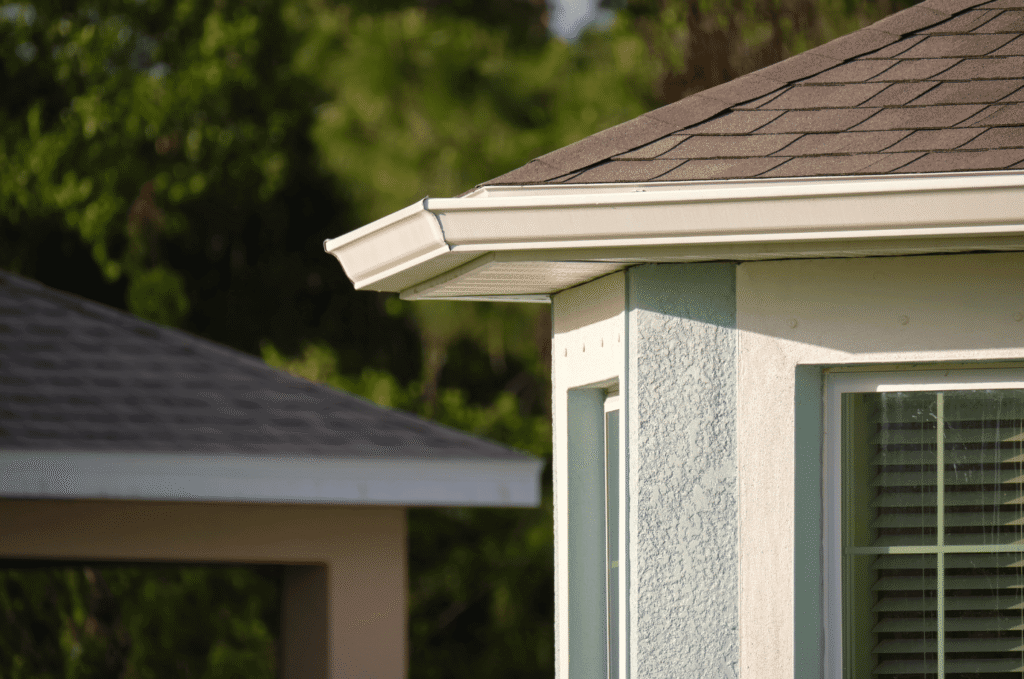
Drip edge flashing should be checked when roof edge moisture appears, gutters overflow repeatedly, fascia begins to rot, or a roof replacement is being planned. It should also be reviewed after storm damage or when water is seen behind the gutter line.
The goal is not only to add flashing, but to find out why water is reaching the wrong area. A complete review can prevent the same issue from returning after the next heavy rain.
Inspection Should Cover the Full Roof Edge
A proper inspection should include shingles, underlayment, drip edge flashing, gutters, fascia, soffits, flashing transitions, and drainage paths. If only one part is checked, the original moisture source may be missed.
CAN Roof Construction reviews roof edge details as part of the larger roofing system, helping Boston homeowners understand whether the problem comes from flashing, gutters, roof damage, or poor drainage.
Get Roof Edge and Gutter Help
If your home has missing drip edge flashing, fascia staining, gutter overflow, or water behind the gutter line, the roof edge should be inspected before the damage spreads. Early correction can help protect the roof deck, fascia, soffits, and gutter system.
To schedule a roof edge and gutter inspection, contact us and get professional help before small water signs turn into larger roofing problems.