
Gutter and Roof Drainage Problems That Damage Your Home
Roof drainage problems are one of the leading causes of serious, expensive home damage, and most homeowners don’t notice them until the harm is already done. When water can’t move away from your home properly, it attacks your foundation, your walls, your roof structure, and everything in between. Most of these issues are preventable with the right knowledge and timely action.
In this guide, we break down the most common gutter drainage problems, the warning signs to watch for, and what you can do before small issues turn into major repairs.
Table of Contents
What Are the Most Common Roof Drainage Issues?
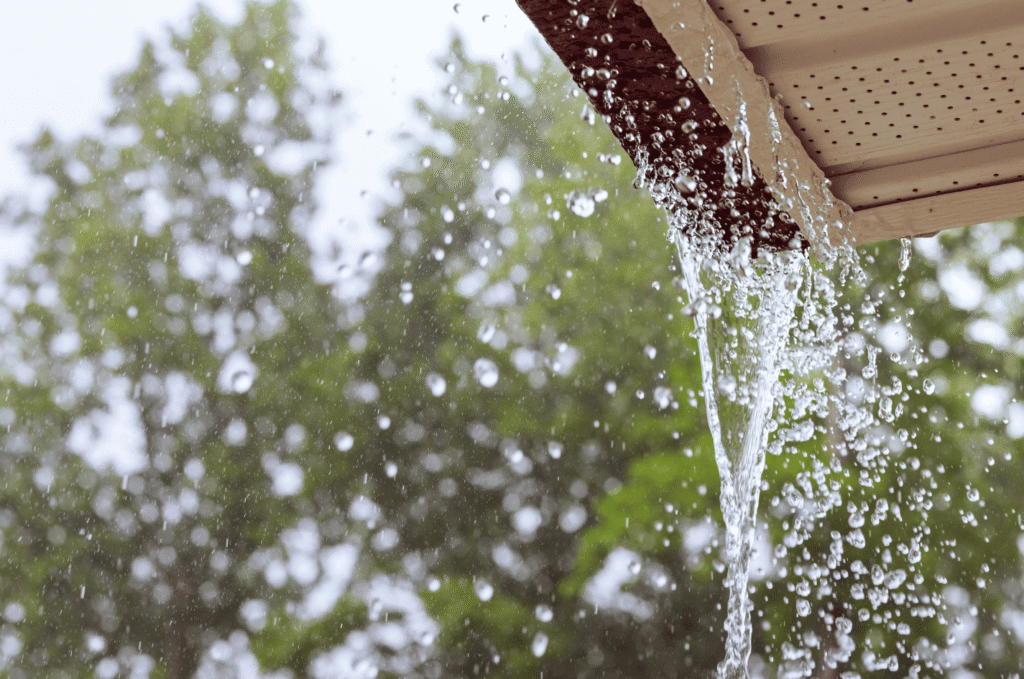
Roof drainage issues develop when water isn’t properly guided off the roof and away from your home’s foundation. This can happen due to clogged gutters, improper slope, damaged downspouts, or a failing gutter system that wasn’t built to handle your roof’s runoff volume.
Understanding the root causes helps you act fast and avoid structural damage that costs thousands to fix.
Clogged Gutters and Blocked Downspouts
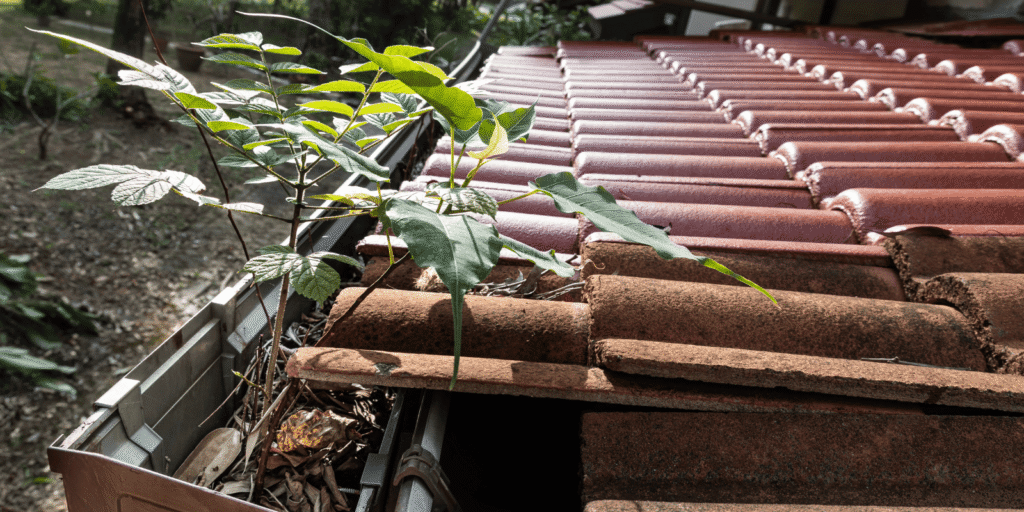
Clogged gutters are the single most common cause of water damage to residential homes. Leaves, twigs, and debris collect in your gutters over time. Once a blockage forms, water spills over the edges or backs up toward your roofline.
Homeowners in areas with heavy tree cover, like those we serve in the Brookline roofing area deal with this constantly, especially in fall and spring. The overflow soaks your fascia boards, saturates the soil along your foundation, and invites mold into your walls.
Poor Gutter Slope and Standing Water
Gutters are designed to slope slightly toward the downspout, about a quarter inch for every ten feet of run. When that slope is off, water pools inside the gutter instead of draining. Standing water is heavy, warps the gutter over time, and pulls it away from the fascia. If water sits in your gutters hours after rain, the pitch needs to be corrected.
Undersized or Missing Downspout Extensions
A downspout that drops water right at your foundation is nearly as bad as no downspout at all. Extensions need to carry runoff at least four to six feet from your home’s perimeter. Without them, hundreds of gallons soak into the soil beside your basement walls after every rain.
Signs of Roof Drainage Issues You Shouldn’t Ignore
Catching signs of roof drainage issues early can save you from a full-scale structural repair. Many of these warning signals are easy to overlook or misattribute to other causes.
Water Stains on Exterior Walls and Soffits
Streaks down your siding, staining near the roofline, or peeling paint around fascia boards all point to water escaping your gutter system. These stains form when overflowing gutters repeatedly expose the same surfaces to moisture.
If you’re seeing discoloration, the damage behind the surface has usually already started. A professional gutter repair assessment is the right next step before rot sets deeper into the wood structure.
Basement Dampness or Pooling Near the Foundation
Water pooling at ground level along your perimeter is a direct result of poor gutter drainage. Saturated soil puts hydrostatic pressure on your foundation walls, forcing moisture through porous concrete and micro-cracks. This leads to a damp basement, mold growth, and eventually structural cracking.
Homeowners in the Quincy roofing area often discover this pattern after a wet season. If you’re seeing basement moisture without an obvious internal cause, look up, your gutters are likely the source.
Overflowing Gutters During or After Rain
If water spills over the gutter edge during a rainstorm, you have a blockage, a slope problem, or a system too small for your roof’s drainage load. To understand the full picture, read our detailed guide on overflowing gutter causes, it covers every reason water escapes your system and how to diagnose each one.
How Clogged Gutters Cause Water Damage to Your Roof
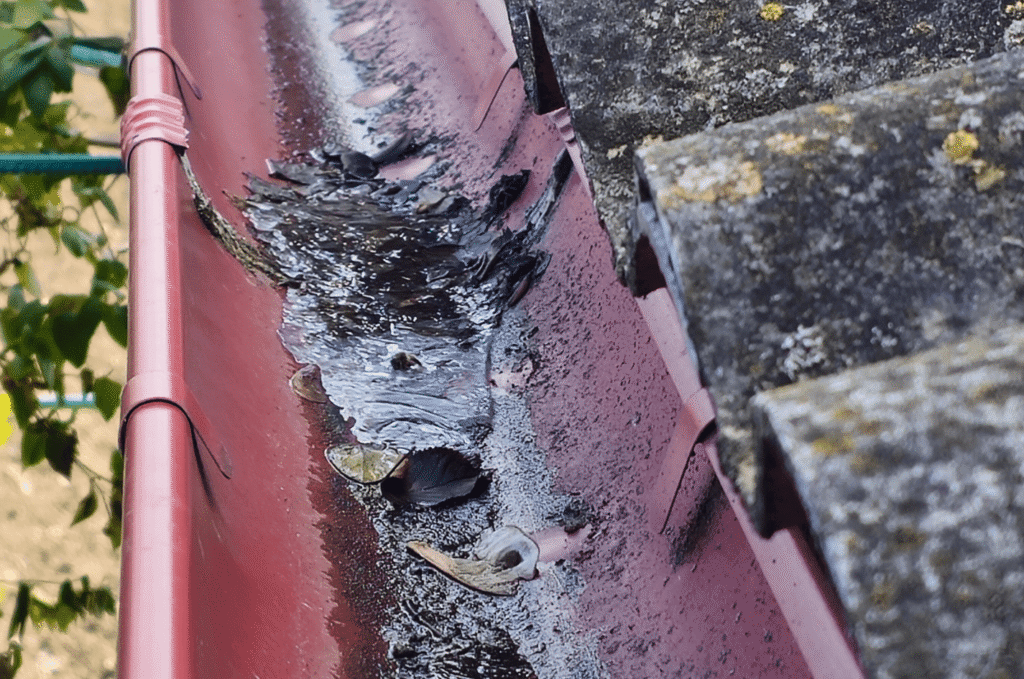
Clogged gutters water damage isn’t limited to the ground level. When water can’t exit the gutter system, it pools behind the gutter lip and wicks under your roof’s edge. Here’s what happens next.
Ice Dams in Cold Climates
In Massachusetts winters, clogged gutters are the primary driver of ice dam formation. When meltwater can’t drain, it refreezes at the cold roof edge and builds into a solid wall of ice. That dam forces water under your shingles, into your attic, and through your ceiling.
Homeowners in the Beverly roofing area face this every winter. Ice dams can tear gutters off the roofline and cause significant interior damage in a single freeze-thaw cycle.
Rotting Roof Decking and Shingle Damage
When water backs up under shingles, it saturates the roof decking, the structural wood layer your shingles sit on. Once that decking rots, the entire roof’s integrity is at risk.
Read our upcoming guide on to learn how to identify which system is actually failing before calling for repairs.
Fascia Board Deterioration
The fascia board sits directly behind your gutter. Constant moisture exposure from overflowing gutters rots the timber, encourages mold, and gives insects an entry point into your home’s structure. Once fascia goes, the gutter loses its anchor and the damage accelerates fast.
How to Fix Gutter Drainage Problems Before They Get Worse
Knowing how to fix gutter drainage problems requires consistency more than expertise. Most drainage failures come from deferred maintenance, not sudden events.
Clean Gutters at Least Twice a Year
Clear your gutters every spring and fall. Professional gutter cleaning removes compacted debris a garden hose can’t reach and lets a trained eye spot early damage at the same time. In areas with heavy tree cover, quarterly cleaning is worth the investment.
Extend Downspouts and Regrade Soil
Every downspout should discharge water at least four to six feet from your foundation. Check that the soil around your home slopes away from the house, six inches of drop over the first ten feet is the minimum.
Homeowners in the Waltham roofing area often find that decades of landscaping changes have reversed their natural drainage grade. A simple regrading project can dramatically reduce basement moisture.
Install Gutter Guards
Gutter guards and micro-mesh screens reduce how often debris enters your gutters. They don’t eliminate cleaning entirely, but they cut its frequency and prevent the worst blockages from forming.
Roof Drainage Problems That Damage Your Foundation and Structure
Roof drainage problems don’t stop at roof level. Uncontrolled water works its way down to the most expensive structural components of your home, often silently over several years.
Foundation Cracking from Soil Expansion
Repeated soil saturation causes the ground around your foundation to expand and contract with every wet-dry cycle. This constant movement applies uneven pressure to foundation walls, leading to settling, cracking, and in severe cases, structural failure. Foundation repairs often run tens of thousands of dollars. A functional gutter system costs a fraction of that to maintain.
Landscape Erosion and Driveway Damage
Roof runoff that bypasses a functioning gutter system hits the ground at full force. That stream washes away mulch, erodes planting beds, and undercuts driveways and walkways. For a closer look at how this chain of damage starts, our post on clogged gutter damage walks through each stage in detail.
Mold Growth Inside Walls
Water entering your wall cavity through rotted fascia or saturated siding feeds mold colonies that spread through insulation and drywall without any visible surface sign. By the time mold appears, remediation is already a major project. Addressing roof drainage problems early is one of the most effective ways to protect your home’s air quality.
At CAN Roof Construction, we help homeowners across Greater Boston identify and fix drainage problems before they become structural ones.
Protect Your Home With the Right Drainage System
Roof drainage problems are predictable and preventable when you stay ahead of them. Twice-yearly gutter cleaning, proper downspout extensions, and annual inspections prevent the majority of the damage in this guide.
If you’re seeing any of the warning signs above, don’t wait for the next rain.
Ready to protect your home? Contact our team for a free inspection and find out exactly what your drainage system needs.