
Rotted Fascia Board Repair in Boston MA: Causes and Signs
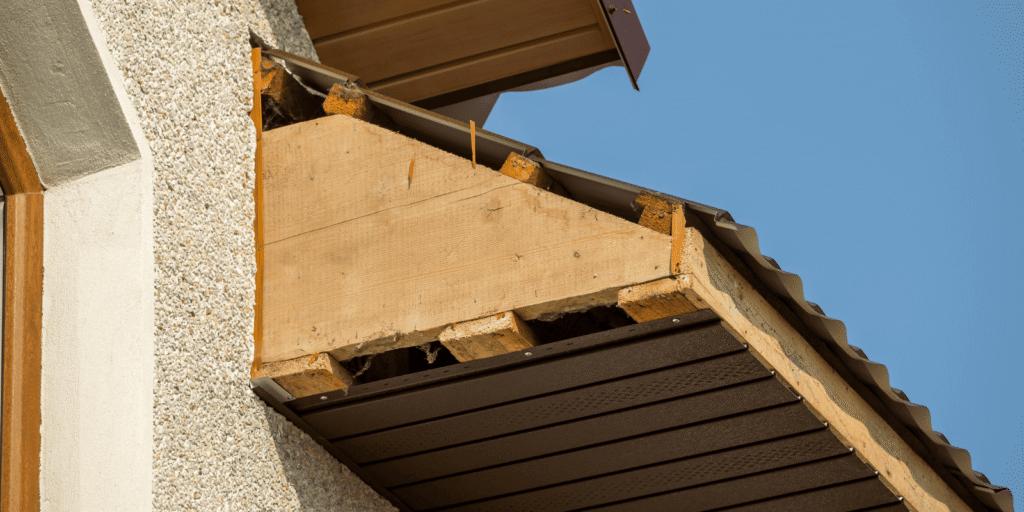
Rotted fascia board repair is needed when the wood along the roof edge has softened, cracked, stained, or started to decay from repeated water exposure. In Boston MA homes, fascia board rot often starts near gutters, roof edges, soffits, and areas where water does not drain correctly.
The fascia board protects the roof edge and helps support the gutter system. When it begins to fail, water can reach nearby soffits, trim, roof decking, and exterior walls, which makes early inspection important.
Table of Contents
What Rotted Fascia Board Repair Means
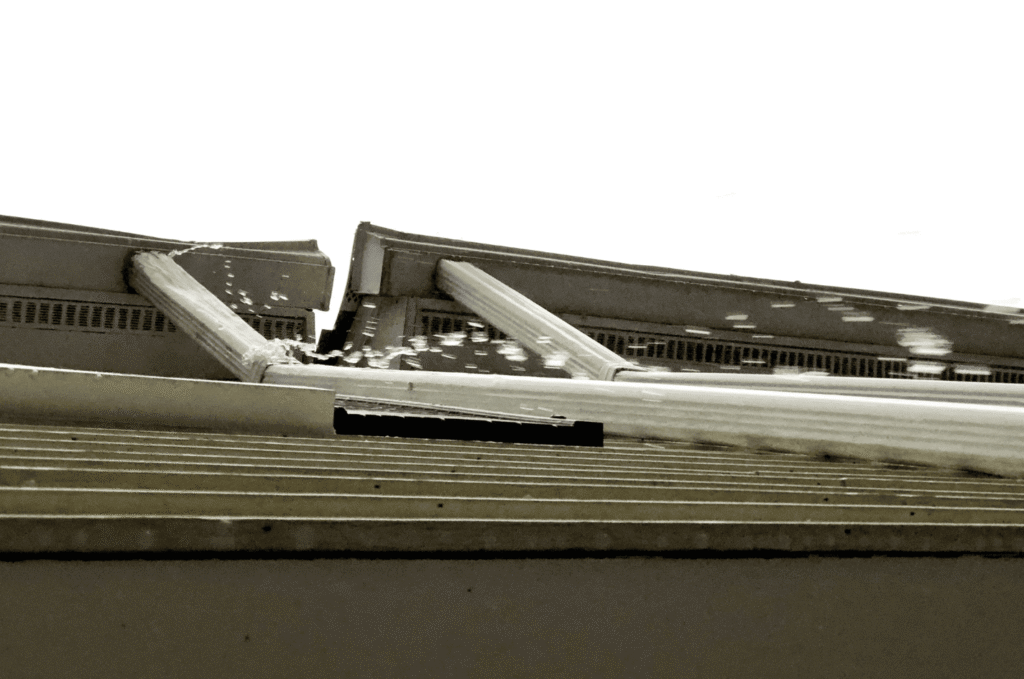
Rotted fascia board repair is not only about replacing visible wood. The main goal is to find why the fascia became wet and stop the same damage from returning.
If the water source is not corrected, a new board can develop the same problem over time. That is why fascia repair should be reviewed with gutters, roof edges, shingles, flashing, and soffit areas.
Fascia Boards Protect the Roof Edge
The fascia board sits along the lower edge of the roof, behind the gutter and above the soffit. It helps close the roof edge and protects the transition between the roof and exterior wall.
Homes needing Cambridge fascia repair may have fascia board water damage when roof edges, gutter lines, or nearby flashing areas allow water to sit against the wood.
Rot Can Spread Beyond the Visible Area
Fascia board rot may look like a small paint problem at first. Behind the surface, the wood may already be soft, swollen, or weakened by repeated moisture.
Once rot spreads, nearby soffits, rafter tails, and gutter fasteners may also be affected. This is why rotted fascia and soffit issues should be checked together instead of treated as separate problems.
What Causes Fascia Rot Around Boston Homes?
What causes fascia rot is usually repeated moisture. Water may come from clogged gutters, roof edge leaks, poor drainage, damaged flashing, or gutters that pull away from the fascia.
Boston weather can make these problems worse because rain, humidity, snowmelt, and freeze-thaw cycles can keep roof edges wet for longer periods.
Gutter Overflow Can Soak the Fascia
When gutters clog or overflow, water can spill backward toward the fascia instead of moving through the downspout. Over time, this can stain paint, soften wood, and lead to gutter and fascia damage.
The roof drainage problems guide explains how poor water movement around the roof can damage shingles, gutters, fascia, and nearby exterior surfaces.
Clogged Gutters Create Repeated Moisture
Leaves, granules, debris, and blocked downspouts can trap water along the roof edge. Even a small amount of standing water in the gutter can keep the fascia wet after every storm.
The clogged gutters guide explains how backed-up water can affect the roof edge, fascia, soffits, and other connected roofing parts.
Roof Edge Leaks Can Look Like Gutter Problems
Sometimes fascia board water damage is not caused by the gutter alone. Water may come from damaged drip edge, worn shingles, flashing gaps, or roof leak paths near the eaves.
The water behind gutters guide explains why roof leaks near the gutter line can be difficult to separate from gutter overflow without a close inspection.
Signs of Fascia Rot Property Owners Should Notice
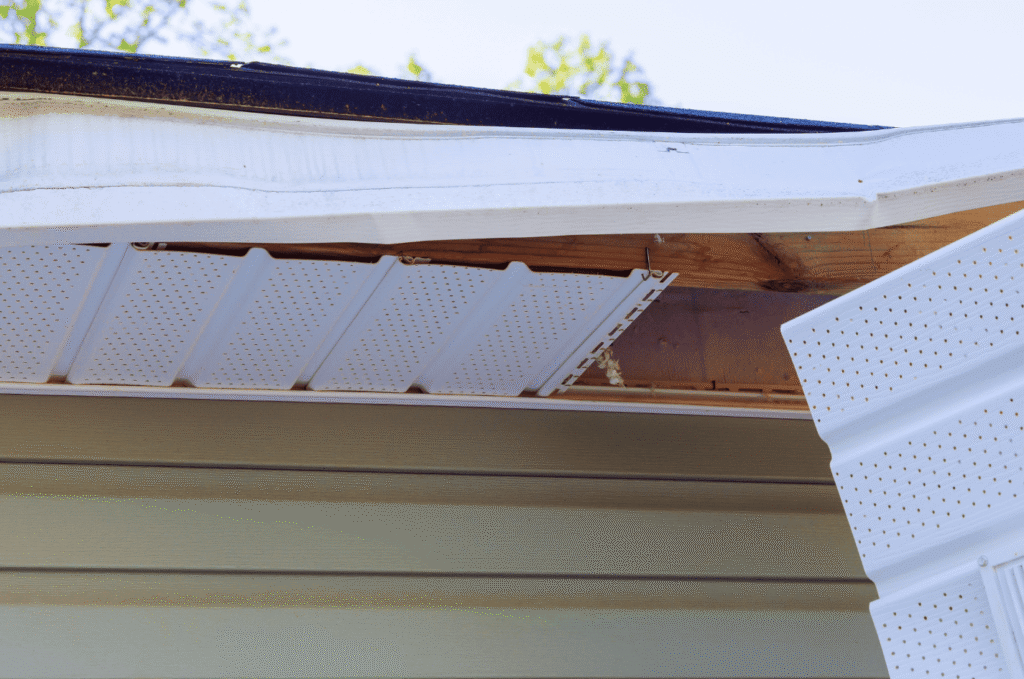
Signs of fascia rot can appear on the outside of the home before interior water damage develops. Property owners may notice peeling paint, dark staining, soft wood, cracks, sagging gutters, or moisture near the soffit.
These symptoms should not be ignored. Fixing rotted fascia boards early can help prevent wider damage around the roof edge and gutter system.
Peeling Paint and Soft Wood Are Warning Signs
Peeling paint, bubbling, flaking, or dark streaks along the fascia can show that moisture is getting behind the surface. If the wood looks swollen or uneven, the damage may already be deeper than the paint layer.
For Brookline roof inspection, fascia board rot should be reviewed with roof edge materials, gutter attachment points, and nearby soffit panels.
Sagging Gutters May Point to Hidden Rot
A gutter that pulls away from the roof edge can be a sign that the fascia board behind it is no longer holding fasteners securely. This can also allow more water to spill behind the gutter.
Properties needing Newton roof edge repair should have sagging gutters checked before gutter and fascia damage spreads into the roof edge or exterior wall area.
Rotted Fascia and Soffit Problems Are Connected
Rotted fascia and soffit problems often develop together because both areas sit along the roof edge. When water reaches one part, nearby materials may also be exposed.
The soffit can hide moisture damage because it sits underneath the fascia. By the time staining or sagging is visible, the issue may have been present for some time.
Soffits Can Hide Moisture Behind the Edge
Moisture can travel from the fascia into the soffit area, especially when gutters overflow or roof edge materials fail. This may create staining, soft panels, musty odors, or hidden wood decay.
A professional roof inspection service can review fascia, soffits, gutters, roof edges, and nearby attic areas to identify the full moisture path.
Roof and Gutter Details Should Be Checked Together
Fascia board rot should be reviewed with gutter slope, downspouts, drip edge, shingles, flashing, and roof penetrations. A problem at one point can send water toward another area.
For East Boston roof repair, coastal moisture and wind-driven rain can make roof edge inspection especially important when fascia damage appears.
Fixing Rotted Fascia Boards the Right Way
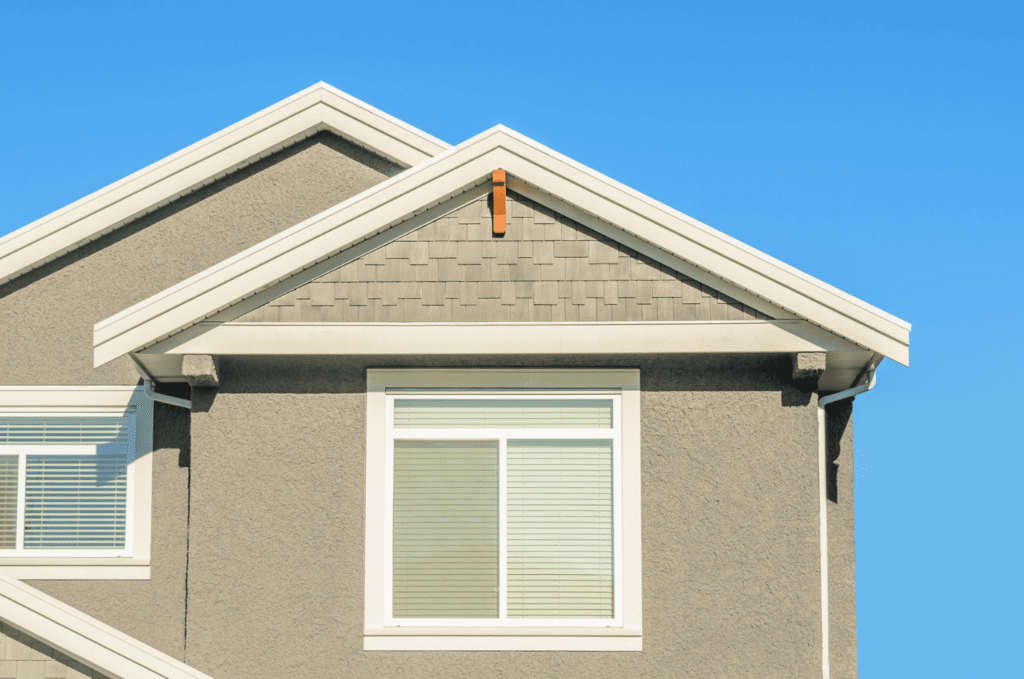
Fixing rotted fascia boards should start with identifying the cause of the water damage. The repair may involve replacing damaged wood, correcting gutter issues, repairing roof edge materials, or improving drainage.
A surface repair is not enough if water is still reaching the same area. The best result comes from repairing both the damaged fascia and the condition that caused it.
Rotted Fascia Board Replacement May Be Needed
Rotted fascia board replacement may be necessary when the wood is soft, split, unstable, or no longer holding the gutter securely. Partial repair may work only when the affected area is limited and the surrounding wood is sound.
A professional roof repair service can determine whether the fascia can be repaired locally or whether larger roof edge correction is needed.
Repairs Should Stop the Water Source
If clogged gutters caused the problem, drainage should be corrected. If a roof edge leak caused the damage, the roof system should be repaired before the fascia is replaced.
CAN Roof Construction can review fascia board rot, gutter and fascia damage, roof edge issues, and connected soffit concerns as part of one complete roofing system.
Schedule Fascia and Roof Edge Inspection
If you notice peeling paint, soft fascia, sagging gutters, stains, or rotted fascia and soffit areas, the roof edge should be inspected before the damage spreads.
To find the cause and plan the right repair, contact us today and schedule a professional fascia and roof inspection.