
Boston Commercial Roof Maintenance Checklist for Summer
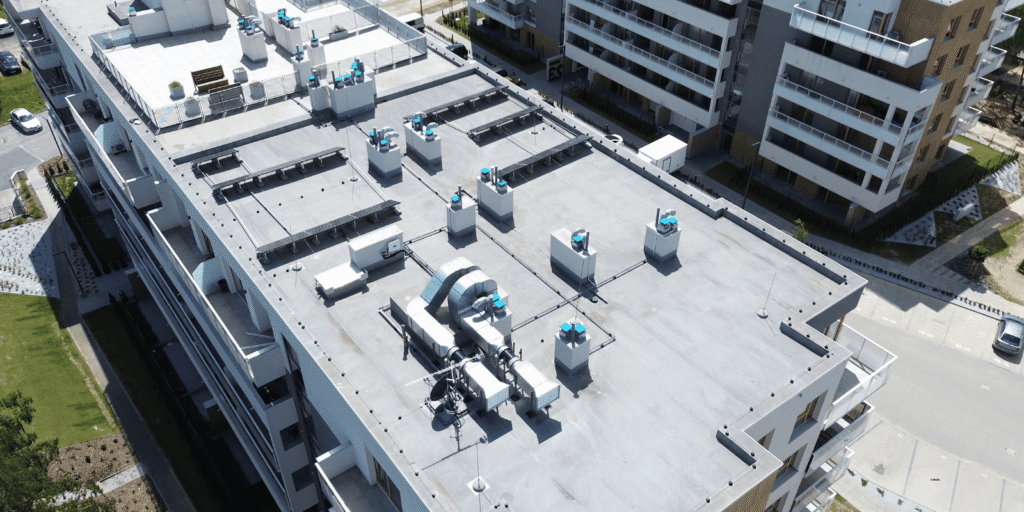
Commercial roof maintenance in summer means inspecting the roof membrane, clearing rooftop drainage, checking HVAC and flashing seals, and trimming nearby trees so your building can handle Boston’s heat and sudden thunderstorms. A little seasonal attention prevents heat-induced blistering and keeps the roof ready for heavy downpours.
For Boston property owners, summer is the ideal time to catch small problems before they become costly leaks. This checklist walks through the key areas a maintenance program should cover, from the membrane surface down to the drains, so your roof stays protected all season long.
Table of Contents
Why Summer Commercial Roof Maintenance Matters
Summer puts unique stress on a flat commercial roof. Consistent commercial roof maintenance during these months protects the membrane, the interior, and your bottom line.
Boston Summer Weather Risks
Boston summers swing between intense sun and violent thunderstorms. That heat expands and contracts roofing materials, while sudden downpours test every drain and seam at once.
This combination is hard on aging membranes. Regular summer roof maintenance keeps small weaknesses from turning into open leaks during a storm, when repairs are hardest and damage spreads fastest.
The Cost of Skipping Maintenance
Deferring upkeep almost always costs more later. Ignored issues grow into the kind of commercial roofing problems that shut down operations and damage inventory.
A leak over a business floor means downtime, repairs, and lost revenue, and it often damages valuable equipment and stock. Preventive care is far cheaper than emergency response.
Building a Maintenance Plan
The best protection is a written commercial roof maintenance plan with scheduled seasonal checks. A plan assigns clear tasks, tracks past repairs, and flags recurring trouble spots.
With a plan in place, nothing gets overlooked between seasons, and you build a service history that eases budgeting and warranty claims. It turns roof care from a reaction into a routine.
Surface and Membrane Checks
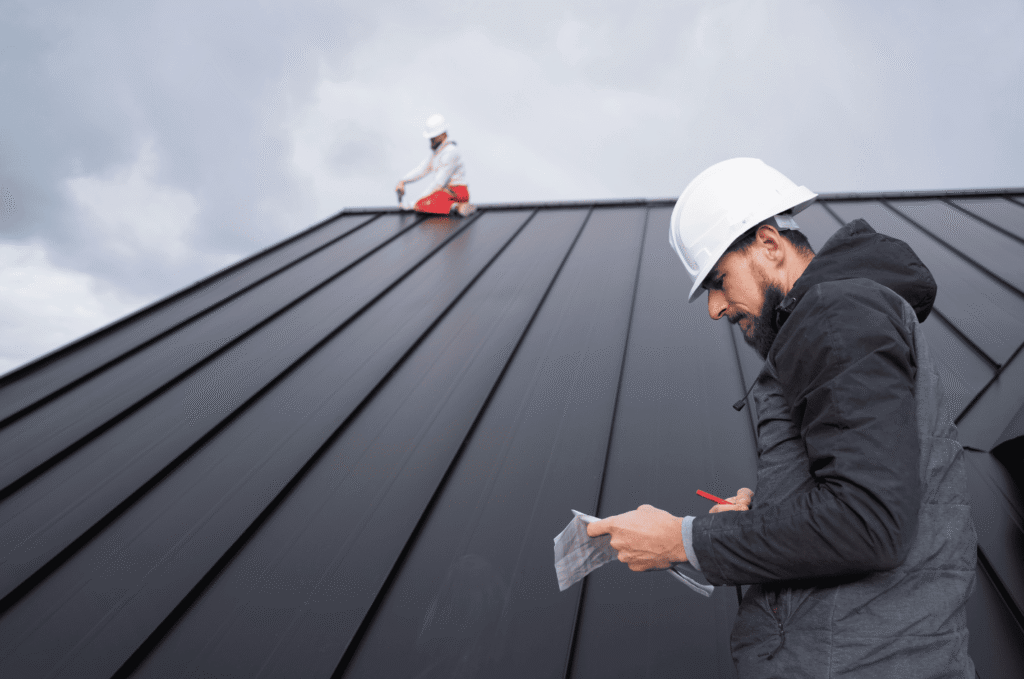
The membrane is your roof’s first line of defense against summer heat and rain. Effective commercial roof maintenance and flat roof maintenance both start with a close look at the surface.
Inspect for Blisters and Cracks
Hot sun causes materials to expand, which can create blisters, cracks, or tears. Left alone, flat roof blistering traps moisture and weakens the membrane from within.
Each blister is a potential leak point, and tracking them is a core part of any commercial roof maintenance routine. Catching them early keeps a small patch from becoming a major repair.
Check Granules and Bald Spots
On modified bitumen and built-up roofs, look for loose granules or bald spots. These worn areas expose the underlayment and speed up sun damage.
When wear is widespread, timely roof membrane repair restores the protective surface. Fresh coverage extends the life of the whole system and delays the far larger expense of a full replacement by several years.
Clear Debris and Leftover Materials
Trash, loose screws, and materials left by past contractors all threaten the membrane. Sharp debris can puncture the surface, while trapped litter holds moisture against it.
Keeping the surface clean is basic to sound flat roofing systems care. A clear roof is far easier to inspect and protect, and it keeps drains and seams visible for inspection.
Drainage and Water Flow
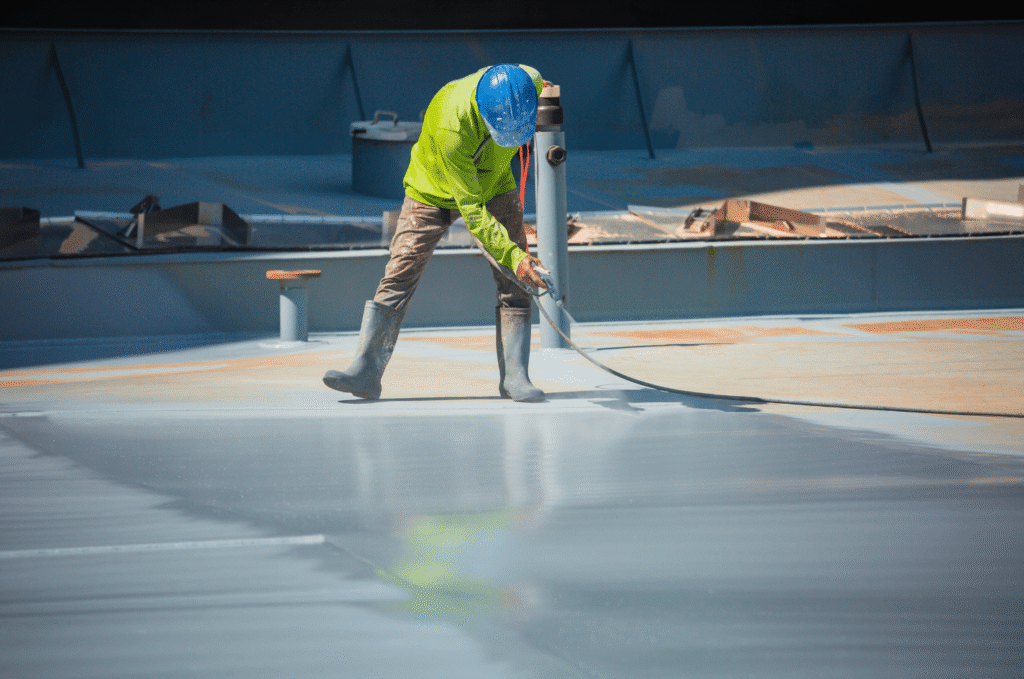
Summer storms dump water fast, and a commercial roof has to move it quickly. Good drainage is a central piece of commercial roof maintenance that keeps a flat roof from turning into a pool.
Clear Drains, Scuppers, and Gutters
Internal drains, scuppers, and gutters collect dirt and wind-blown twigs over time. When they clog, storm water backs up across the roof with nowhere to go.
Clearing these paths is a job the Waltham roofing crew and nearby teams handle often. Free-flowing drains are the simplest way to prevent storm damage, and they cost little to maintain.
Watch for Ponding Water
After a heavy storm passes, check whether water lingers in low spots. Ponding that sits for more than a couple of days adds weight and accelerates membrane breakdown.
Standing water is a warning sign, not a normal condition, and addressing it is a key goal of commercial roof maintenance. Persistent pools usually point to a drainage or slope problem worth addressing before the added weight and moisture shorten the membrane’s life.
Direct Water Away From the Building
Downspouts and drainage outlets should carry water well away from the foundation. Water dumped at the base can seep in and undermine the structure below.
A quick Quincy roof inspection can confirm your drainage sends water where it belongs. Moving water away protects both the roof and the building, sparing the foundation and lower walls from slow, hidden water damage over time.
Flashings, Penetrations, and Rooftop Equipment
Most leaks start where the roof meets something else. Seals, edges, and equipment all need attention, so commercial roof maintenance always includes these details during a summer check.
Seals Around Skylights and Vents
Caulking and seals around skylights, vents, and pipes shrink and crack in the heat. A thorough commercial roof inspection checks each of these penetrations for gaps, and timely commercial roof repair seals any that have opened up.
Even a small crack around a vent lets water in. Resealing early keeps these weak points watertight, and it is one of the cheapest, highest-value tasks in any summer maintenance visit.
Metal Edges and Pitch Pockets
Loose screws around metal edge caps and trim should be tightened before storm season peaks. Pitch pockets must be full and properly sealed to keep water out.
These small metal details are easy to miss from the ground. A close inspection catches them before they lift or leak, which is exactly what routine commercial roof maintenance is designed to do.
HVAC Units and Rooftop Equipment
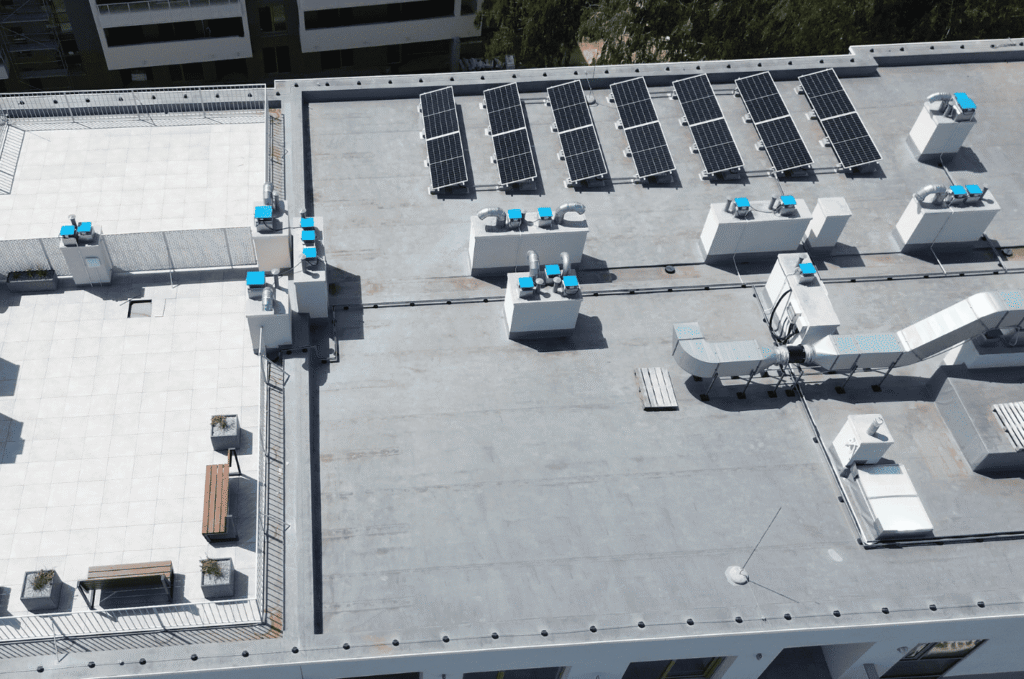
Rooftop HVAC units can leak fluid or shed loose, vibrating panels onto the membrane. Grease traps on restaurant exhaust hoods and hidden bird nests also need checking.
For thorough coverage, the Woburn roofing experts inspect around all rooftop equipment. Clean, secure equipment protects the roof beneath it, since a single dripping unit or loose panel can wear a hole through the membrane over a season.
Professional Help and Getting Started
A commercial roof is a major asset, and summer is the right time to protect it with steady commercial roof maintenance. The final step is knowing when to bring in a professional team.
When to Call a Professional
Some of the best roof maintenance tips come down to one thing: know your limits. Steep access, live equipment, and hidden damage make commercial roof repair in Boston a job for trained crews, like the Framingham roofing team and nearby pros.
A professional finds problems an untrained eye misses. Expert care keeps small issues from becoming shutdown-level emergencies, and a documented visit gives you peace of mind that the whole roof was checked properly.
Why Choose CAN Roof Construction
For Boston-area businesses, CAN Roof Construction brings certified crews, honest assessments, and free inspections to every commercial roof. The team handles membrane, drainage, and flashing work the right way, so your building stays protected through summer and beyond.
Schedule Your Summer Roof Inspection
Do not wait for a storm to expose a weak spot on your roof. If your building is due for seasonal care, contact our team for a free inspection and a clear maintenance plan built for the season ahead.