
Roof Membrane Damage in Boston: Signs and Repair Options
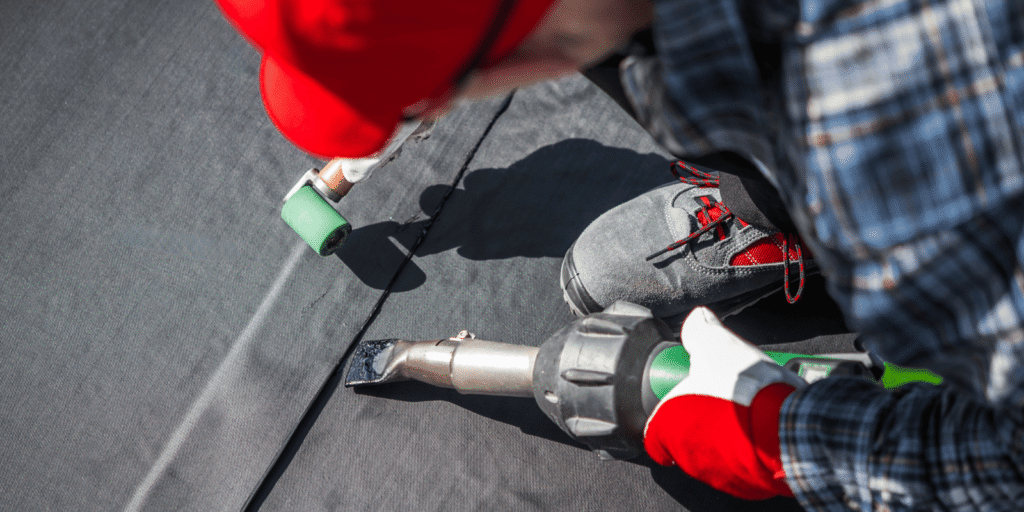
Roof membrane repair becomes important when the protective surface on a flat or low-slope roof is split, punctured, loose, blistered, or no longer keeping water out. The membrane is the main waterproof layer, so even small surface defects can allow moisture to reach seams, insulation, decking, or interior areas.
Roof membrane damage is not always obvious from the ground. Boston property owners may first notice ponding water, ceiling stains, bubbling, soft areas, or repeated leak concerns before the damaged area is clearly identified on the roof surface.
Table of Contents
What Roof Membrane Damage Means for Boston Properties
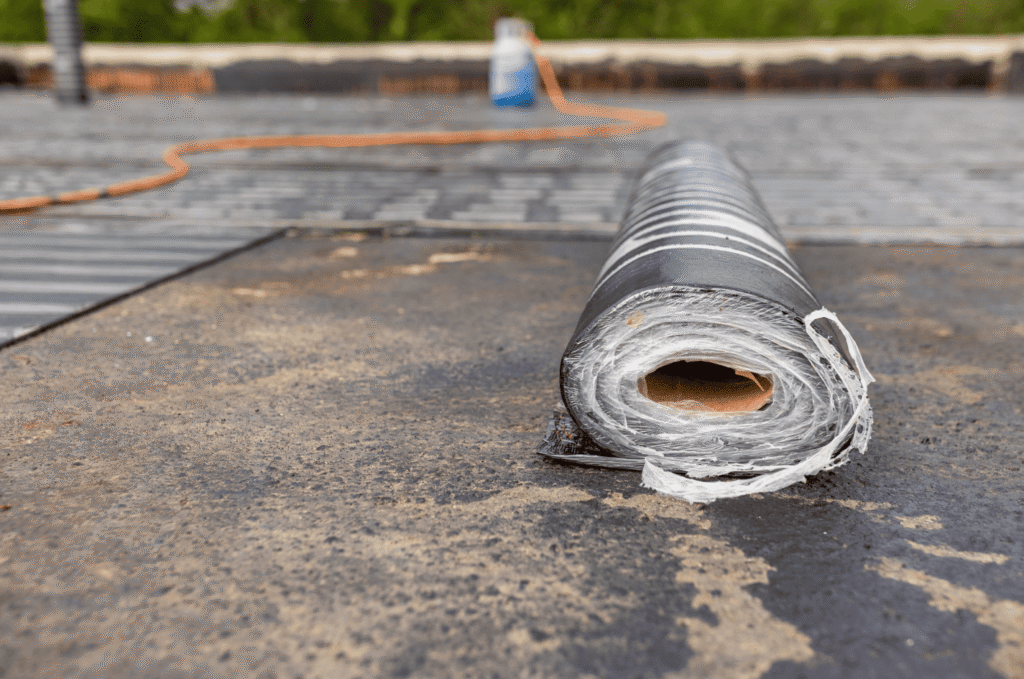
Roof membrane damage usually affects flat roofs, commercial roofs, low-slope additions, and some residential roof sections. The issue may involve EPDM rubber, TPO, PVC, modified bitumen, or another flat roofing material.
The right roof membrane repair depends on the material, age, drainage condition, and how far moisture has moved. A small puncture and widespread membrane failure should not be handled the same way.
The Membrane Is the Main Waterproof Layer
The roof membrane protects the building by stopping water from reaching the layers below. When that surface opens, separates, or weakens, water can move under the membrane and travel away from the original entry point.
Properties needing Everett roof repair should have membrane seams, flashing, drains, and roof edges checked together, because one visible defect may be part of a larger roof condition.
Damage Can Come From More Than Age
Aging can weaken a roof membrane, but it is not the only cause. Foot traffic, rooftop equipment, poor drainage, UV exposure, trapped moisture, storm debris, and previous repairs can all contribute to surface damage.
The commercial roofing problems guide explains how drainage, surface wear, flashing issues, and delayed maintenance can create bigger problems on commercial roof systems.
Signs of Roof Membrane Damage Property Owners May Notice
Signs of roof membrane damage can appear as visible surface issues or interior moisture symptoms. Some problems show up as cracks, open seams, punctures, bubbles, soft spots, staining, or loose flashing.
These signs should be reviewed early. A membrane may look mostly intact while water is already moving below the surface, especially on roofs with large areas or limited access.
Cracks, Splits, and Open Seams Matter
Cracks, splits, and open seams can create direct paths for water. These problems are often found near roof edges, corners, drains, vents, skylights, HVAC curbs, and older repair areas.
For Quincy roof repair, roof membrane repair should include a close review of seam lines and flashing transitions, not only the area where water is visible inside.
Blisters and Soft Areas May Signal Hidden Moisture
Blisters, bubbles, and soft areas can show that air or moisture is trapped below the membrane. These areas may become more vulnerable when water sits nearby or when the roof surface is exposed to repeated temperature changes.
The ponding water guide explains how standing water can place extra stress on membrane areas, seams, and low spots over time.

Flat Roof Membrane Damage and Leak Risk
Flat roof membrane damage can lead to leaks, but the water path is not always direct. Water can enter through one membrane opening, move below the surface, and appear inside the building at another location.
This is why roof membrane repair should be based on inspection, not guesswork. Fixing only the ceiling stain or coating one visible spot may leave the real entry point open.
Leaks May Start Away From the Interior Stain
Flat roof leaks can travel along insulation, decking, seams, or low areas before they become visible indoors. A stain in one room does not always mean the membrane defect is directly above that spot.
The commercial roof leaks guide explains why hidden leak signs can appear slowly and why early inspection matters before interior damage spreads.
Drainage Problems Can Make Membrane Damage Worse
Ponding water, clogged drains, and poor slope can keep moisture sitting on weak membrane areas. Over time, this may expose small defects that would otherwise remain less active during light rain.
Properties scheduling Somerville roof repair should have drainage paths reviewed with the membrane condition, especially when leaks appear after heavy rain or snowmelt.
Roof Membrane Repair Options and Material Concerns
Roof membrane repair can involve patching, seam reinforcement, flashing correction, puncture repair, drain-area repair, or replacement of damaged membrane sections. The correct option depends on how much of the roof is affected.
Damaged roof membrane repair options should also consider whether insulation below the membrane is wet. If the lower layers are compromised, a surface repair may not be enough to stop repeated problems.
Localized Repairs May Work for Limited Damage
A localized repair may be appropriate when the damage is small, isolated, and the surrounding membrane is still stable. This may include sealing a puncture, correcting an open seam, or repairing flashing around a roof penetration.
Professional flat roofing services can help confirm whether the membrane can be repaired in place or whether the damaged area needs a larger correction.
Rubber Roof Membrane Damage Needs the Right Approach
Rubber roof membrane damage should be repaired with materials and methods that match the existing roof system. Using the wrong patch, coating, or adhesive can create weak spots or shorten the life of the repair.
For Chestnut Hill roof repair, the inspection should identify the membrane type before any roof membrane repair Boston property owners approve is started.
Roof Membrane Repair Boston and Replacement Decisions
Roof membrane repair Boston property owners need should be based on the roof’s condition, not only the size of the leak. A small leak on an old, brittle, or poorly drained membrane may point to a larger system issue.
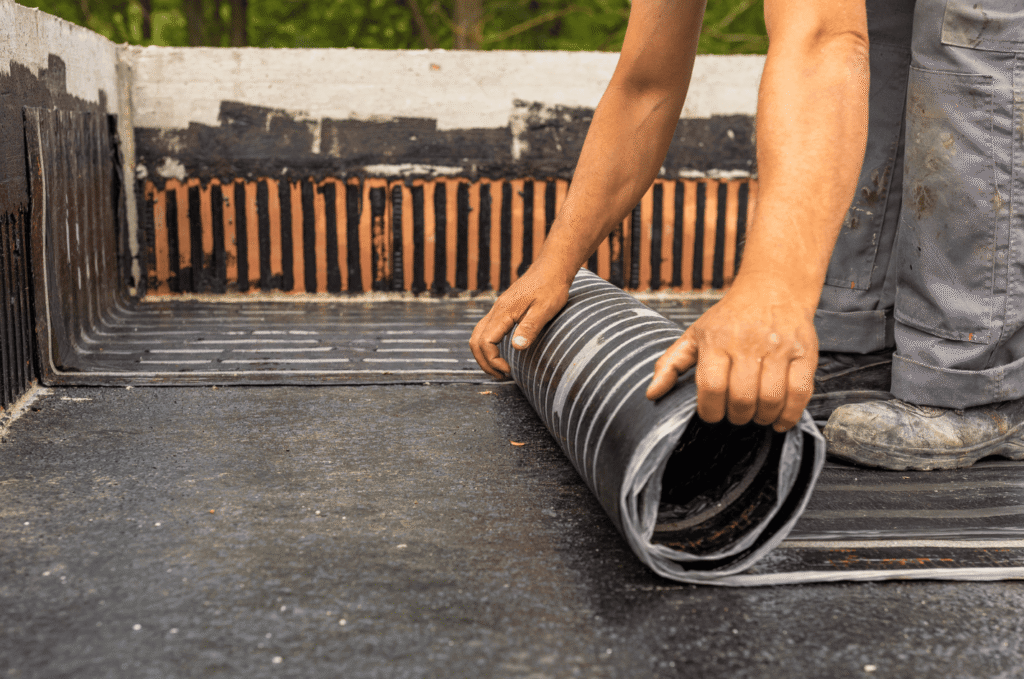
In some cases, roof membrane replacement may be more practical than repeated repairs. The decision should consider membrane age, number of damaged areas, drainage performance, insulation condition, and repair history.
When Roof Membrane Replacement May Be Needed
Roof membrane replacement may be recommended when damage is widespread, seams are failing across large areas, the membrane is brittle, insulation is saturated, or leaks keep returning after repair. Replacement may also be considered when multiple repair areas connect into one larger failure pattern.
A professional roof repair service can determine whether roof membrane repair is still practical or whether replacement should be reviewed as the safer long-term option.
Local Support for Roof Membrane Damage
CAN Roof Construction can inspect flat roof membrane damage, drainage problems, flashing details, leak signs, and repair history before recommending the next step. This helps property owners avoid unnecessary work while still addressing the real cause of the problem.
A complete review is especially important for commercial and low-slope roofs, where membrane damage may spread below the surface before it becomes easy to see.
Schedule a Roof Membrane Inspection
If you notice signs of roof membrane damage, flat roof leaks, rubber roof membrane damage, or repeated ponding near seams and drains, the roof should be checked before moisture spreads further.
To confirm the cause and review the right repair option, contact us today and schedule a professional roof membrane inspection.