
What Causes Ponding Water on Flat Roofs and How to Fix It
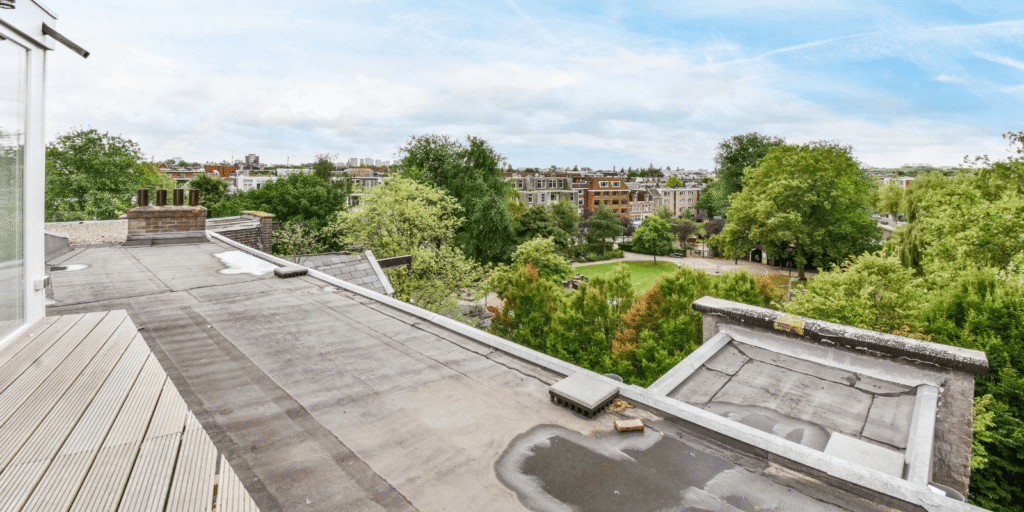
Ponding water on flat roofs happens when rainwater or melted snow stays on the roof surface instead of draining away. This usually points to a drainage, slope, membrane, or maintenance issue that should be checked before roof damage spreads.
Flat roofs are not meant to hold water for long periods. A properly designed system should guide water toward drains, scuppers, gutters, or outlet points. When water remains in low areas, it can increase stress on the membrane and make small defects harder to ignore.
Table of Contents
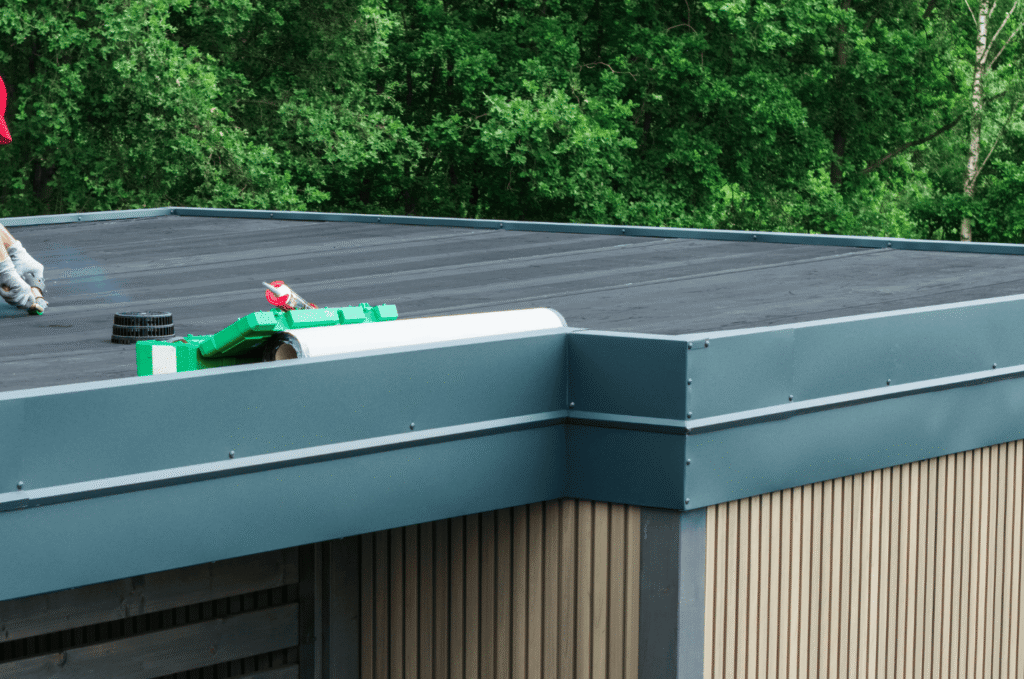
What Causes Ponding Water on Flat Roofs?
Ponding water on flat roofs can come from low spots, blocked drains, poor slope, compressed insulation, heavy rooftop equipment, or repairs that changed how water moves across the surface.
The key is not just seeing the water, but understanding why it is staying there. A flat roof inspection should look at the drainage path, membrane condition, roof edges, seams, and rooftop features that may interrupt water flow.
Low Spots Can Hold Water After Rain
Low spots may form when insulation settles, decking shifts, older repairs sink, or membrane areas lose support. Once water collects in one area, the added weight can make that section hold even more water over time.
For properties needing Cambridge roof repair, ponding water should be checked together with seams, flashing, and roof penetrations to confirm whether the low area is part of a larger roof concern.
Old Repairs Can Change Drainage Flow
Patchwork, added coating, raised seams, or uneven membrane repairs can create small barriers that stop water from moving toward drains. A repair may stop one leak but still leave a drainage path blocked.
The commercial roofing problems guide explains how repeated surface issues, aging materials, and poor drainage can turn into larger concerns when they are not corrected early.
Ponding Water on Commercial Flat Roofs Needs Attention
Ponding water on commercial flat roofs can affect larger roof areas because commercial buildings often have wide roof sections, internal drains, HVAC units, parapet walls, and multiple roof levels. Water may collect behind equipment or along edges where it is not visible from the ground.
Commercial flat roof problems are often missed until ceiling stains, odors, interior moisture, or membrane damage appears. Regular roof access and documentation can help show whether ponding is new, repeated, or spreading.
Large Roof Areas Can Hide Drainage Issues
A commercial flat roof may look level from a distance, but small slope changes can decide where water collects. Even a shallow depression can hold water if the drain path is too far away or partly blocked.
Building owners scheduling Brookline roof repair should make sure ponding areas are photographed and compared after storms, especially when the same low spots appear more than once.
Ponding Can Make Leak Signs Harder to Trace
Flat roof leaks are not always directly below the ponding area. Water can enter through one opening, move under the membrane, and appear inside at a different point.
The commercial roof leaks guide explains why hidden leak signs can develop before obvious interior damage appears.
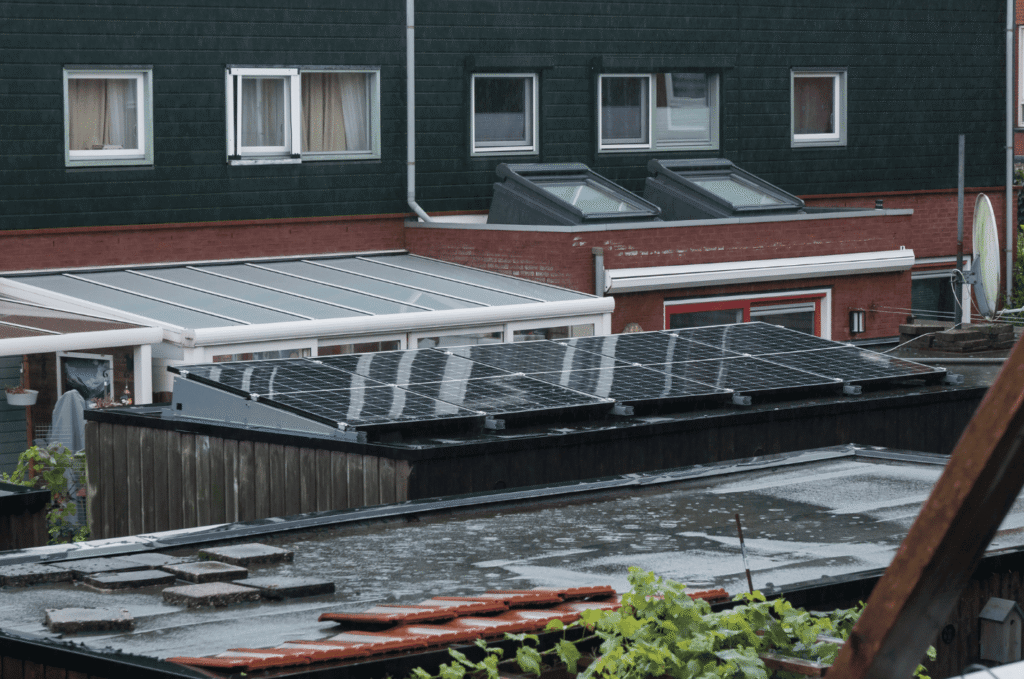
Flat Roof Drainage Problems That Make Water Stay
Flat roof drainage problems usually involve blocked drains, undersized outlets, poor slope, debris buildup, clogged gutters, or roof areas that no longer guide water correctly. These problems may become worse after storms or seasonal debris.
A drainage review should check where the water starts, where it should go, and what stops it along the way. Looking only at the puddle may miss the actual restriction.
Blocked Drains and Scuppers Slow Water Movement
Leaves, dirt, roofing granules, loose material, and debris can collect around drains or scuppers. When water cannot leave the roof quickly, it spreads across the membrane and settles in the lowest areas.
For East Boston roof repair, wind exposure and nearby trees can make drain checks important after heavy weather, especially on roofs with parapet walls or limited outlet points.
Poor Slope Can Leave Water Behind
Flat roofs still need controlled slope. If the roof was built with too little slope, or if the structure settled over time, water may remain even when drains are open and working.
The upcoming flat roof drainage guide will explain how drains, scuppers, gutters, and slope issues can combine to create recurring ponding water.
Flat Roof Leaks and Maintenance After Ponding
Ponding water does not always mean the roof is leaking right now, but it does increase the need for closer monitoring. Water that stays on the membrane can make seams, flashing, punctures, and surface wear more vulnerable.
Flat roof maintenance should focus on early signs rather than waiting for interior water damage. A small surface issue can become more serious when water repeatedly sits over the same area.
Warning Signs May Show Around Seams and Flashing
Look for staining, soft areas, blistering, open seams, loose flashing, algae growth, or dirt rings around ponding locations. These signs can show where water has been sitting long enough to affect the surface.
Professional flat roofing services can help determine whether the membrane, flashing, insulation, or drainage layout is contributing to repeated ponding.
Maintenance Records Help Track Repeated Problems
Photos after storms, drain cleaning records, and repair notes can help show whether ponding water is improving, staying the same, or spreading. This is useful for commercial roofs with large areas that are not visible from below.
Properties needing Everett roof repair can benefit from comparing past roof images with current roof conditions before deciding what level of repair is needed.
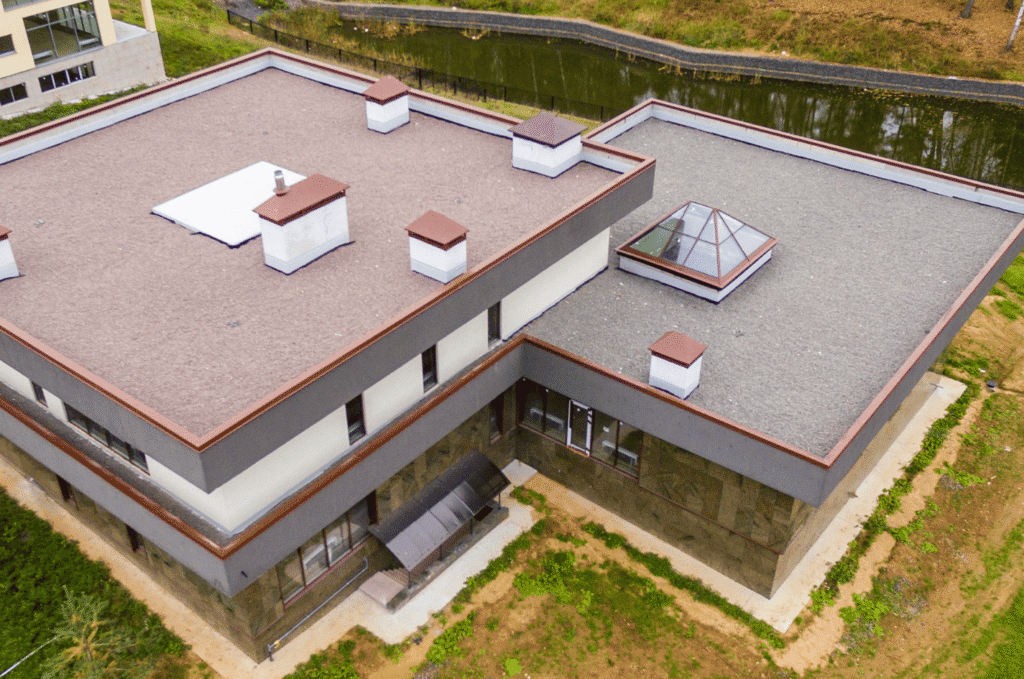
How to Fix Ponding Water on Flat Roofs the Right Way
How to fix ponding water on flat roofs depends on the cause. The solution may involve clearing drains, correcting scuppers, improving slope, repairing the membrane, replacing saturated insulation, or addressing structural low spots.
This should not be handled by guessing. For flat roof repair Boston property owners may need, adding coating or patching a low area without correcting drainage can leave water in place and allow the problem to return.
Inspection Should Come Before Repair
A proper inspection should review the roof slope, membrane seams, flashing, drains, scuppers, gutters, insulation condition, and interior leak signs. This helps separate flat roof drainage problems from active membrane failure.
Professional roofing services can evaluate whether ponding water on flat roofs is caused by surface blockage, roof design, material wear, or a deeper structural concern.
Repair Should Address the Real Cause
If the issue is debris, drainage openings may need to be cleared and monitored. If the issue is a low area, the repair may require a more detailed correction to improve water flow. If leaks are present, the damaged membrane or flashing must be addressed.
CAN Roof Construction can review flat roof ponding water causes and help property owners understand whether maintenance, repair, or a larger roofing correction is the better path.
Schedule a Flat Roof Review
If ponding water keeps returning after rain, the roof should be checked before moisture reaches insulation, decking, or interior spaces. Repeated standing water is a warning sign that the drainage path needs attention.
To identify the cause and plan the right repair, contact us today and schedule a professional flat roof inspection.