
Flat Roof Blistering: What It Means and Its Main Causes
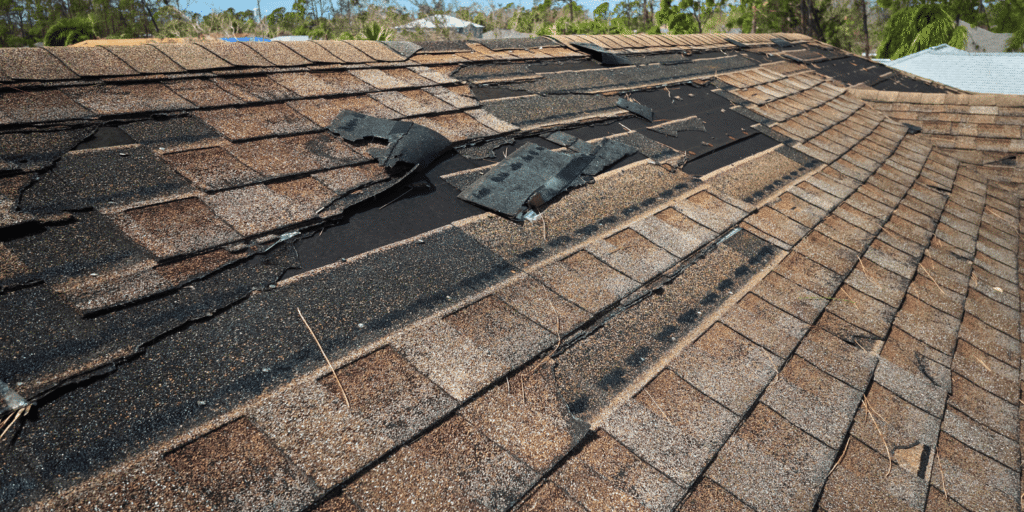
Flat roof blistering means air, moisture, or trapped vapor has formed raised bubbles under the roof membrane, creating weak spots that may lead to surface damage or a flat roof leak. These blisters can look minor at first, but they may spread when heat, moisture, foot traffic, or poor drainage continues to stress the roof surface.
Flat roof blistering is common on low-slope and commercial roof systems because the membrane faces direct exposure to sun, rain, temperature changes, and standing water. Understanding the main causes helps property owners act before small bubbles become larger flat roof problems.
Table of Contents
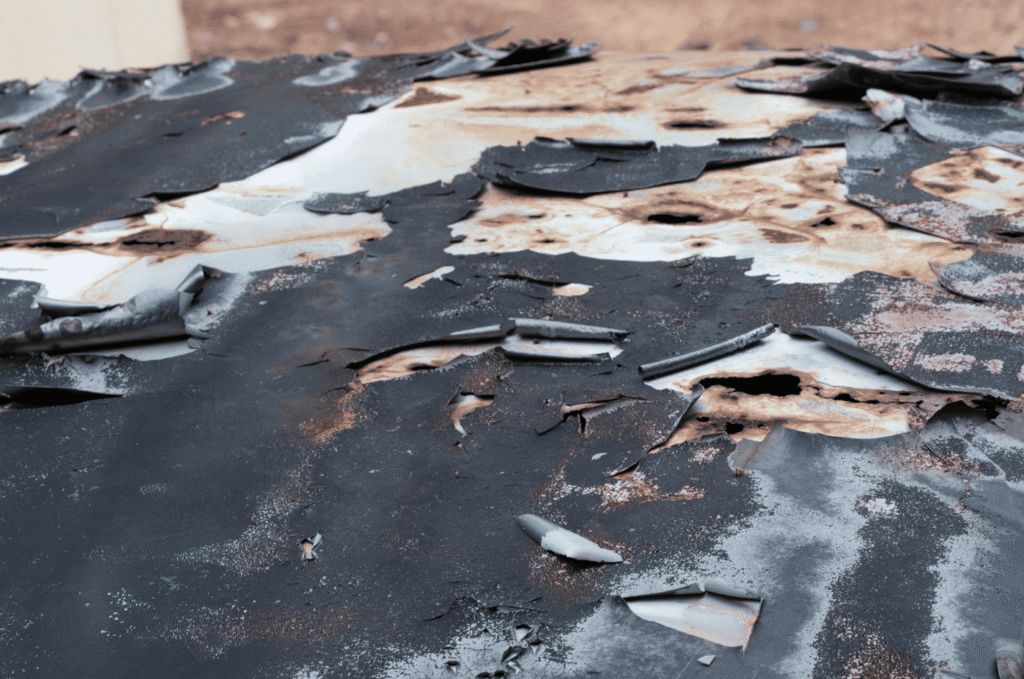
What Flat Roof Blistering Means for the Roof Membrane
Flat roof blistering starts when the roof membrane separates from the layer below it. That separation creates a raised pocket that may contain air, moisture, or both.
Not every blister means an active leak, but it should not be ignored. Roof membrane blistering can weaken the surface and make the roof more vulnerable during rain, heat, and seasonal movement.
Raised Bubbles Show Membrane Separation
A blister usually looks like a bubble, bump, or raised soft area on the flat roof surface. The area may feel loose, stretched, or slightly lifted compared with the surrounding membrane.
For commercial buildings, the commercial roofing guide explains how small roof surface issues can become larger concerns when they are not checked early.
Moisture Can Stay Hidden Under the Surface
Flat roof blistering can hide moisture below the top layer of roofing material. When moisture sits under the membrane, it may move slowly and weaken nearby seams, adhesive areas, or roof layers.
For Cambridge properties, older roof sections and mixed drainage layouts can make roof membrane blistering harder to notice from the ground.
Flat Roof Blistering Causes Property Owners Should Know
Flat roof blistering causes often include trapped moisture, poor installation conditions, trapped air, heat exposure, and drainage issues. These problems can develop slowly and may not create visible damage right away.
The main concern is that blisters change how the roof surface handles weather. Once the membrane lifts, flat roof problems can spread faster across nearby seams or weak roof areas.
Moisture Trapped During Installation
If moisture is trapped between roofing layers during installation, it can expand when the roof heats up. That pressure may push the membrane upward and create flat roof blistering.
If trapped moisture or weak adhesion is suspected, professional roofing services can help review the roof layers, membrane condition, and repair needs before blistering spreads.
Heat and UV Exposure Add Pressure
Sun exposure can make trapped air or moisture expand under the membrane. Over time, repeated heating and cooling can make flat roof blistering larger or more visible.
For Newton facilities, wide roof planes and direct sunlight can make blistering on flat roofs easier to miss until the surface is inspected closely.
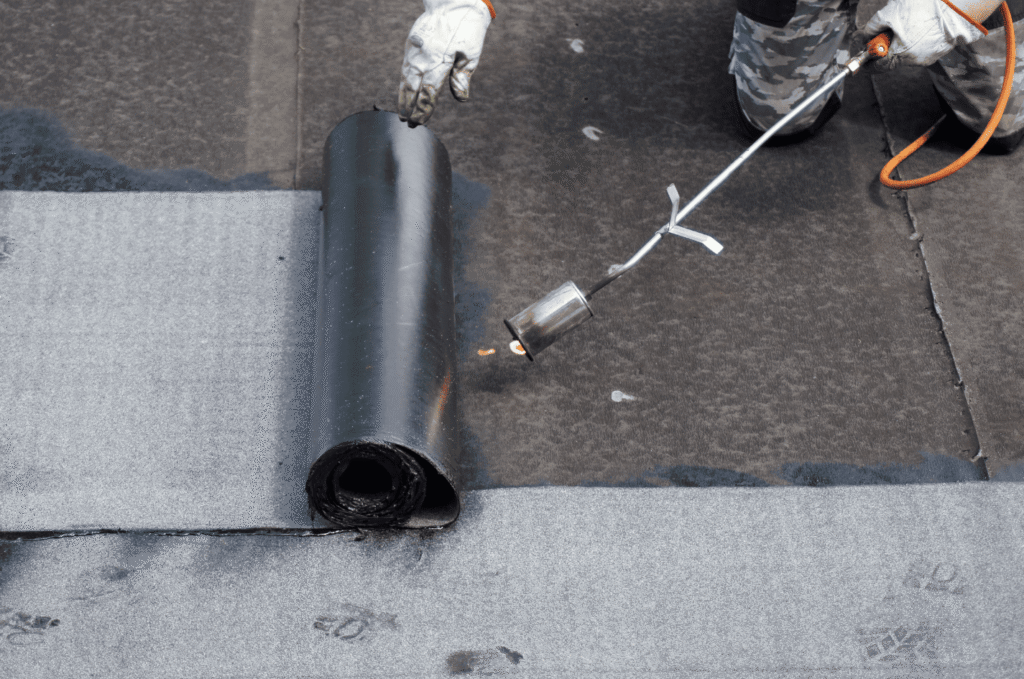
Flat Roof Problems That Make Blistering Worse
Flat roof problems often work together. Blistering may start from moisture or air pockets, but drainage issues, foot traffic, and worn seams can make the damage spread faster.
Property owners should look at the full roof condition, not only the raised areas. Flat roof blistering becomes more serious when nearby seams, drains, or roof edges also show stress.
Ponding Water Can Stress Blistered Areas
Standing water can sit around blisters and increase pressure on the membrane. If the roof already has weak seams or lifted areas, ponding water may make flat roof blistering worse after rain.
Once published, the future ponding water guide can help explain how standing water affects flat roof problems and long-term roof performance.
Foot Traffic Can Break Weak Spots
Maintenance workers, equipment service visits, and repeated walking paths can damage raised blister areas. A blister that stays sealed may become a flat roof leak if it is stepped on, cut, or torn.
For buildings that need roof access, flat roofing services can help review membrane condition, roof access areas, and blistering on flat roofs.
When Flat Roof Blistering Can Lead to a Flat Roof Leak
Flat roof blistering does not always mean water is entering the building immediately. The risk increases when the blister cracks, opens at the seam, or forms near drains, roof edges, curbs, or equipment areas.
A flat roof leak may begin quietly beneath the surface. That is why visible bubbles should be reviewed before stains, odors, or ceiling marks appear inside the building.
Cracked Blisters Create Openings
When a blister cracks, the protective roof membrane may no longer block water properly. Rain can enter the opening and move below the surface before the leak becomes visible indoors.
Once published, the future membrane damage guide can help readers understand how roof membrane damage connects to blistering, cracks, and leak risks.
Seams and Edges Need Extra Attention
Flat roof blistering near seams, parapet walls, drains, or equipment curbs can be more concerning than isolated bubbles in open areas. These transition points already carry more movement and water exposure.
For Brookline buildings, older roof edges and tight building layouts can make flat roof leak signs harder to trace without a careful roof review.

Flat Roof Maintenance and Repair Support for Blistering
Flat roof maintenance helps property owners understand whether blistering is stable, spreading, or connected to deeper moisture. A roof surface check should look at blister size, location, cracks, seams, drainage, and nearby roof materials.
Flat roof blistering should be handled based on condition. Some sealed blisters may be watched, while cracked, wet, or spreading areas may need repair before the roof system weakens further.
Maintenance Should Track Changes Over Time
Flat roof maintenance should include checking blistered areas after storms, heat waves, and seasonal temperature changes. If the blister grows, softens, cracks, or appears near standing water, the roof should be reviewed more closely.
For Quincy buildings, coastal weather and heavy rain can increase moisture stress on flat roof systems.
Local Roofing Help Can Confirm the Cause
A professional review can help determine whether flat roof blistering comes from trapped moisture, poor adhesion, ponding water, membrane wear, or roof membrane blistering around seams and equipment.
Property owners can visit CAN Roof Construction to learn more about local roofing support for flat roof problems, inspections, and repair planning.
Schedule a Careful Flat Roof Check
If you see raised bubbles, cracked blisters, soft membrane areas, ponding water, or early flat roof leak signs, it is better to confirm the cause before the damage spreads.
To protect your roof before small blistering becomes a larger issue, contact us today and schedule a professional flat roof inspection.