
When Does a Roof Patch Stop Being the Right Repair Solution?

A roof patch stops being the right repair when the damage is widespread, structural, or the roof has reached the end of its useful life. Roof patch repair suits one small, isolated problem on an otherwise healthy roof, not a roof that is failing in several places.
This guide shows how to tell the difference, with the warning signs that a patch is not enough, five temporary fixes that can hold until a permanent repair, and the mistakes that make patches fail. It also explains how age, hidden damage, and repeat repairs change the repair-or-replace decision.
Table of Contents
When Does a Roof Patch Stop Being the Right Repair?
Think of a patch as treating one symptom. It works when the cause is local, like a single damaged shingle, and fails when the cause is bigger than the spot you covered.
Three conditions usually end a patch’s usefulness: damage in multiple areas, damage to the structure under the shingles, or a roof that is simply old. Any one of them means the patch is only buying time, and sometimes hiding the problem while it spreads.
The next sections cover when patching is still sensible, the specific signs it is not, and what to do while you wait for a permanent fix.
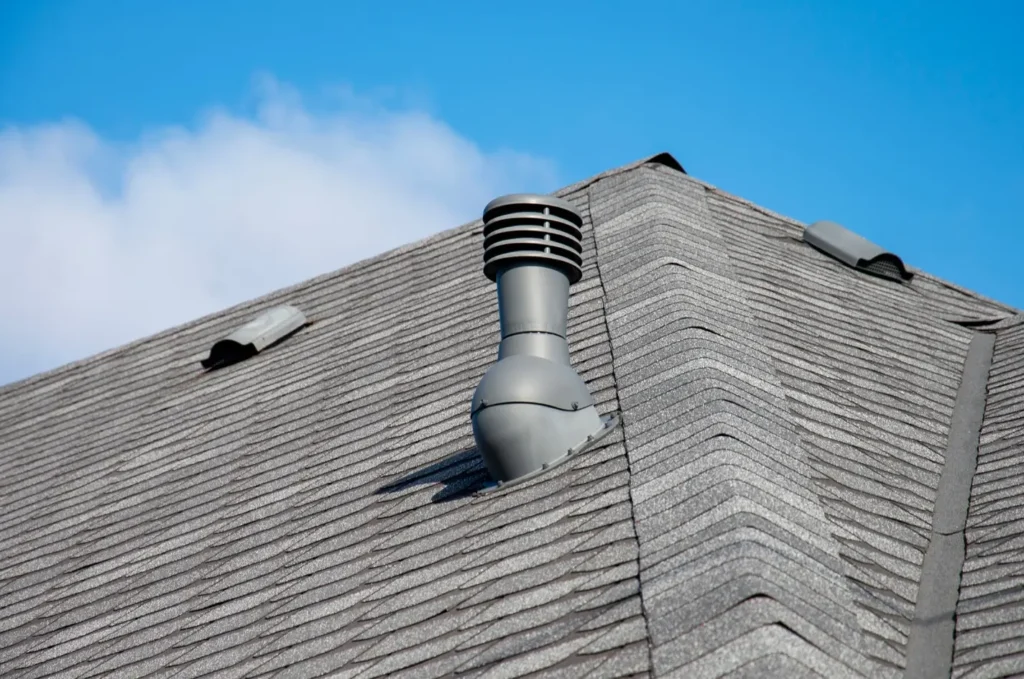
When Is a Roof Patch Still the Right Choice?
A patch is still the right choice when the problem is small, contained, and the rest of the roof is healthy. Examples include one wind-torn shingle, a cracked pipe flashing, a small puncture, or a loose nail hole.
Roof age matters here. On a younger roof with many years left, a quick targeted roof repair often makes more sense than any larger project.
A tarp or patch tape also has a place as a short-term stopgap. These are generally meant to last weeks, often cited as 30 to 90 days, until a professional can complete a permanent repair or replacement.
What Signs Show a Patch Is No Longer Enough?
A patch is no longer enough when the evidence points to a problem the patch cannot reach. The common thread is that water damage or wear extends beyond the spot you can see.
Signs the Roof Needs More Than a Patch
- Roof age: Roofs at or past about 20 years are often near the end of their service life, particularly shingle roofs.
- Widespread damage: Leaks or missing shingles in separate areas suggest a roof-wide problem.
- Structural rot: Moisture damage, mold, or rot in rafters, trusses, or sheathing means water has been getting in for some time.
- Soft or sagging decking: A spongy deck, or one that sags when viewed from the attic, cannot hold a patch securely.
- Repeated failures: If the same area, or different areas, keep the roof leaking after patching, the cause is not being fixed.
- Persistent ponding: On a flat roof, standing water points to a drainage or slope problem a surface patch cannot solve.
The more of these you recognize, the more likely a larger repair or replacement will cost less over time.
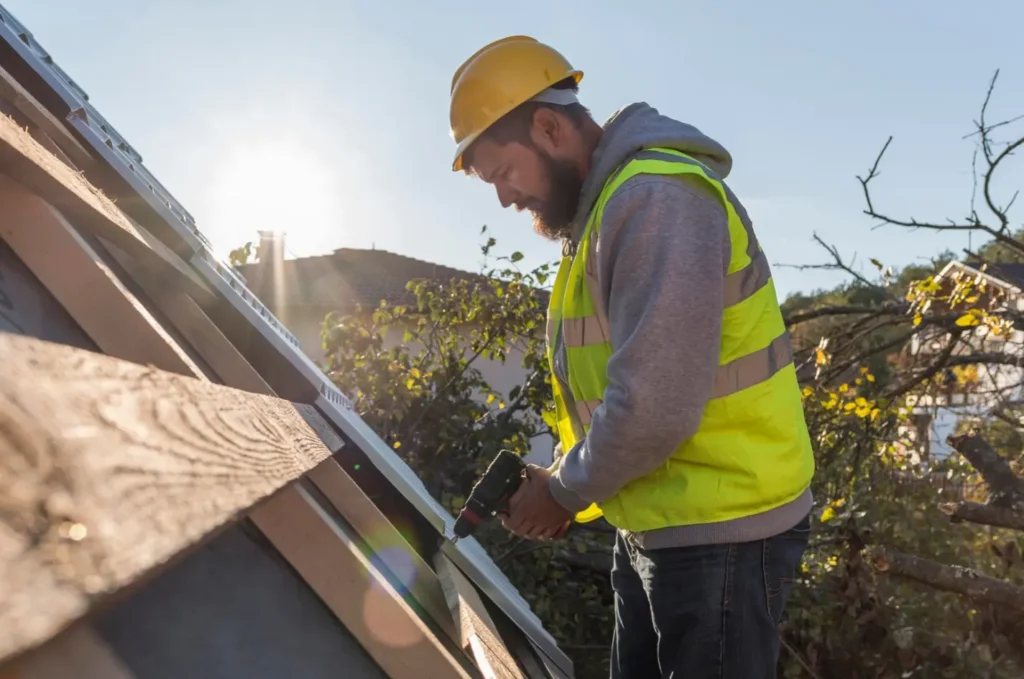
What Are 5 Temporary Fixes Before a Permanent Repair?
When a leak cannot wait, a temporary fix limits the damage. These five options cover most situations, but each is a stopgap, not a cure.
Match the fix to the damage. A tarp covers large areas, while tape and sealant only suit small gaps.
Five Temporary Fixes and Where They Fit
- Tarp and battens: Suits large areas of damage, extended well past the damaged section and secured so wind cannot lift it.
- Roof cement with a replacement shingle: Suits a few contained shingle problems, using asphalt roof cement rather than general-purpose caulk.
- Roofing tape or peel-and-stick membrane: Helps with cracks and small flashing gaps, but needs a clean, dry surface.
- Roofing-grade sealant: Works for hairline cracks, tiny gaps, and exposed nail heads, but not for large openings.
- Plywood and felt overlay: Protects exposed or damaged deck, and is usually the most durable of the five.
None of these replaces proper roof leak repair, so plan the permanent fix as soon as conditions allow.
What Should You Avoid When Patching a Roof?
Most patch failures come from avoidable mistakes. A patch that looks fine can still let water in underneath it.
Common Patching Mistakes
- Working on a wet roof: Wet surfaces are slippery and dangerous, and most repair products need a dry surface.
- Layering sealant over rot: Covering soft or damaged material hides a problem that keeps growing.
- Using the wrong product: General caulk is not a substitute for roofing cement or sealant.
- Ignoring flashing: Flashing leaks are common, and a proper roof flashing repair may be needed instead of surface patches.
- Skipping the cause: If clogged gutters or poor drainage caused the leak, the patch will fail again.
Before you patch anything, take photos of the damage, since they help with an insurance claim and with any later repair decision.
Patch vs Replacement: Weighing Lifespan and Cost
Patching usually costs less up front, but it is typically a short-term solution. Replacement costs more initially and addresses the whole roof system.
The comparison changes with repeat repairs. Several patches over a few years can add up to a meaningful part of a replacement cost, and they leave the underlying aging unchanged.
A useful way to decide is to ask three questions. How old is the roof? Is the damage local or spread out? Is the structure underneath still sound? If the answers are young, local, and sound, a patch fits. If they are old, spread out, or compromised, replacement is often the smarter investment.
Warranties also differ. A patch typically carries limited coverage, while a full replacement can include a complete manufacturer and workmanship warranty.
What to Do About a Roof Problem in Danvers Right Now
If you have an active leak, protect your home first. Move belongings away from the drip, catch water in a container, and avoid climbing onto a wet roof.
Next, document the problem. Photograph ceiling stains and any visible roof damage, and note when the leak appears. This helps a roofer diagnose faster.
Then get the roof inspected. Searching for roof repair in Danvers often turns up quick-fix offers, so look for a roofer who explains what caused the leak and whether a patch will hold, instead of covering one spot and leaving.
Moving From a Patch to a Permanent Solution
The right path depends on the condition of the whole roof, not on the size of the visible leak. A patch is a fine tool when it matches the problem, and a poor one when it is asked to cover a failing roof.
Ask any roofer to show you evidence of what they found, such as attic photos and close-ups of the damage, and to explain why they recommend repair or replacement. Clear reasoning is a good sign.
CAN Roof Construction provides roofing services across Danvers and the Boston area, including roof repair, inspection, and replacement. It offers free, no-obligation roof inspections and backs its projects with a 10-year warranty.
Contact us to schedule an inspection.
One thought on “When Does a Roof Patch Stop Being the Right Repair Solution?”
Comments are closed.