
Low-Slope Roof Problems Every Property Owner Should Know
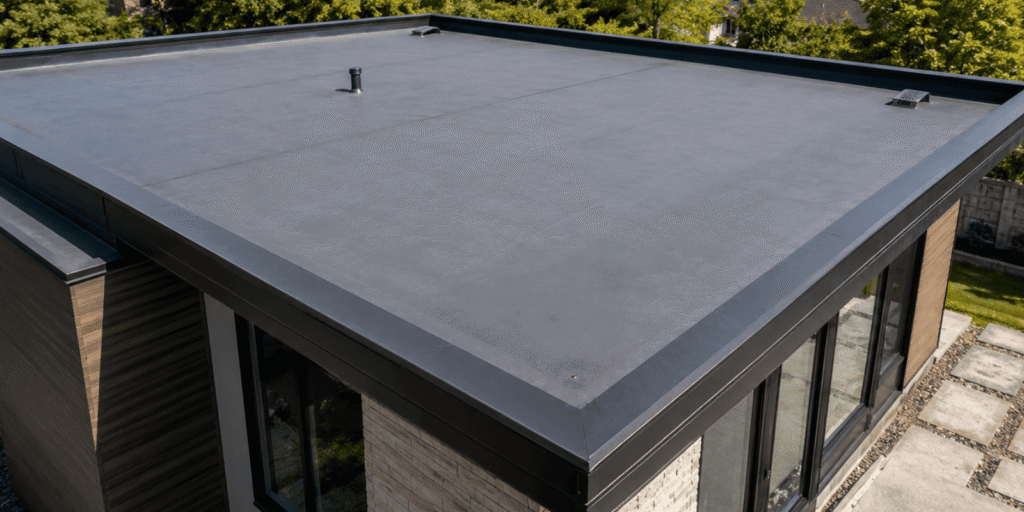
A low-slope roof is prone to ponding water, seam separation, and flashing failures because it sheds water slowly, so property owners should watch for standing water, membrane punctures, and biological growth before they cause structural damage. These issues start small but can quietly compromise an entire building.
In a climate like Boston’s, with heavy rain, snowmelt, and sharp freeze-thaw swings, a low-slope roof faces constant stress. This guide explains why these roofs behave differently, the most common problems to watch for, how they turn into leaks, and the steps that keep your building protected.
Table of Contents
Why Low-Slope Roofs Are Different
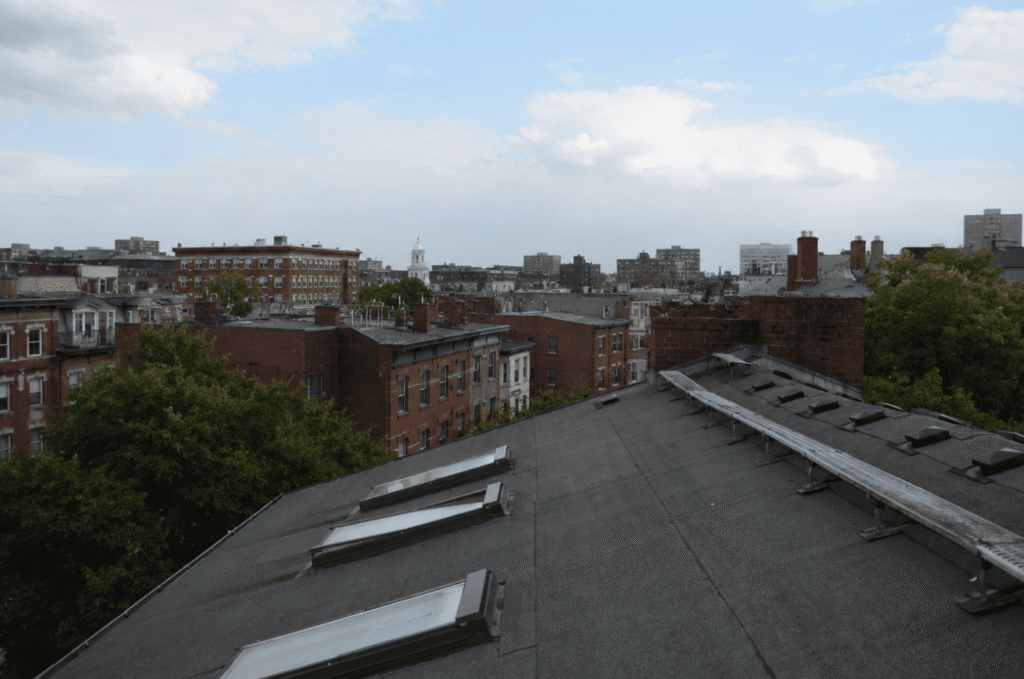
A low-slope roof does not drain the way a steep roof does. Because water lingers on the surface, the whole system depends on the membrane and drainage rather than gravity.
How Water Behaves on a Low-Slope Roof
On a steep roof, water runs off in seconds. On these roofs, water moves slowly and often sits, giving it time to find any weak point in the surface.
That lingering water is the central challenge. The longer it stays, the more chances it has to work through a seam, a seal, or a puncture, and once inside it is hard to trace back to the source.
The Role of the Membrane
The low-slope roof membrane is the single continuous layer that keeps water out. Unlike shingles, it has no overlapping pieces to shed water, so its seams and seals carry the full burden.
When the low-slope roof membrane stays intact, the roof stays dry. When it fails anywhere, water has a direct path inside, often surfacing far from where the failure actually happened.
Why Boston Buildings Are at Risk
Boston’s freeze-thaw cycles and heavy storms are especially tough on a commercial low-slope roof. Ice expands in every gap while summer heat dries out adhesives, and these commercial roofing problems build up season after season.
Older buildings face the highest risk. Years of weather slowly wear down even a well-built roof, so regular attention matters more as a building ages.
Common Structural and Material Risks
Most flat roof problems fall into a few predictable categories. Knowing these flat roof problems helps property owners catch trouble before it spreads into the structure.
Ponding Water
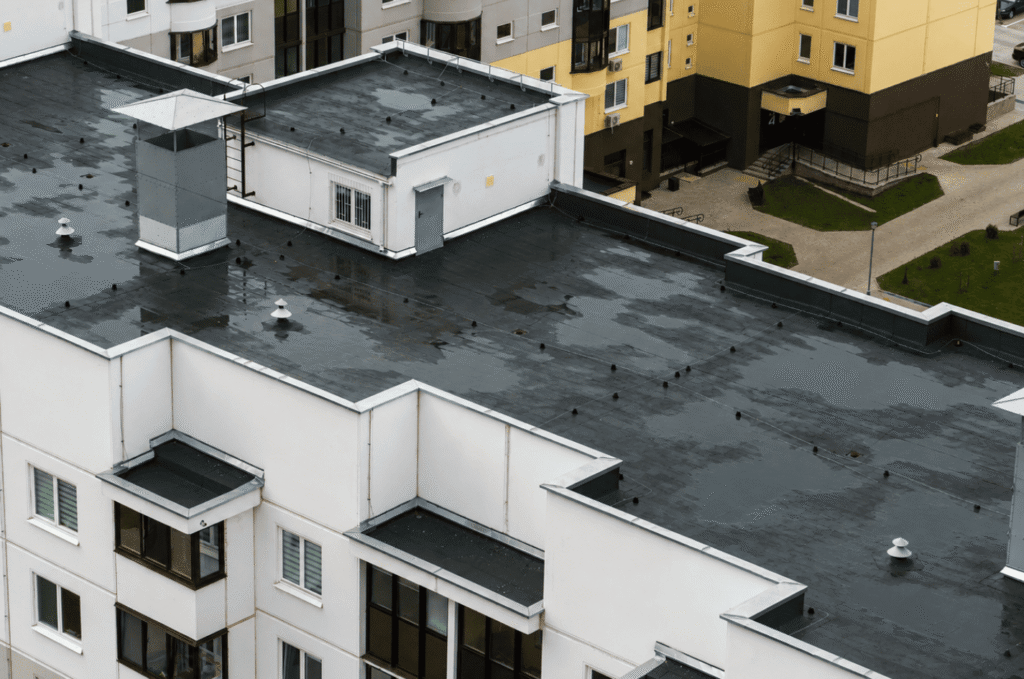
Pools of standing water weigh down the frame and accelerate surface decay. When ponding water problems linger past 48 hours, they signal a drainage or slope issue that needs attention.
Standing water is more than a nuisance. Its weight and constant moisture shorten the life of the entire roof. Ponding water on the roof is one of the clearest warning signs an owner can spot.
Seam Separation and Flashing Failures
Glued or welded seams peel apart over time from thermal shock and age, while gaps around pipes, HVAC units, and walls let water bypass the waterproof layer. Both are frequent fixes during Medford roofing team work.
These joints are the roof’s weakest lines. Once they open, water finds them fast, especially during wind-driven rain that pushes moisture sideways.
Membrane Punctures and Clogged Drains
Foot traffic, dropped tools, and wind-borne debris tear single-ply sheets, while blocked scuppers and internal drains trap water on the roof. A puncture often calls for prompt roof membrane repair before water spreads.
Small holes and clogs are easy to miss from the ground or during a quick glance. Together they are behind a large share of leaks, yet both are easy to prevent with routine care.
How These Problems Lead to Leaks
Each of these risks eventually finds a way inside. Understanding the path from surface problem to interior leak shows why early action matters so much.
From Ponding to Interior Damage
Standing water works through the membrane and into the deck below. Once the deck is wet, low-slope roof leaks spread along the structure, which is why roofers in Arlington and nearby crews treat ponding seriously.
Interior damage often appears far from the source. By the time a ceiling stains, the problem has usually spread across the deck and insulation.
From Small Gaps to Active Leaks
Most low-slope roof leaks begin here, where a separated seam or lifted flashing starts as a hairline gap. Each storm and freeze widens it until water pours through during the next heavy rain.
Small gaps rarely stay small. They grow with every weather cycle until they leak, sometimes flooding an interior during a single heavy storm.
The Cost of Waiting
Delaying repairs almost always costs more. Water damages insulation, decking, and interior finishes, turning a simple fix into a major low-slope roof repair or full replacement.
Early action protects both the roof and the budget. Prevention is far cheaper than reconstruction, and it avoids the disruption of closing a building for repairs.
Prevention and Upkeep Strategies
The good news is that most of these problems are preventable. A steady maintenance routine keeps small issues from ever reaching the structure.
Keep Drains and Scuppers Clear
Leaves and dirt should be removed from drains and scuppers on a regular schedule. Clogged drainage is one of the most common triggers behind the work that Revere roofing crew and local teams handle each season.
Clear drainage keeps water moving off the roof. It is the simplest, cheapest protection a building has, and it takes only a short visit each season.
Limit Rooftop Foot Traffic
Rooftop access should be restricted to trained service workers. Every unnecessary trip across the membrane risks a puncture from boots, tools, or dragged equipment.
Fewer footsteps mean fewer holes. Controlling access protects the single-ply surface directly and extends its service life.
Seasonal Professional Inspections
Seals, joints, and flashings should be checked after major storms and each season. A professional roof inspection catches worn seams and blocked drains before they leak.
Trained eyes spot what an owner cannot. Regular checks turn surprise emergencies into planned maintenance that fits a budget.
Repair Options and Getting Help
When problems do appear, the right repair depends on the failure. Addressing the true source is what keeps the roof watertight for the long run.
Professional Repair Options
From resealing seams to replacing flashing and clearing drains, each low-slope roof repair targets a specific weak point. Skilled Everett roofing experts trace the problem to its source and repair it properly the first time.
A surface patch rarely holds on these roofs. Fixing the actual cause is what stops leaks for good.
Why Choose CAN Roof Construction
For Boston-area buildings, CAN Roof Construction brings certified crews, honest assessments, and free inspections to every low-slope roof concern. The team handles ponding, seams, flashing, and drainage on any commercial low-slope roof the right way, so problems stop at the source.
Schedule a Low-Slope Roof Inspection
Do not wait for a stained ceiling to reveal a hidden problem. If your building needs a reliable checkup, contact our team for a free inspection and a clear plan to keep your roof and property protected.