
Roof Vent Leaks: Common Causes, Signs, and Repair Options

Roof vent leaks happen when the seal, boot, or flashing around a roof vent breaks down and lets rainwater slip into your attic and ceilings. These leaks often start small and stay hidden, which is exactly why they cause so much damage before anyone notices them.
In a climate like Boston’s, where roofs face heavy snow, ice, and summer storms, roof vent leaks are one of the most common sources of interior water damage. This guide covers what causes them, the warning signs, and the repair options that keep your home dry.
Table of Contents
What Causes Roof Vent Leaks?
Most roof vent leaks come down to a handful of predictable failures. Knowing the common roof vent leak causes helps you catch problems early and pick the right fix. Below are the issues our crews run into most often on local roofs.
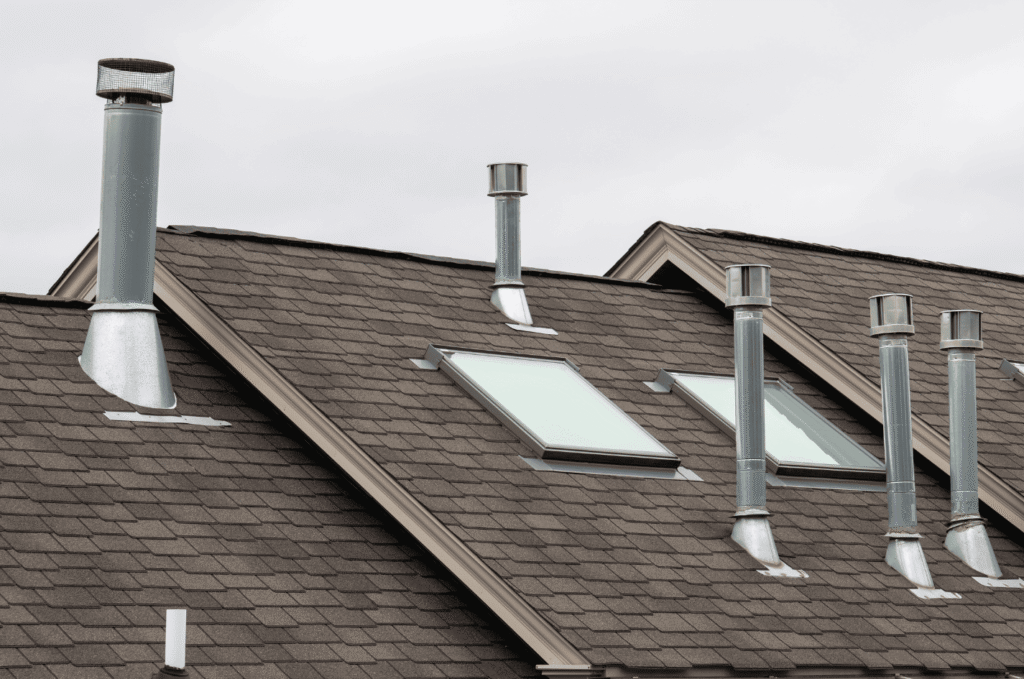
Cracked or Worn Vent Boots
The rubber boot that seals around a vent pipe is usually the first part to fail. Sun, heat, and freezing temperatures dry the rubber out until it cracks, and water follows the pipe straight into your home.
A split boot is one of the most common problems handled during roof repair in Somerville and across the wider Boston area. Catching it early keeps the fix small and cheap.
Damaged Roof Vent Flashing
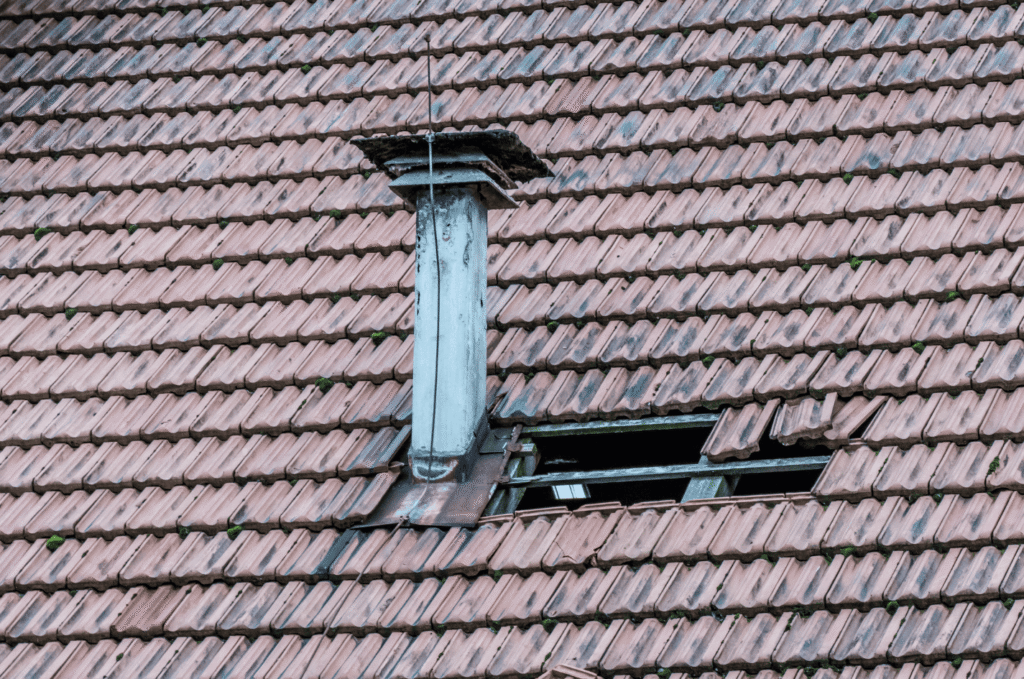
Flashing is the metal collar that seals the base of a vent to the roof deck. When it lifts, rusts, or pulls away, you get a classic roof vent flashing leak that channels water under the shingles.
Storms, ice, and a shifting roofline all loosen flashing over time, and even a hairline gap can let in a surprising amount of water.
Poor Installation or Failed Sealant
Sometimes the leak was built in from day one. Vents set with too few fasteners, the wrong sealant, or sloppy flashing details will leak no matter how new the roof looks.
Cheap caulk is another weak point, since it dries out and shrinks within a few seasons. Quality installation with the right materials is what keeps these joints watertight for the long run.
Why Is My Roof Vent Leaking?
If you are asking why is my roof vent leaking, the answer usually ties back to weather, age, or moisture that only looks like a leak. Sorting out which one you have points you toward the correct repair instead of a guess.
Boston Weather and Freeze-Thaw Cycles
New England weather is hard on roof vents. Snow melts, refreezes, and forms ice dams that push water up under flashing and boots where it does not belong.
A leaking roof vent in Boston very often shows up right after a deep winter freeze, which is when many homeowners call for fast roof repair in Boston. Repeated freeze-thaw cycles slowly widen every crack until water finds a path.
Age and General Wear
Every roofing component has a lifespan, and vent seals tend to age faster than the shingles around them. After ten to fifteen years, rubber hardens, metal corrodes, and old sealant gives out.
If your roof vent leaking started around that age, worn materials are the likely culprit. Regular checks catch this kind of wear before it turns into interior damage.
Condensation That Mimics a Leak
Not every wet spot is a true leak. Warm, humid air trapped in a poorly ventilated attic condenses on cold surfaces and drips down like rainwater.
This is common in homes with hot attic problems and weak airflow. In these cases, fixing the ventilation rather than the vent itself is the real solution.
Signs of a Leaking Roof Vent
The signs of a leaking roof vent usually show up inside your home long before you spot damage up on the roof. Catching them early keeps a cheap repair from turning into a major one.
Ceiling Stains and Water Marks
Brown or yellow rings on a ceiling near a vent are a strong clue. The stain often sits a little away from the actual leak because water travels along rafters before it drips.
A roof inspection in Cambridge can trace that mark back to its true source before it spreads to drywall and paint.
Attic Moisture and Mold
Your attic tells the truth before your ceiling does. Damp insulation, wet framing, and musty patches around a vent point to a slow, ongoing leak.
Left alone, that moisture feeds attic mold causes that spread through the roof structure. A quick attic check after heavy rain is well worth the effort.
Musty Smells and Rising Energy Bills
A leaking vent quietly chips away at both comfort and cost. Trapped moisture creates a stale, musty odor, while wet insulation loses its ability to hold heat.
If your bills climb and rooms feel drafty, a professional roof inspection can confirm whether a vent leak is to blame.
Roof Vent Leak Repair Options
The right roof vent leak repair depends on which part has failed. In most cases the fix is straightforward when it is done by an experienced crew using the correct materials.
Roof Vent Boot Repair or Replacement
When the rubber boot is the problem, roof vent boot repair or a full boot swap is usually all it takes. A new boot seals tightly around the pipe and restores protection for years.
This is a routine part of professional roof repair and rarely takes long. Matching the boot to your exact pipe size matters for a lasting, watertight seal.
Repairing Roof Vent Flashing
A roof vent flashing leak calls for resealing or replacing the metal collar and the shingles around it. Loose flashing gets refastened, corroded flashing gets swapped, and the seams get sealed the right way.
Skilled roof repair in Newton and surrounding neighborhoods restores a solid, watertight barrier that blends in and holds up for years.
When to Call a Roofing Professional
Roof work is easy to get wrong and dangerous to attempt without training. Steep pitches, hidden rot, and layered flashing all call for a trained eye.
If the leak keeps returning, spreads to more than one vent, or has already reached your attic, it is time for expert help. A pro finds the root cause instead of patching the symptom.

Preventing Roof Vent Leaks and Getting Expert Help
A little prevention keeps roof vent leaks from coming back. Steady maintenance and proper airflow protect both your roof and everything living under it.
Maintenance and Attic Ventilation
Seasonal inspections catch worn boots and lifting flashing before water ever gets inside. Balanced airflow matters just as much, since ongoing roof ventilation problems sit behind many moisture issues that get blamed on the vents themselves.
Clearing debris, checking seals, and keeping vents open all help your roof breathe. A dry, well-vented attic is far less likely to spring a leak.
Why Choose CAN Roof Construction
For Boston-area homeowners, CAN Roof Construction brings certified crews, honest assessments, and free inspections to every roof vent leak. The team repairs boots, flashing, and ventilation the right way, so the problem does not return season after season.
Schedule Your Roof Vent Leak Repair
Do not wait for a small drip to grow into ceiling stains and mold damage. If you notice any warning sign, contact our team for a free inspection and a clear, no-pressure repair plan that keeps your home dry and protected.