
Attic Mold Roofing Causes Boston Homeowners May Miss in 2026
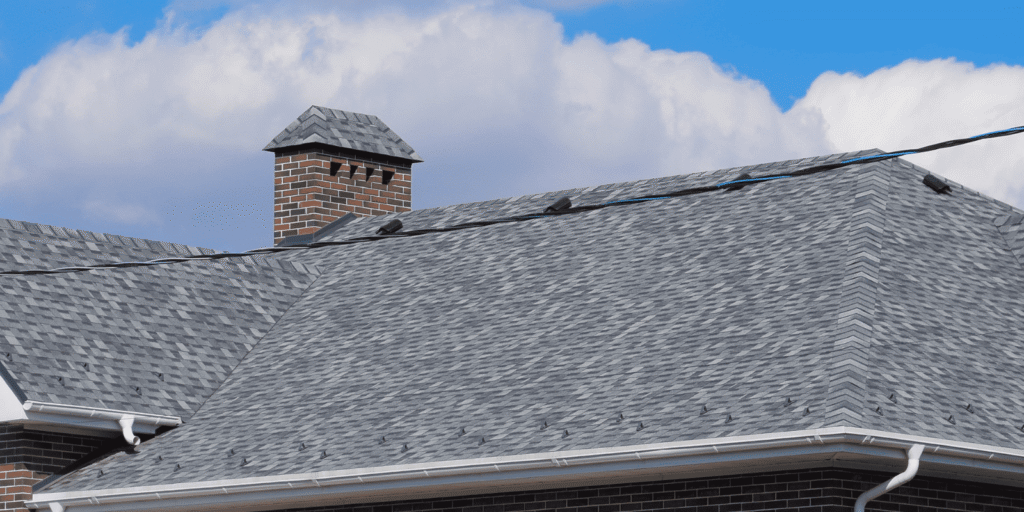
Attic mold often starts when hidden roofing problems let moisture collect inside the attic. In Boston homes, it can grow near roof decking, insulation, vents, or flashing before homeowners notice stains, odors, or visible roof damage.
Attic mold is not always caused by one major leak. Many cases come from several smaller attic mold roofing causes working together over time. A roof may look normal from outside, but small leaks, blocked airflow, and trapped moisture can still create the right conditions for mold inside the attic.
Table of Contents

Why Attic Mold Causes in Boston Are Easy to Miss
Attic mold causes in Boston are often hidden because the attic is not checked as often as the living space. Moisture can collect slowly, and attic mold may spread before any visible ceiling stains appear.
Boston homes also deal with older roof structures, strong weather, and seasonal moisture. These conditions can make attic mold more likely when roofing details are damaged, poorly sealed, or not inspected early.
Older Roof Structures Can Hide Attic Mold
Many older Boston homes have attic spaces that were not designed for today’s insulation, ventilation, and moisture control needs. When warm indoor air enters the attic and stays there, attic mold can begin forming on wood surfaces.
This is one reason attic mold roofing causes can be missed during a basic exterior check. Homeowners who want to understand the moisture side of the issue can review this guide on roof ventilation problems before planning a closer roof review.
Boston Weather Can Increase Attic Mold Risk
Boston weather can make small roofing issues worse. Wind-driven rain, temperature swings, and damp seasonal air can expose weak shingles, loose flashing, and roof openings that allow moisture into the attic.
When these problems are not found early, attic mold may grow near damp wood, wet insulation, or hidden roof gaps. This is why roof damage Boston homeowners overlook can become an attic mold problem later.
Attic Mold Roofing Causes Hidden in the Roof System
Attic mold roofing causes are often connected to roof areas homeowners cannot see from the ground. Shingles, flashing, vents, valleys, pipe boots, and roof edges can all allow moisture into the attic when they fail.
These problems may stay small at first, but attic mold can grow when moisture keeps returning. The roof surface and attic space should be checked together to find the real attic mold source.
Roof Leaks That Cause Attic Mold
Roof leaks that cause attic mold are not always large or obvious. A small opening around a vent, chimney, skylight, pipe boot, or damaged shingle can let enough water into the attic to support attic mold growth.
If moisture reaches the roof deck and stays there, attic mold may develop before ceiling stains appear. Homes with repeated leak concerns may need East Boston roof repair to stop moisture at the roof source.
Weak Flashing Around Roof Details
Weak flashing is one of the attic mold roofing causes homeowners often miss. Flashing protects chimneys, sidewalls, vents, valleys, and skylight edges, but when it cracks, rusts, lifts, or separates, moisture can enter behind roofing materials.
Once water reaches hidden attic areas, attic mold may grow along sheathing, rafters, or insulation. This type of roof damage Boston homeowners miss is common because flashing problems are not always visible from the ground.

Poor Attic Ventilation and Mold Growth
Poor attic ventilation can help attic mold grow by allowing damp air to remain inside the attic. When moisture has no clear way to leave, mold may appear on roof decking, rafters, and insulation.
This is one of the most common attic mold roofing causes in homes where vents are blocked, missing, or poorly balanced. For more detail, this guide on poor attic ventilation explains how trapped attic air can affect the roof system.
Blocked Soffits and Hidden Moisture
Blocked soffits can also contribute to attic mold. Soffit vents bring fresh air into the attic, and if insulation, storage items, dust, or poor installation blocks them, moisture can stay trapped.
When airflow is limited, attic mold risk increases because damp air remains close to roof materials. In nearby homes with leak and moisture concerns, Cambridge roof repair may help correct related roofing issues before attic mold spreads.
Roof Inspection Boston Homeowners Need for Attic Mold
A roof inspection Boston homeowners schedule early can help find attic mold roofing causes before they become larger roof problems. The goal is not only to confirm mold inside the attic, but also to understand why moisture entered or stayed there.
A careful inspection should review shingles, flashing, vents, roof openings, attic stains, insulation, and moisture patterns. This helps separate roof leaks from ventilation-related causes.
Checking Roof Decking and Stains
Roof decking may show dark stains, soft spots, streaks, or discoloration when moisture has been present. These signs can point to attic mold activity or earlier water exposure.
If mold is already visible, the roof deck should be checked carefully. A detailed roof inspection Boston service can help connect stain patterns with possible exterior roof problems.
Reviewing Condensation and Mold Patterns
Attic condensation can look like a roof leak, but the cause may be warm indoor air, blocked vents, or poor moisture control. Because attic mold can grow from condensation, homeowners should not guess based on appearance alone.
The upcoming guide on attic condensation will explain when attic moisture may be tied to condensation and when it may suggest a roof leak.
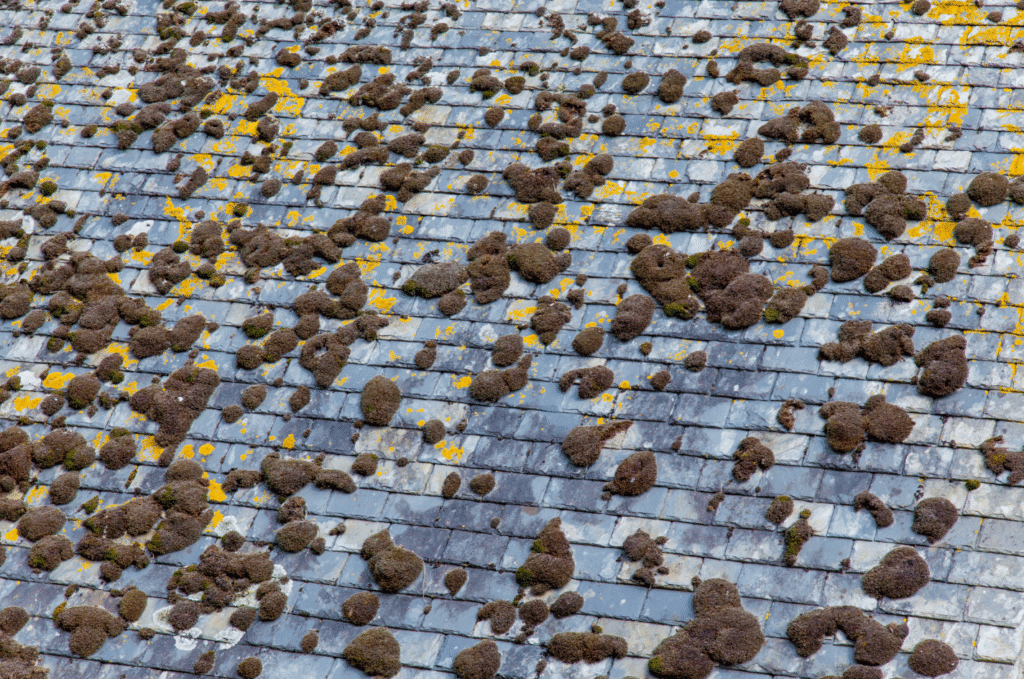
How to Reduce Attic Mold Risk in 2026
Reducing attic mold risk starts with finding and fixing attic mold roofing causes. Homeowners should look beyond visible mold and focus on the roofing or moisture issue that allowed the problem to grow.
In 2026, prevention should include roof maintenance, attic checks, leak detection, and ventilation review. These steps help protect the attic before hidden moisture causes more serious roof damage.
Seal Roof Openings That Let Moisture In
Roof openings need secure flashing, tight seals, and properly fitted surrounding materials. Pipe boots, vents, chimneys, and skylight edges should be checked because small gaps can lead to attic mold over time.
When these details are ignored, roof leaks that cause attic mold may continue even after cleanup. Local homeowners with leak-prone roof areas may need Chestnut Hill roof repair to prevent moisture from returning.
Compare Exterior Damage With Interior Signs
Moisture concerns should be checked from both sides of the roof system. Exterior shingle wear, flashing gaps, roof stains, and soft decking can help explain why mold appeared inside.
When interior signs match exterior damage, repairs should happen before the attic mold issue spreads. Homeowners in nearby areas can use Brookline Village roof repair when roof damage is connected to attic moisture.
Keep Moisture From Returning
Attic mold can return when the moisture source is not fixed. Soffit vents should stay open, roof openings should be sealed, and exhaust fans should send moisture outside instead of into the attic.
Homeowners can learn more about roofing support from CAN Roof Construction before attic mold leads to wider roof damage. Fixing the roofing cause is the best way to reduce repeat mold concerns.
Fix the Cause Before Cleanup
Cleaning attic mold without fixing the cause can allow the problem to come back. The roof system should be checked for leaks, damaged shingles, weak flashing, blocked vents, and poor attic ventilation before the attic is considered protected.
CAN Roof Construction helps Boston homeowners review attic mold concerns, attic mold roofing causes, and roof damage Boston properties often hide. If attic mold signs are starting to appear, you can contact our team for a careful roof inspection and clear next steps.