
Why Is My Attic So Hot? Summer Causes and Fixes in Boston
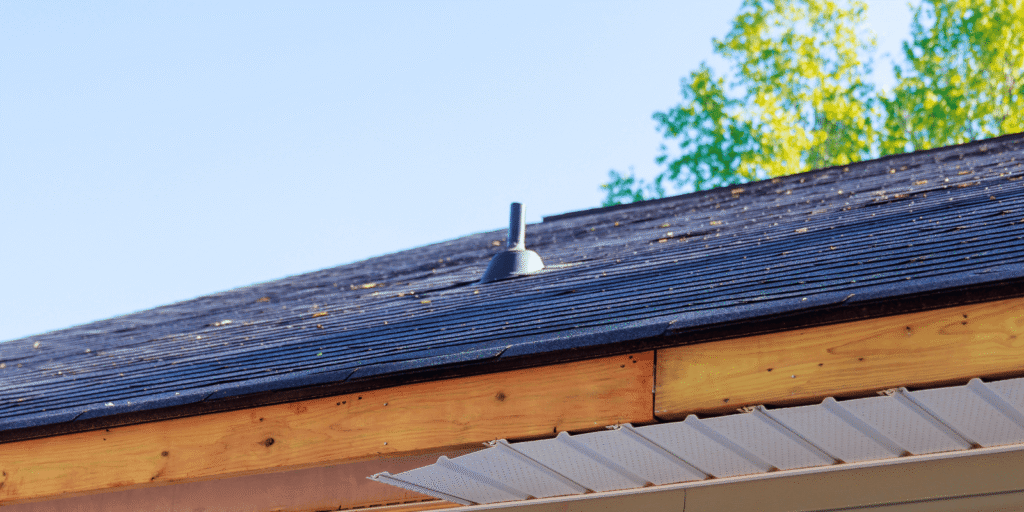
Why is my attic so hot? In most Boston homes the answer is trapped heat: the roof absorbs summer sun, that heat moves down into the attic, and weak airflow keeps it from escaping. Insulation gaps and air leaks then push that heat into the rooms below.
An attic is never going to feel like a living room, and a hot attic in summer is normal to a point. The problem starts when the heat has nowhere to go, because that same trapped air shortens roof life, raises cooling costs, and creates moisture conditions that surface later as staining or decay.
Table of Contents
Why Is My Attic So Hot During Summer Afternoons?
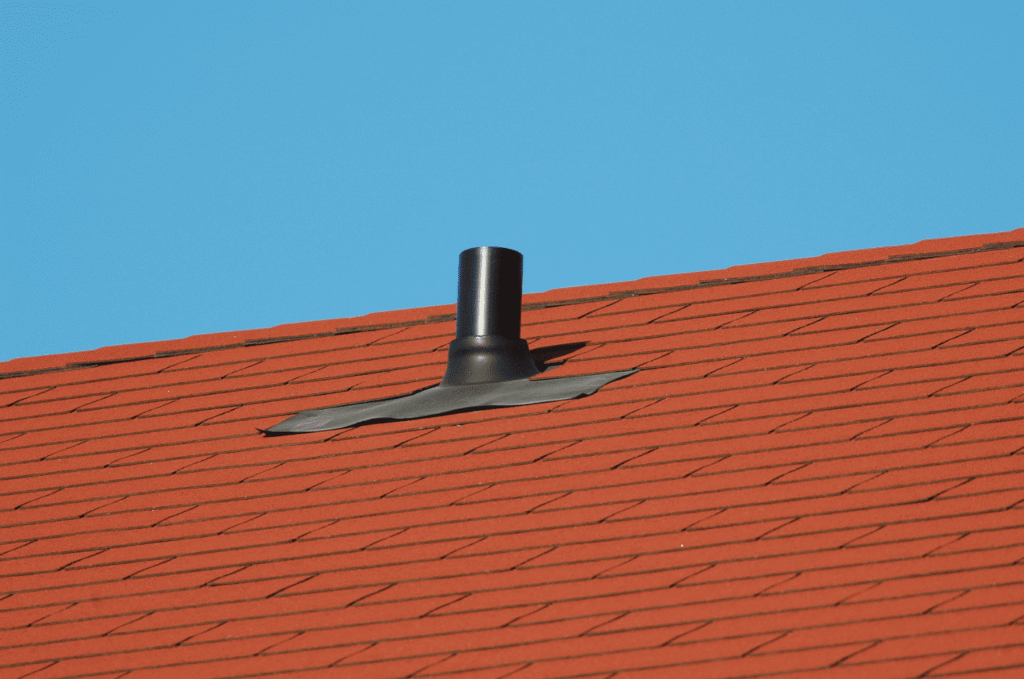
Attic heat almost always starts at the roof surface. Dark shingles and low-slope sections absorb solar energy all day, and that energy transfers straight through the roof deck. What happens next depends entirely on whether the attic can breathe.
Roof Heat Builds Under the Deck
Shingles on a sunny July afternoon can reach 150–170°F. That heat radiates downward into the attic cavity within a few hours, and without a clear exit path it accumulates until well after sunset.
Aging roof surfaces hold that heat longer than newer materials, which is why homeowners scheduling roof repair in Cambridge often report attic heat and worn shingles in the same season.
Normal Attic Temperature in Summer
A properly vented attic should run only 10–20°F above the outdoor temperature. On a 90°F Boston day, that puts your attic somewhere around 110°F, not higher.
Poorly ventilated attics routinely reach 150–160°F under identical conditions. If you can only stand a few seconds up there on a warm afternoon, you are almost certainly in that range, and the system is not doing its job.
Older Boston Homes Trap More Heat
Much of Greater Boston is built from triple-deckers, Victorians, and homes with finished attic conversions. These structures predate balanced ventilation standards, and many still run on their original soffit and gable arrangements.
Knee walls, dormers, and added bathrooms interrupt airflow in these houses, and coastal exposure adds moisture to the mix. Homes needing East Boston roof repair show this combination often, with heat pooling in sections the vents never reach.
Signs of Poor Attic Ventilation You Can Actually Check
You do not need a thermometer to spot the problem. Signs of poor attic ventilation show up in how the house feels and in what the attic surfaces look like.
Heat You Feel Downstairs
Second-floor bedrooms that sit 5–8 degrees warmer than the first floor are a classic indicator. Cooling systems running late into the evening point the same direction, since the ceiling keeps radiating stored heat long after the sun goes down.
A professional roof inspection separates ventilation failure from insulation failure, which matters because the two problems call for completely different corrections.
Moisture Signs That Travel With Heat
Rusty nail tips, dark streaking on the underside of the roof deck, damp or matted insulation, and a musty smell all indicate that air is sitting still. Humid air condenses on cooler surfaces overnight.
These conditions build slowly and are easy to miss until damage appears. Our guide on attic condensation causes explains how one airflow failure produces both summer heat and winter moisture.
Attic Ventilation Boston Homes Need for Summer Heat
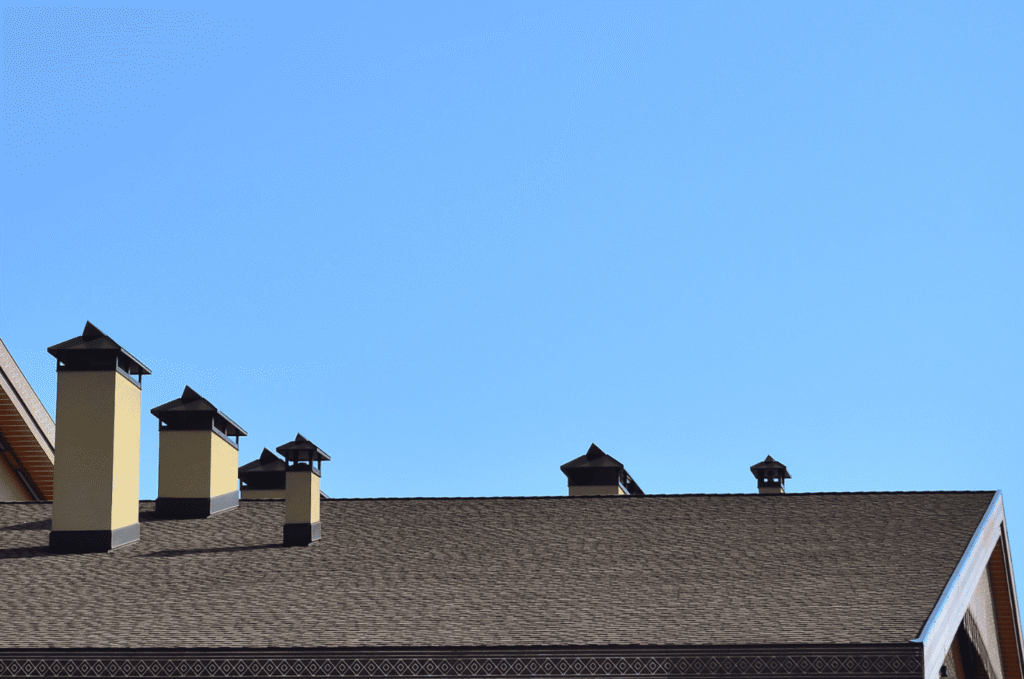
Attic ventilation Boston homes rely on works as a loop, not as a collection of separate vents. Cool air must enter low and hot air must exit high, continuously and in roughly equal volume.
Intake and Exhaust Must Be Balanced
The standard target is a 50/50 split between intake and exhaust, sized to about 1 square foot of net free vent area per 300 square feet of attic floor. Exhaust without matching intake accomplishes very little.
This imbalance is the most common ventilation error found in older homes. The full roof ventilation problems guide breaks down how intake, exhaust, and roof design work together across different house types.
Blocked Soffit Vents Are the Usual Culprit
When insulation was blown in, it very often buried the soffit vents at the eaves. The vents remain visible from the street, but no air passes through them.
This is why a home can have a ridge vent, gable vents, and full soffit venting and still run at 150°F. The intake side is effectively sealed shut.
Roof Shape Divides the Airflow
Additions, dormers, and hip sections create separate attic compartments, and each one needs its own intake and exhaust. Venting the main section does nothing for a sealed-off wing.
Layouts like these are common among properties booking a roof inspection in Brookline, where one attic section vents well and another has almost no airflow.
Attic Insulation Problems That Make the Heat Worse
Ventilation moves heat out; insulation keeps it from moving down. When insulation underperforms, roof ventilation in summer cannot compensate on its own.
Thin, Compressed, or Displaced Insulation
Current Massachusetts energy code calls for roughly R-49 in attic spaces, which works out to about 16 inches of blown cellulose. Many older Boston attics still carry R-19 or less, and years of stored boxes and foot traffic compress it further.
If you can see the tops of the ceiling joists, the depth is short. Because insulation and roof condition fail together, a Newton roof repair visit typically includes checking both at the same time.
Air Leaks Around Ceiling Penetrations
Recessed lights, the attic hatch, bath fan housings, and plumbing chases let conditioned indoor air escape upward. In summer, that adds humidity to an already hot space.
That heat and moisture combination is what eventually leads to growth on the sheathing. The attic mold guide covers how these conditions overlap with roofing problems.
How to Fix a Hot Attic and Ongoing Attic Heat Problems
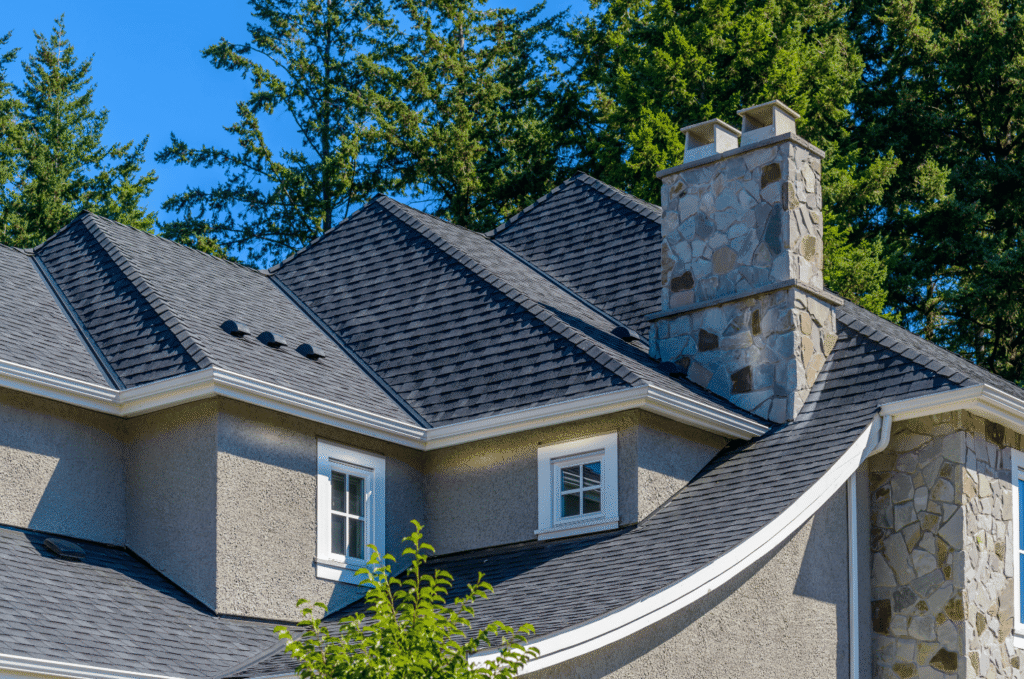
Fixing attic heat problems means correcting the airflow loop first, then the thermal barrier. Adding a powered fan to an attic with blocked intake usually makes the situation worse rather than better.
Corrections That Actually Lower Attic Temperature
Start with the intake side: clear any buried soffit vents and install baffles at each rafter bay so insulation stays back from the eaves. Then confirm that exhaust capacity matches the intake you just restored.
Once air is moving, seal the ceiling penetrations and bring insulation up to depth. Where roof decking already shows heat or moisture damage, roof repair services belong in the same scope of work rather than a later visit.
Why Local Roofing Experience Matters
Coastal humidity, freeze-thaw cycling, and a housing stock built across two centuries mean Boston attics do not respond well to generic solutions. The same ventilation defect that overheats an attic in July drives ice dams in January.
That is why attic heat should be reviewed alongside the roof itself rather than treated as a separate issue. CAN Roof Construction evaluates ventilation, insulation, and roof condition as one connected system across Greater Boston.
Get Your Attic and Roof Checked
If you keep asking why is my attic so hot, the answer is measurable and the fix is usually straightforward once the cause is identified. One inspection tells you whether you are dealing with airflow, insulation, or roof damage.
When you are ready to find out, contact us to schedule an attic and roof inspection.