
Does Roof Pitch Determine Which Roofing Material Works Best in Boston?
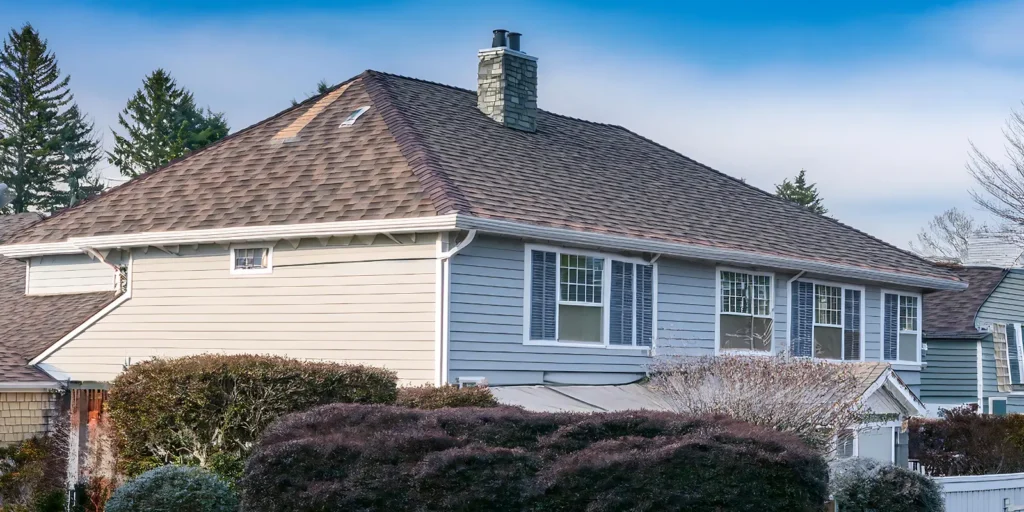
Yes, roof pitch is the single biggest factor in choosing a roofing material. Steep roofs shed water by gravity, so they suit asphalt shingles, slate, and tile. Low-slope roofs drain slowly and need a continuous waterproof barrier like an EPDM rubber membrane.
If you’re choosing a new roof, you might assume the material is all about looks or budget. But there’s a more fundamental factor at work, one written into building code: your roof’s pitch. Here’s the direct answer to the title’s question: yes, roof pitch is the primary factor that determines which roofing material works best. It’s considered the number one consideration in roof design, ahead of style or cost.
Table of Contents
What Is Roof Pitch, and Why Does It Matter So Much?
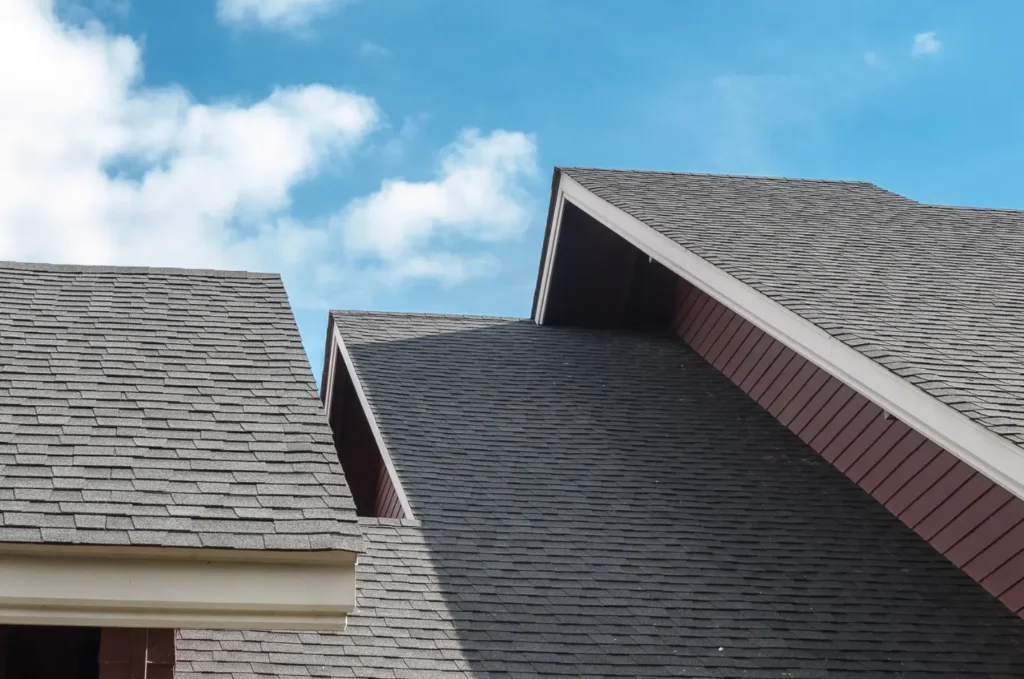
Roof pitch is a measure of how steep your roof is, expressed as the inches it rises for every 12 inches it runs horizontally. A 6:12 pitch, for example, rises 6 inches over a 12-inch span. It matters so much because pitch controls how fast water drains, and drainage speed decides which roofing materials can keep your home dry.
The steeper the roof, the faster gravity pulls water and snow off the surface, and the more forgiving it is about materials. The flatter the roof, the slower it drains and the more it depends on a flawless waterproof barrier, since even small amounts of standing water become a threat. That single relationship, slope versus drainage, is the reason pitch sits at the heart of every material decision. It’s also why measuring pitch is best left to a professional roofing contractor with the right tools, rather than risking a climb yourself.
Reading Your Roof by the Numbers
Your roof’s pitch falls into one of a few bands, and each band unlocks a different set of roofing materials. Match your slope to the right group below, and the options become clear. Here’s the breakdown by the numbers.
Below 2:12, Very Low Slope: Membranes Only
Very low-slope roofs under 2:12 need a seamless membrane, because shingles simply can’t keep them watertight. On these near-flat surfaces, water drains too slowly for overlapping materials, so the roof relies on a continuous barrier instead. An EPDM roof is a top choice here, a durable synthetic rubber membrane that provides excellent waterproofing, along with other single-ply systems and modified bitumen. Porches, garages, and flat additions on Boston homes usually fall in this range.
2:12 to 4:12, Low Slope: The Transition Zone
Low-slope roofs between 2:12 and 4:12 sit in a transition zone where extra care is required. The critical rule is the 3:12 line: this is the code cutoff, and any asphalt shingle roof installed below it is considered a low-slope application that voids the manufacturer warranty unless special double underlayment and ice-and-water shield are used. Because Boston roofs face heavy snow and ice, this range often calls for membrane roofing or shingles with full waterproof underlayment underneath.
4:12 to 8:12, Standard Slope: Most Options Open
Standard-slope roofs from 4:12 to 8:12 are the sweet spot where most materials work well. This is where the majority of Boston roof repair land, and it’s ideal territory for asphalt shingles, the most popular, affordable, and versatile choice. Water sheds quickly and reliably, so shingles perform as designed, and the roof stays low-maintenance. Slate and tile are also options here for homeowners wanting a premium look, provided the structure can carry the weight.
Above 8:12, Steep Slope: Premium Materials Shine
Steep roofs above 8:12 drain beautifully and open the door to premium materials, though they cost more to install. A slate tile roof truly shines on a steep slope, showing off its beauty while shedding water and snow effortlessly, and these roofs can last a century. The trade-off is labor: steep roofs require harnesses and careful work, so a 12:12 roof can cost significantly more to install than a gentler one of the same size. But for the right home, the durability and curb appeal are unmatched.
What If Your Roof Has More Than One Pitch?
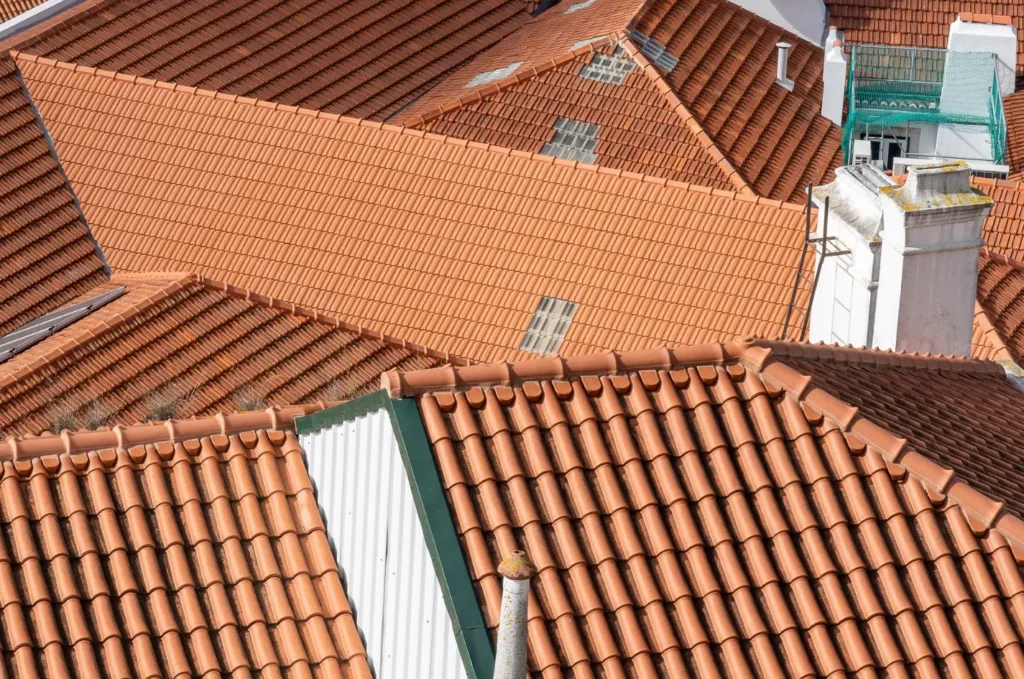
If your roof has multiple pitches, the right approach is to use different materials on different sections. Many Bellingham, MA roofs combine a steep with a low-slope porch, dormer, or addition, and each section needs the material suited to its slope. Forcing one material across mismatched pitches is a recipe for leaks on the flatter parts.
A skilled roofer plans these transitions deliberately: architectural asphalt shingles on the steep main roof, for instance, and a rubber membrane on the low porch below. Done well, the mix looks intentional and performs flawlessly, with each surface protected by the right system. This is exactly the kind of judgment that separates experienced roofing contractors Boston homeowners can trust from a crew that installs one material everywhere and hopes for the best.
How Does Boston’s Climate Factor In?
Boston’s climate makes pitch matter even more, because snow, ice, and freeze-thaw punish poor drainage. On low-slope sections especially, slow drainage plus heavy snow raises the risk of ice dams and pooling, so a flawless membrane and proper underlayment become essential. Pitch and climate work together to shape the right choice here.
Steep Brookline roofs shed snow quickly, reducing ice dam risk, but that shedding snow needs somewhere safe to land. Low-slope roofs hold snow longer, demanding tougher waterproofing beneath. With roughly 100 freeze-thaw cycles a year, any water that lingers on a poorly matched roof will find its way in. That’s why matching material to pitch isn’t just a code formality in Boston, it’s what keeps the roof watertight through a real New England winter.
How CAN Roof Construction Matches Material to Your Roof
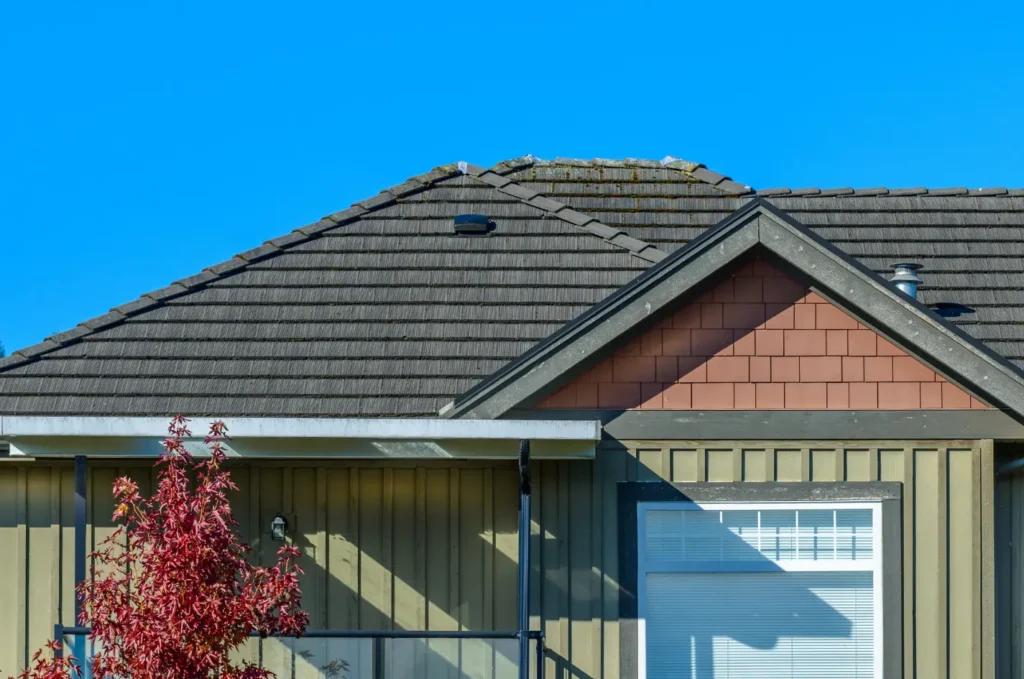
At CAN Roof Construction, we start every project by reading your roof’s pitch, then recommend the material that actually fits it, section by section. As trusted roofers in Boston, we make sure the right system goes on the right slope, so your roof performs for decades. Honest work, done right.
Let the Slope Guide the Material
So does roof pitch determine which roofing material works best? Absolutely. Your roof’s slope decides how fast it drains, and that drainage decides which materials can keep you dry. Steep roofs welcome shingles, slate, and tile; low slopes demand seamless membranes like EPDM rubber; and the 3:12 line is where the rules switch.
For Boston homes, especially those mixing steep and low sections, the smartest move is to let a professional read your pitch and match the material to each part of the roof. Get that right, and you get a roof that lasts, whatever the winter throws at it.
Schedule your free inspection today and match your roof to the right material with confidence.
2 thoughts on “Does Roof Pitch Determine Which Roofing Material Works Best in Boston?”
Comments are closed.