
5 Questions Help Contractors Choose the Right Roofing Material
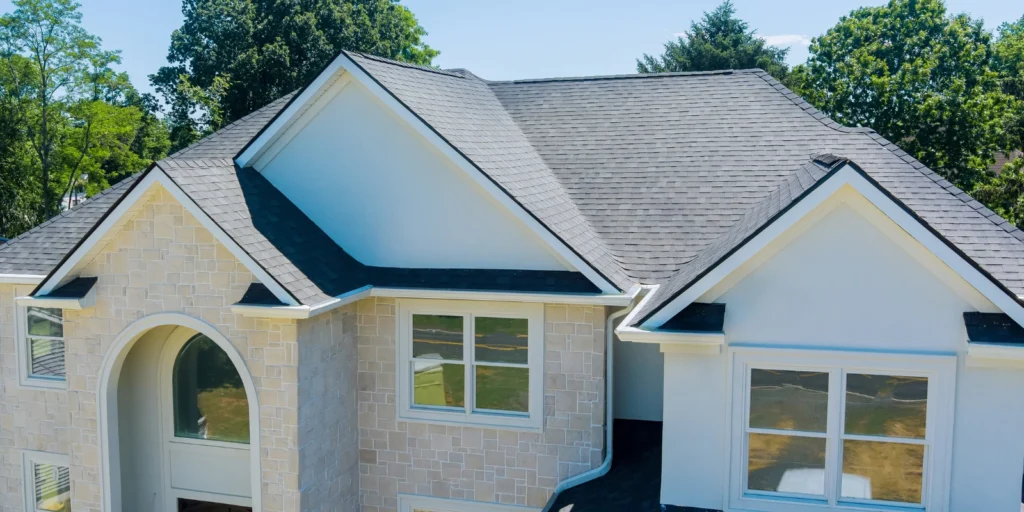
Roofing contractors don’t just pick a material off a shelf, they match it to your home. When a good roofing contractor looks at your home, they’re not seeing a blank canvas for whatever material they happen to sell. They’re reading the house, the slope of the roof, the way the wind hits it, the style of the neighborhood, and running it all against your budget and how long you plan to stay. Choosing a roofing material is less like picking a paint color and more like a doctor matching a treatment to a patient.
It comes down to five key questions that experienced roofing contractors work through before recommending anything. Understanding them helps you follow your contractor’s logic, ask better questions, and feel confident in the final call. Here’s how the decision really gets made, on a Quincy home or anywhere else.
Table of Contents
The Five Questions Behind Every Material Choice
Every sound roofing recommendation comes from answering five questions in order, because each one narrows the field. Skilled contractors weigh them together rather than fixating on any single factor, since the best material is the one that satisfies all five at once. Let’s walk through them.
What’s the Climate?
Climate leads the decision, because the material has to survive the local weather first and foremost. A good contractor looks at how much rain, snow, wind, heat, and freeze-thaw stress the roof will face, then rules out anything that can’t handle it.
What’s the Roof’s Slope and Structure?
The roof’s shape and strength decide what’s even possible, before preference enters the picture. Slope matters enormously: a steep, pitched roof sheds water and suits shingles or slate, while a flat or low-slope roof needs a membrane like a rubber roof to stay watertight. Structure matters too, since heavy materials like slate roofing require a frame strong enough to carry the weight. A contractor checks whether your home can physically support a material before recommending it.
What’s the Budget, Now and Later?
Budget is about total cost over time, not just the price on installation day. A skilled contractor weighs the upfront cost against lifespan and maintenance, because the cheapest option now can be the most expensive over decades. Asphalt shingles cost the least to install, while slate costs far more upfront but can last a century. The right answer balances what you can spend today with the value you get for years to come.
What Look Fits the Home?
Appearance matters because the roof is one of the largest visible parts of your home. A good contractor considers the home’s architectural style and the surrounding neighborhood, since a material that performs well but looks out of place isn’t the best overall fit. Slate suits historic and stately homes, architectural shingles complement most styles, and the right color can even influence how much heat the roof absorbs. The look should serve both the house and its resale value.
How Long Will You Stay?
Your timeline shapes the smart investment, so contractors ask how long you plan to own the home. If you’re staying for decades, a premium, long-lived material pays off over time. If you’re likely to sell in a few years, a cost-effective option that still boosts curb appeal may make more sense. There’s no universally right answer, only the one that fits your plans.
Matching the Answers to the Material
Once those five questions are answered, the field usually narrows to one or two clear options. Each common roofing material has a sweet spot where it outperforms the rest, and a good contractor matches your answers to that strength. Here’s where each typically fits.
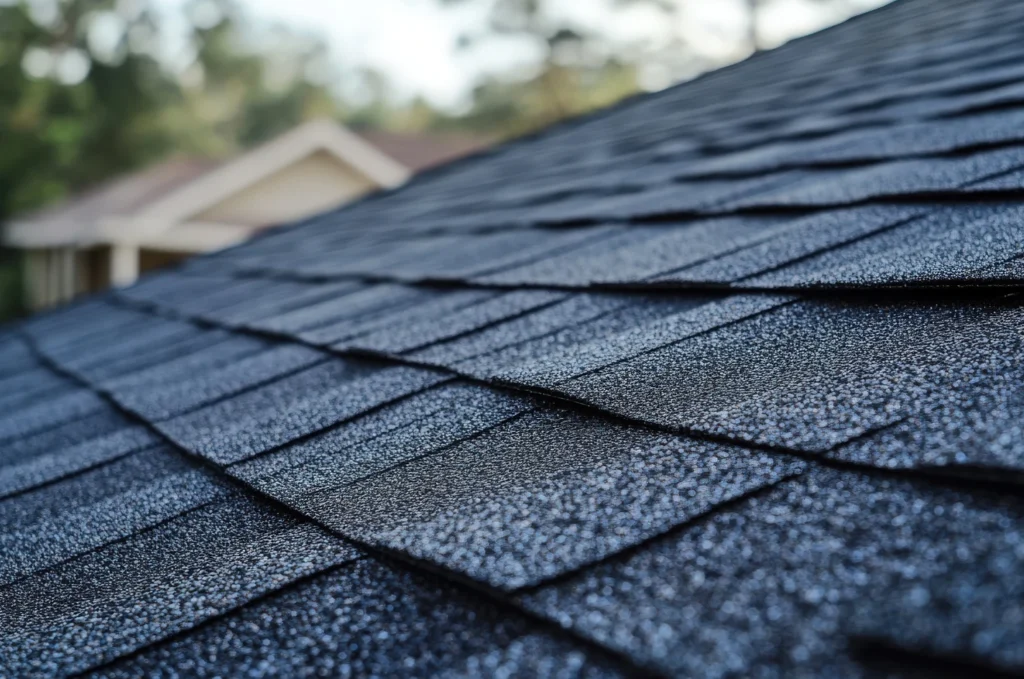
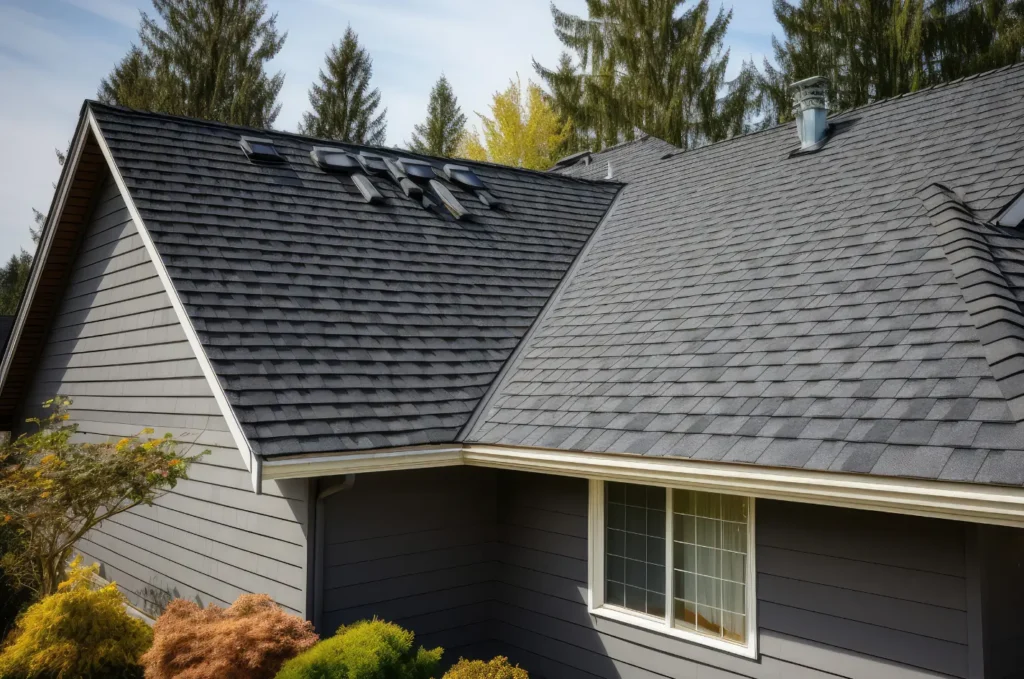
- Asphalt shingle roof: The most popular choice for affordability and versatility, ideal for most pitched homes on a moderate budget
- Slate roof: A premium, elegant, century-lasting option for historic homes with the structure and budget to support it
- Rubber roof and EPDM roof: The go-to membrane for flat or low-slope roofs, prized for watertight, low-maintenance performance
- The full system: Whatever the surface, it’s paired with the right underlayment, flashing, and ventilation to work as one
Why the Material Is Only Part of the Decision
The material is only part of the decision because a roof is a complete system, not just its top layer. Even the best roofing material fails if the underlayment, flashing, ventilation, and fasteners aren’t right for it. Experienced contractors select the surface and the supporting components together, so the whole system works as one against water, wind, and heat.
This is why two roofs with the same shingles can perform completely differently. The underlayment choice depends on the slope, local weather, and the covering above it; the flashing seals the vulnerable joints; and ventilation protects the assembly from trapped moisture. A material chosen in isolation, without the system around it, is a roof set up to disappoint. The best results come from materials that work together, installed correctly.
Why the Right Contractor Matters as Much as the Material
The contractor you choose matters as much as the material, because even the perfect material fails if it’s installed poorly. Attachment methods, flashing details, and ventilation planning all determine whether a material delivers its promised lifespan. That’s why choosing roofing contractors who understand local weather and proper installation is just as important as choosing the material itself.
A skilled contractor also brings something you can’t get from a product brochure: judgment. They’ve seen how materials actually age in your climate, which combinations last, and where corners get cut. That real-world experience is what turns the five questions into a confident recommendation you can trust.

Choosing Materials for Quincy Homes
Quincy’s coastal New England setting shapes which materials make the most sense here, so local knowledge is a real advantage.
Coastal wind and salt: Proximity to the water means wind and salt exposure, so wind-rated materials and corrosion-resistant components matter more here.
Snow and freeze-thaw: Heavy snow and about 100 freeze-thaw cycles a year reward durable, flexible materials paired with proper ventilation to prevent ice dams.
Mixed housing styles: From historic homes to modern builds, Quincy’s variety means the right material really does change house to house.
How CAN Roof Construction Helps You Choose
At CAN Roof Construction, we walk you through all five questions and recommend the material that truly fits your home, not the one that pads our invoice. As a trusted roofing company in Quincy and experienced local roofing contractors, we match the surface, the system, and the installation to your house and budget. Honest work, done right.
The Right Material Is the One That Fits
Choosing a roofing material isn’t about chasing the priciest or the most popular option, it’s about matching the material to the home. The best roofing contractors work through climate, structure, budget, style, and your timeline, then recommend the surface and system that check the most boxes for you. That’s why the perfect roof for your neighbor may be the wrong one for you.
When you understand the five questions behind the choice, you can be a real partner in the decision, and end up with a roof that fits your home, your budget, and your plans for years to come.
Book a free drone roof inspection with CAN Roof Construction.
One thought on “5 Questions Help Contractors Choose the Right Roofing Material”
Comments are closed.