
Flat Roof Drainage Problems: Causes, Signs, and Solutions
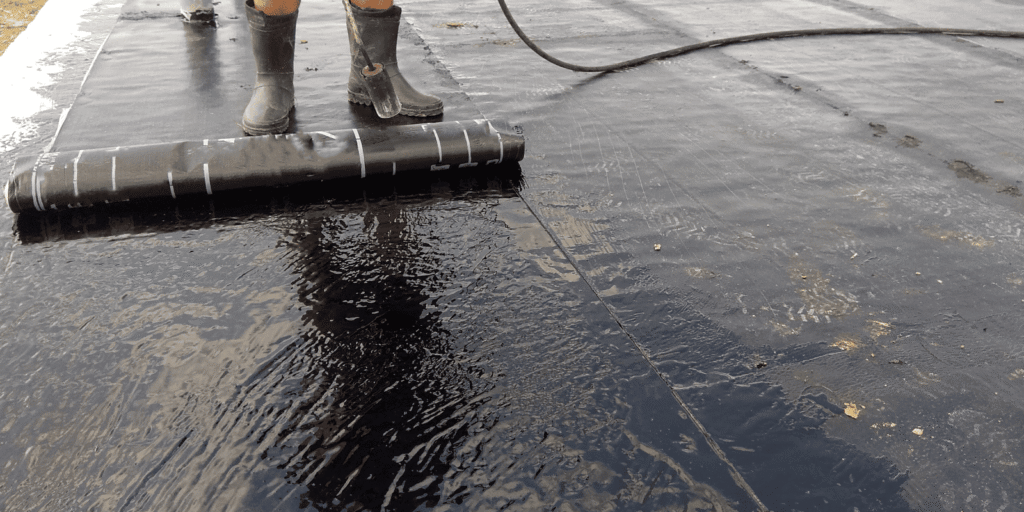
Flat roof drainage problems happen when water cannot move off the roof surface through the intended drains, scuppers, gutters, or outlet points. This can leave standing water after rain, increase stress on the membrane, and make small roof defects easier to miss.
A flat roof should still move water away in a controlled direction. When that path is blocked, undersized, poorly sloped, or interrupted by rooftop equipment, water can collect in low areas and create repeated maintenance concerns.
Table of Contents
What Causes Flat Roof Drainage Problems?
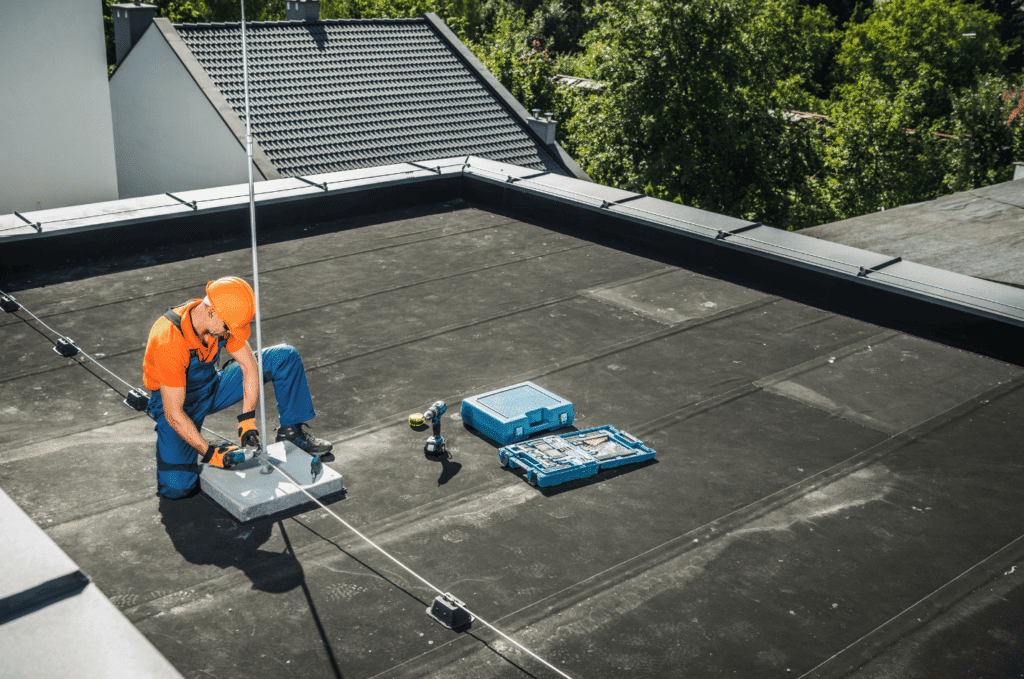
Flat roof drainage problems usually begin with slope, blockage, roof design, or surface changes. A roof may have working drains, but water can still remain if the surface no longer guides it toward those drains.
The cause should be confirmed before repair begins. Clearing one drain may help, but it will not solve ponding if the roof has low spots, trapped debris, damaged insulation, or poor drainage layout.
Low Slope Can Leave Water Behind
Flat roofs are designed with slight slope, but settling, aging materials, or previous repairs can change how water moves. Even a shallow depression can hold water when the drain is too far away or the roof surface has shifted.
For properties needing Cambridge roof repair, low areas should be compared with seams, flashing, drains, and roof edges to see whether drainage problems are part of a wider roof issue.
Blocked Drains Can Create Repeated Ponding
Leaves, dirt, roofing granules, loose material, and windblown debris can gather around drains and scuppers. Once water slows down, it may spread across the roof and settle in the lowest section.
The commercial roofing problems guide explains how drainage, surface wear, and delayed maintenance can lead to larger roof concerns over time.
Signs of Poor Flat Roof Drainage
Signs of poor flat roof drainage can appear on the roof surface before interior leak signs develop. Property owners may notice standing water, dirt rings, algae growth, soft spots, open seams, or stains near drain paths.
These warning signs should not be ignored. Flat roof drainage problems often repeat in the same areas because the water follows the same surface pattern after every storm.
Flat Roof Not Draining After Rain
A flat roof not draining after rain is one of the clearest signs that water movement is restricted. Water may remain around drains, behind rooftop equipment, near parapet walls, or along raised seams.
Building owners scheduling Brookline roof repair should document where water remains after rain so repeated problem areas can be compared during inspection.
Surface Wear Can Show Where Water Stays
Water that sits in the same place can leave dirt lines, dark patches, blistering, or surface changes. These marks can help show whether the problem is new or has been developing for some time.
The flat roof blistering guide explains why raised membrane areas and surface changes should be checked before hidden moisture or seam problems spread.
Commercial Flat Roof Drainage Systems Need Careful Review
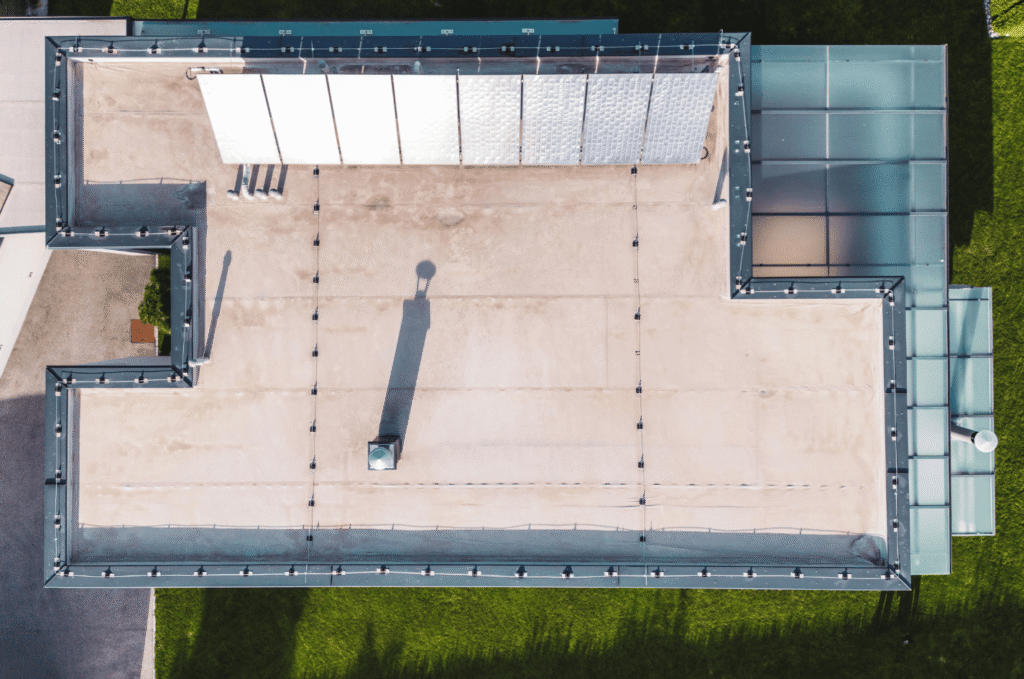
Commercial flat roof drainage systems often include internal drains, scuppers, gutters, downspouts, tapered insulation, overflow outlets, and parapet wall openings. These parts must work together to move water off large roof areas.
Commercial roofs may also have HVAC units, service paths, skylights, vents, and equipment supports. These features can interrupt drainage paths and make low areas harder to see from the ground.
Drains, Scuppers, and Gutters Must Work Together
Internal drains remove water through the building, while scuppers and gutters move water through roof edges. If one part is blocked, undersized, or poorly positioned, the system may not remove water evenly.
Professional flat roofing services can review whether drains, scuppers, gutters, and roof slope are working together or creating recurring ponding water on flat roofs.
Rooftop Equipment Can Interrupt Water Flow
HVAC units, curbs, pipes, and service platforms can create small barriers across the roof surface. Water may collect behind equipment, especially when debris builds up or when the membrane has settled around the curb.
For East Boston roof repair, wind exposure and rooftop equipment can make drainage paths more likely to collect debris after storms.
Flat Roof Drainage Solutions and Repair Options
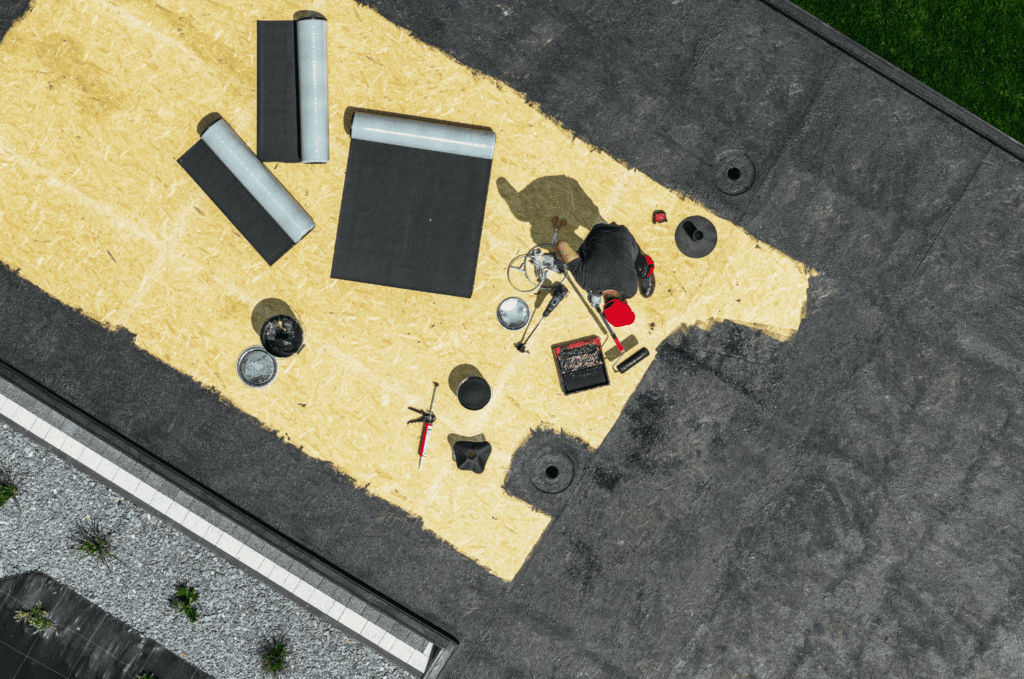
Flat roof drainage solutions should depend on the actual cause. Some roofs may need drain cleaning or scupper adjustment, while others may require slope correction, membrane repair, insulation replacement, or flashing work.
Flat roof drainage repair should not begin with guesswork. A repair that only covers a wet area may leave the same water path in place, allowing the issue to return after the next heavy rain.
Inspection Should Confirm the Drainage Cause
A roof inspection should review ponding locations, outlet points, roof slope, membrane seams, flashing, gutters, scuppers, and interior leak signs. This helps separate surface drainage issues from active roof failure.
The upcoming ponding water guide will explain how standing water forms and why the underlying drainage cause should be corrected before damage spreads.
Repairs Should Restore Water Movement
If the issue is blockage, the drainage path may need clearing and monitoring. If the issue is a low area, repair may involve correcting the surface, improving slope, or addressing damaged insulation below the membrane.
A professional roof repair service can determine whether membrane damage, flashing failure, or drainage layout is causing flat roof drainage problems to return.
Flat Roof Maintenance Helps Prevent Drainage Failure
Flat roof maintenance helps property owners see whether drainage problems are isolated or recurring. Photos, cleaning records, repair notes, and inspection reports can show whether water is spreading or staying in the same place.
This matters because drainage problems can be seasonal. Heavy rain, falling leaves, rooftop debris, and freeze-thaw changes may reveal problems that were not obvious during dry weather.
Maintenance Records Help Track Problem Areas
The same roof area should be checked after major storms, seasonal debris buildup, and previous repair work. If water continues to stay near the same drain or parapet wall, the problem likely needs more than surface cleaning.
Properties needing Everett roof repair can use maintenance records to compare older roof conditions with current drainage patterns before repair decisions are made.
Local Support for Flat Roof Drainage Problems
CAN Roof Construction can review flat roof drainage problems, membrane condition, roof edges, drains, scuppers, and signs of ponding water. A complete review helps property owners understand whether the issue is maintenance-related, design-related, or caused by roof damage.
This approach is useful for both residential and commercial flat roofs. Instead of patching the same wet area again, the roof can be checked as a full drainage system.
Schedule a Flat Roof Drainage Inspection
If your flat roof is not draining after rain, or if you notice ponding water, surface stains, blistering, or leak signs, the drainage path should be checked before the problem spreads.
To identify the cause and choose the right flat roof drainage solutions, contact us today and schedule a professional flat roof inspection.