
Gable Roofs on Boston Homes: Best Materials and Weak Points
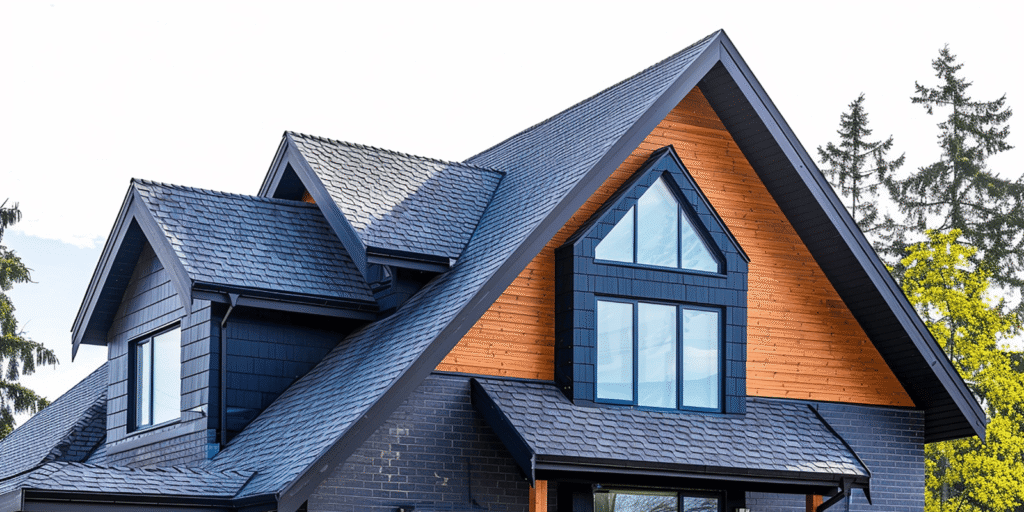
Gable roofs are the classic triangular, two-sloped roofs found on most Boston homes, and the best materials for them are architectural asphalt shingles, standing seam metal, cedar, and slate, while their main weak points are wind uplift, ice dams, and valley leaks. Choosing the right material and reinforcing the weak spots keeps a gable roof sound through New England winters.
Boston’s heavy snow, nor’easters, and high winds put real stress on gable roofs, so the material and the structure both matter. This guide covers the best roofing materials for Boston gable roofs, the problems they face in this climate, and how to protect your roof before small issues become costly repairs.
Table of Contents
What Is a Gable Roof and Why Is It Common in Boston?
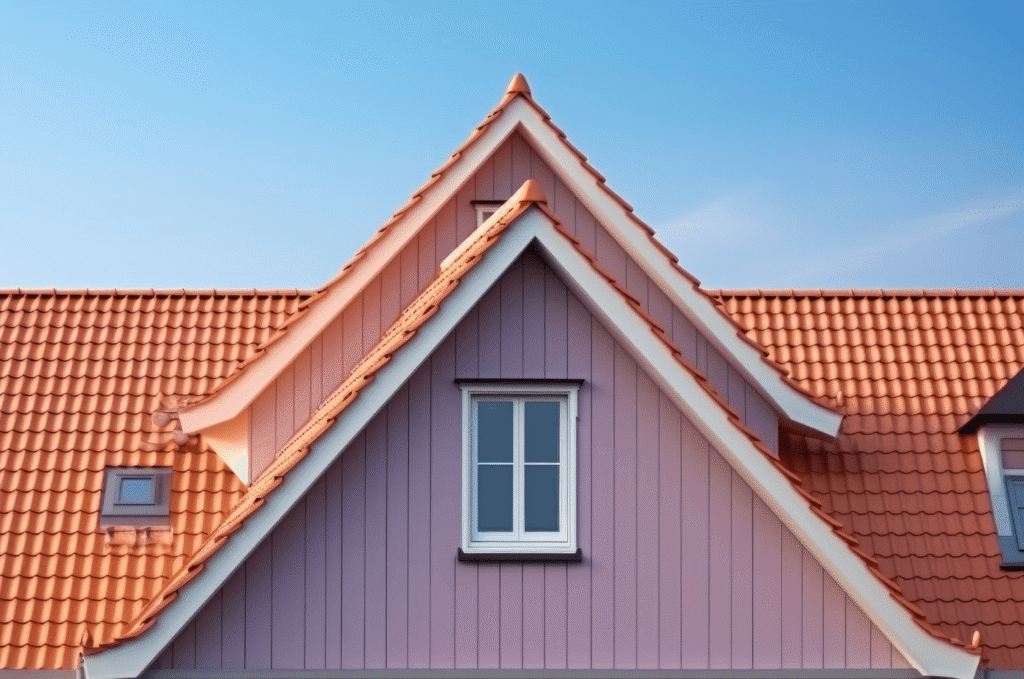
A gable roof is a pitched roof with two sloping sides that meet at a central ridge, forming a triangular gable end on each wall. Gable roofs are the most common roof shape on Boston homes because their steep slope sheds snow and rain well and suits colonial and Cape Cod architecture.
The Classic Gable Shape
The simple inverted-V form of gable roofs is easy to build and cost-effective to cover. Its two planes drain water and snow quickly toward the eaves, which matters in a snowy climate.
This simplicity is why gable roofs dominate single-family homes and work with almost every roofing material.
Why Gable Roofs Suit New England
Steep gable slopes shed snow before it can build into a heavy, damaging load. Compared with flatter designs, they handle winter precipitation with less risk, though a hip roof design sheds wind pressure even better.
The pitch also creates attic space for insulation and ventilation. Both are key to a healthy roof in Boston’s freeze-thaw climate.
Gable Variations on Boston Homes
Boston homes use front gables, side gables, and crossed gables where two gable sections intersect. These gable roofs each drain differently and form weak points in different places, as our guide to roof types in Boston explains.
Cross-gables add visual interest but also add valleys. Those intersections need extra attention to stay watertight.
Best Roofing Materials for Boston Gable Roofs
The best roofing material for a gable roof in Boston balances snow shedding, wind resistance, and budget. The best roofing material for a gable roof is usually architectural asphalt shingles, with standing seam metal, cedar, and slate as strong alternatives, each at a different cost and lifespan.
Architectural Asphalt Shingles
Architectural asphalt shingles are the most popular and cost-effective choice at about $5 to $8 per square foot. They shed snow well, install simply along standard roof planes, and resist wind and impact.
This is why most Boston gable roofs use them, and why many homeowners name asphalt the best roofing material for a gable roof. Quality asphalt shingle roofing offers the best balance of price and protection.
Standing Seam Metal Roofing
Standing seam metal roofing, at roughly $10 to $18 per square foot, is ideal for heavy snow country. Long vertical panels let snow and ice slide off easily and minimize the horizontal seams where water can penetrate.
Metal is a strong upgrade for exposed, windy sites. A quick roof repair in Lexington often involves this durable material.
Cedar Shakes and Natural Slate
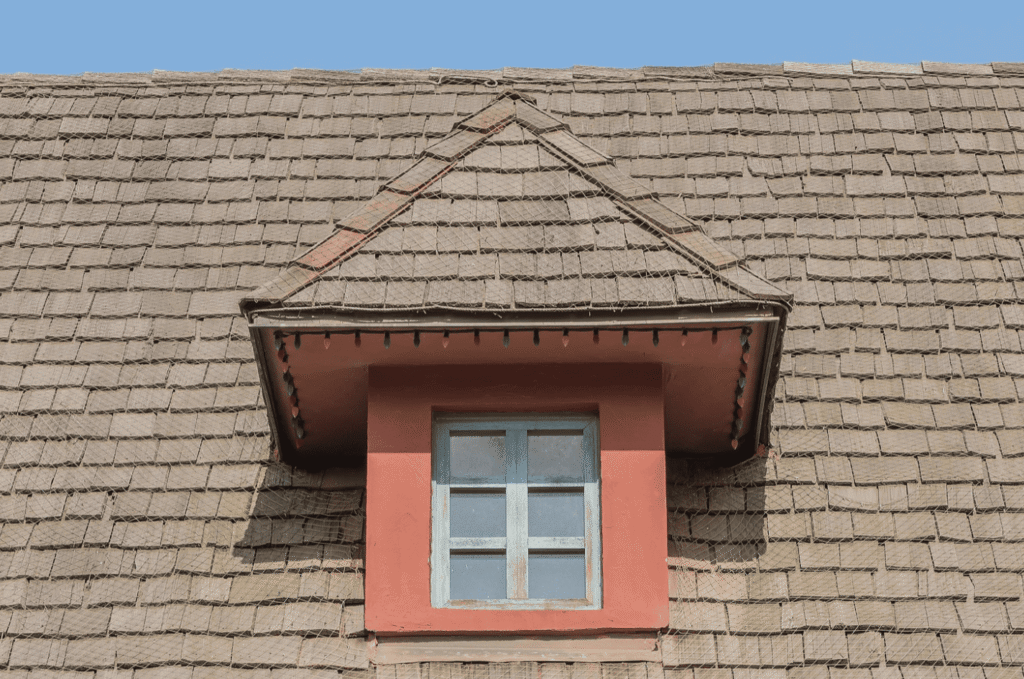
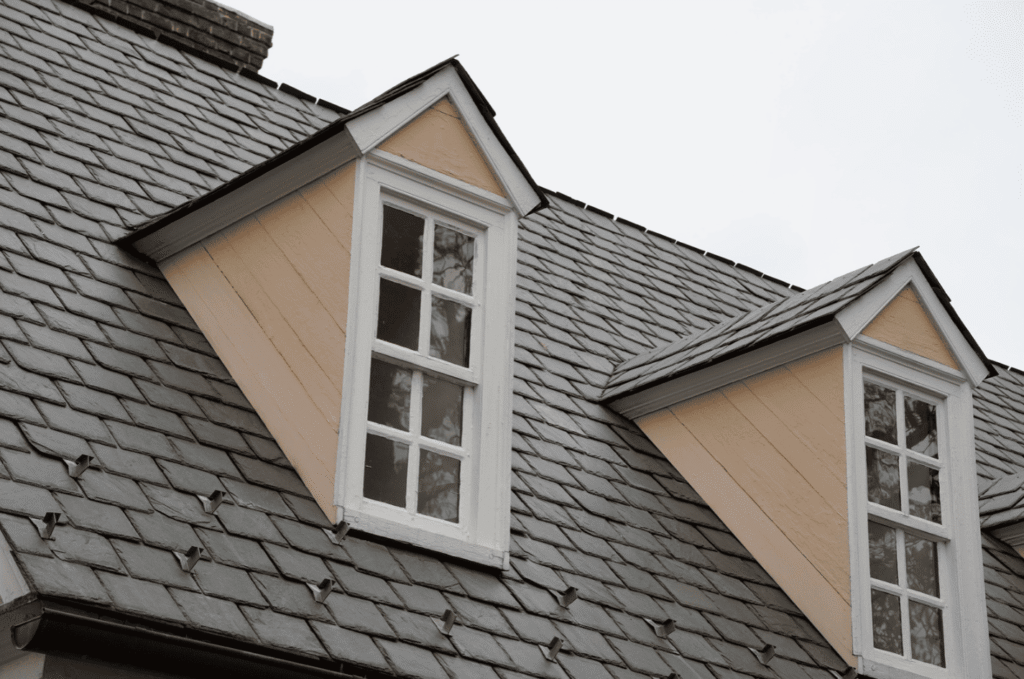
Cedar shakes cost about $10 to $18 per square foot and complement historic Boston, Cape Cod, and Colonial homes when moisture and ventilation are managed. Natural slate, at $15 to $30 per square foot, is best for historic preservation but needs a heavy-duty frame to support its weight, as our guide to mansard roof restoration shows.
Both of these gable roof materials reward careful installation with decades of service. They suit high-end and historic gable roofs especially well.
Common Gable Roof Problems in Boston’s Climate
Gable roof problems in Boston almost always trace back to wind, ice, or aging structure. Knowing these weak points on gable roofs helps you reinforce them before a storm finds them first.
Gable End Wall Wind Uplift
The flat triangular gable end acts like a sail during high-wind storms and nor’easters. This creates uplift pressure, and wind damage to roofs often starts where weak truss bracing or unreinforced sheathing gives way.
A Winchester roof inspection checks gable-end bracing for exactly this risk. Reinforced bracing is the best defense against uplift.
Ice Dams and Overhanging Eaves
Sloped gable roofs with overhanging eaves are prone to ice dams during freeze-thaw cycles. When attic insulation and soffit-to-ridge ventilation are inadequate, melting snow refreezes at the eaves and forces water back under the shingles.
Ice dams are one of Boston’s most common winter leaks. Balanced insulation and ventilation stop them before they form.
Valley Leaks on Cross-Gables
On crossed gable designs, the intersecting roof valleys are high-risk zones for leaks. If the flashing in these valleys degrades under ice and snow loads, water finds its way in fast.
A quick response from Wellesley roofers can reseal a failing valley. Strong valley flashing is critical on any cross-gable roof.
Structural Weak Points and Snow Load
Beyond the surface, the structure of gable roofs determines how well they handle Boston winters. Roof pitch and snow load work together, and older framing can be a hidden gable roof disadvantage.
Roof Pitch and Snow Shedding
Roof pitch and snow load are directly linked, since a steeper gable sheds snow before it accumulates. A low-pitched gable holds more snow, which adds weight and raises the risk of structural strain.
Steeper roofs clear themselves naturally in most storms. Pitch is one of the first things a pro checks on an older gable.
Truss and Framing Age
Older Boston properties and mid-century builds may lack modern wind ties, gable-end bracing, or breathable underlayments. This aging framing is less able to resist uplift and heavy snow loads, which a full roof replacement services assessment can address.
Reinforcing old framing extends a roof’s life significantly. A professional check reveals what the structure can handle.
Gable Roof Disadvantages to Know
The main gable roof disadvantages are vulnerability to wind uplift at the gable end and valley leaks on complex designs. These are manageable with proper bracing, flashing, and material choices.
No roof shape is perfect for every site, so knowing the trade-offs helps you plan the right reinforcements.
Protecting Your Gable Roof and Getting Help
Gable roofs last longest when their material, structure, and weak points all get regular attention. Steady maintenance and expert help keep Boston weather from winning.
Maintenance and Reinforcement Tips
Seasonal inspections catch worn flashing, loose shingles, and weak bracing before they fail. Clearing gutters, checking attic ventilation, and reinforcing gable-end walls all protect the roof through winter, work the Reading roofing team handles each season.
Prevention is far cheaper than storm repair, and a few checks a year keep a gable roof sound for decades.
Why Choose CAN Roof Construction
For Boston-area homeowners, CAN Roof Construction brings certified crews, honest assessments, and free inspections to every gable roof. The team works with asphalt, metal, cedar, and slate, so your roof fits both your home and the climate.
Schedule a Roof Inspection
Not sure if your gable roof is ready for the next nor’easter? If you want peace of mind before winter, contact our team for a free inspection and a clear plan to protect your home.
One thought on “Gable Roofs on Boston Homes: Best Materials and Weak Points”
Comments are closed.