
Roof Types on Boston Homes: Styles, Materials and Lifespan
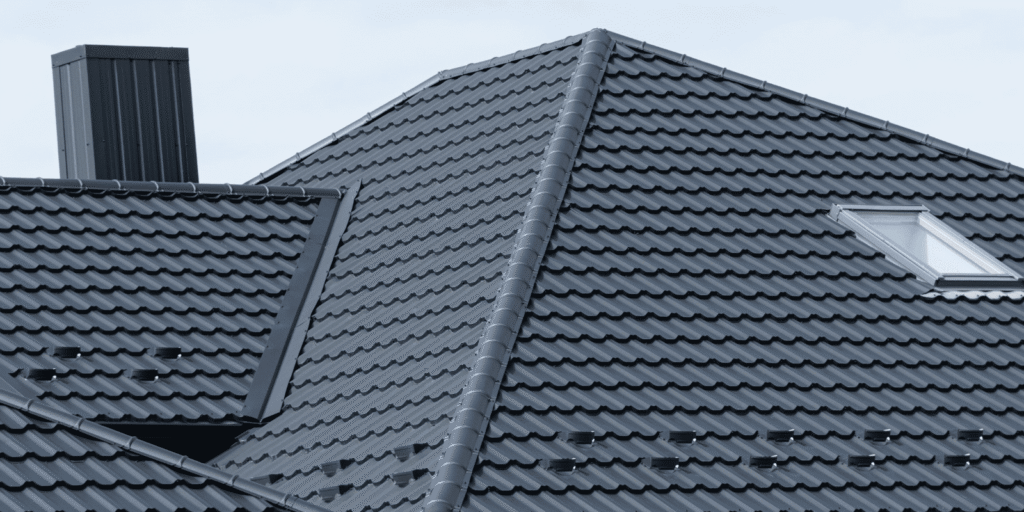
The most common roof types on Boston homes are gable, Cape Cod, gambrel, saltbox, mansard, and flat or low-slope roofs, built from asphalt shingles, slate, metal, cedar, or rubber membrane to handle New England’s heavy snow, ice, and freeze-thaw cycles. Each of these roof types carries its own look, strengths, and lifespan.
Boston’s housing stock blends centuries of architecture, from colonial farmhouses to modern townhomes, so its rooftops tell a story. This guide breaks down the main roof types you will see across the city, the materials that cover them, and how long each one lasts, so you can make a confident choice for your home.
Table of Contents
What Are the Most Common Roof Types in Boston?
The most common roof types in Boston are pitched styles like gable and Cape Cod, double-slope colonials like gambrel and saltbox, and urban profiles like mansard and Federal. These types of roof shapes each developed to match a building era and to shed New England snow.
Gable and Cape Cod Roofs
A gable roof is the classic inverted-V shape, while a Cape Cod uses a steeper cottage pitch. Both are simple, affordable, and common on single-family homes and historic colonial properties across the region.
Their steep slopes shed snow and rain easily, which matters in Boston winters. You can read more in our guide to gable roof materials and their weak points.
Gambrel and Saltbox Roofs
Gambrel roofs use a double slope on each side, like a classic barn, to maximize upper-floor and attic space. Saltbox roofs are asymmetrical, with a short front and a long rear slope that sheds snow toward the back.
Both are colonial-era designs still common on older Boston homes. Their shapes make smart use of space while handling heavy snow loads.
Mansard and Federal Roofs
A mansard roof, tied to Second Empire style, has steep lower slopes and a nearly flat top. Federal-style roofs use shallow, geometric, or hipped profiles found on vintage urban townhouses.
These roofs define many of Boston’s historic streets. Restoring them well takes real skill, as our guide to mansard roof restoration explains.
Flat and Low-Slope Roof Styles
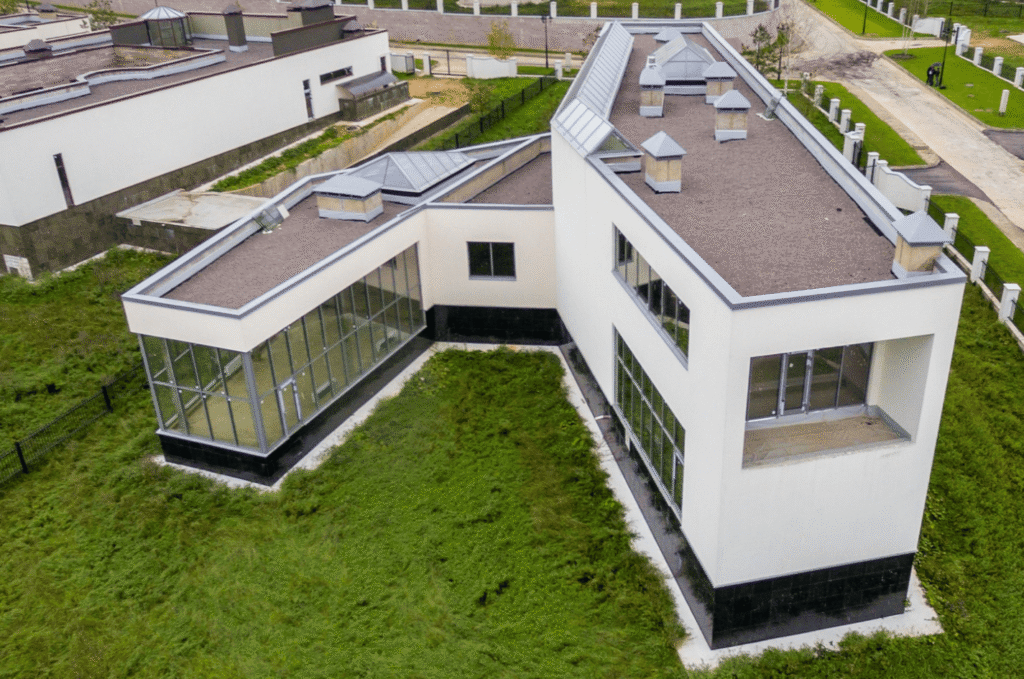
Flat and low-slope roofs are a major roof style in Boston, common on modern additions, townhomes, commercial blocks, and porches in neighborhoods like Back Bay and Beacon Hill. Among Boston roof styles, these rely on a continuous membrane rather than slope to stay watertight.
Where Low-Slope Roofs Appear
Low-slope roofs show up on rowhouses, dormers, porches, and newer additions throughout the city. Their flat profile suits dense urban blocks where a steep roof would not fit.
These roofs need careful drainage to avoid pooling. A quick Back Bay roof repair visit often starts with checking a flat section.
Common Flat Roof Materials
Most flat roofs in Boston use rubber membrane, PVC, or TPO single-ply systems. These materials seal the surface against water that a slope would normally shed.
Quality flat roofing systems are built to resist standing water and temperature swings. The right membrane keeps a low-slope roof dry for decades.
How Pitched Shapes Shed Snow
Steeper roof shapes like gable and hip designs shed snow faster than flat roofs. That slope is a real advantage during Boston’s heavy winters, when snow load can stress a structure.
Hip roofs are especially stable in wind and storms. Our guide to hip roof design explains why it handles New England weather so well.
How Long Do Different Roof Materials Last?
Roof lifespan by material varies widely, from about 20 years for asphalt shingles to over 100 years for natural slate. Across all roof types, the material you choose shapes both the cost and how often you will replace the roof.
Asphalt and Architectural Shingles
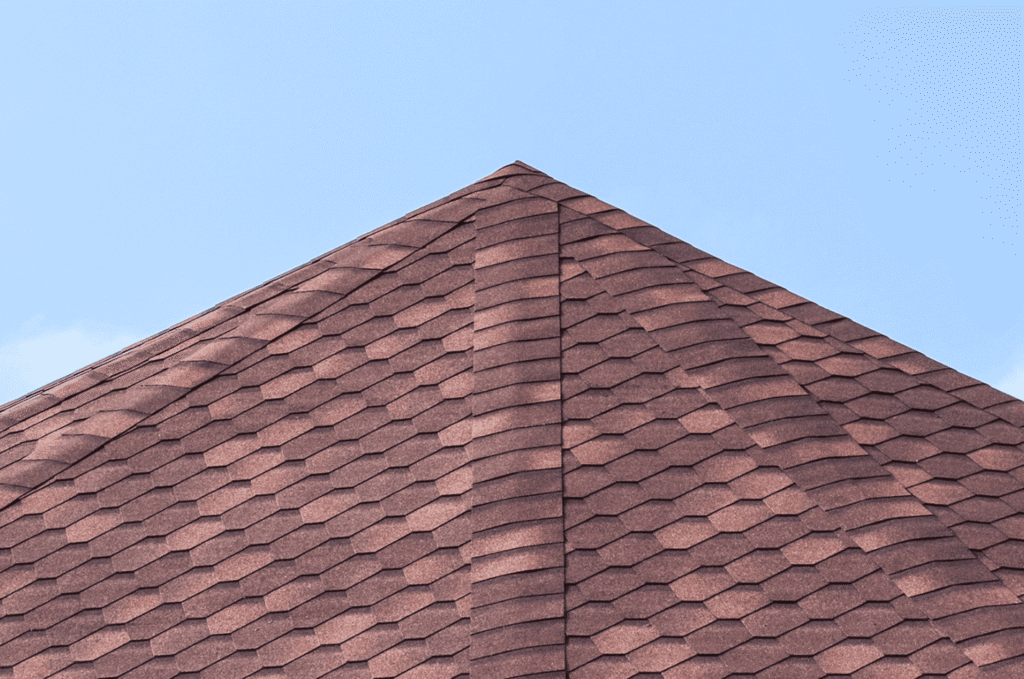
Asphalt and architectural shingles are the most widespread residential choice in Boston, valued for their affordability and wind and impact resistance. They suit nearly every pitched roof shape.
Asphalt shingles last 20 to 30 years with proper care. A regular Beacon Hill roof inspection helps them reach the top of that range.
Slate and Synthetic Slate
Natural slate is traditional stone roofing seen on historic and high-end Boston estates. Synthetic slate offers a similar look with far less weight and easier installation.
Natural slate lasts 75 to 100 years or more, outliving almost any other material. Professional slate roofing services protect that long investment.
Metal Roofing
Metal roofing, including standing-seam panels and metal shingles, resists snow loads and freeze-thaw cycles exceptionally well without absorbing water. It sheds snow cleanly and stands up to storms.
Metal roofs last 40 to 70 years, a strong middle ground on cost and longevity. Their durability makes them popular on both modern and restored Boston homes.
Wood, Rubber, and Other Residential Roof Types
Beyond shingles and slate, several other residential roof types appear across Boston, each with its own lifespan and upkeep. Wood and rubber materials round out the roof types homeowners weigh.
Cedar Shakes and Wood Shingles
Cedar shakes and wood shingles deliver the classic New England aesthetic many homeowners love. They require routine treatment to prevent moss and rot in humid or wet conditions.
With regular maintenance, cedar roofs last 20 to 40 years. Fast Jamaica Plain roofers can help keep a wood roof dry and treated.
Rubber Membrane (EPDM) Systems
Rubber membrane, usually EPDM, is the standard for low-slope and flat surfaces like porches and dormers. It forms a seamless, waterproof layer where slope cannot do the job.
EPDM and similar flat roof systems last 20 to 40 years. Their reliability makes them a go-to for Boston’s many flat porch and addition roofs.
Matching Material to Boston Weather
The best material balances your roof shape, budget, and Boston’s harsh seasons. Snow, ice, and humidity all shape how long a roof will last here.
A local team like the Charlestown roofing team can match the right material to your home. Local experience makes a real difference in material choice.
Choosing the Right Roof Type and Getting Help
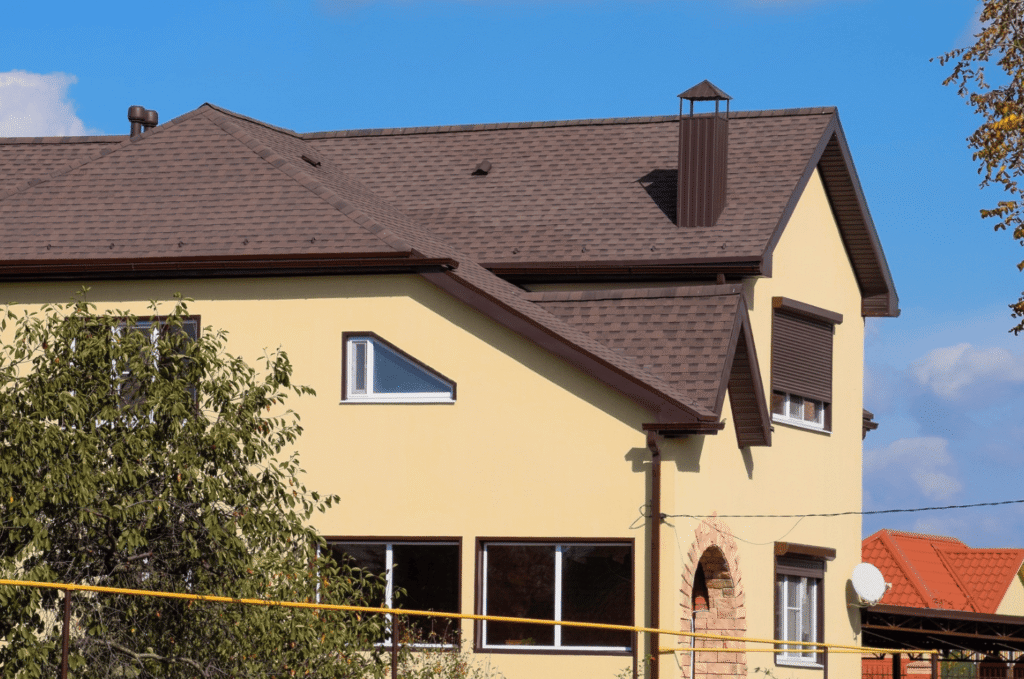
With so many types of roofs to consider, picking the right roof type comes down to matching style, material, and climate to your home and budget. A little expert guidance ensures the choice protects your home for decades.
Match the Material to Your Roof and Climate
Each roof shape pairs best with certain materials, and Boston’s weather narrows the options further. Steep slopes suit asphalt or slate, while flat sections need a durable membrane.
Thinking about shape, material, and lifespan together leads to a smarter decision. The right combination lasts longer and costs less over time.
Why Choose CAN Roof Construction
For Boston-area homeowners, CAN Roof Construction brings certified crews, honest assessments, and free inspections to every roof type. The team works with asphalt, slate, metal, cedar, and rubber, so your roof fits both your home and the climate.
Schedule a Roof Inspection
Not sure which roof type or material is right for your home? If you are planning a new roof or a replacement, contact our team for a free inspection and clear, honest guidance built for Boston weather.
3 thoughts on “Roof Types on Boston Homes: Styles, Materials and Lifespan”
Comments are closed.