
How Roofers Choose Materials for Homes With Mixed Roof Types
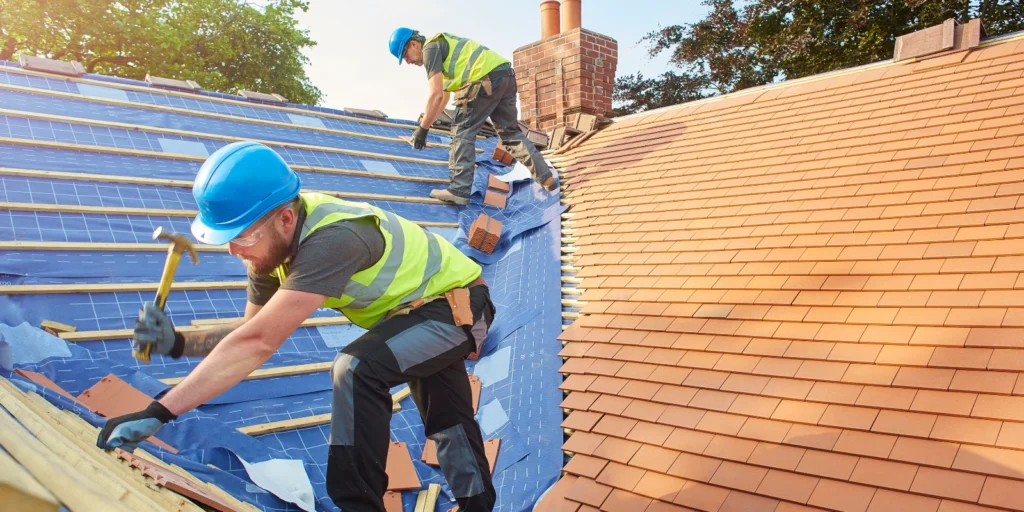
For a home with mixed roof types, roofers don’t pick one material for the whole roof, they match a material to each section based on its slope. Steep sections get asphalt shingles or slate; flat and low-slope sections get a rubber or EPDM membrane. The trickiest and most important part is the transition, where two different roof types meet, because that’s where leaks are most likely. Getting the materials and the transition flashing right is what keeps a mixed roof watertight.
Plenty of homes don’t have just one roof, they have several roof types on a single structure: a steep main gable, a low-slope porch, a flat dormer, a shed-roof addition. So how do roofers choose roofing materials for a home like that? The direct answer: they select a different material for each section based on its slope, then pay special attention to the transition points where those sections meet. Steep-slope areas take shingles or slate that shed water by gravity, while flat and low-slope areas take a seamless membrane like EPDM rubber that waterproofs a surface water can’t run off quickly.
Table of Contents
Mixed Roof Explanation
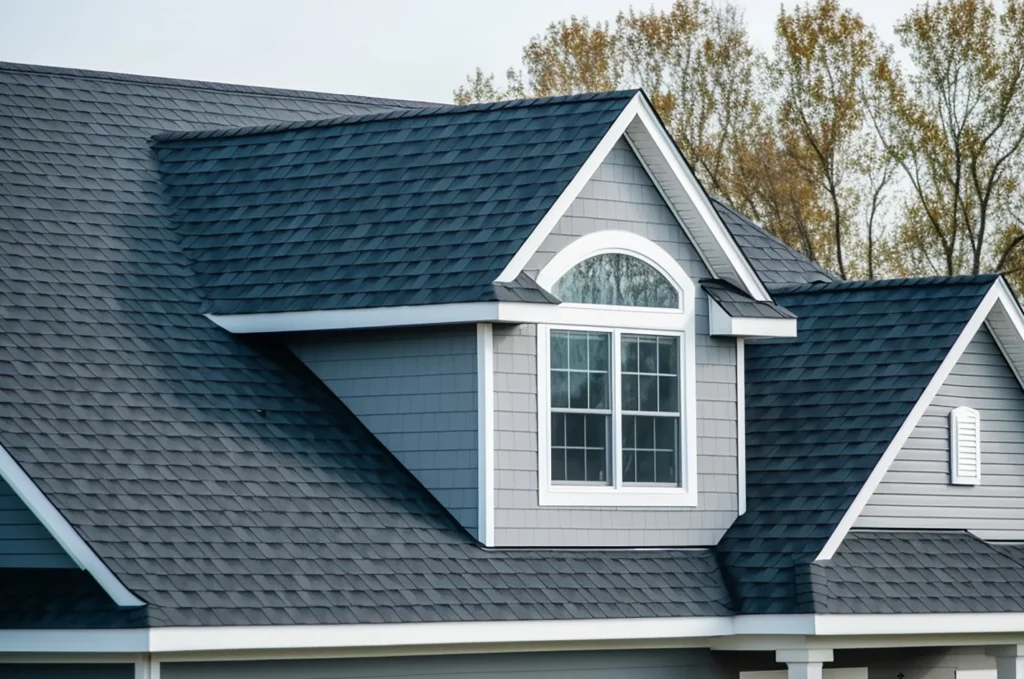
A mixed roof is any roof where different sections have different slopes or materials on the same building. The classic example is a home with a steep-slope main roof covered in asphalt shingles and a flat or low-slope section, like a porch, dormer, or addition, covered with a membrane. It’s extremely common, and it can look great, but it brings unique challenges when it comes to keeping water out.
Mixed roofs happen for all sorts of reasons: additions built over the years, porches and garages that transition from the main house, or a style that combines shapes on purpose. Whatever the cause, the result is one roof that behaves like several, each part shedding water differently. That’s why a single blanket material rarely works, and why smart roofing material selection treats each section on its own terms.
Match a Material to Each Section
The first thing a roofer does is assign the right material to each section based on how steep it is. Slope decides drainage, and drainage decides what can keep that section dry, so a mixed roof gets a mix of materials by design, not by accident. Here’s how the sections typically break down.
High-Slope Sections
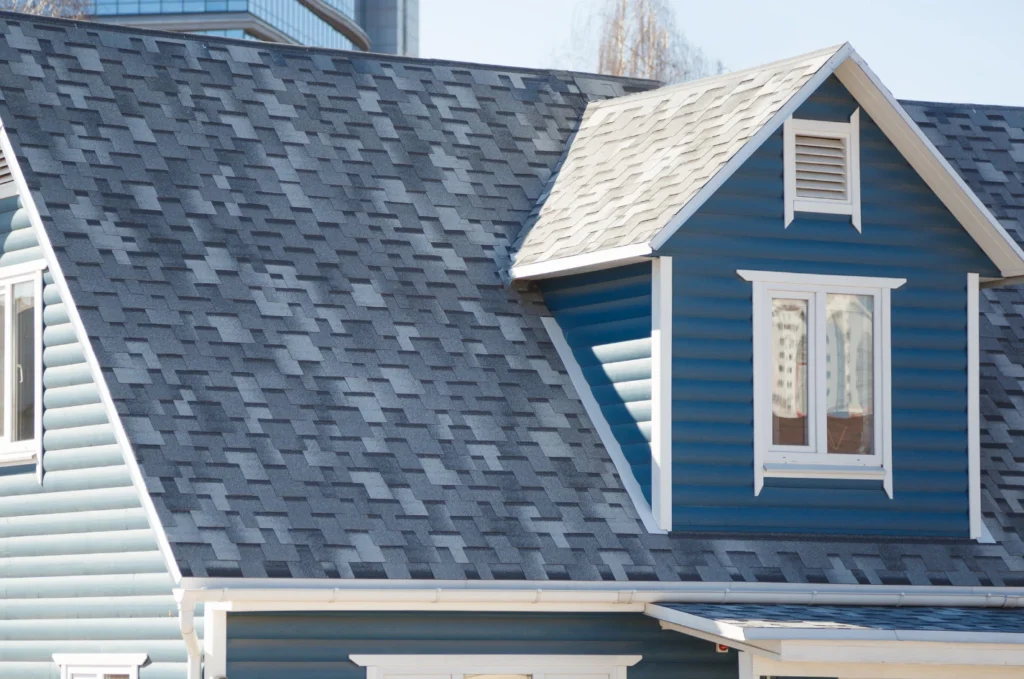
A high slope roof sheds water fast by gravity, so it takes overlapping materials like asphalt shingles or slate. The steep main roof of a house is the most visible part and drains quickly, making an asphalt shingle roof the popular, versatile choice, or a slate roof for a premium, long-lasting look. These materials rely on the slope to move water off before it can seep under, which is exactly why they fail on flatter areas.
Low-Slope and Flat Sections
A low slope roof or flat roof drains slowly, so it needs a seamless waterproof membrane instead of shingles. Porches, dormers, and additions often fall here, and this is where a rubber roof shines: an EPDM roof is a durable synthetic membrane that seals the surface against standing water. Because these sections can’t rely on gravity, the continuous barrier does the work that a slope would otherwise do.
Matching Looks Across Sections
Beyond performance, a good roofer also considers how the sections look together. Different materials can appear intentional and handsome, or patched-together and awkward, depending on the choices. Coordinating colors and profiles, so the porch membrane and the main shingles complement each other, keeps a mixed roof looking designed rather than accidental. Function comes first, but appearance still counts.
Master the Transitions (Where Leaks Begin)
The most critical part of a mixed roof is the transition, the spot where two different roof sections meet, because that’s where leaks are most likely to start. A transition occurs anywhere sections with different slopes, materials, or elevations join, like where a main roof connects to a porch, a dormer, or a lower addition. Most homeowners never think about these points, yet they decide whether the whole roof stays dry.
The danger is greatest where a steep roof ties into a low-slope roof. At that junction, fast-moving water from the steep section suddenly hits the slow-draining flat section and can pool, back up, or slip underneath if the detail is wrong. That’s why roofers use specialized transition flashing: a metal barrier that overlaps the sections so water flows down and away from the joint instead of under it. Done correctly, with the right overlaps and sealant, the transition becomes the strongest part of the roof rather than the weakest.
There’s an extra wrinkle when the two sections use materials from different manufacturers, which is common on mixed roofs. Each has its own installation requirements, and tying them together demands specific, proven detailing rather than guesswork. This is precisely where experienced roofing contractors earn their keep, because a beautiful material choice means nothing if the transition between sections leaks.
How Does Quincy’s Climate Affect the Choice?
Quincy’s climate raises the stakes on both material choice and transitions, because snow and freeze-thaw punish any weak point. Low-slope sections hold snow and meltwater longer, so their membranes and the transitions above them must handle standing water and ice without failing. In a mild climate a sloppy transition might leak slowly; in a New England winter it fails fast.
With roughly 100 freeze-thaw cycles a year, water that lingers at a poorly detailed transition freezes, expands, and pries the joint open. Steep sections shed snow quickly, which is good, but that snow often lands on a lower section, adding load and meltwater right where the transition sits. A roofer working on a Quincy mixed roof plans for all of this, choosing flexible, durable materials and building transitions that stand up to ice.
Why Does a Mixed Roof Need an Experienced Roofer?
A mixed roof needs an experienced roofer in Boston because it’s really several roofs in one, each demanding different materials and skills, tied together at the hardest points. Installing shingles is one craft, installing a membrane is another, and detailing the transition between them is a third. Few jobs test a roofer’s range like a mixed roof, which is why it’s not the place for a one-material crew.
The right professional brings judgment as much as skill: knowing which material each section needs, how to coordinate their looks, and exactly how to detail every transition so water always flows away from the joints. That whole-roof thinking turns a collection of mismatched sections into one watertight system, and it’s the difference between a mixed roof that lasts and one that leaks within a few seasons.
How CAN Roof Construction Handles Mixed Roofs
At CAN Roof Construction, we treat every section of your roof on its own terms, then tie them together with transitions built to last. As trusted roofers in Quincy and a roofing company Quincy homeowners rely on, we match the right material to each slope and detail every junction so your roof stays watertight as one system. Honest work, done right.
One Roof, Many Parts, Zero Leaks
Choosing materials for a home with mixed roof types isn’t about finding one perfect product, it’s about matching the right material to each section and then mastering the transitions between them. Steep sections get shingles or slate, low and flat sections get a rubber membrane, and the junctions where they meet get expert flashing. That section-by-section thinking is how a roof made of many parts becomes one watertight whole.
Schedule your free inspection today and protect your mixed roof as one system.
One thought on “How Roofers Choose Materials for Homes With Mixed Roof Types”
Comments are closed.