
Poor Roof Ventilation: How It Cuts Your Roof’s Lifespan
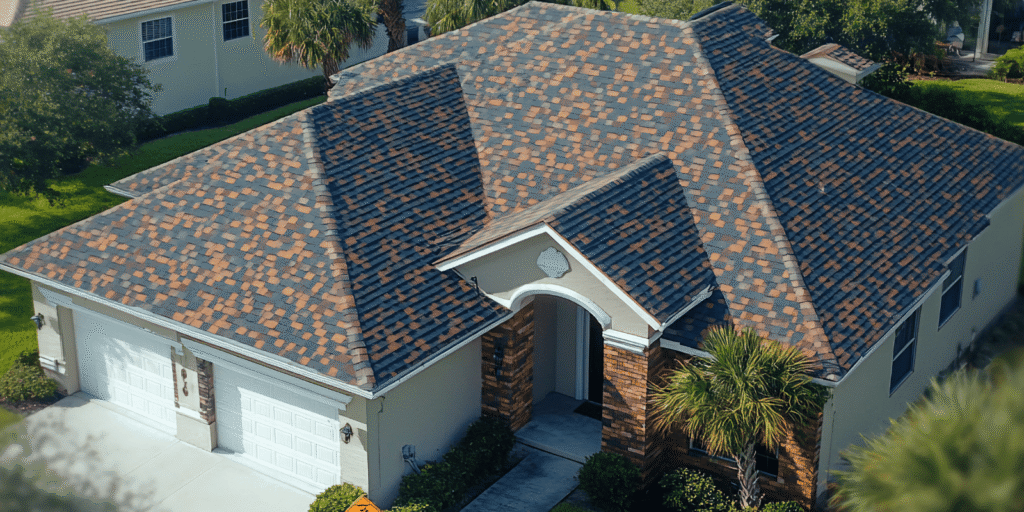
Poor roof ventilation shortens your roof’s lifespan by trapping heat and moisture that slowly break down shingles, decking, and insulation from below. What looks like a small airflow issue can quietly take years off a roof that should easily last decades.
In a climate like Boston’s, where attics bake in summer and freeze in winter, poor roof ventilation is one of the most overlooked causes of early roof failure. This guide explains what it is, how it damages your roof, the warning signs to watch for, and how to fix it before it costs you a full replacement.
Table of Contents
What Is Poor Roof Ventilation?
Poor roof ventilation happens when your attic cannot pull in fresh air and push out hot, humid air the way it should. The result is a stuffy, damp space that quietly works against your roof instead of protecting it.
How Roof Ventilation Works
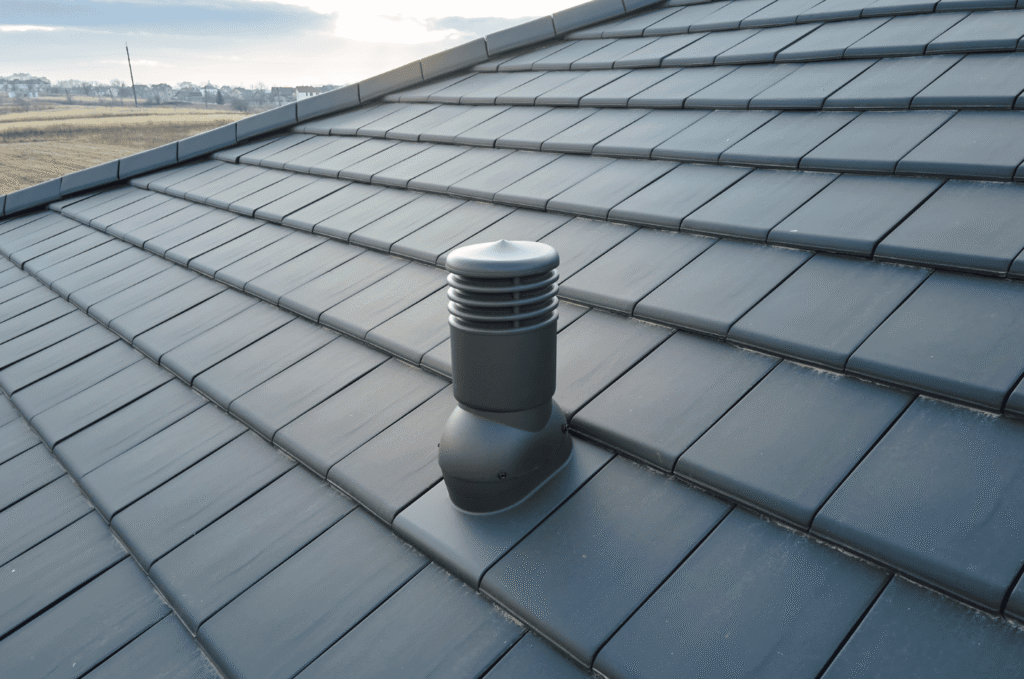
A healthy roof breathes through balanced intake and exhaust. Intake vents near the eaves let cool air in, while exhaust vents near the ridge let hot air escape.
When that balance is off, air stalls inside the attic. Heat and moisture build up with nowhere to go, and the damage quietly starts from the inside out, long before you see it on the surface.
Signs of Attic Ventilation Problems
Most attic ventilation problems show up as heat, dampness, or odd smells long before the roof itself looks worn. Blocked soffits, too few vents, or a sealed-up attic are the usual culprits behind stalled airflow.
You can learn more about these causes in our guide to roof ventilation problems. Spotting them early is the key to protecting your roof.
Why Boston Homes Are at Risk
Older Boston homes were often built with little thought for airflow, which makes poor attic ventilation in Boston especially common. Tight modern insulation and finished attic spaces can trap even more heat and moisture.
A quick roof inspection in Boston can reveal whether your attic is breathing properly. Local weather swings make this check well worth it.
How Poor Roof Ventilation Shortens Roof Lifespan
Poor airflow attacks nearly every layer of your roofing system at once. Over time, it can cut your roof lifespan by years and force an early, expensive replacement you never planned for.
Heat Buildup and Shingle Damage
Trapped attic heat cooks your shingles from underneath. This bakes out the protective oils and cracks the surface, which directly lowers asphalt shingle life expectancy and fades their color.
Shingles built to last 20 years may fail well before then, sometimes prompting an early roof replacement in Cambridge. The heat simply wears them out ahead of schedule.
Trapped Moisture and Rot
Warm, damp air with no way out condenses on cold surfaces inside the attic. That moisture soaks into wood, promotes rot, and can even lead to roof vent leaks around seals and flashing.
Once rot sets in, the damage spreads fast. Wet framing loses its strength and becomes far harder and more costly to repair.
Strain on Decking and Insulation
The roof deck and insulation suffer too. Constant moisture warps decking and mats down insulation, which then loses its ability to hold heat where you need it.
Weak, damaged decking often cannot support a simple repair, which is why some homes need a full roof replacement. Healthy airflow keeps these layers dry and strong.
The Effects of Poor Attic Ventilation
The effects of poor attic ventilation reach well beyond the roof itself. They touch your comfort, your energy bills, and even the air your family breathes every day.
Higher Energy Bills
A superheated attic forces your air conditioner to work overtime all summer long. That extra load shows up as higher monthly bills and a shorter life for your cooling system.
Homes with hot attic problems often feel warm upstairs no matter the thermostat setting. Better airflow eases that strain right away.
Ice Dams in Winter
In winter, trapped attic heat melts snow on the roof, which then refreezes at the cold eaves. These ice dams push water back under the shingles and straight into the home.
The resulting leaks often need fast roof repair in Somerville and nearby areas. Proper ventilation keeps the roof deck cold and stops the cycle before it starts.
Mold and Air Quality Issues
Damp attic air is a breeding ground for mold and mildew. Spores can drift down into living spaces and affect the air your household breathes indoors.
Beyond health concerns, mold weakens wood and insulation over time. Clearing the moisture at its source is the only lasting fix.
Warning Signs Your Roof Ventilation Is Failing
Failing ventilation usually leaves clear clues before the roof gives out. Catching them early lets you fix the airflow instead of paying for a whole new roof.
Hot Rooms and Rising Energy Bills
Rooms just below the roof that stay hot and stuffy are a classic sign. If your cooling bills keep climbing without a clear reason, trapped attic heat may well be to blame.
These symptoms tend to worsen with each passing summer. Acting on them early protects both your roof and your budget.
Attic Condensation and Rusty Nails
Step into your attic and look closely at the framing. Damp insulation, dark water stains, or rusty nail tips all point to trapped moisture from poor airflow.
If you spot these signs, a roof inspection in Newton or your local area can pinpoint the problem. Early detection keeps small issues from spreading.
When to Get a Professional Inspection
Ventilation issues are easy to miss and risky to assess on your own. Trained eyes know where to look and how to measure whether your attic is truly balanced.
A professional roof inspection checks intake, exhaust, insulation, and moisture in a single visit. It is the fastest way to know exactly where you stand.
Fixing Poor Roof Ventilation and Getting Help
The good news is that poor roof ventilation is fixable, often without major work. Restoring balanced airflow can add years back to your roof’s life and lower your bills.
Restoring Balanced Airflow
Most fixes involve clearing blocked soffits, adding intake or ridge vents, and making sure exhaust matches intake. The goal is a steady flow of cool air in and hot air out.
Done correctly, better airflow protects shingles, decking, and insulation all at once. It is a small investment that quietly pays off for years.
Why Choose CAN Roof Construction
For Boston-area homeowners, CAN Roof Construction brings certified crews, honest assessments, and free inspections to every ventilation concern. The team balances your attic the right way, so your roof lasts as long as it truly should.
Schedule a Roof Ventilation Check
Do not let trapped heat and moisture shorten a roof you paid good money for. If you notice any warning sign, contact our team for a free inspection and a clear plan to get your attic breathing again.