
Why Is My Roof Leaking? Common Causes & Emergency Fixes
Your roof is most likely leaking because of damaged shingles, worn flashing, or clogged gutters, and most of these problems can be addressed quickly with the right roof leak repair approach. Whether you noticed a drip during last night’s storm or a water stain spreading across your ceiling, understanding the root cause is the first step toward protecting your home.
Roof leaks rarely fix themselves. What starts as a minor issue can escalate into mold growth, rotted decking, and costly interior damage. Below, we cover seven common roof leaking causes, explain how to fix roof leak problems temporarily, and help you decide when to call a professional for emergency roof repair.
Table of Contents
Common Roof Leaking Causes Every Homeowner Should Know
Before you can fix a roof leak, you need to understand why is my roof leaking in the first place. Even newer roofs can develop problems due to storm damage, poor installation, or material defects. Knowing the most frequent roof leaking causes helps you catch issues early.
Damaged or Missing Shingles
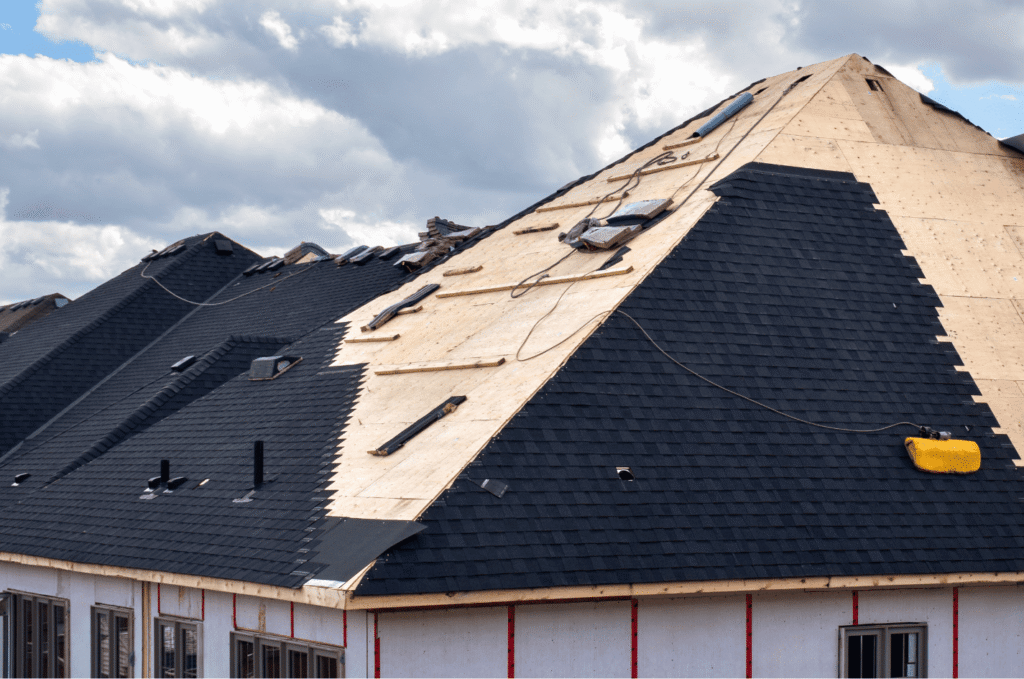
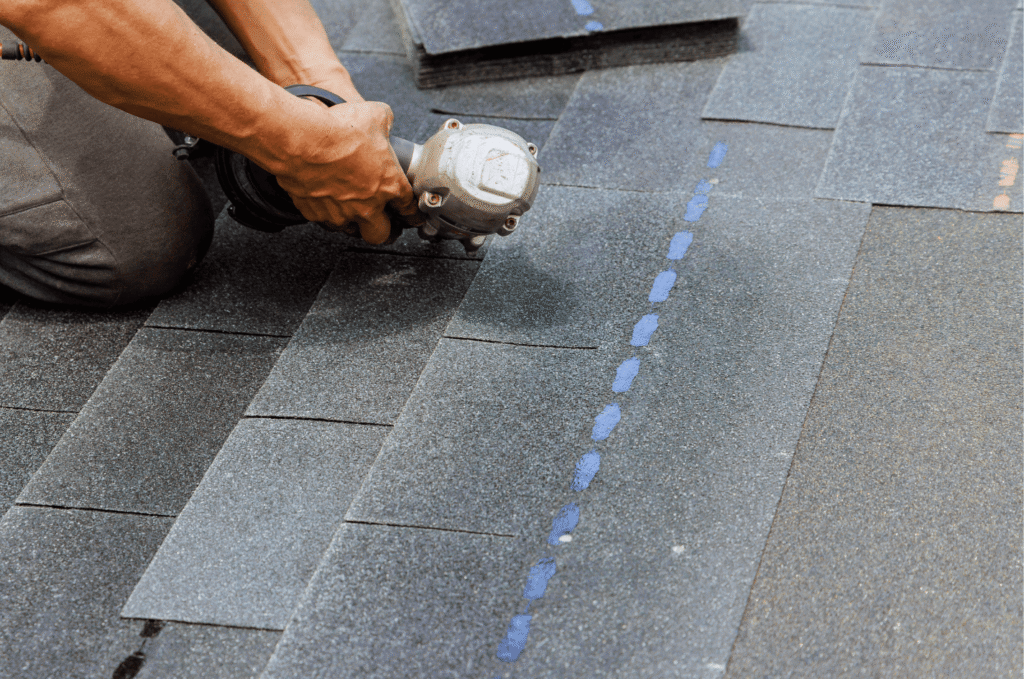
High winds, hail, and heavy rain can loosen, crack, or tear shingles right off your roof. Once a shingle is compromised, rainwater seeps through the underlayment and into your attic. Curling edges, granule loss, and visible cracks are all signs that your shingles are failing and that roof leak repair is needed soon. To understand why shingles break down over time, read our guide on shingle failure and its causes.
Cracked or Deteriorated Flashing
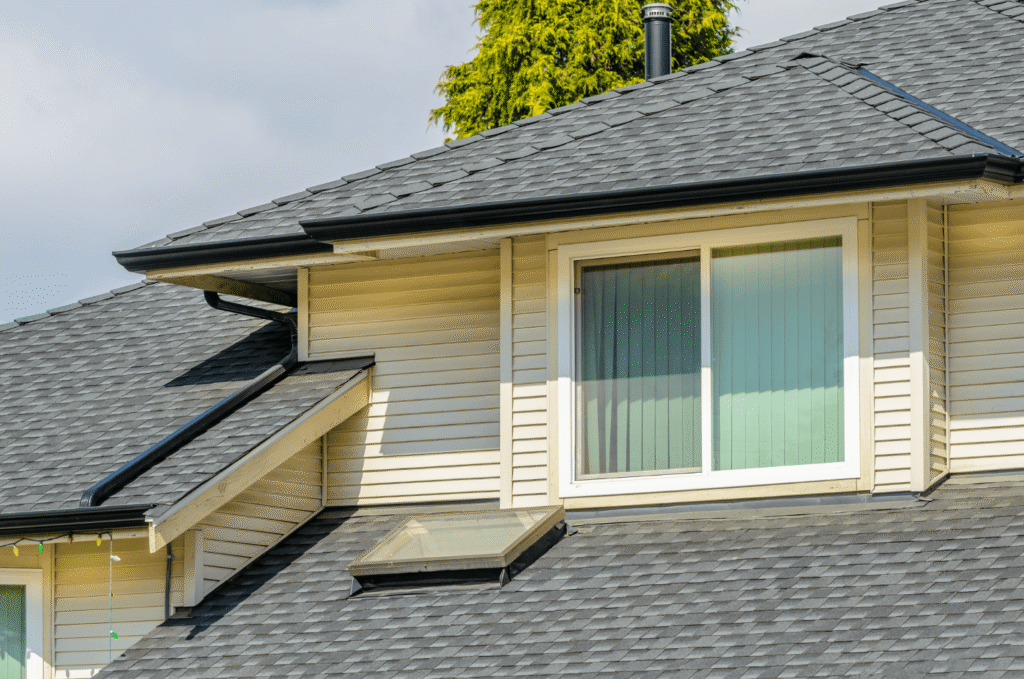
Flashing consists of thin metal strips installed around chimneys, vents, skylights, and roof valleys to redirect water away from vulnerable seams. Over time, flashing can corrode or pull away from the surface, creating gaps where water enters. Homeowners across the greater Boston area, from roof repair in Cambridge to neighborhoods throughout the metro, often find that flashing failure is the hidden culprit behind persistent leaks.
Clogged Gutters and Poor Drainage
When gutters become clogged with leaves and debris, water backs up and pools along the roofline. This standing water eventually works its way under shingles and into the roof structure. The issue is especially common during fall and spring, and homeowners in areas like Brookline and surrounding communities should stay proactive with gutter maintenance.
Why Your Roof Leaks in Heavy Rain and Storms
Roof leaks in heavy rain are among the most common complaints homeowners have. Intense rainfall exposes every weak point in your roofing system, from tiny nail holes to poorly sealed joints. Even a small gap that seems harmless on a dry day can let in significant water during a downpour.
Overwhelmed Roof Valleys
Roof valleys, the V-shaped channels where two slopes meet, handle a large volume of water during storms. If the valley flashing was improperly installed or has shifted, water can pool and penetrate the roof deck. A roof leak repair in these areas typically involves re-sealing or replacing the valley flashing entirely. Scheduling a professional roof inspection can help identify valley problems before they cause interior damage.
Ice Dams and Freeze-Thaw Cycles
Boston’s harsh winters create perfect conditions for ice dams. Heat escaping from your attic melts snow on the roof, which refreezes at the eaves and traps water behind it. This trapped water has nowhere to go but under your shingles. Homeowners in Somerville and nearby areas deal with this frequently, and addressing attic insulation is often part of the long-term roof leak repair solution.
Wind-Driven Rain Penetration
During Nor’easters and coastal storms, rain drives sideways and forces water into joints, under flashing, and through gaps that normally stay dry. If your home experiences roof leaks in heavy rain but seems fine during light showers, wind-driven penetration is likely the cause. Proper sealing and a well-maintained roofing system are critical to keeping your home dry year-round.
How to Fix Roof Leak Problems with Temporary Solutions
When a leak appears during a storm, you need a temporary roof leak fix to minimize damage until a professional can arrive. These emergency steps will help you manage the situation safely until you can schedule a proper roof leak repair.
Using Roofing Tape and Sealant
For small cracks and minor holes, roofing tape or sealant can provide a quick temporary roof leak fix. Clean the area around the leak, then apply the tape directly over the damaged spot. Keep in mind that this is not a permanent solution, a professional roof repair service is still needed to properly resolve the issue.
Covering with a Roof Tarp
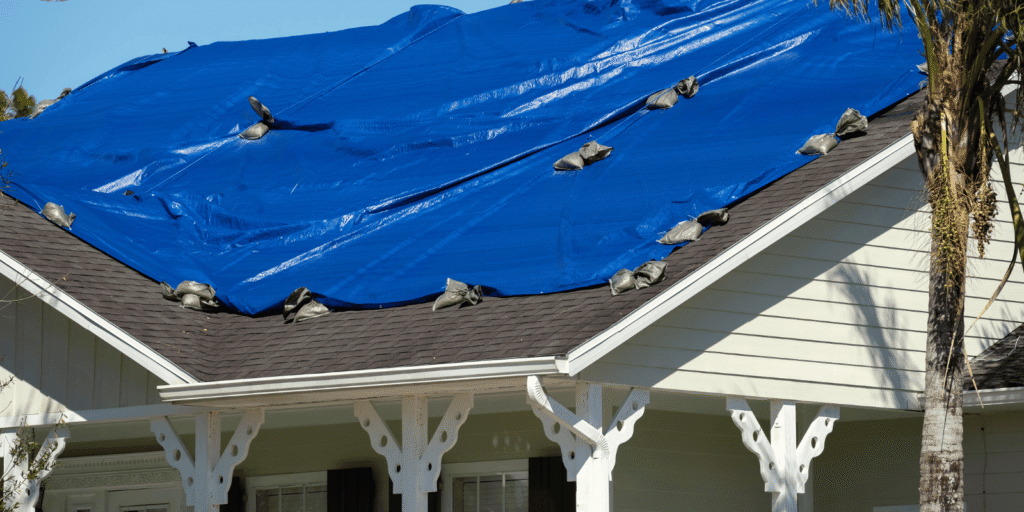
For more extensive damage, drape a heavy-duty tarp over the affected section and extend it past the ridge if possible. Secure it with weighted objects to prevent it from blowing off. A properly placed tarp can protect your home for days while you arrange for a permanent roof leak repair. Homeowners in Quincy and the South Shore should keep a tarp on hand given the area’s coastal weather exposure.
Managing Interior Water Damage
Do not ignore what is happening inside. Place buckets under active drips, move furniture away from the affected area, and soak up standing water. If the ceiling is bulging, carefully puncture it to release pooling water into a container below. These steps help contain the damage while you wait for emergency roof repair assistance. If you are dealing with a visible hole, our guide on how to patch a roof hole walks you through the process step by step.
When Roof Leak Repair Is Not Enough: Signs You Need a New Roof Installation
Sometimes a fix roof leak effort turns into a much bigger conversation. If your roof is over 20 years old or you are calling for roof leak repair multiple times a year, investing in a complete roof installation may be more cost-effective than continued patching.
Multiple Leaks Across Different Areas
When leaks appear in different parts of the roof simultaneously, it signals widespread deterioration, the underlayment, decking, or shingles have likely reached the end of their life. A full roof installation becomes the smarter financial decision compared to repeated emergency roof repair calls.
Sagging Roof Deck and Structural Concerns
A visible sag in your roofline means prolonged water exposure has compromised the structural integrity of the wood underneath. This goes beyond simple roof leak repair, it requires a full tear-off and replacement. For a broader look at evaluating these situations, check out our pillar guide on roof repair tips for Boston homeowners.
Emergency Roof Repair: What to Do Right Now
When you discover an active leak during a storm, every minute counts. Emergency roof repair is about speed and damage control. Knowing what steps to take can save you thousands and prevent a manageable problem from becoming a disaster.
Assess the Situation Safely
Never climb onto a wet roof. Instead, inspect from inside by going into the attic with a flashlight and tracing the water trail to its source. Look for daylight coming through cracks, wet insulation, or dark stains on the rafters. This information helps a roof leak repair professional prepare the right approach before arriving.
At CAN Roof Construction, we have been helping Boston homeowners protect their homes with expert roofing services backed by a 10-year warranty and GAF-certified craftsmanship. Whether you need a temporary fix or a complete roof overhaul, our experienced team delivers lasting results.
Contact a Professional Immediately
Temporary fixes are exactly that, temporary. Once the immediate danger has passed, reach out to a qualified roofing contractor for a permanent roof leak repair. Delaying professional help only gives water more time to damage your home’s structure and insulation. The sooner you act, the less expensive the repair will be.
If your roof is leaking and you need fast, reliable help, contact us today for a free inspection and estimate.