
How to Patch Small Roof Holes and Keep Your Home Protected
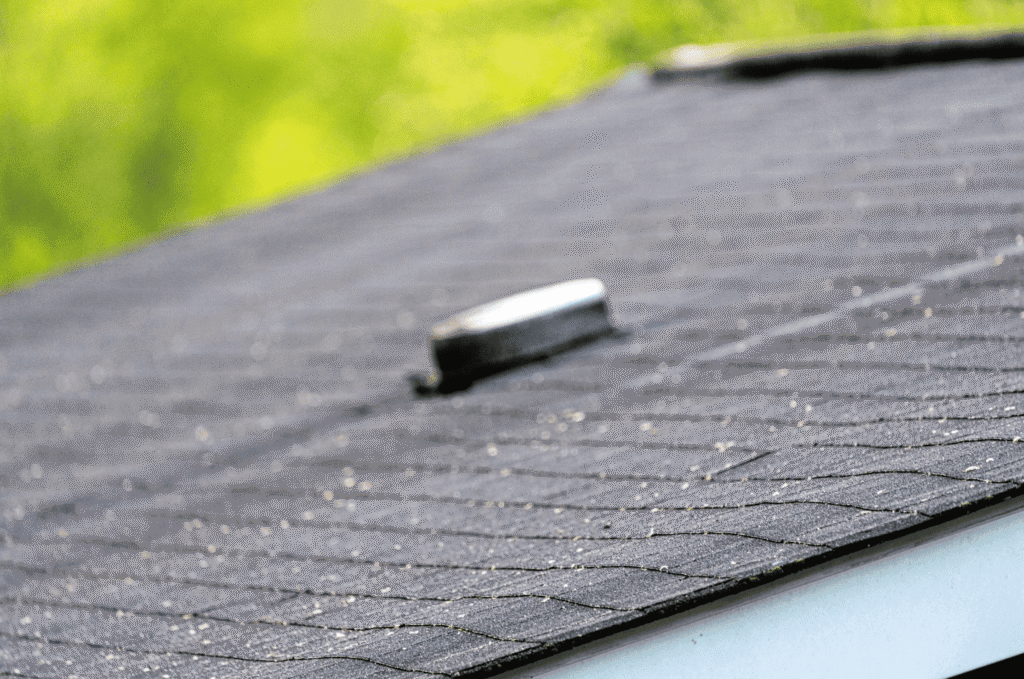
To patch roof hole, you need to identify the damage early, clean the affected area, and apply the right materials to seal it properly. A small roof hole may look harmless at first, but even a tiny opening can invite moisture, mold, and structural decay into your home. If left unaddressed, what starts as a minor issue can quickly turn into a major roof leak repair situation that costs thousands of dollars.
This guide covers everything you need to know about small roof hole repair, from spotting warning signs to choosing the right patching approach and knowing when professional roof patching services are the smartest move.
Table of Contents
Common Causes of Small Roof Holes
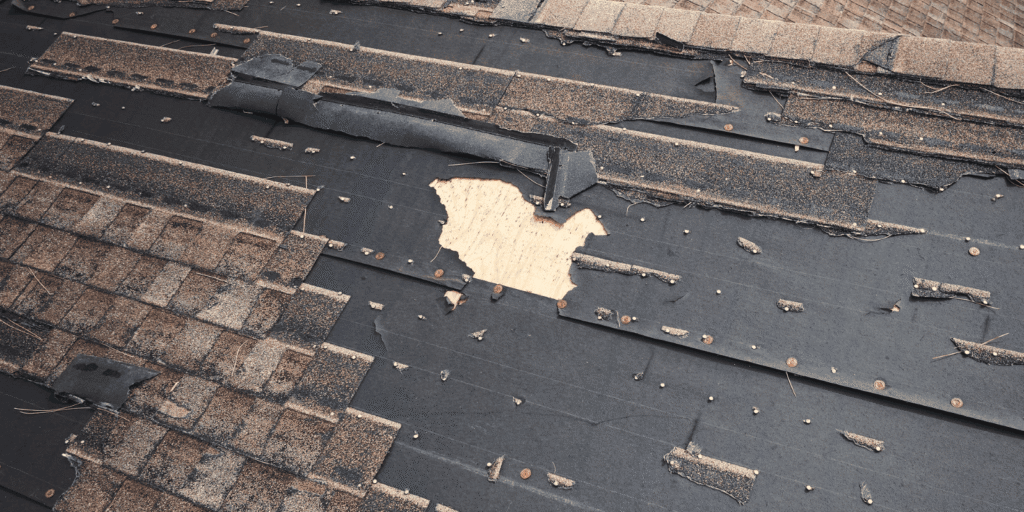
Understanding what creates roof holes is the first step toward preventing them. Most small roof holes develop gradually over time, often going unnoticed until water damage appears inside your home.
Weather and Storm Damage
Boston’s climate is particularly tough on roofing materials. Heavy snowfall, ice dams, and nor’easters can lift, crack, or displace shingles, leaving small openings exposed to the elements. Hailstorms can also puncture roofing materials, creating tiny holes that allow water to seep through. Understanding what damages your roof the most helps you trace the problem back to a specific cause before it spreads further.
Animal and Debris Damage
Squirrels, raccoons, and birds are common culprits behind small roof holes, especially in suburban neighborhoods. These animals chew or scratch through weakened roofing materials to access attic spaces. Falling tree branches can also cause punctures, particularly on older asphalt shingle roofs that have already lost protective granules. Keeping trees trimmed back from your roofline is one of the simplest ways to reduce this risk.
Aging Materials and Wear
Every roofing material has a lifespan. Asphalt shingles typically begin to deteriorate after 12 to 15 years in the Boston area, developing cracks and losing protective granules. When shingles fail, the underlayment becomes exposed and small holes can form quickly. Homeowners in Somerville and surrounding towns frequently see this type of age-related damage on older residential roofs.
How to Spot a Roof Hole Before It Spreads
Catching a roof hole early can save you from expensive roof water damage repairs down the road. Many homeowners miss the early signs because damage often starts small and hidden.
Interior Warning Signs
The first indication of a roof hole usually appears inside your home rather than on the roof itself. Look for water stains on ceilings, peeling paint, damp spots on walls, or a musty smell in your attic. These signs should prompt immediate attention before the damage spreads to insulation and framing. Learning small roof fix tips for Boston homeowners can help you act quickly when these warning signs appear.
Exterior Inspection Tips
From the ground or using binoculars, scan your roof for missing, cracked, or lifted shingles. Pay close attention to areas around chimneys, vents, and skylights, as flashing failures are a leading cause of small holes. Homeowners in areas like Brookline and nearby towns should schedule inspections after major storms.
The Role of Professional Inspections
While visual checks are helpful, a professional roof inspection using drone imaging and infrared scanning can reveal hidden moisture invisible to the naked eye. A certified roofer can identify weakened spots before they become full holes, saving you the cost of emergency roof repair later. Regular inspections every one to two years are recommended for roofs older than ten years.
Methods for Patching a Roof Hole
Once a roof hole is identified, choosing the right method to patch roof hole depends on the size, location, and type of roofing material involved. A proper patch not only seals the opening but also prevents future leaks.
Roofing Cement and Sealant Application
For very small holes and hairline cracks, roofing cement or a high-quality roof sealant can provide an effective seal. The area around the hole must be thoroughly cleaned and dried before application. Roofing cement is applied generously over and around the damaged spot, creating a waterproof barrier. Among available roof damage solutions, this approach works best as a short-term fix while a more permanent roof repair is planned by a qualified professional.
Patch and Membrane Repair
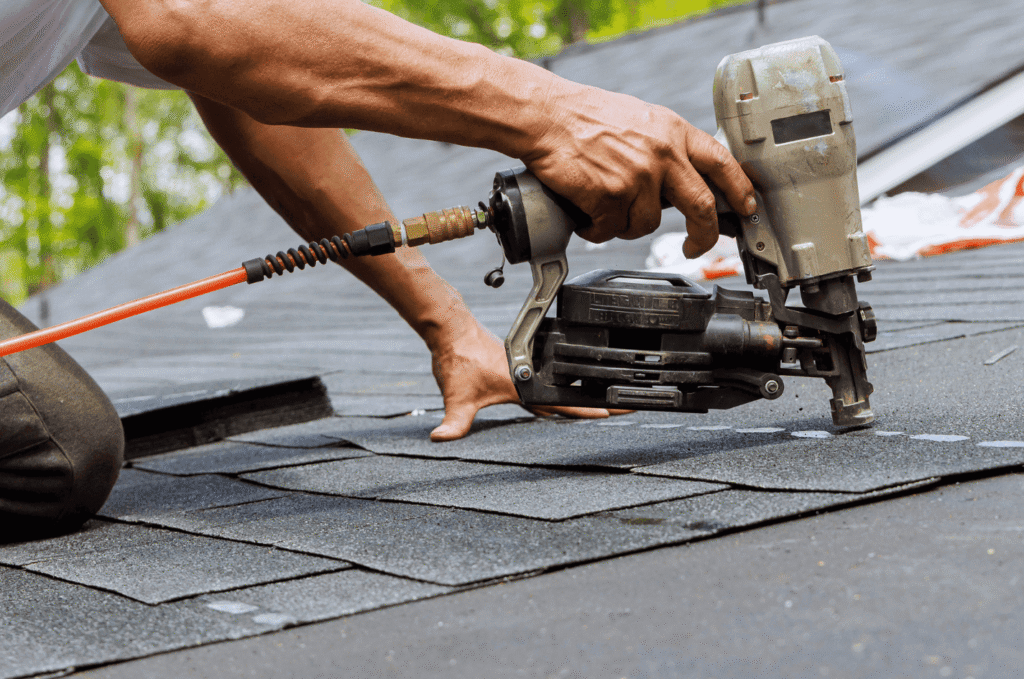
Larger holes require a more involved approach. A roofing patch, made from the same material as the existing roof, is cut to size and adhered over the damaged area using roofing adhesive. For flat roofs, membrane patches are commonly used to cover punctures. This method is the standard approach for residential roof repair when the surrounding materials are still in good condition.
Flashing Replacement
Many small roof holes occur at transition points where flashing has corroded or pulled away. Replacing damaged flashing around chimneys, vents, and roof valleys is essential for a lasting roof hole patch. New flashing should be properly sealed and integrated with surrounding shingles to prevent water intrusion. This type of repair requires precision and is best handled by experienced roof patching services.
When a Small Roof Hole Needs Professional Attention
Not every roof hole is suitable for a quick fix. Knowing when to call a professional can prevent a small problem from becoming a full roof replacement situation.
Signs the Damage Runs Deeper
If you notice sagging in your roof deck, soft spots when walking on the roof, or multiple areas of damage, the problem has likely moved beyond a simple patch. Roof water damage that has reached the decking or structural framing requires professional assessment. In some cases, what appears as a small hole is actually a symptom of widespread shingle failure that only a trained roofer can properly evaluate and fix.
Emergency Situations That Cannot Wait
Severe storms, fallen trees, or sudden leaks during heavy rain call for emergency roof repair. Attempting topatch a roof hole during active weather can be dangerous and ineffective. Professional roofing crews have the equipment to provide temporary weatherproofing quickly, followed by a permanent repair once conditions allow. Homeowners in Cambridge and surrounding areas should have a trusted roofer’s number on hand before storm season arrives.
Cost Considerations for Roof Hole Repair
The cost of patching a roof hole varies based on the extent of damage, materials needed, and labor involved. Minor patches using sealant may cost a few hundred dollars, while repairs involving flashing replacement or decking work can run higher. Homeowners in Newton and nearby communities find that every dollar spent on timely small roof hole repair saves significantly compared to addressing widespread water damage or premature roof replacement.
Preventing Future Roof Holes
The best approach to roof damage is prevention. Rather than waiting to patch a roof hole after it appears, proactive maintenance keeps your roofing system intact season after season. A few consistent habits can dramatically extend your roof’s lifespan and reduce the chance of holes developing.
Seasonal Maintenance Checklist
Inspect your roof at least twice a year, ideally in spring and fall. Clear debris from the roof surface and gutters to prevent moisture buildup, and check sealant around vents, skylights, and chimneys for cracks or gaps. After winter, look for signs of ice dam damage along the eaves. Scheduling regular professional inspections helps Greater Boston homeowners catch problems earlier and spend less on repairs over time.
Gutter and Drainage Care
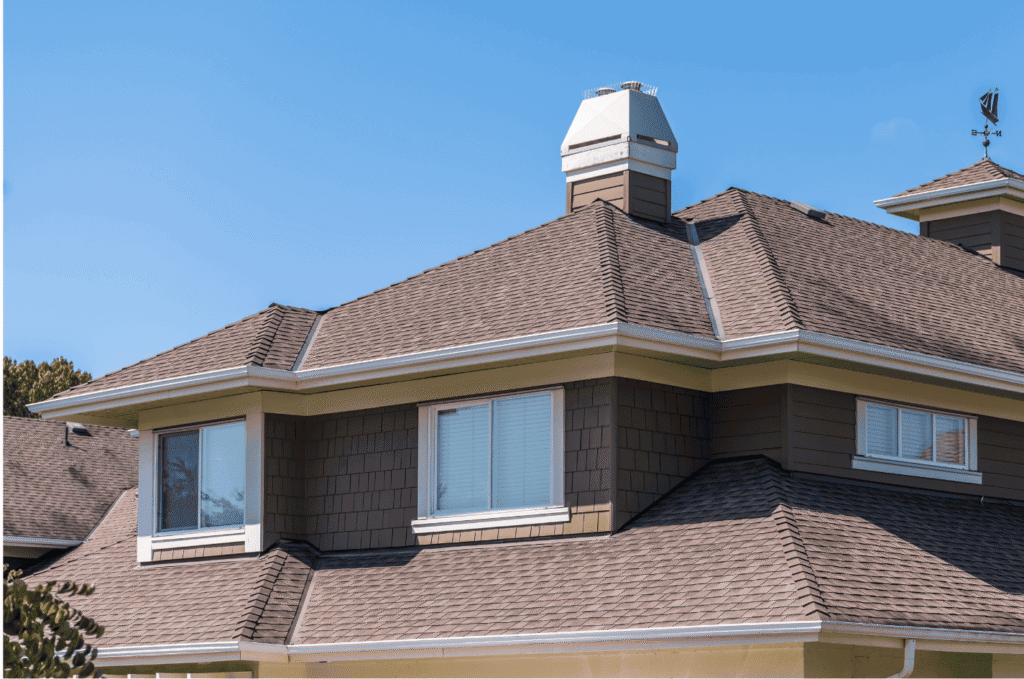
Clogged gutters are one of the most overlooked causes of roof damage. When water cannot flow freely off your roof, it pools and seeps under shingles, creating conditions for holes to form. Proper roof leak prevention starts with maintaining clear drainage paths across your entire roofing system. Cleaning your gutters at least twice a year and ensuring downspouts direct water away from your foundation is essential for protecting your home from preventable roof damage.
Working with a Trusted Roofing Partner
Having a reliable roofing company that knows your roof’s history makes ongoing maintenance far more effective. Regular professional inspections combined with prompt repairs keep small problems from becoming costly emergencies. CAN Roof Construction provides free drone roof inspections and a 10-year workmanship warranty for homeowners throughout Greater Boston.
If you need a roof hole patched or want peace of mind about your roof’s condition, contact our team for a no-obligation consultation.