
What Roofing Material Works Best for Coastal Homes?
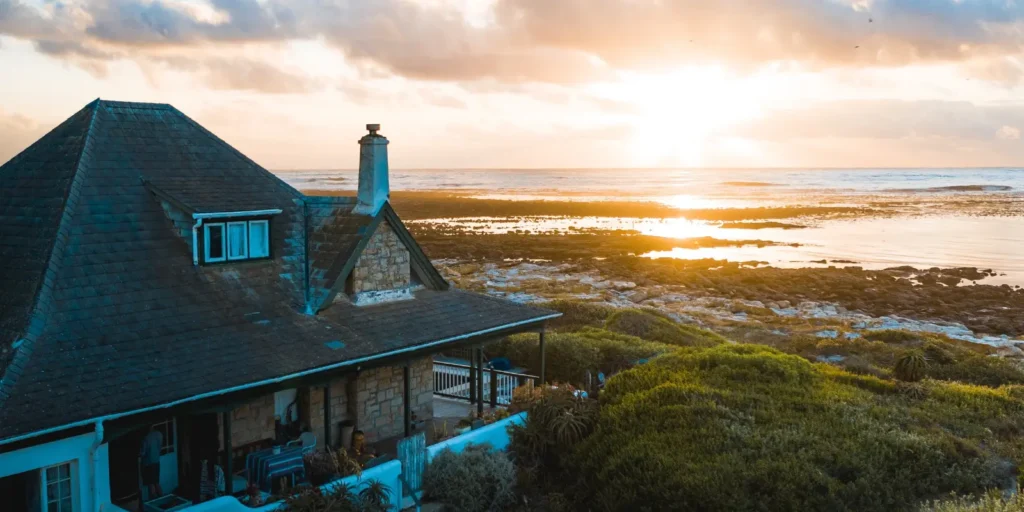
A home near the coast faces a roofing challenge most inland homes never deal with: salt-laden air that accelerates corrosion, combined with stronger, more frequent winds. Choosing the right roofing material for coastal homes means looking past the usual considerations of price and appearance and weighing how well a material actually holds up against salt, moisture, and wind over time.
In this guide, you’ll learn how coastal-rated asphalt shingles and flat roof systems perform in a coastal environment, and what else affects how long a coastal roof actually lasts.
Table of Contents

Why Coastal Homes Need Specialized Roofing Material
Coastal homes need specialized roofing material because salt air is genuinely corrosive, and standard roofing products can deteriorate much faster near the water than they would further inland. Salt particles carried on the wind settle on roofing surfaces and fasteners, and over time that exposure speeds up corrosion, weakens coatings, and shortens the lifespan of materials that aren’t built to handle it.
Wind is the other major factor. Coastal properties typically see stronger, more frequent wind events than inland homes, so a roofing material’s wind rating matters just as much as its resistance to salt and moisture. The right roofing material for a coastal home has to hold up to both challenges at once, not just one or the other.
Is an Asphalt Shingle Roof a Good Option Near the Coast?
Yes, an asphalt shingle roof can perform well near the coast, as long as it’s a product specifically rated for coastal conditions. Modern asphalt shingles designed for this environment often include algae-resistant granules and carry higher wind warranties than standard shingles, making them meaningfully more suited to coastal exposure than older or budget asphalt products. For many homeowners, a coastal-rated asphalt shingle roof offers a strong balance of performance and value.
What to Look for in Coastal-Rated Shingles
- Higher wind ratings: Look for shingles rated for the stronger, more frequent winds coastal homes experience
- Algae-resistant granules: Helps the roof resist staining and buildup in humid, salty air
- Corrosion-resistant fasteners and flashing: Even with asphalt shingles, the metal components underneath should be rated for salt exposure
- Reputable manufacturer lines: Premium product lines are often specifically engineered to resist moisture and salt degradation
Choosing the right coastal-rated shingle product makes a meaningful difference in how long an asphalt roof actually performs near the water.
Rubber Roof and Flat Roof Options for Coastal Properties
Many coastal properties, especially additions, porches, and some commercial buildings, include a flat roof or low-slope section that needs a different approach than sloped asphalt shingles. A rubber roof repair, such as an EPDM membrane, is a strong option here, since it forms a continuous, seamless waterproof barrier that handles slow drainage well.
Why Membrane Systems Work on Coastal Flat Roofs
- Seamless waterproofing: Fewer seams mean fewer potential entry points for wind-driven rain
- Flexibility: Rubber membranes handle temperature swings and movement without cracking
- Reflective membrane options: Light-colored membranes like TPO can help reduce heat buildup on sun-exposed low-slope roofs
- Proven performance: Single-ply membranes have a long track record on both residential and commercial low-slope roofs
For any coastal low-slope roof, pairing the right membrane with proper drainage and flashing is what actually keeps water out over the long run.
Matching the Material to Your Roof’s Slope
The shape of your roof narrows down your material options before anything else does, which is just as true on a coastal home as it is inland. A steep, sloped roof sheds water quickly by gravity, which is exactly the condition an asphalt shingle roof is designed for. A flat or low-slope roof section drains much more slowly, so it needs a continuous membrane like a rubber roof instead of overlapping shingles.
Many coastal homes actually use both materials together, asphalt shingles on the main sloped roof and a rubber or membrane system on a flat porch, dormer, or addition. Getting this match right for each section of the roof matters just as much near the coast as choosing a coastal-rated product in the first place.
What Else Affects Coastal Roof Performance
The visible roofing material is only part of the equation for a coastal roof. The components underneath and around it play just as large a role in how well the whole system resists salt, wind, and moisture over time.
Factors Beyond the Roofing Material Itself
- Fasteners and flashing: Should be corrosion-resistant regardless of which primary roofing material is chosen
- Underlayment: A quality underlayment adds an extra layer of protection against wind-driven rain
- Ventilation: Proper airflow helps manage the extra humidity common in coastal climates
- Installation quality: Even the best-rated material underperforms if it isn’t installed correctly for coastal wind loads
This is why choosing a coastal-rated material is only the first step, the full system has to be built to match.
Maintenance and Roof Inspection for Coastal Homes
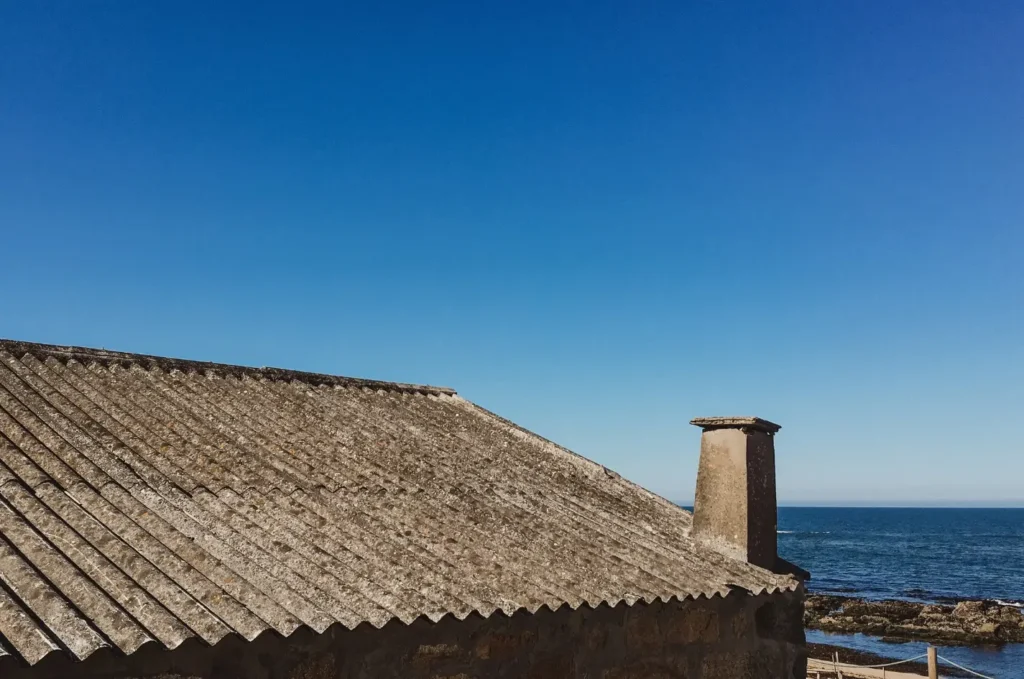
Coastal roofs generally need more frequent attention than inland roofs, simply because salt air works on materials faster. A regular roof inspection schedule, at least once or twice a year, helps catch early signs of corrosion on fasteners and flashing before they turn into a leak.
Rinsing accumulated salt deposits off the roof periodically, keeping gutters and drains clear, and addressing any small roof repair for Quincy houses promptly are all simple habits that go a long way toward protecting a coastal roof’s lifespan. Waiting too long between inspections is one of the most common reasons coastal homeowners end up facing a roof replacement earlier than expected.
Coastal Roofing Considerations for the Boston Area
Homes in and around Boston that sit closer to the North Shore coastline deal with a real mix of challenges: salt air exposure, strong nor’easter winds, and New England’s hard freeze-thaw winters, all in the same roof. That combination makes material choice and installation quality especially important here, more so than in a milder, purely coastal climate.
A roofing company Danvers homeowners trust should be able to speak to both sides of that equation, the coastal exposure and the harsh winters, rather than treating the project like a standard inland roof.
Choosing the Right Roofing Solution
Finding the right roofing material for a coastal home comes down to weighing corrosion resistance, wind performance, and your budget together, not picking a material based on reputation alone.
If you’re planning a roof project for a coastal or near-coastal property, CAN Roof Construction can help you weigh these options against your specific home, your budget, and how close you are to the water.
A coastal-rated asphalt shingle roof remains a practical, cost-effective option for sloped sections, while a rubber or membrane system handles flat and low-slope areas that shingles can’t cover well. Whatever material you choose, pairing it with corrosion-resistant components and quality installation is what actually determines how long it lasts.
Contact us whenever you’re ready to talk through what will actually hold up best on your roof.