
Temporary Roof Leak Fixes That Actually Work for Your Home
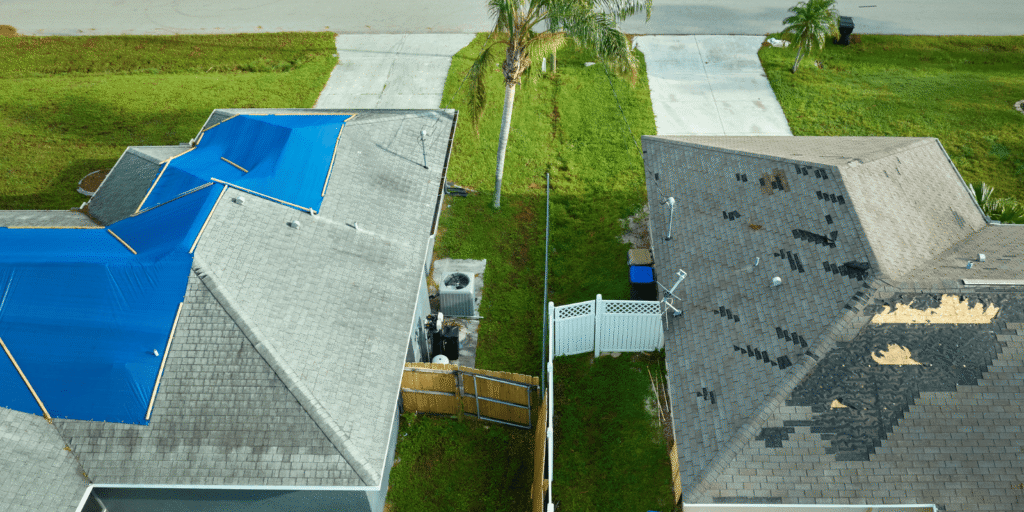
A temporary roof leak fix involves using materials like tarps, roofing cement, or sealant tape to stop water intrusion until a professional can complete a permanent repair. When a storm rolls through or you suddenly notice water stains spreading across your ceiling, knowing how to apply a temporary roof leak solution can mean the difference between minor cleanup and thousands of dollars in water damage. These quick fixes are not meant to replace professional roof leak repair, but they buy you critical time to protect your home’s interior and structural framing.
Table of Contents
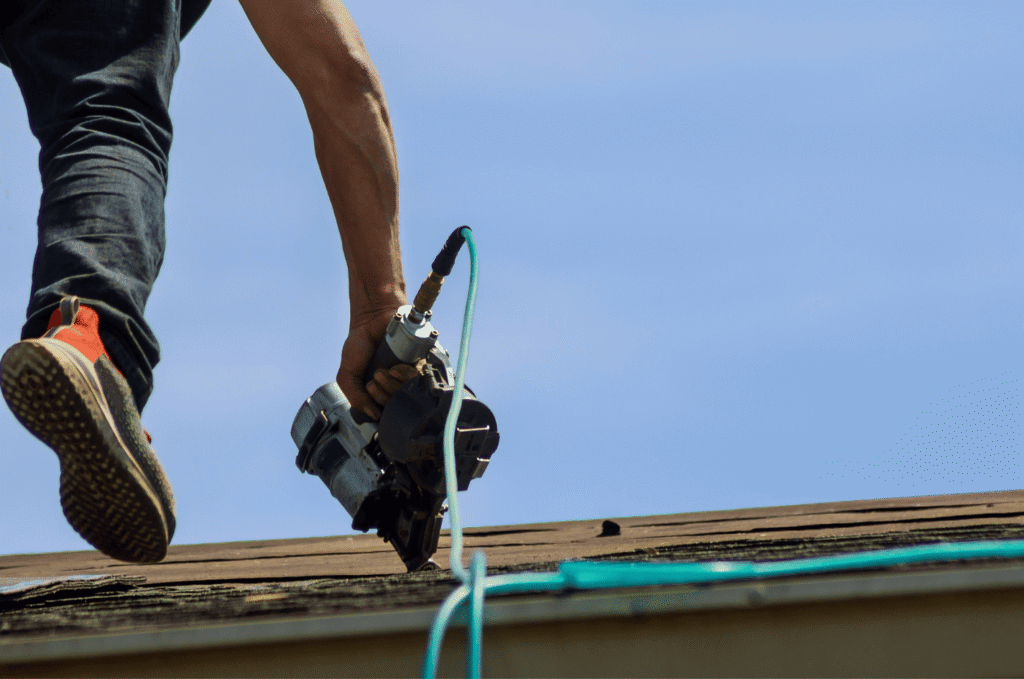
How to Spot a Roof Leak Before It Gets Worse
Before you can apply any temporary roof leak fix, you need to know exactly where the water is getting in. Locating the source quickly is the first step in any emergency roof leak repair.
Check Your Attic and Ceiling for Water Trails
Start inside your home by inspecting the attic with a flashlight. Look for wet insulation, dark streaks on the underside of the roof deck, or daylight peeking through gaps. Water often travels along rafters before dripping down, so the stain on your ceiling may not line up directly with the actual entry point.
If you do not have attic access, ceiling stains and bubbling paint are your best clues. Mark the affected area and measure its distance from exterior walls so you can estimate the location on the rooftop. Factors like wind, hail, and shingle failure all contribute to weak spots where leaks are most likely to develop.
Inspect Flashing and Roof Penetrations
Many roof leaks originate around flashing, which is the thin metal installed where the roof meets a wall, chimney, or vent pipe. Cracked caulking, lifted edges, or rusted flashing are common culprits behind a sudden leak.
Roof penetrations like plumbing vents and exhaust fans are also high-risk areas. The rubber boots around these pipes degrade over time and crack, allowing water to seep underneath shingles. Homeowners in Brookline and surrounding neighborhoods frequently deal with flashing failures due to the region’s freeze-thaw cycles.
Quick Fix for Roof Leak Using a Tarp
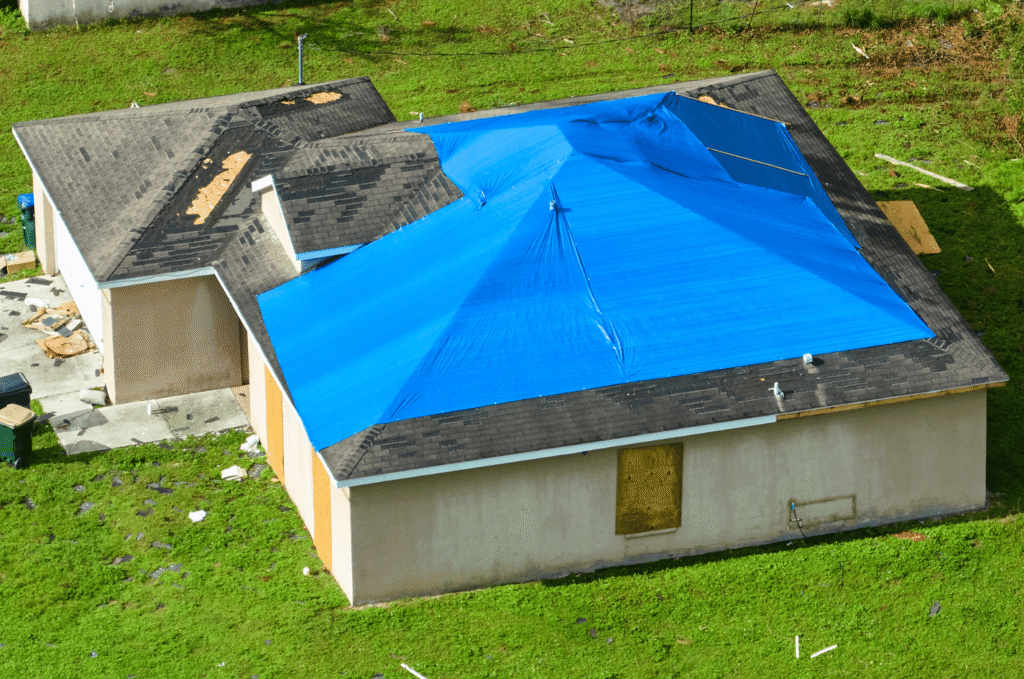
A roof tarp installation is one of the most effective methods for a temporary fix for leaking roof inside situations where rain is still active. Tarps create a barrier that redirects water away from the damaged area until permanent roof repair can be scheduled.
Choosing the Right Tarp Size and Material
Select a heavy-duty polyethylene tarp that extends at least four feet beyond the damaged section on all sides. Thicker tarps rated at 10 mil or higher resist tearing from wind and debris much better than lightweight options. The color does not matter for function, but a bright blue or orange tarp makes it easier for your roofing contractor in Cambridge to locate the problem area when they arrive for the permanent fix.
Avoid using thin plastic sheeting or garbage bags as substitutes. These materials tear quickly and can lead to more interior damage when they fail during the next rainfall.
Securing the Tarp Properly on Your Roof
Drape the tarp over the ridge of the roof so water flows down both sides rather than pooling on the damaged section. Use two-by-four lumber wrapped inside the tarp edges to create weighted anchors, then secure everything with screws driven into the roof deck through the lumber. This roof tarp installation method prevents wind from lifting the tarp while avoiding unnecessary nail holes.
Never stand on a wet roof without proper safety equipment. If the slope is steep or conditions are slippery, handle what you can from inside and call a professional for emergency roof leak repair. Homeowners in Wellesley and nearby towns often rely on local crews who can respond within hours.
Temporary Roof Leak Solutions You Can Apply from Inside
Not every temporary roof repair requires climbing onto the roof. Several effective methods allow you to manage a leak from the safety of your attic or interior, which is especially important during active storms or when roof access is unsafe.
Using Roofing Cement and Sealant Tape
If you can access the underside of your roof deck through the attic, roofing cement is an excellent quick fix for roof leak emergencies. Apply a thick layer of roofing cement directly over the area where water is entering, pressing it firmly into cracks or gaps. For small punctures, peel-and-stick sealant tape designed for roofing provides a fast, mess-free patch that holds up well as a temporary roof leak solution.
Keep in mind that these interior patches work best on minor leaks. If the water flow is heavy or the damaged area is large, interior sealants alone will not be sufficient. Learning how to patch a roof hole properly can help you handle moderate damage more effectively while you wait for professional assistance.
Redirecting Water with Buckets and Plastic Sheeting
When a temporary roof leak is actively dripping, your immediate priority is protecting your floors, furniture, and drywall. Place buckets directly beneath the drip and lay plastic sheeting over any furniture or electronics that cannot be moved. If the ceiling is bulging with trapped water, carefully puncture the lowest point with a screwdriver to release the water into a controlled container.
This approach does not fix the leak itself, but it is critical for managing the situation until a professional roof repair team can address the root cause.
Emergency Roof Repair Materials Every Homeowner Should Have
Being prepared with the right materials makes any temporary roof repair faster and more effective. A few key supplies stored in your garage can save you significant stress when a leak strikes without warning.
Building a Basic Roof Emergency Kit
Your emergency kit should include a heavy-duty tarp, roofing cement, a caulk gun with roof sealant, peel-and-stick flashing tape, a utility knife, and a bucket of roofing nails. Add a few two-by-four boards for tarp anchoring and a quality flashlight for attic inspections. Homeowners in areas like Quincy and the South Shore who experience frequent nor’easters benefit greatly from keeping these supplies on hand year-round, so stocking your kit before storm season is essential.
Knowing your roof material also matters when selecting emergency supplies. Choosing the right type of sealant or patch material that matches your specific roofing system makes a temporary roof leak fix far more effective and longer lasting.
Knowing When DIY Temporary Fixes Are Not Enough
A temporary fix for leaking roof inside your home is a short-term measure, not a long-term answer. If you notice sagging roof decking, multiple leak points, or large sections of missing shingles, the damage likely exceeds what any homeowner can safely manage alone. These signs point to structural issues that require professional roof installation or replacement rather than patchwork.
Additionally, repeated temporary roof leak fixes on the same area suggest an underlying problem that keeps recurring. Recognizing these warning signs early helps you decide when to stop patching and invest in a permanent solution.
Why Temporary Roof Leak Fixes Should Lead to Professional Repair
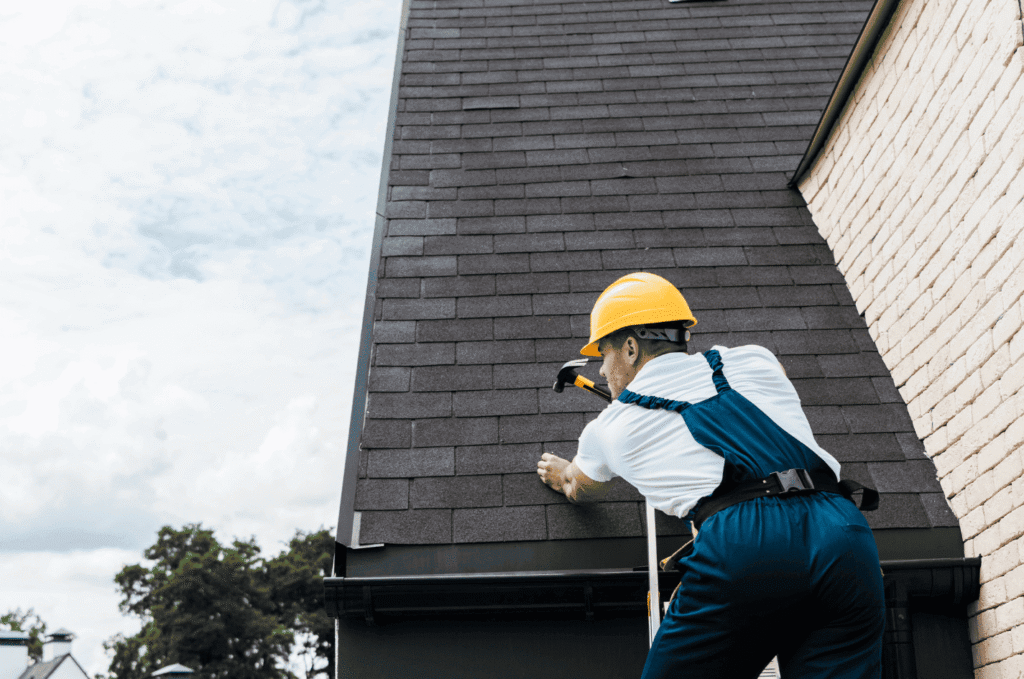
Every temporary roof leak solution is designed to be exactly that, temporary. The longer you rely on tarps, sealant, and buckets instead of scheduling a permanent roof leak repair, the greater the risk of hidden damage that becomes far more expensive to address later.
The Hidden Costs of Delaying Permanent Roof Repair
Water that enters your home even in small amounts feeds mold growth inside walls, softens structural wood, and degrades insulation. These problems develop silently behind your temporary roof leak patches and can take months to become visible. Trusted companies like CAN Roof Construction recommend acting quickly because the repair bill often doubles the longer a leak goes unaddressed.
Insurance claims for water damage also become more complicated when a known leak was left unaddressed. Documenting your temporary roof repair efforts and scheduling a professional follow-up promptly strengthens your claim. For a comprehensive guide on addressing roof issues before they escalate, review these roof repair tips that cover everything from inspection to long-term maintenance.
Scheduling a Professional Roof Assessment
Once your temporary roof leak fix is in place, the next step is getting a qualified roofer to inspect the damage and recommend a permanent solution. A thorough assessment includes checking the roof deck, underlayment, flashing, and shingle condition to determine whether a targeted repair or full replacement is the right path forward.
If your home is dealing with a roof leak that needs more than a temporary fix, contact us today to schedule your free inspection and get a lasting solution.