
Moss and Algae Prevention for Roofs | How to Keep It Clean?
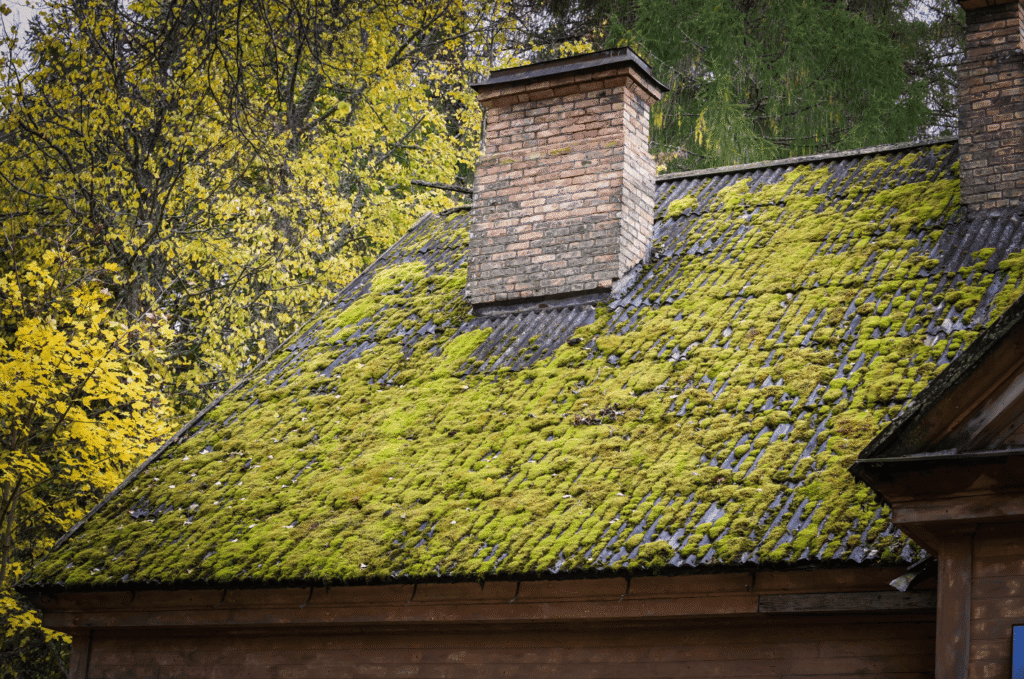
Preventing moss and algae on your roof requires a combination of proper roof maintenance, strategic trimming of overhanging branches, installation of zinc or copper strips, and regular roof cleaning to eliminate growth before it damages shingles.
Boston homeowners face particular challenges with moss and algae prevention roofs due to our humid climate, shaded neighborhoods, and seasonal weather patterns that create ideal conditions for organic growth.
Table of Contents
Difference Between Moss and Algae on Roof
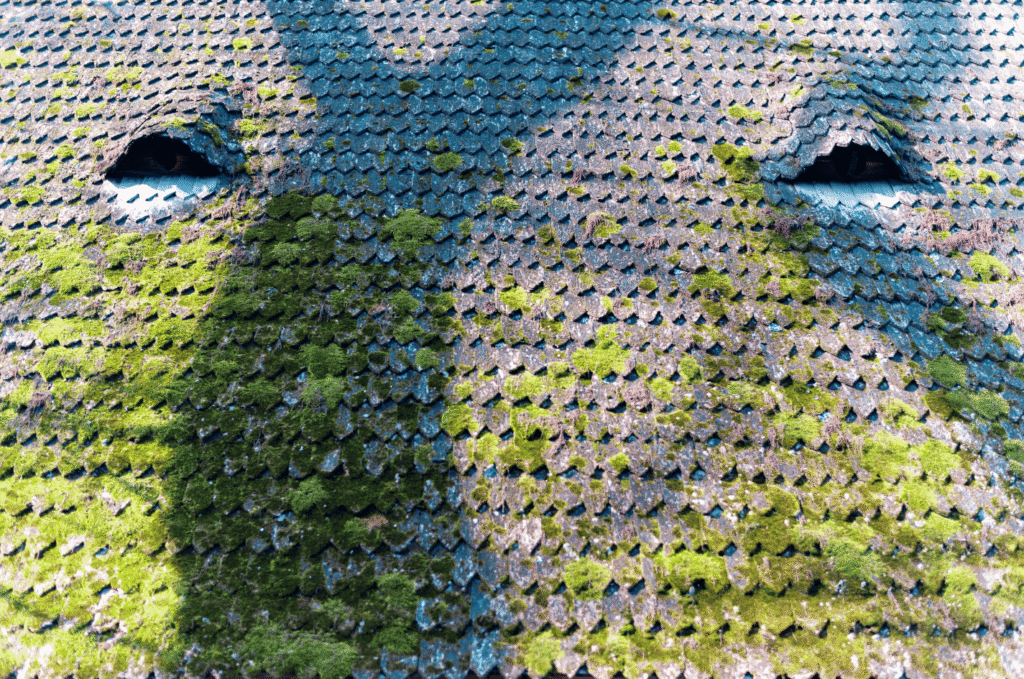
Recognizing the difference between moss and algae on roof surfaces determines the most effective treatment approach. While both organisms thrive in similar conditions, they affect your roof differently and require distinct removal strategies.
Identifying Algae Growth
Roof algae appears as dark streaks or discoloration running down your roof, typically black or dark green in color. The most common type, Gloeocapsa magma, feeds on the limestone filler in asphalt shingles. Algae creates a thin, flat layer on shingle surfaces rather than raised growth. While algae primarily affects appearance, it also retains moisture against shingles, accelerating granule loss and reducing roof lifespan.
Identifying Moss Growth
Moss appears as thick, green, carpet-like growth that raises off the roof surface. Unlike algae, moss develops root systems that penetrate beneath shingles in Benway, lifting edges and creating pathways for water infiltration. Moss thrives in heavily shaded areas where moisture persists, often growing thickest on north-facing roof sections. Because moss physically damages roofing materials, moss prevention and removal require more aggressive approaches than algae treatment.
How to Prevent Algae on Roof
Learning how to prevent algae on roof surfaces saves money on repeated cleaning and extends shingle life significantly. Prevention strategies work best when implemented before significant growth develops.
Zinc and Copper Strip Installation
Installing zinc or copper strips along roof ridges provides long-term algae prevention. When rain washes over these metal strips, it carries trace amounts of zinc or copper down the roof surface, creating an inhospitable environment for algae growth. This prevents roof moss in Boxford and algae method works continuously without maintenance, though strips require replacement every 10-20 years as they oxidize.
Improve Sunlight and Airflow
Trimming overhanging tree branches allows more sunlight to reach your roof while improving air circulation that helps surfaces dry quickly after rain. Since algae thrives in shaded, moist environments, increasing sun exposure naturally inhibits growth. Aim to maintain at least six feet of clearance between tree branches and your roof surface.
Consider Algae-Resistant Shingles
When replacing your roof, consider algae-resistant shingles that contain copper granules integrated into the roofing material. Major manufacturers including GAF and CertainTeed offer these options, providing built-in protection against algae growth for 10-15 years or longer. While slightly more expensive upfront, algae-resistant shingles reduce long-term roof maintenance costs significantly.
How to Prevent Moss on a Roof
Knowing how to prevent moss on a roof requires addressing the moisture retention that moss needs to survive. Effective moss prevention combines environmental modifications with regular roof maintenance.
Address Drainage and Debris Issues
Keep gutters clean and functioning properly to prevent water backup against roof edges where moss commonly starts. Remove leaves, pine needles, and debris from roof valleys and around penetrations where organic matter accumulates and retains moisture. Regular debris removal as part of roof maintenance eliminates the damp environment moss requires to establish itself.
Ensure Proper Attic Ventilation
Adequate attic ventilation reduces condensation that can contribute to roof moisture from below. When warm, humid air escapes through proper ridge and soffit ventilation, it prevents moisture buildup that moss exploits. Professional roof inspection can identify ventilation deficiencies that contribute to moss-friendly conditions.
Best Roof Algae Remover Options
Selecting the best roof algae remover depends on growth severity, your comfort with DIY applications, and environmental considerations. Several effective options exist for roof cleaning.
Commercial Roof Cleaning Products
Commercial roof algae remover products offer formulated solutions designed specifically for asphalt shingles. Look for products approved by shingle manufacturers to ensure compatibility. These roof cleaning solutions typically contain sodium hypochlorite or sodium percarbonate as active ingredients, providing effective algae elimination without damaging roofing materials when used as directed.
Homemade Moss Killer for Roof
A homemade moss killer for roof applications can be effective for minor growth. Mix one part household bleach with three parts water, adding a small amount of dish soap to help the solution adhere to surfaces. Apply during overcast conditions to prevent rapid evaporation, allow 15-20 minutes of contact time, then rinse thoroughly with low-pressure water. Always protect landscaping by wetting plants before and after application.
Another homemade moss killer for the roof uses oxygen bleach (sodium percarbonate) mixed with water. This gentler alternative poses less risk to vegetation while still effectively killing moss and algae. However, oxygen bleach requires longer contact time and may need repeated applications for heavy growth.
Specialized Moss Remover From Roof Products
For established moss, specialized moss remover from roof products penetrate thick growth more effectively than general-purpose cleaners. These formulations often include surfactants that help active ingredients reach moss root systems. Once moss removed from a roof dies, dead material typically washes away naturally over several weeks of rainfall.
What Time of Year Should You Remove Moss?
The best time of year to remove moss from roof surfaces in Franklin is late spring through early fall when temperatures remain moderate and rainfall helps rinse away treatment residue. Timing your moss removal correctly improves treatment effectiveness while minimizing safety risks.
Optimal Removal Conditions
Choose overcast days with temperatures between 50-70°F for roof cleaning applications. Direct sunlight causes cleaning solutions to evaporate before they can work effectively, while freezing temperatures prevent proper chemical action. Avoid cleaning immediately before expected rain, as precipitation can wash away treatments before they penetrate moss growth.
Best Time of Year to Remove Moss From Roof
For Boston homeowners, late April through early June offers ideal conditions, mild temperatures, adequate moisture for rinsing, and enough warm weather ahead for treatments to work before winter. Fall cleaning in September through October also works well, addressing growth that accumulated during humid summer months. Avoid winter cleaning when ice and snow create dangerous working conditions and repair prove ineffective.
Boston-Specific Moss and Algae Challenges
Boston’s climate creates specific challenges for moss and algae prevention roofs that homeowners throughout the region must address.
Boston’s humid summers provide extended periods of moisture that algae and moss require to thrive. Coastal proximity adds salt-laden air that can accelerate shingle deterioration, making prevent roof moss and algae efforts even more important. Frequent fog and morning dew keep roof surfaces damp longer than in drier climates, giving organic growth more opportunity to establish.
Winter Weather Impact
Hanson’s freeze-thaw cycles compound moss damage significantly. Water absorbed by moss expands when it freezes, forcing shingle edges upward and creating gaps where additional moisture enters. Snow accumulation on moss-covered areas retains moisture against roofing materials longer, accelerating deterioration. Addressing moss before winter prevents this seasonal damage escalation.
Trust CAN Roof Construction for Expert Roof Maintenance
CAN Roof Construction provides comprehensive roof maintenance and inspection services throughout the Greater Boston and Metro West region. Our 5-star rated team identifies moss and algae problems early, recommending effective solutions that protect your roof investment for years to come.
Effective moss and algae prevention for roofs starts with understanding your roof’s current condition. CAN Roof Construction’s free drone inspection reveals existing growth, identifies vulnerable areas, and provides clear recommendations for protecting your Boston home.
Contact CAN Roof Construction today to schedule your roof replacement.