
Roof Underlayment Types and Importance: Your Complete Guide
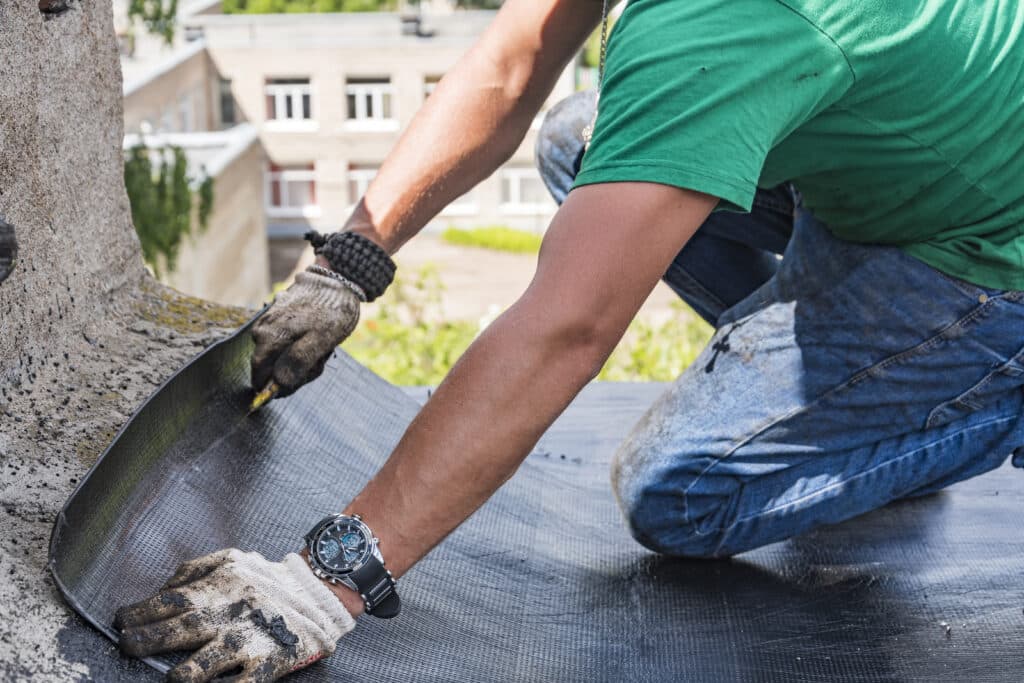
When you think about your roof, you probably picture the shingles or tiles on top. But there is something very important hiding underneath. This layer is called roof underlayment. It protects your home from water damage.
Many homeowners do not know about this layer. But it plays a big role in keeping your house dry and safe. Without good underlayment, water can leak into your home. This can cause expensive repairs.
Table of Contents
What Is Roof Underlayment?
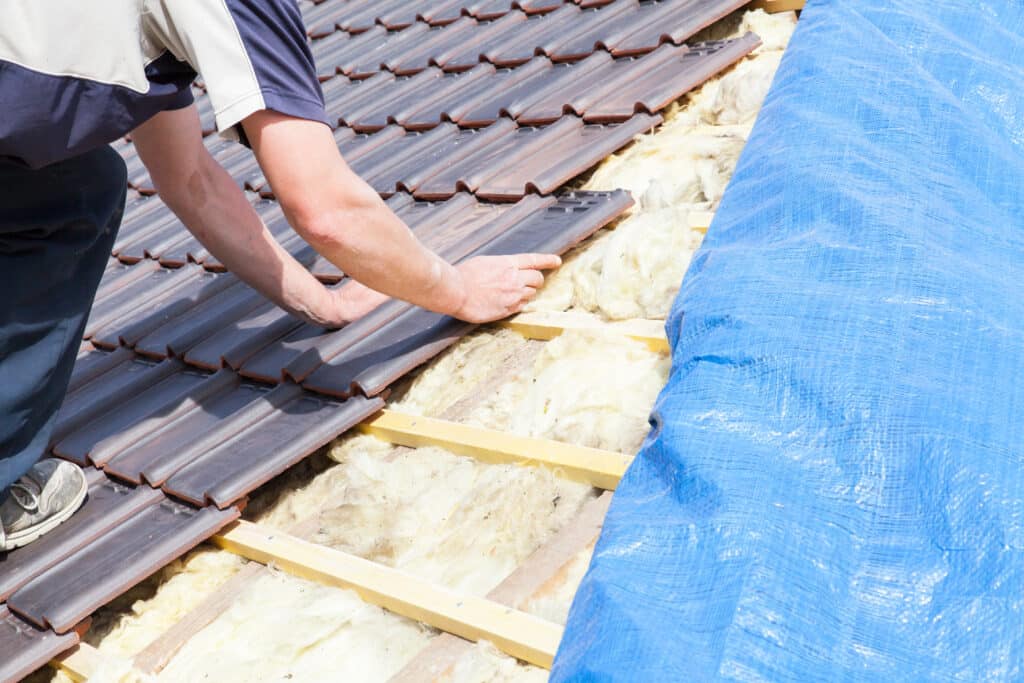
Roof underlayment is a protective layer. It goes between your roof deck and your shingles. The roof deck is the wooden base of your roof. The underlayment sits on top of this wood.
This layer stops water from reaching the wood. When water touches wood for a long time, problems start. The wood can rot. Mold can grow. Your roof can become weak.
Why Is Roof Underlayment Important?
Your roof faces many challenges. Rain, snow, ice, and wind can all cause damage. Shingles are your first line of defense. But they are not perfect.
Sometimes wind lifts shingles. Sometimes rain blows sideways. Ice can form and push under shingles. When this happens, water can get past your shingles.
This is where underlayment helps. It acts as a moisture barrier. Water that gets past shingles hits the underlayment instead. The underlayment stops the water from going further.
Here are the main benefits of good underlayment:
Leak Prevention: Underlayment stops water from entering your home. Even small leaks can cause big problems over time.
Deck Protection: Your roof deck is made of wood. Underlayment keeps this wood dry and strong.
Extra Weather Protection: During storms, underlayment provides backup protection when shingles fail.
Longer Roof Life: Good underlayment helps your entire roof last longer.
Types of Roof Underlayment
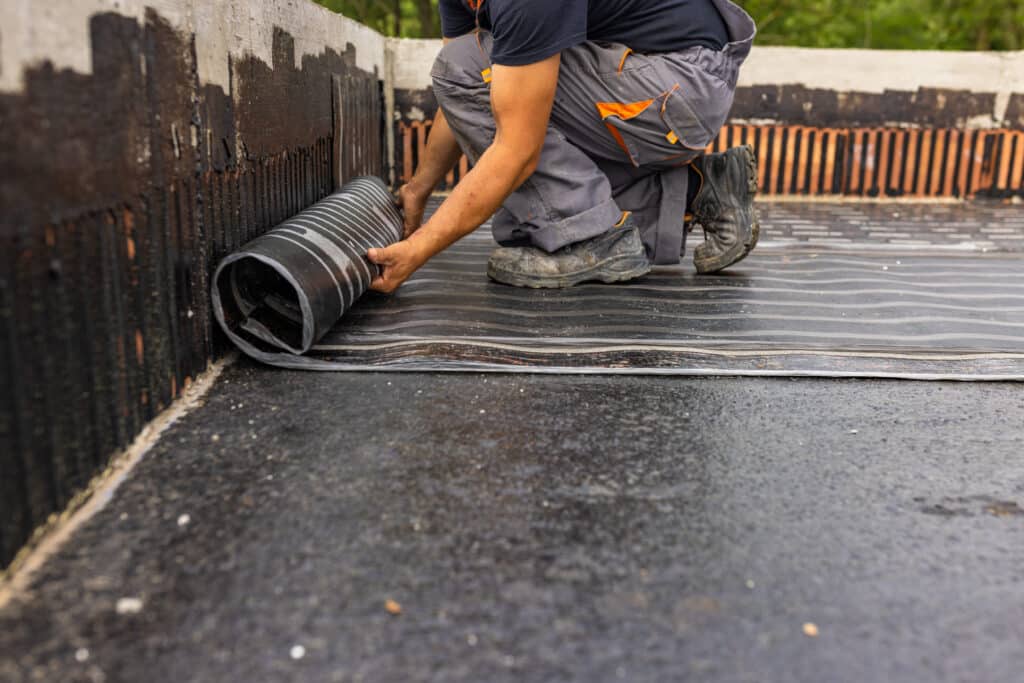
There are three main types of underlayment. Each type has its own benefits. Let us look at each one.
Asphalt-Saturated Felt Underlayment
This is the oldest type of underlayment. We have used it for many years for Brookline roofs. It is also called felt paper or tar paper.
Felt underlayment is made from paper or fiberglass. This material is soaked in asphalt. The asphalt makes it water-resistant.
Advantages of Felt Underlayment:
- Very affordable
- Easy to find at any store
- Works well in most climates
- Roofers have used it for decades
Disadvantages of Felt Underlayment:
- Can tear during installation
- Gets slippery when wet
- May wrinkle in hot weather
Synthetic Underlayment
Synthetic underlayment is a newer option. It is made from plastics like polypropylene or polyethylene. Many roofers now prefer this type.
This underlayment is very strong. It does not tear easily. Workers can walk on it safely, even when wet. It also lies flat and smooth.
Synthetic underlayment is lightweight. This makes it easier to carry and install. It also resists mold and fungus growth.
Advantages of Synthetic Underlayment:
- Very durable and strong
- Does not tear or wrinkle easily
- Lightweight and easy to handle
- Resists mold and rot
- Can be left exposed longer during construction
Disadvantages of Synthetic Underlayment:
- Costs more than felt
- Some types are not breathable
Rubberized Asphalt Underlayment
This is also called ice and water shield. It is the most protective type of underlayment. It creates a completely waterproof seal.
Rubberized asphalt underlayment has a sticky back. It sticks directly to your roof deck. When you put nails through it, it seals around the nails. This stops any water from getting in.
This type is especially good for problem areas. Roofers use it around chimneys, vents, and valleys. They also use it at the edge of roofs where ice can form.
Advantages of Rubberized Asphalt:
- Completely waterproof
- Seals around nails
- Best protection for problem areas
- Excellent for cold climates with ice
Disadvantages of Rubberized Asphalt:
- Most expensive option
- Harder to install
- Usually not used for entire roof
How to Choose the Right Underlayment
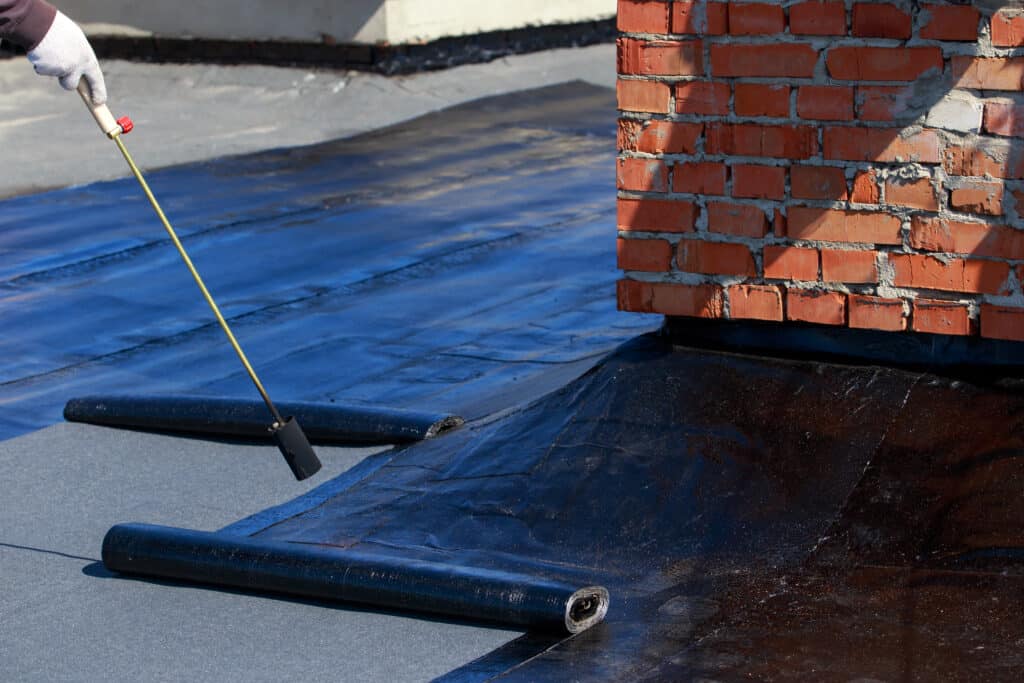
Choosing the right underlayment depends on several things. Think about these factors:
Your Climate: If you live in a cold area, you need good ice protection. Rubberized asphalt works best near the edges. If you live in a hot area, synthetic underlayment handles heat better.
Your Budget: Felt is cheapest. Synthetic costs more but lasts longer. Rubberized asphalt costs the most but gives the best protection.
Your Roof Type: Some roofing materials work better with certain underlayments. Ask a professional roofer for advice.
Local Building Codes: Your area may require specific types of underlayment. Check local rules before deciding. Building codes can vary from Boston to Belmont for roofing requirements.
Conclusion
Roof underlayment is a vital part of your roofing system. It provides essential deck protection against water damage. Without proper underlayment, your home is at risk.
Whether you choose felt, synthetic, or rubberized asphalt, make sure your roof has good underlayment. This investment protects your home for years to come.
If you need help choosing the right underlayment, contact a professional roof installation expert. CAN Roof can recommend the best roofing materials guide for your specific needs.
Contact us today for more information and selection.