
Why Choose Synthetic Roofing Tiles? Eco-Friendly Option
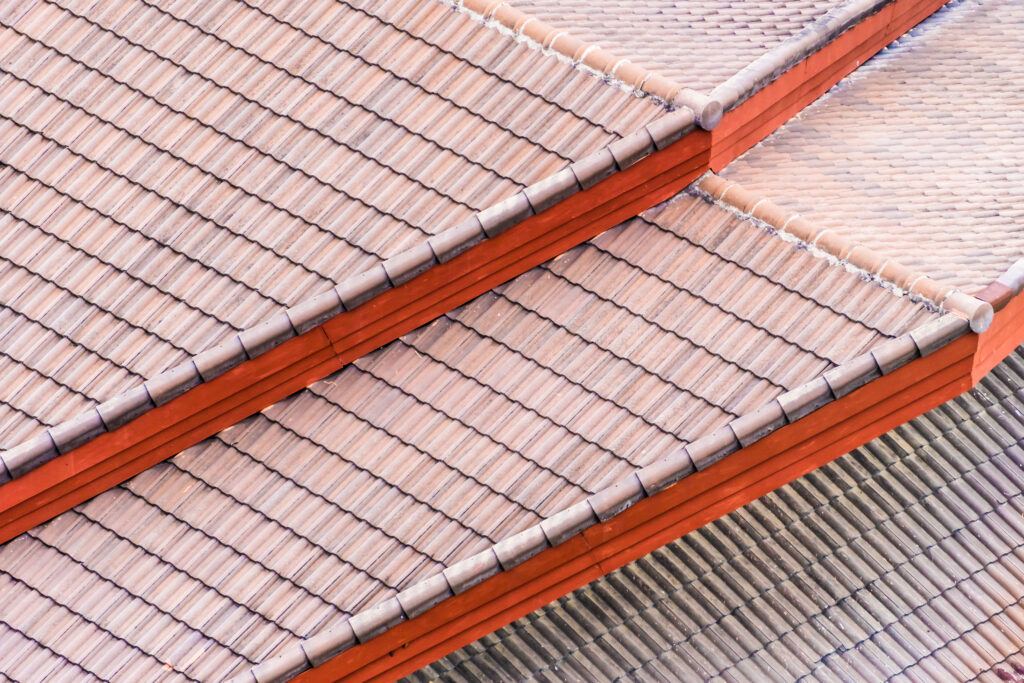
Modern synthetic materials can deliver stunning looks, serious durability, and environmental benefits that traditional roofing simply can’t match.
But are synthetic roof tiles good enough to replace the real thing? That’s the question worth exploring.
Table of Contents
What Exactly Are Synthetic Roofing Tiles?
Think of synthetic roofing tiles as the great impersonators of the roofing world. Manufacturers create them from engineered polymers, rubber compounds, and recycled plastics. Advanced molding techniques capture every detail of natural materials. The grain of slate. The curves of Spanish clay. The texture of cedar shake. From street level, most people cannot tell the difference.
The Weight Advantage Changes Everything
Natural slate weighs around 800 to 1,500 pounds per square (that’s 100 square feet of roofing). Synthetic slate roofing tiles? About 150 to 200 pounds for the same coverage. We’re talking roughly 75 percent less weight sitting in your home.
Older places weren’t always built to handle heavy roofing materials. Adding natural slate or clay often requires structural reinforcement. That means opening walls, adding beams, and spending thousands before a single tile goes up. Synthetic tiles skip all of that. Most existing roof structures handle them without any modifications.
Installation becomes easier too. Lighter materials mean faster work, fewer crew members, and lower labor costs.
The Eco-Friendly Story Behind Synthetic Tiles
Old tires, recycled plastics, and post-industrial waste get transformed into beautiful roofing products. Materials that would otherwise sit in landfills for centuries become part of homes instead. Some manufacturers use up to 95 percent recycled content in their tiles.
The environmental benefits don’t stop at production. Mining natural slate scars mountainsides. Firing clay tiles consumes enormous energy. Harvesting cedar depletes forests. Synthetic production has a fraction of this environmental footprint. For homeowners who care about sustainability, the choice becomes clearer.
When your synthetic roof eventually reaches the end of life, many products can be recycled again. The cycle continues rather than ending.
How Long Does a Synthetic Roof Last?
Longevity concerns come up in almost every conversation about synthetic roofing tiles. Homeowners wonder if these manufactured products can truly compete with materials that have proven themselves over centuries. The answer might surprise you.
Quality synthetic tiles typically carry warranties of 50 years. Some manufacturers guarantee their products for the lifetime of the home. Real-world performance backs up these claims. Synthetic materials resist cracking, fading, and weathering in ways that natural materials sometimes cannot.
Natural slate can crack under impact or during freeze-thaw cycles. Clay tiles become brittle with age. Synthetic tiles flex slightly under stress and return to shape. They handle hail, fallen branches, and foot traffic better than their natural counterparts. Many roofers now consider synthetic options more durable overall, not less.
Style Options From Classic to Contemporary
Spanish Synthetic Roofing Tiles
The barrel-shaped profile of Spanish tiles has graced Mediterranean, Southwestern, and California-style homes for generations. Authentic clay versions look gorgeous but come with serious drawbacks. They’re heavy, fragile, and expensive to repair when individual tiles crack.
Spanish synthetic roofing tiles capture that distinctive curved silhouette perfectly. They install faster because of their lighter weight. They survive impacts that would shatter clay. And Spanish synthetic roofing tiles cost significantly less than authentic terra cotta while delivering the same curb appeal.
Polycarbonate Spanish tile roof panels offer another variation worth considering. These larger panel systems cover more area with fewer pieces. Installation goes even faster. The material handles UV exposure exceptionally well, maintaining color and integrity for decades under harsh sun.
Synthetic Slate Roofing Tiles
Nothing says elegance quite like a slate roof. Those deep grays, subtle purples, and natural variations create timeless beauty. But natural slate presents challenges. Quarrying impacts the environment significantly. Transportation costs add up because of extreme weight. Finding skilled installers grows harder each year as fewer craftsmen learn the trade.
Synthetic slate roofing tiles solve these problems beautifully. Modern manufacturing replicates slate’s distinctive texture and color variations with remarkable accuracy. Each tile looks slightly different, just like natural stone. Stand back twenty feet and you’ll swear you’re looking at authentic slate.
Synthetic Roofing Tiles Cost
Synthetic roofing tiles cost more than basic asphalt shingles. There’s no getting around that fact. You’ll typically pay two to four times what standard shingles would cost for materials alone.
But here’s the fuller picture. Compare synthetic to the natural materials they imitate, and the story changes completely.
Factor in the longer lifespan and reduced maintenance needs. Calculate the money saved by avoiding structural reinforcement. Consider lower installation labor costs. Suddenly synthetic roofing tiles cost looks like smart economics rather than premium pricing.
What Are the Disadvantages of Synthetic Slate Roofing?
Honesty matters when making big decisions. Synthetic roofing isn’t perfect for every situation.
Authenticity purists will always spot differences up close. The weight and feel differ from natural materials. Historic preservation committees sometimes reject synthetic options for landmark properties. If absolute authenticity matters to you, synthetic may not satisfy.
Some products have limited track records. Natural slate has proven itself over centuries. The best synthetic tiles have perhaps 30 years of real-world data. Manufacturers’ claims beyond that remain projections rather than proven facts.
Quality varies dramatically between brands. Cheap synthetic tiles exist, and they perform cheaply. Fading, warping, and premature failure plague budget products. Sticking with established manufacturers and realistic price expectations avoids most problems.
Is Synthetic Right for Your Home?
After weighing everything, how do you decide? Start by asking what you truly want from your roof.
If you love the look of premium roofing materials but your budget or home structure creates barriers, synthetic tiles open doors that would otherwise stay closed. You can achieve that Mediterranean villa appearance or stately slate aesthetic without compromise.
If environmental impact weighs on your conscience, synthetic options align with those values better than most alternatives. Using recycled materials while reducing mining and harvesting makes a real difference.
If practical performance matters most, synthetic delivers. Lighter weight, impact resistance, and straightforward maintenance create a roof that works hard without demanding much attention.
Whatever direction you choose, work with Can Roof’s experienced contractors who know these products well. Proper installation matters as much as material quality.
Call us now for all kind of roofing services: +1 (857) 415 7727