
What Damages Your Roof Most? Threats Homeowners Must Know
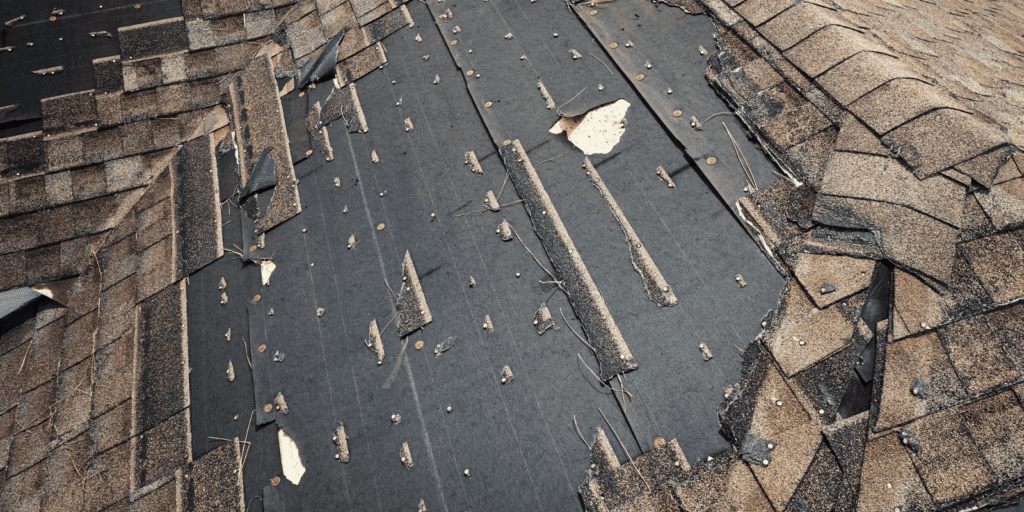
Moisture is the single greatest source of roof damage, quietly breaking down your roofing system long before dramatic events like storms ever strike. While high winds and hail grab attention, the slow accumulation of water, condensation, and trapped humidity accounts for the majority of premature roof failures across New England homes. Understanding the common causes of roof damage is the first step toward preventing costly repairs and protecting your biggest investment.
In this guide, we break down the top threats that shorten your roof’s lifespan and share practical roof maintenance tips every homeowner should follow.
Table of Contents
Severe Weather and Storm Damage to Your Roof
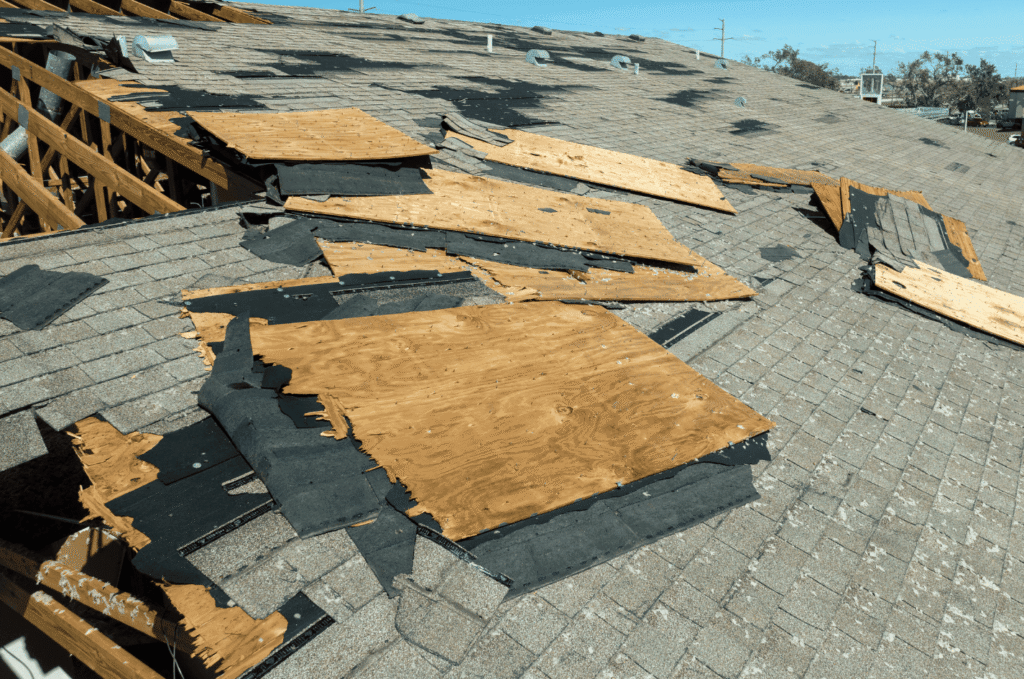
No conversation about roof damage is complete without addressing what Mother Nature throws at your home each season. Storm damage roof concerns top the list for Boston-area homeowners, where nor’easters, thunderstorms, and winter ice create a relentless cycle of stress on roofing materials.
Hail and High Wind Impacts
Hail is one of the most destructive forces your roof can face. Even moderate hailstones crack shingles, dislodge protective granules, and expose the underlayment to water infiltration. High winds above 45 mph compound the problem by lifting shingle edges and tearing away flashing. Edges and ridgelines suffer first because wind pressure concentrates there. After a severe storm, scheduling a roof inspection is the smartest move before hidden damage spreads.
Ice Dams and Freeze-Thaw Cycles
When heat escapes from a poorly insulated attic, it melts snow on the upper roof sections. That meltwater refreezes at the colder eaves, forming a ridge of ice that traps water behind it. This standing water seeps under shingles, soaking the roof deck and leaking into ceilings and insulation. Homeowners dealing with Cambridge roof repairs know how quickly a single winter can accelerate roof aging when ice dams go unaddressed.
Heavy Rain and Water Pooling
Flat and low-slope roofs are especially vulnerable to ponding, where water collects in low spots instead of draining properly. Even on pitched roofs, damaged shingles create entry points for rainwater that saturate the underlayment over time. Ensuring proper drainage is one of the most overlooked yet critical roof maintenance tips for long-term protection.
Signs of Roof Damage From Poor Maintenance
Many homeowners don’t realize that neglect causes just as much roof damage as severe weather. Recognizing the early signs of roof damage helps you act before small fixes turn into full replacements.
Clogged Gutters and Drainage Failures
Your gutter system is your roof’s first line of defense against water damage. When gutters fill with debris, water pools along the roofline, seeps under shingles, and saturates fascia boards. In winter, clogged gutters contribute directly to ice dam formation. Regular gutter cleaning twice a year prevents overflow and protects both your roof and foundation from moisture damage.
Ventilation and Flashing Issues
Poor attic ventilation traps heat and humidity beneath the roof deck, baking your shingles from below. This causes premature curling, cracking, and granule loss that shortens the lifespan of asphalt roofing by years. Meanwhile, flashing around chimneys, vents, and valleys is often the first component to fail. Even small openings from corroded flashing can grow quickly, so knowing how to patch small roof holes before they expand is essential for every homeowner.
Environmental Threats That Cause Roof Damage Over Time
Beyond storms and maintenance lapses, your roof faces constant environmental exposure that gradually wears down its protective layers. These slower-acting threats are responsible for significant roof damage when left unchecked.
UV Radiation and Heat Exposure
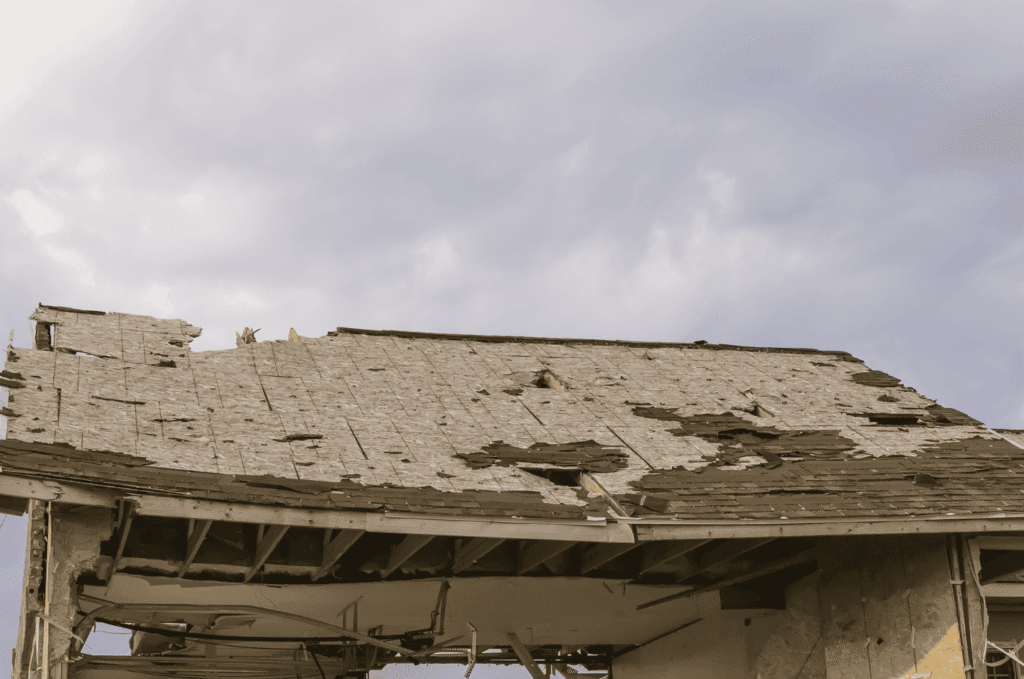
Constant UV exposure breaks down asphalt shingles, causing them to become brittle, shrink, and lose their protective granule coating. Daily temperature swings stress roofing materials at every joint and seam. South-facing sections typically show degradation years before other areas. Homeowners in South Boston often discover that sun exposure was a bigger factor in their roof’s decline than any single storm.
Moss, Algae, and Tree Damage
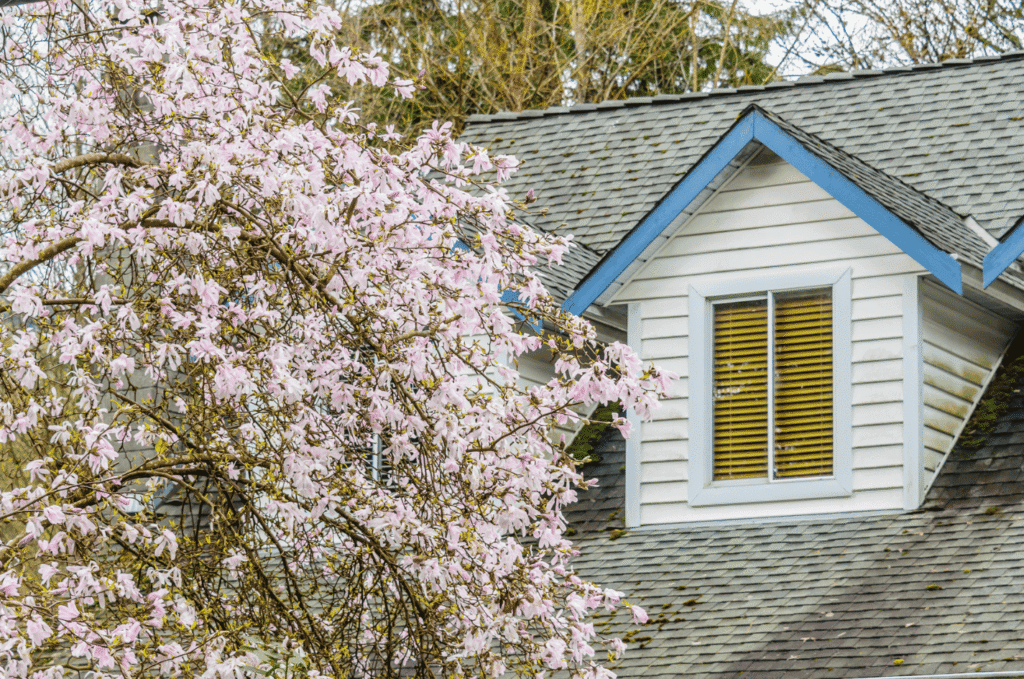
Shaded roof areas create ideal conditions for moss and algae, which trap moisture directly against shingles. Moss roots lift shingle edges and create channels for water infiltration. Understanding shingle failure causes helps homeowners recognize that biological growth is far more than cosmetic. Overhanging tree branches also scrape away granules during wind, and falling limbs can puncture the roof deck entirely. Keeping branches at least six feet from your roofline is a simple way to protect your roof.
How Improper Installation Leads to Roof Damage
Not all roof damage comes from nature or neglect. Some of the most costly problems originate during installation itself. A poorly installed roof may look fine initially, but hidden flaws surface as the system faces real-world conditions.
Faulty Nailing and Missing Underlayment
Shingles nailed too high, too low, or at incorrect angles lack the wind resistance specified by manufacturers. Missing ice and water shield in critical areas leaves the roof deck unprotected during heavy rain or snowmelt. These shortcuts void warranties and create vulnerabilities that lead to premature roof leaks. A Cambridge roof inspection by certified professionals can identify installation problems before they cause interior damage.
Foot Traffic and Workmanship Errors
Roofs aren’t designed for regular walking. Each step can crack or shift shingles, especially when asphalt softens in hot weather. Improperly mounted equipment like satellite dishes or HVAC units creates penetration points that often develop roof leaks within a few years if not properly sealed.
How to Protect Your Roof With Proactive Care
Knowing the threats is only half the equation. Taking consistent, proactive steps is how you protect your roof from premature failure and avoid costly emergencies.
Seasonal Inspection Routines
A thorough homeowner roof inspection should happen at least twice a year, once in spring and again in fall. Look for cracked or missing shingles, rust on flashing, sagging gutters, and debris in valleys. Check your attic for water stains or musty smells that indicate hidden moisture. Homeowners across Greater Boston know how quickly weather shifts can reveal new vulnerabilities.
Professional Assessments and Emergency Planning
Many common causes of roof damage are invisible from the ground. Professional roofers use drone technology and infrared scanning to find issues homeowners can’t detect on their own. When storm damage roof concerns arise, professional documentation also strengthens insurance claims significantly. Every homeowner should also know where to turn when sudden roof damage strikes, having a plan for fixing your roof ensures that urgent situations are handled quickly and correctly.
Your roof protects everything underneath it, and understanding what threatens it most is the key to keeping it strong. Whether you’re dealing with storm damage, aging materials, or maintenance gaps, CAN Roof Construction is here to help homeowners across Greater Boston with expert inspections, reliable repairs, and honest guidance. Contact us today for a free roof assessment and take the first step toward lasting protection.