
Spring Roof Maintenance Checklist: Protect Your Boston Home
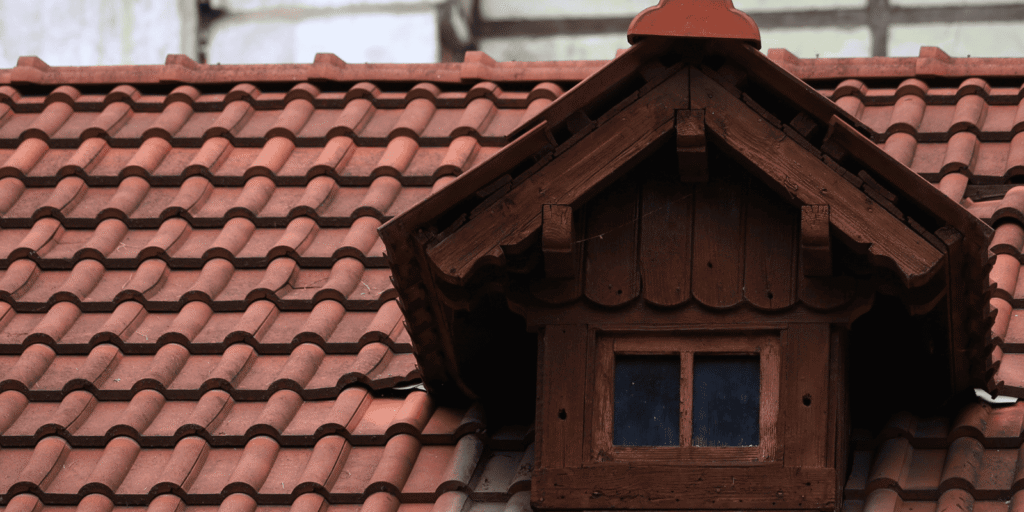
Spring roof maintenance is essential for Boston homeowners who want to catch winter damage early and prepare their roofs for the warmer months ahead. After enduring heavy snow, ice dams, and freeze-thaw cycles, your roof needs attention to ensure small problems do not become expensive repairs.
A thorough spring roof inspection and maintenance routine can extend your roof’s lifespan by years while preventing water damage, mold growth, and structural issues. This comprehensive roof maintenance checklist walks you through every task needed to keep your roof in peak condition.
Table of Contents
Why Is Spring Roof Maintenance Important?
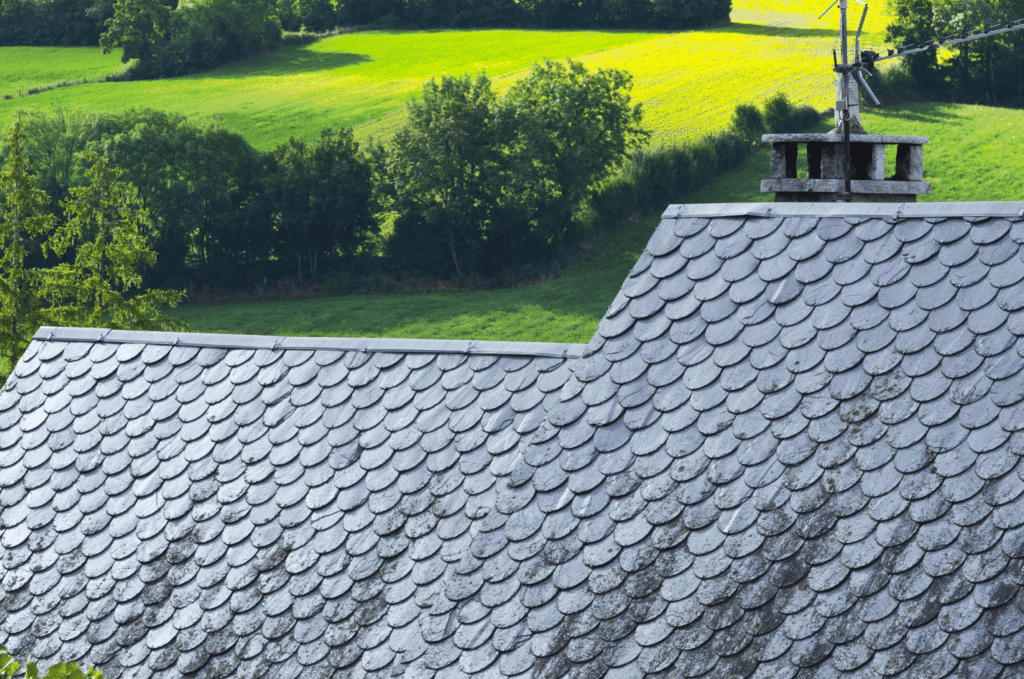
Spring roof maintenance is important because it reveals hidden winter damage before spring rains turn minor issues into major leaks. Boston winters are particularly harsh on roofing systems, with the region experiencing approximately 100 freeze-thaw cycles annually. Each cycle stresses shingles, flashing, and sealants, creating opportunities for water intrusion that proper maintenance addresses.
Benefits of spring maintenance include:
- Early problem detection: Identify damage when roof repair is still simple and affordable
- Extended roof life: Regular care adds 5-10 years to your roof’s serviceable lifespan
- Lower energy costs: Proper ventilation and insulation improve efficiency
- Preserved home value: Well-maintained roofs protect your investment
- Peace of mind: Know your home is protected before summer storms arrive
Complete Spring Roof Maintenance Checklist
This comprehensive roof maintenance checklist covers every area requiring attention after winter. Work through each section systematically to ensure nothing gets overlooked. Some tasks are safe for homeowners while others require professional assistance.
1. Perform a Visual Inspection from Ground Level
Start your spring roof inspection in Bellingham with a careful look from the ground using binoculars. This safe approach reveals obvious damage without requiring ladder access. Walk around your entire home, examining the roof from multiple angles.
Look for these warning signs:
- Missing, cracked, or curling shingles
- Sagging areas along the roofline or between rafters
- Damaged or missing flashing around chimneys and vents
- Debris accumulation in valleys
- Visible moss or algae growth
- Damaged soffit or fascia boards
2. Clean and Inspect Gutters and Downspouts
Winter leaves debris, ice residue, and granules from aging shingles in your gutters. Clogged gutters cause water to back up under roofing materials, leading to rot, leaks, and foundation damage. Proper drainage is critical for protecting your entire home.
Gutter maintenance tasks:
- Remove all leaves, twigs, and debris from gutters
- Flush downspouts with a garden hose to clear blockages
- Check for sagging sections or loose hangers
- Inspect seams and end caps for leaks
- Verify downspouts direct water at least 4-6 feet from foundation
- Note excessive granule accumulation indicating shingle wear
3. Remove Debris from Roof Surface
Leaves, branches, and debris trap moisture against roofing materials, accelerating deterioration and promoting biological growth. Roof cleaning in Cambridge removes these hazards and allows proper water drainage. However, aggressive cleaning methods can damage shingles, so gentle approaches work best.
Safe debris removal tips:
- Use a soft broom or leaf blower for loose debris
- Clear valleys where debris naturally accumulates
- Remove branches resting against the roof surface
- Avoid pressure washing, which damages shingles
- Consider professional cleaning for moss or algae treatment
4. Inspect Flashing and Seals
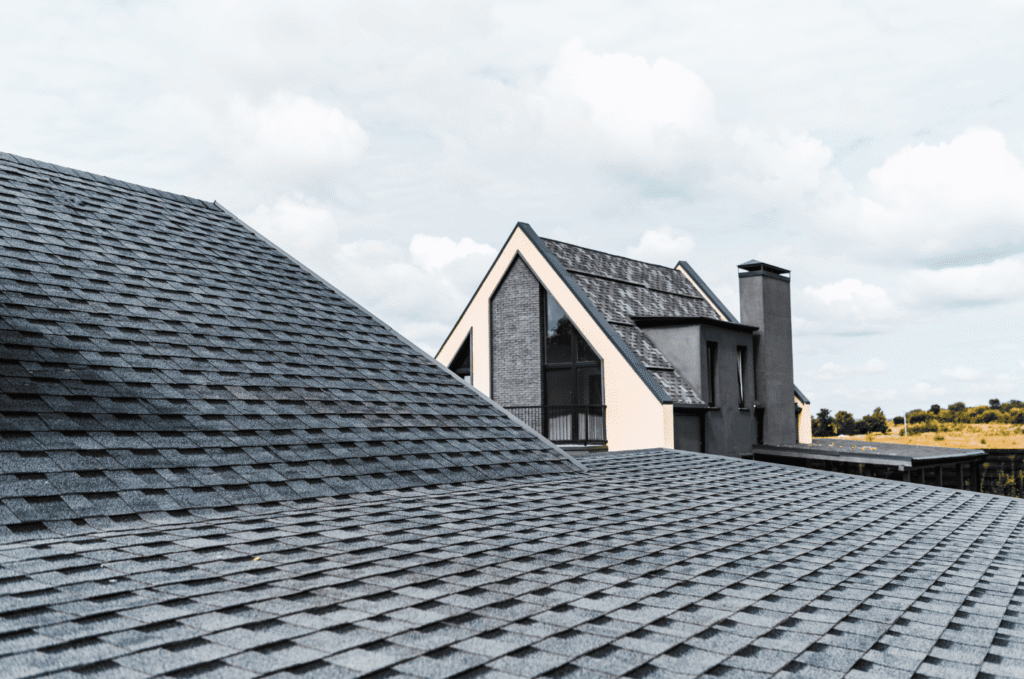
Flashing protects vulnerable transition points where your roof meets walls, chimneys, vents, and skylights. Winter ice expansion and contraction can break seals and loosen flashing, creating pathways for water intrusion. Damaged flashing is one of the most common causes of roof leaks in Bedmond.
Check these flashing areas:
- Chimney flashing for gaps, rust, or separation
- Vent pipe boots for cracking or deterioration
- Skylight seals and surrounding flashing
- Wall-to-roof transitions
- Valley flashing for corrosion or damage
- Drip edge along eaves and rakes
5. Check the Attic Interior
Your attic tells the story of how well your roof performed during winter in Holliston. Signs of moisture intrusion, inadequate ventilation, or insulation problems often appear here first. A flashlight inspection reveals issues invisible from outside.
Attic inspection checklist:
- Water stains on rafters, sheathing, or insulation
- Daylight visible through the roof deck
- Mold or mildew growth indicating moisture problems
- Proper soffit and ridge vent airflow
- Insulation displacement or compression
- Signs of pest intrusion through roof openings
6. Trim Overhanging Branches
Tree limbs hanging over your roof create multiple problems. They drop debris, provide pest access, scrape shingles during wind, and shade areas where moisture accumulates. Spring is ideal for trimming before leaves create additional work.
Tree maintenance guidelines:
- Maintain 6-10 feet clearance between branches and roof
- Remove dead branches that could fall during storms
- Hire an arborist for large or high branches
- Consider impact on shade and cooling during summer
7. Schedule a Professional Inspection
While homeowners can handle basic maintenance, professional assessment catches problems invisible to untrained eyes. Experienced roof inspectors identify subtle damage, evaluate remaining roof life, and recommend whether roof repair, roof restoration, or roof replacement makes the most sense for your situation.
Professional inspection benefits:
- Expert identification of hidden damage
- Accurate assessment of roof condition and remaining life
- Documentation for insurance purposes
- Written report with prioritized recommendations
- Cost estimates for any needed work
When Should You Call a Professional?
You should call a roof repair professional when you discover damage beyond basic maintenance, when safety concerns prevent self-inspection, or when your roof is approaching the end of its expected lifespan. Some situations require expert assessment and specialized skills that homeowners should not attempt.
Contact a roofing professional when you notice:
- Multiple missing or damaged shingles
- Active leaks or water stains appearing inside
- Sagging roof sections indicating structural issues
- Extensive granule loss in gutters
- Ice dam damage along eaves
- Flashing failures around penetrations
- Your roof is over 15-20 years old
How Does Maintenance Prevent Costly Repairs?
Roof maintenance prevents costly repairs by addressing small issues before they escalate into major problems. A missing shingle costs $100-$200 to replace the whole roof but can cause thousands in water damage if ignored. Regular attention keeps repair costs manageable while delaying expensive roof installation projects.
Cost comparison:
- Annual maintenance: $200-$500 for professional inspection and minor repairs
- Neglected leak repair: $1,000-$3,000 including interior damage
- Emergency repairs: $500-$2,000 with premium charges for urgent service
- Premature replacement: $8,000-$20,000+ that could have been delayed years
Serving Boston and Surrounding Communities
CAN Roof Construction provides comprehensive spring roof maintenance services throughout Greater Boston. From Cambridge roof repair to Quincy roof repair and everywhere in between, our experienced team helps homeowners protect their investment with professional care tailored to New England’s demanding climate.
We proudly serve Boston, Cambridge, Somerville, Brookline, Newton, Quincy, and all surrounding communities with professional roofing services you can trust. Let our experts ensure your roof is ready for whatever the seasons bring.
Start Your Spring Roof Maintenance Today
Spring is the perfect time to assess winter damage and prepare your roof for the year ahead. Following this roof maintenance checklist helps you catch problems early, extend your roof’s lifespan, and avoid expensive emergency repairs. Whether you handle basic tasks yourself or prefer professional service, taking action now protects your home and saves money in the long run.