
Rubber Roof Membranes: Pros, Cons, and Installation Guide
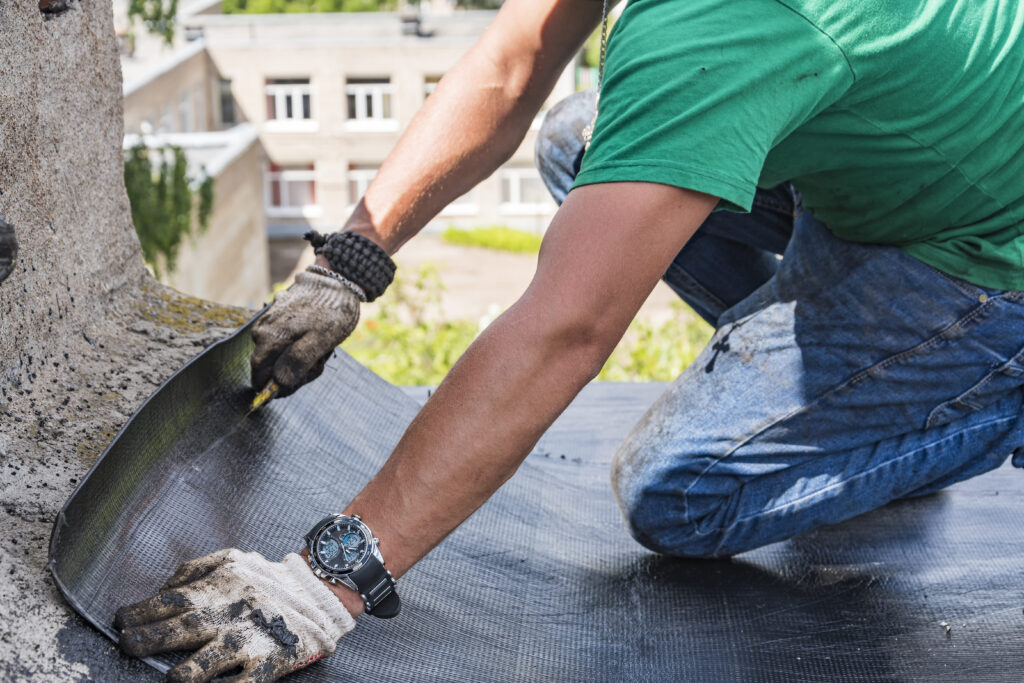
If you have a flat or low-slope roof, you’ve probably heard about rubber roofing. It’s one of the most popular choices for commercial buildings, and more homeowners are discovering its benefits every year. But what exactly is a rubber roof membrane? And is it the right choice for your property?
Table of Contents
What Is a Rubber Roof Membrane?
A rubber roof membrane is a type of roofing material made from synthetic rubber. The most common type is called EPDM, which stands for ethylene propylene diene monomer. Don’t worry about remembering that name. Most people just call it rubber roofing or EPDM roofing.
This material comes in large rolls that can stretch anywhere from 7 to 50 feet wide. Roofers roll it out across your roof deck, creating a seamless barrier that keeps water out. Think of it like putting a giant waterproof blanket over your building.
Today, it covers millions of square feet of commercial and residential roofs across the country.
The Pros: Why People Choose Rubber Roofs
Long Lifespan
A properly installed rubber roof can last 25 to 40 years. Some have lasted even longer with good maintenance. Compare that to traditional asphalt shingles, which typically need replacing every 15 to 20 years. Over time, this longevity can save you thousands of dollars.
Affordable Installation
Rubber roofing costs between $4 and $10 per square foot, including materials and labor. For a 1,500 square foot roof, that works out to roughly $6,000 to $15,000. While not the cheapest option out there, the long lifespan makes it a solid value.
Weather Resistant
Rubber membranes handle extreme temperatures like a champ. They expand and contract with the seasons without cracking. Whether you’re dealing with scorching summers or freezing winters, EPDM holds up. It also resists UV rays, ozone, and harsh weather conditions that would damage other roofing materials.
Easy Repairs
When damage does occur, rubber roofs are fairly simple to fix. Small punctures or tears can be patched with special EPDM tape or patch kits. Many handy homeowners can handle roofing repairs themselves. For bigger issues, a professional can usually complete repairs in just a few hours.
Environmentally Friendly
Here’s something that might surprise you. Rubber roofing is 100% recyclable. When it finally reaches the end of its life, the material can be ground up and used again. The manufacturing process also has a relatively low environmental impact compared to other roofing options.
The Cons: What You Should Know
No roofing material is perfect. Here are the downsides you should consider before choosing rubber.
Prone to Punctures
Rubber membranes can be punctured by falling branches, hail, or even foot traffic from maintenance workers. Thicker membranes (60 or 90 mil) offer better protection, but they cost more. If you have trees near your roof or need frequent rooftop access, this is worth thinking about.
Seam Vulnerability
The seams where rubber sheets meet are the weak points of any EPDM roof. Over time, the adhesives holding these seams together can dry out and fail. This creates small gaps where water can sneak in. Regular inspections help catch seam problems early before they become expensive leaks.
Shrinkage Over Time
As rubber roofs age, they can slowly shrink. This pulling effect creates stress around the edges, especially near walls and penetrations like vents or skylights. Poor installation makes this problem worse. That’s why hiring an experienced installer matters so much.
Appearance
Let’s be honest. Rubber roofs aren’t the prettiest option. Most come in black, which can look industrial. White and tan options exist, but the selection is limited. If curb appeal is a top priority and your roof is visible from the street, you might prefer a different material.
How Rubber Roofs Are Installed
There are three main ways to install a rubber roof membrane. Each method has its own advantages.
Fully Adhered
The membrane is glued directly to the roof deck using special adhesive. This creates a strong bond across the entire surface. Fully adhered systems work well in areas with high winds because there’s no space for air to get underneath and lift the membrane.
Mechanically Attached
Fasteners and plates secure the membrane to the roof deck at regular intervals. This method is faster and often cheaper than full adhesion. It also allows the membrane to move slightly with temperature changes, reducing stress on the material.
Ballasted
The membrane is laid loose over the roof and held in place with heavy ballast, usually river rock or concrete pavers. This approach works best on completely flat roofs that can handle the extra weight. It’s cost-effective and makes future repairs easier since nothing is permanently attached.
When Should You Choose a Rubber Roof?
Rubber roofing makes the most sense in certain situations. Consider it if:
- You have a flat or low-slope roof (less than 3:12 pitch)
- You want a long-lasting solution without breaking the bank
- Your property experiences extreme temperature swings
- You need roofing for a commercial building, garage, or addition
- Environmental sustainability matters to you
On the other hand, rubber might not be your best bet if you have a steep roof, live in an area with lots of trees and debris, or care deeply about how your roof looks from the ground.
The Bottom Line
Rubber roof membranes offer a practical, durable solution for flat and low-slope roofs. They’re affordable, long-lasting, and handle harsh weather without complaint. Yes, they have some drawbacks. Seams can fail. Punctures happen. They’re not winning any beauty contests.
But for many property owners, the benefits far outweigh the downsides. With proper installation and regular maintenance, a rubber roof can protect your building for decades.
Ready to Get Started?
Whether you need a new rubber roof installation, repairs, or just want an honest assessment of your current roof’s condition, CAN Roof Construction is here to help. CAN Roof Construction is experienced with EPDM specifically. Your roof is one of the most important parts of your building. Contact us today and let’s build your roof together.
Call us today at (857) 415-7727 for a free consultation and roof inspection.
Or visit us online to schedule your appointment.
Email: info@canroofconstruction.com