
Understanding Roofing Estimates: Line-by-Line Breakdown
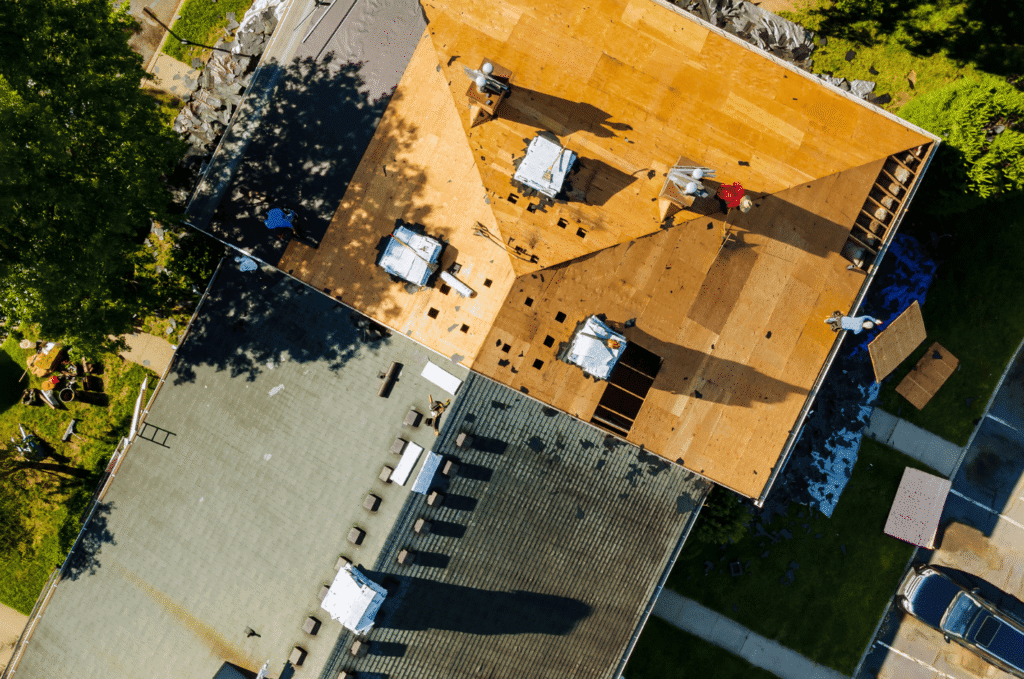
Receiving a roof estimate can feel overwhelming when you are staring at a document filled with unfamiliar terms, measurements, and cost categories. Whether you are planning a roof repair, considering roof replacement, or budgeting for a new roof on a construction project, understanding exactly what goes into roofing estimates empowers you to make confident decisions and avoid unexpected expenses.
This comprehensive guide breaks down every component of professional roofing estimates, explains how contractors calculate costs using roofing calculator square feet measurements, and helps you compare proposals accurately. By the time you finish reading, you will understand industry terminology, recognize fair pricing, and know exactly what questions to ask before signing any roofing contract.
Table of Contents
How Do I Estimate the Cost of a New Roof?
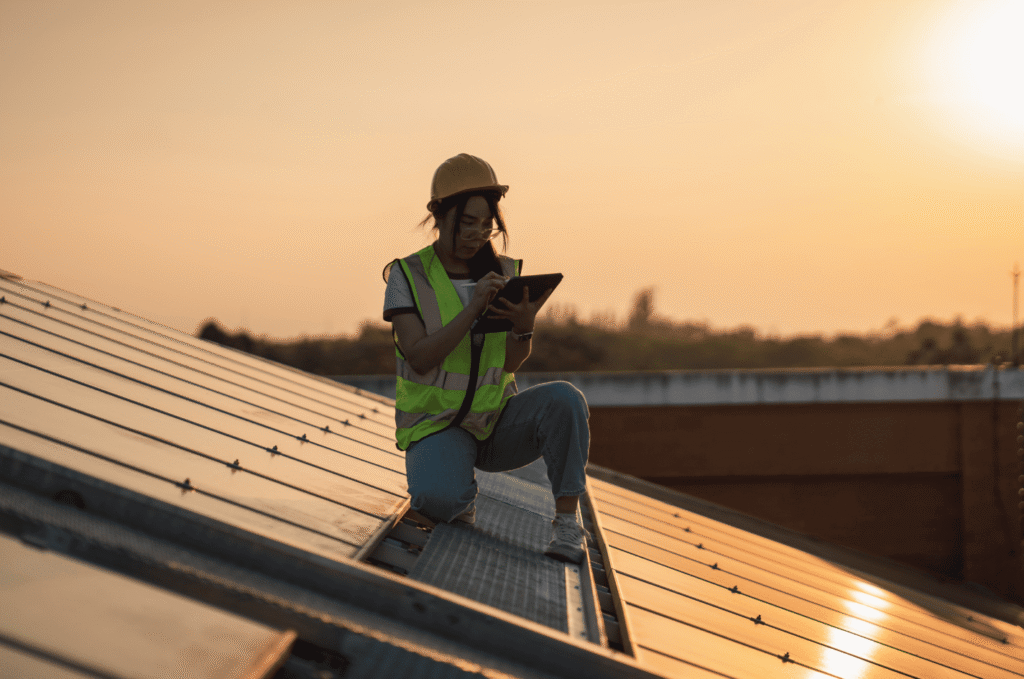
The cost of a new roof is estimated by calculating your roof’s total square footage, factoring in pitch complexity, selecting materials, and adding labor costs specific to your region. Professional contractors use a combination of physical measurements, satellite roof estimate technology, and industry experience to develop accurate pricing in Canton. Understanding this process helps you evaluate whether the roof estimate you receive reflects fair market value.
Modern roofing companies often use satellite imagery and drone technology to measure roofs accurately before ever stepping on your property. This roof estimate by address approach allows contractors to provide preliminary instant roof estimate figures quickly, though final pricing requires on-site inspection to account for hidden damage, ventilation needs, and accessibility challenges.
How Much Is a Roof on a Square-Foot House?
A roof on an average square-foot house typically costs between $3.50 and $15.00 per square foot installed, depending on material selection and regional labor rates. However, roofing contractors calculate costs using “roofing squares” rather than individual square feet. One roofing square equals 100 square feet of roof surface area, and understanding this measurement system helps you interpret roofing estimates accurately.
The roofing calculator square feet methodology works as follows: if your roof measures 2,000 square feet, contractors describe it as a 20-square roof. Material costs, labor rates, and waste calculations all reference this square measurement. When reviewing your roof estimate, verify that the total squares listed match your roof’s actual dimensions, accounting for pitch multiplier adjustments that increase surface area on steeper roofs in Watertown.
Typical cost ranges per roofing square by material type:
- Asphalt shingles: $350 to $700 per square installed
- Metal roofing: $800 to $1,800 per square installed
- Wood shingles: $600 to $900 per square installed
- Slate roofing: $1,200 to $3,000 per square installed
- Flat roofing (EPDM/TPO): $400 to $800 per square installed
What Is the 25% Rule in Roofing?
The 25% rule in roofing refers to the industry standard that materials should account for approximately 25% of your total roof replacement or roof installation cost, with labor comprising the remaining 75%. However, this ratio varies significantly based on material selection, with premium materials like slate or copper shifting the balance toward higher material percentages.
Understanding the 25% rule in roofing helps you evaluate whether roofing estimates allocate costs reasonably. If a contractor’s proposal shows materials at 40% and labor at 60% for standard asphalt shingles, investigate why material costs run higher than industry norms. Conversely, extremely low material percentages might indicate inferior products that will not provide lasting protection.
This rule also helps with budgeting. If you receive a material-only quote of $3,000, you can estimate your total roof repair or roof replacement project will likely cost approximately $12,000 to $15,000 including labor, permits, and additional components.
Essential Components of Professional Roofing Estimates
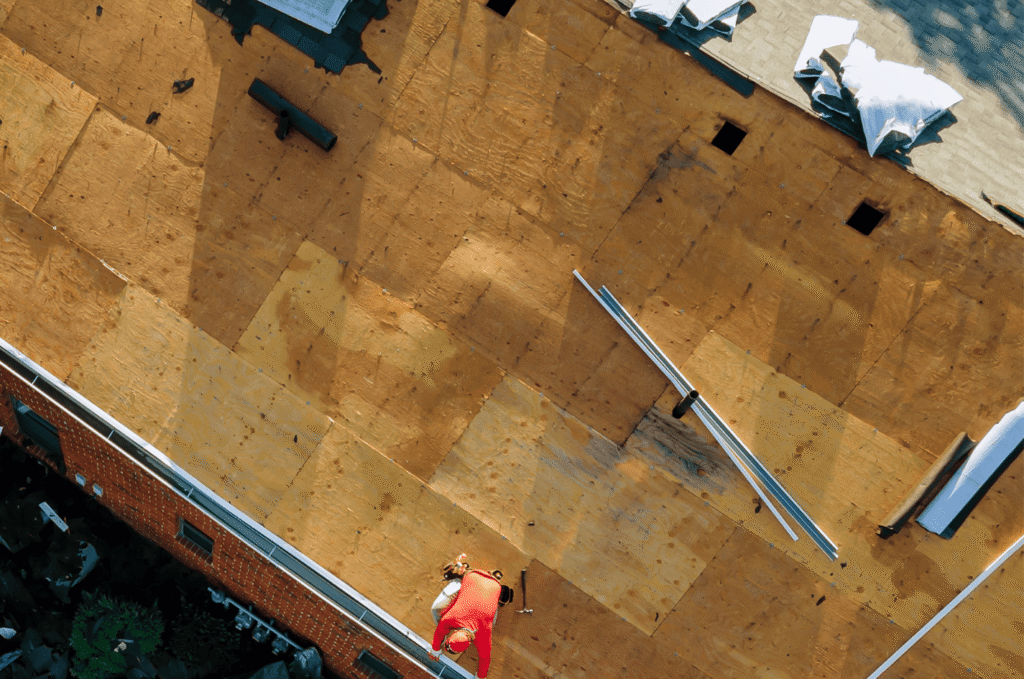
Professional roofing estimates should clearly itemize every cost component, allowing you to understand exactly where your money goes. Here is a line-by-line breakdown of what your roof estimate should include.
Roof Measurement and Assessment
This section documents your roof’s total square footage, pitch, and complexity factors. Look for clear notation of how roofing estimates calculate your specific roof area, including any satellite roof estimate data or physical measurements taken during inspection.
Material Costs
Your roof estimate should itemize specific materials by name and manufacturer, including primary roofing material such as shingles, metal panels, or membrane systems. Additional material line items typically include underlayment, drip edge, flashing, ridge caps, ventilation components, and fasteners. Reputable contractors specify manufacturer names like GAF, Owens Corning, or CertainTeed rather than generic descriptions.
Labor Costs
Labor represents the largest portion of most roofing estimates. This category covers removal of existing roofing material, deck inspection and repair, installation of new roofing system, and cleanup. Boston-area labor rates typically range from $50 to $80 per hour for skilled roofing professionals.
Tear-Off and Disposal
Removing your existing roof adds significant cost to any roof replacement project. This line item covers labor for stripping old materials, dumpster rental, and disposal fees. Some estimates separate tear-off labor from disposal costs, while others combine them.
Permits and Inspections
Massachusetts requires permits for roof replacement and major roof repair projects. Reputable contractors include permit fees in their roofing estimates and handle the application process. Verify this line item appears in any proposal you receive.
Warranty Information
Quality roofing estimates detail warranty coverage for both materials and workmanship. Manufacturers in Essex warranties typically cover defects for 25 to 50 years, while workmanship warranties from contractors range from 5 to 15 years. Look for a clear explanation of what each warranty covers and any conditions that might void coverage.
How Satellite Roof Estimate Technology Works
Satellite roof estimate technology uses aerial imagery combined with proprietary algorithms to measure roof dimensions, calculate pitch, and generate preliminary pricing without requiring on-site visits. This roof estimate by address capability allows homeowners to receive an instant roof estimate within minutes of entering their property information.
While satellite measurements provide accurate surface area calculations, they cannot identify hidden damage, ventilation deficiencies, or structural issues that affect final pricing. Consider instant roof estimate tools as starting points for budgeting rather than final quotes. Professional on-site inspections remain essential for accurate roofing estimates that account for all project variables.
Advanced roofing companies combine satellite data with drone imaging and thermal scanning to create comprehensive assessments. This technology identifies moisture infiltration, insulation gaps, and damage patterns invisible from ground level, ensuring your roof estimate reflects actual conditions rather than assumptions.
How to Compare Roofing Estimates Effectively
Comparing roofing estimates requires more than looking at bottom-line totals. Effective comparison ensures you evaluate equivalent scopes of work, material quality, warranty coverage, and contractor qualifications.
- Verify scope consistency: Ensure each estimate covers identical work, including tear-off, disposal, underlayment type, and accessories
- Compare material specifications: Generic descriptions hide quality differences; insist on specific product names and grades
- Evaluate warranty terms: Longer workmanship warranties indicate contractor confidence in their installation quality
- Check contractor credentials: Verify licenses, insurance, and manufacturer certifications like GAF Master Elite or CertainTeed ShingleMaster
- Question significant price differences: Estimates dramatically lower than competitors often indicate inferior materials, shortcuts, or hidden costs
- Review payment terms: Avoid contractors requiring full payment upfront; standard practice involves deposits with balance due upon completion
Red Flags in Roofing Estimates to Watch For
Not all roofing estimates indicate professional contractors in Marion. Watch for these warning signs that suggest you should seek alternative proposals.
- Verbal-only quotes: Professional contractors provide detailed written estimates
- Pressure tactics: Claims of “today only” pricing indicate desperation rather than value
- No permit mention: Avoiding permits violates building codes and creates liability issues
- Vague material descriptions: “Standard shingles” without brand or grade specifications hide quality shortcuts
- No insurance verification: Contractors should readily provide proof of liability and workers’ compensation coverage
- Cash-only demands: Legitimate businesses accept multiple payment methods and provide receipts
Get Your Transparent Roof Estimate from CAN Roof Construction
CAN Roof Construction provides clear, detailed roofing estimates that show all costs upfront with no hidden fees or surprise charges. Our 5-star rated team believes homeowners deserve to understand exactly what they are paying for before making decisions about roof repair, roof replacement, or new roof installation.
Our estimate process includes:
- FREE comprehensive inspection: Drone imaging and thermal scanning identify all issues affecting your project
- Detailed line-item proposals: Every material, labor component, and accessory clearly documented
- Multiple material options: Good, better, and best choices so you can select what fits your budget
- Manufacturer certifications: GAF and CertainTeed certified for warranty-backed installations
- 10-year workmanship warranty: Our confidence in quality installation protects your investment
- No-pressure consultations: Take time to review and compare without sales tactics
Schedule Your FREE Roofing Estimate Today
Understanding roofing estimates protects you from overpaying, prevents surprises, and ensures you receive quality materials and workmanship. Whether you need roof repair for minor damage or complete roof replacement for an aging system, detailed estimates help you budget accurately and choose contractors wisely.
Receive a transparent, detailed roof estimate from CAN Roof Construction. Our certified experts serve homeowners throughout Boston, Cambridge, Brookline, Quincy, and surrounding Massachusetts communities with honest pricing and exceptional craftsmanship. Do not settle for vague proposals or pressure-filled sales pitches.
Contact CAN Roof Construction to schedule your FREE inspection.