
Roof Sagging Repair in Andover: Causes & Prevention Guide
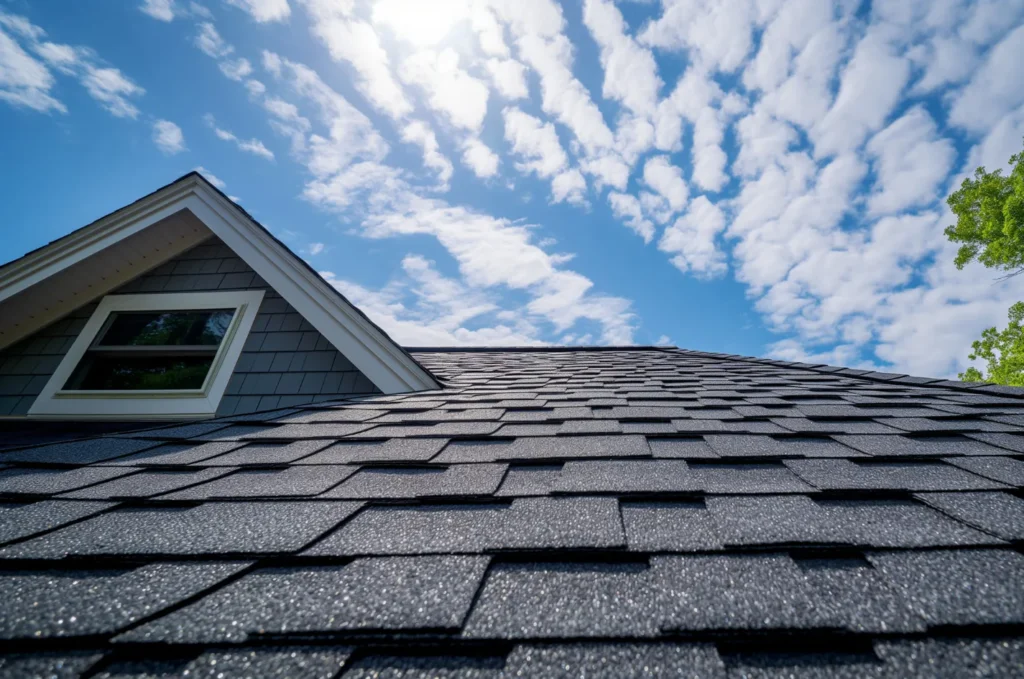
Roof sagging occurs when structural components weaken and can no longer support the roof’s weight properly, creating visible dips or curves in your roofline that signal potentially dangerous conditions requiring immediate professional attention.
Whether you’re dealing with a sagging roof ridge on your asphalt shingle roof, noticing dips in your flat roof, or simply want to prevent future problems, this comprehensive guide covers everything Andover residents need to know about roof sag from identification and causes to roof sagging cost estimates and insurance considerations.
Table of Contents
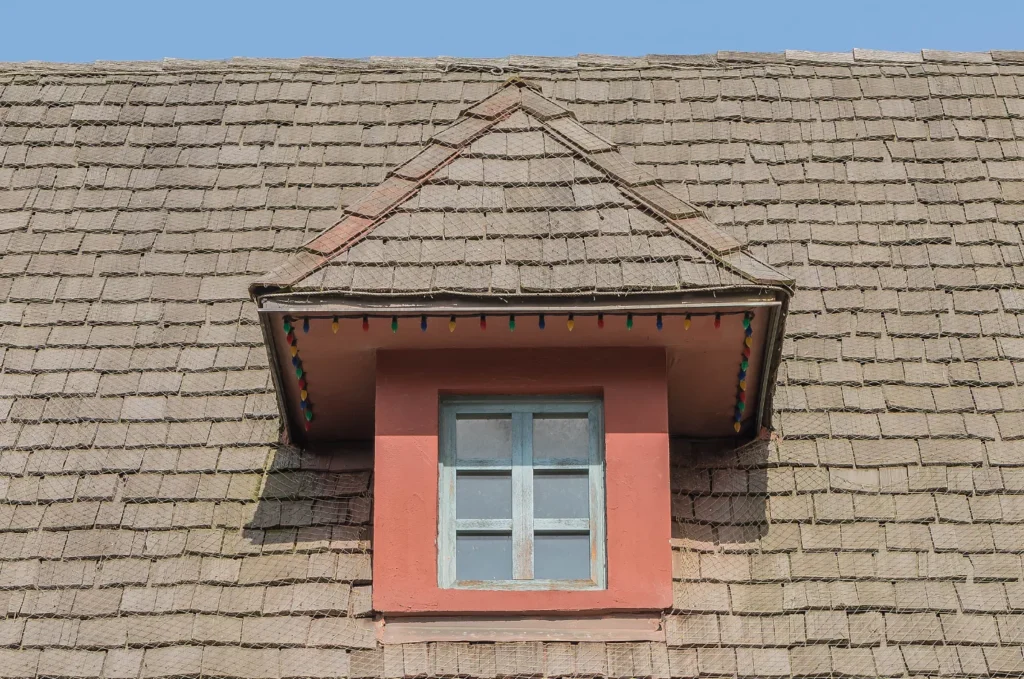
Essential Things to Know About Roof Sagging
Before addressing specific roof sagging repairs, understanding some fundamental facts helps Andover homeowners approach this serious issue appropriately.
Is a Sagging Roof Dangerous?
Yes, a sagging roof is dangerous and should never be ignored. Roof sag indicates that structural components, rafters, trusses, or decking have weakened to the point where they struggle to support the roof’s weight. Without intervention, this condition worsens progressively and can eventually lead to partial or complete roof collapse. The danger extends beyond structural failure to include water infiltration, mold growth, electrical hazards from water contact, and compromised emergency egress routes.
How Quickly Does Roof Sagging Progress?
Roof sagging typically develops gradually over months or years as underlying problems worsen. However, sudden sagging can occur after severe storms, heavy snow accumulation, or when water damage reaches critical levels. In Andover’s climate, winter snow loads can accelerate existing weakness dramatically. Any visible roof sag warrants immediate professional inspection regardless of how slowly it seems to be developing.
Types of Roofs Affected by Sagging
Both residential roof types common in Andover pitched asphalt shingle roof systems and flat roof designs can develop sagging. Pitched roofs typically show sagging roof ridge lines or dipping sections between supports. Flat roof sagging often appears as ponding areas where water collects rather than draining properly. Each type requires different roof damage repair approaches, though both demand prompt attention.
Roof Sagging Causes: What Makes Roofs Sag?
Understanding what causes roof sagging helps homeowners recognize risk factors and take preventive action before serious roof damage develops.
Water Damage and Wood Rot
The most common of all roof sagging causes is prolonged water infiltration that rots wooden structural components. Leaks around flashings, damaged shingles, or failed seals allow moisture to penetrate roof decking, rafters, and support beams. Over time, this moisture causes wood to decay, losing the strength needed to support roof weight. Andover’s freeze-thaw cycles compound this problem as water expands in small gaps, accelerating deterioration each winter.
Excessive Weight and Snow Load
Roofs designed for normal conditions can fail under excessive weight. Multiple shingle layers from repeated roof installation over existing materials add permanent load. Heavy snow accumulation during Andover winters creates temporary but significant stress. HVAC equipment, solar panels, or satellite dishes installed without proper structural support contribute additional weight. When total load exceeds design capacity, roof sag develops.
Inadequate Original Construction
Some roof sagging causes trace back to original construction deficiencies. Undersized rafters, insufficient bracing, improper truss installation, or inadequate load calculations create roofs predisposed to eventual sagging. Older Millis neighborhoods built before modern building codes may have structural limitations that weren’t apparent when newer, heavier roofing materials replaced original lighter options during roof replacement projects.
Age and Material Fatigue
Even properly constructed roofs experience material fatigue over decades of service. Wood loses strength gradually. Fasteners loosen. Joints weaken. When combined with cumulative stress from weather cycles, this natural aging eventually manifests as visible roof sag. Regular roof maintenance and inspection helps identify age-related weakening before it becomes dangerous.
How to Identify a Sagging Roof Early
Early identification of roof sag allows intervention before minor problems become major emergencies. Knowing what to look for helps homeowners catch warning signs promptly.
Exterior Visual Signs of Roof Sagging
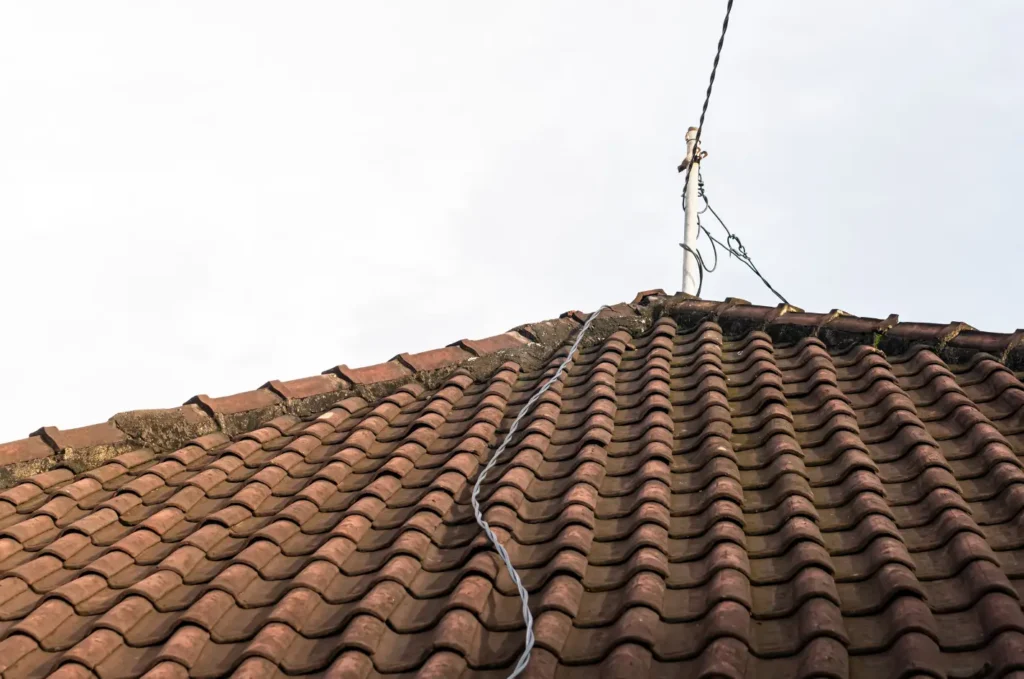
Stand across the street from your home and examine your roofline carefully. A healthy roof maintains straight, level lines from end to end. Look for any dips, waves, or curves in the ridge line; a sagging roof ridge is often the first visible indicator of structural problems. Check where the roof meets exterior walls for separation or gaps. On flat roof sections in Rockport, look for visible low spots or areas where water pools after rain.
Interior Warning Signs
Attic inspection reveals roof damage that isn’t visible from outside. Look for rafters or trusses that bow, bend, or show cracking. Check for daylight visible through roof boards. Note any moisture stains, mold growth, or rotted wood. Inside your home, watch for cracks in ceiling drywall, doors or windows that suddenly stick, or visible ceiling deflection. These interior signs often appear before exterior sagging becomes obvious.
When to Schedule Professional Inspection
Schedule professional roof inspection if you notice any visual irregularities, after severe weather events, when your roof approaches 20 years of age, or if you’re purchasing a home. Boxford professional inspectors identify subtle structural problems that homeowner inspections miss and provide accurate assessment of roof sagging repair requirements.
Does Insurance Cover Sagging Roof Repair?
Understanding insurance coverage helps Andover homeowners plan financially for roof sagging repair or roof replacement needs.
Documentation for Insurance Claims
If you believe your roof damage qualifies for coverage, document everything thoroughly. Photograph the damage from multiple angles, note dates when problems were first observed, and keep records of any triggering events like storms. Professional inspection reports strengthen claims by providing expert assessment of damage causes. Contact your insurance company promptly, as delayed reporting can affect coverage.
Roof Sagging Cost Without Insurance
When insurance doesn’t apply, understanding roof sagging cost helps with financial planning. Minor roof sagging repair addressing localized issues typically ranges from $1,000-$3,000. Moderate structural repairs run $3,000-$10,000. Severe sagging requiring extensive structural work and roof replacement cost $10,000-$25,000 or more depending on damage extent. Professional assessment provides accurate estimates for your specific situation.
How to Prevent Roof Sagging
Proactive measures help homeowners prevent roof sagging before it develops. Prevention costs far less than roof damage repair after structural problems occur.
Commit to Regular Roof Maintenance
Schedule professional roof inspection at least annually and after major storms. Address minor roof repair needs promptly before small problems become structural issues. Keep gutters clean to ensure proper drainage. Monitor attic conditions for moisture intrusion. Consistent roof maintenance in Holbrook identifies developing problems when intervention remains simple and affordable.
Ensure Proper Attic Ventilation
Adequate attic ventilation prevents moisture accumulation that causes wood rot, a leading roof sagging cause. Proper ventilation also reduces ice dam formation that contributes to water infiltration. Verify that soffit vents remain unobstructed and ridge vents function properly. Improving ventilation during roof installation or replacement provides long-term structural protection.
Manage Snow Loads Appropriately
Andover’s winters bring significant snow that stresses residential roof structures. After heavy snowfall, consider professional snow removal if accumulation exceeds 12-18 inches, especially on flat roof sections. Never attempt roof snow removal yourself, as falls cause serious injuries. Removing excess snow prevents the temporary overloading that can trigger permanent structural damage.
Avoid adding Excessive Roof Weight
Before adding equipment, solar panels, or additional roofing layers, consult professionals about structural capacity. When roof replacement becomes necessary, remove existing shingles rather than layering new materials over old. Each layer adds significant weight that accumulates over successive installations. Your asphalt shingle roof was designed for specific loads, exceeding them invites sagging.
Andover-Specific Roof Sagging Considerations
Andover’s location and climate create specific factors that influence roof sagging risk and repair approaches.
Andover’s Historic and Older Homes
Many Andover neighborhoods feature older homes with original or aging roof structures. Historic properties may have undersized framing by modern standards. Homes with multiple roof replacement layers carry excessive weight. Properties with deferred maintenance face accelerated deterioration. Owners of older Andover homes should prioritize regular professional inspection to catch developing issues early.
Trust CAN Roof Construction for Roof Sagging Repair
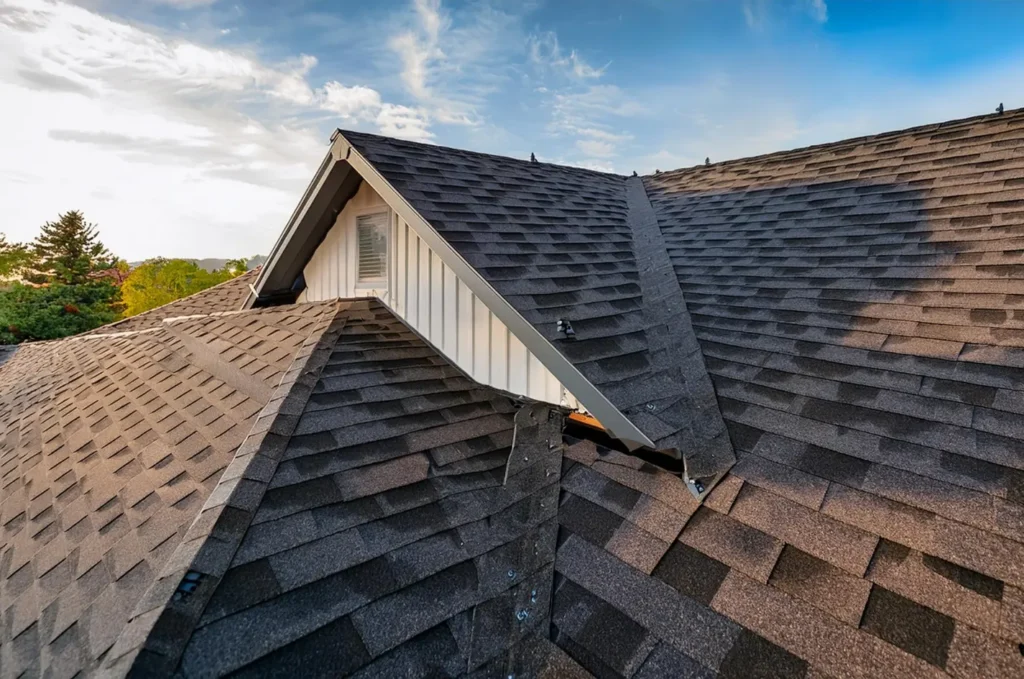
CAN Roof Construction provides comprehensive roof sagging inspection, and replacement services throughout Andover and the Greater Boston region. Our 5-star rated team accurately diagnoses sagging causes and delivers lasting structural solutions that protect your home and family.
Roof sagging in Andover often relates to our demanding climate. Heavy winter snow loads stress structures seasonally. Freeze-thaw cycles accelerate water damage. Humid summers promote wood deterioration. Nor’easters deliver wind and precipitation that exploit weaknesses. These conditions make proactive roof maintenance especially important for Andover homeowners.
Schedule Your FREE Roof Inspection Today
If you’ve noticed any signs of roof sagging in Andover or simply want peace of mind about your roof’s structural condition, professional inspection provides the answers you need. Early detection prevents minor issues from becoming dangerous emergencies.
Contact CAN Roof Construction to schedule your roof inspection.