
Roof Leak Repair: Common Causes & Proven Fixes For your Roof
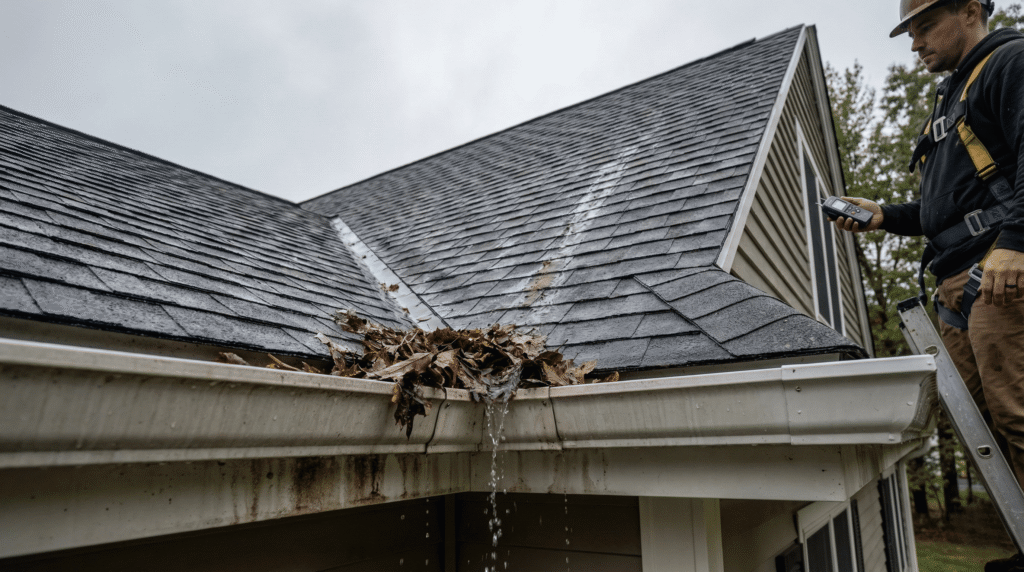
A leaking roof demands immediate attention, and understanding your roof leak repair options can mean the difference between a simple fix and extensive structural damage.
Many causes of roof leaks are preventable, and several fixes are manageable without professional intervention. Let’s explore what causes roofs to leak, how to detect problems early, and the best strategies for effective leaking roof repair.
Table of Contents
Why Your Roofs Leak: The Most Common Causes
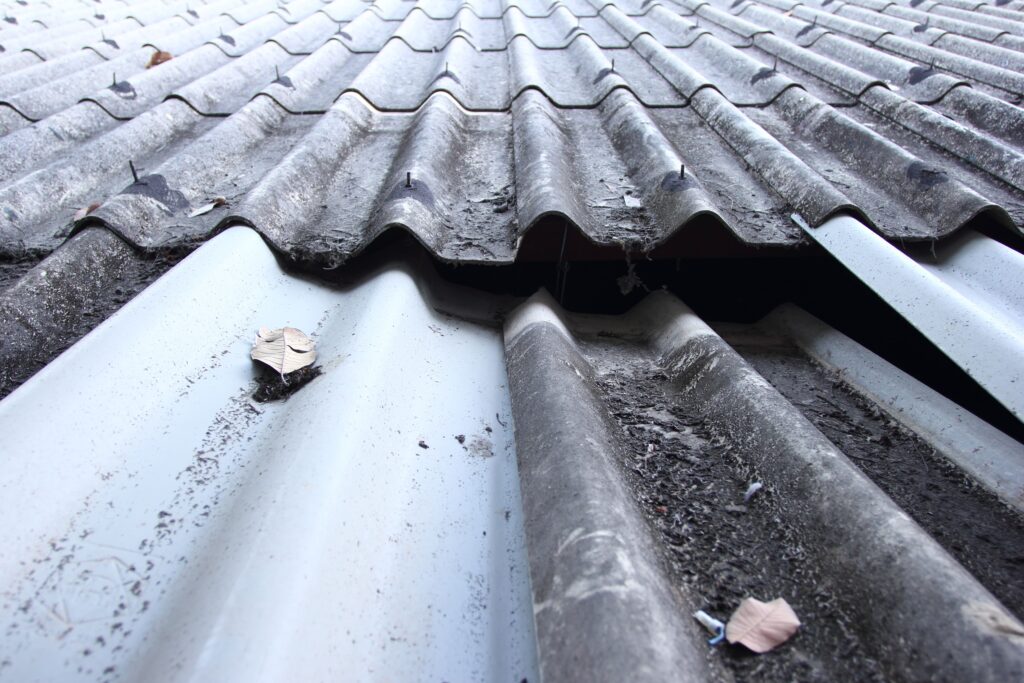
The causes of roof leaks vary widely, but certain issues appear repeatedly in homes across all Brookline with different roof types. Identifying the source of water intrusion is the essential first step toward lasting roof leak solutions.
1. Damaged Shingles
Damaged shingles represent the most frequent cause of residential roof leaks. Shingles can crack, curl, or blow off entirely during severe weather. Signs of shingle damage include:
- Visible cracks or splits on shingle surfaces
- Curling or buckling at shingle edges
- Missing shingles leaving exposed underlayment
- Granule loss appearing in gutters or downspouts
2. Flashing Failure
Flashing failure occurs when the metal strips protecting roof joints, chimneys, vents, and skylights deteriorate or separate. This thin material prevents water from entering at vulnerable transition points. When flashing fails, water finds easy pathways into your home. Common areas where flashing problems develop include chimney bases, vent pipes, skylights, and where roof planes meet walls.
3. Clogged Gutters
Many homeowners don’t realize that clogged gutters contribute significantly to roof leaks. When debris blocks water flow, it backs up under shingles and into the roof structure. This problem intensifies when roof leaks in heavy rain overwhelm an already compromised drainage system. Regular gutter maintenance prevents this entirely avoidable cause of water damage.
4. Pipe Boot Leak
A pipe boot leak develops when the rubber seal around plumbing vents deteriorates. These boots typically last 10-15 years before cracking and allowing water entry. Since pipe boots penetrate directly through the roof surface, failures here create direct pathways for water intrusion into your attic and living spaces.
5. Valley Leak
A valley leak occurs where two roof planes meet, creating channels that concentrate water flow. These areas experience higher water volume than other roof sections, making them vulnerable to wear and improper installation. Valley leaks often manifest during heavy rainfall when water volume exceeds the compromised area’s capacity.
How to Fix a Leaky Roof Without Replacing It

The question homeowners ask most frequently is how to fix a leaky roof without replacing it entirely. Your approach depends on the leak’s cause, location, and severity.
Step-by-Step Leak Detection and Repair Process:
- Locate the Source: Begin leak detection by examining your attic during daylight. Look for water stains, mold, or daylight penetrating through the roof deck. Trace water trails upward since leaks often travel along rafters before dripping.
- Assess the Damage: Determine whether the problem involves surface damage, structural issues, or both. Minor ceiling damage from recent leaks often accompanies repairable roof problems.
- Choose Your Repair Method: Select appropriate materials based on your roof type and damage extent. Options range from simple sealants to shingle replacement.
- Execute the Repair: Complete repairs during dry weather, ensuring surfaces are clean and dry before applying any materials.
- Monitor Results: Observe the repaired area during subsequent rainstorms to confirm the fix holds.
What Is Best to Repair a Leaking Roof?
Selecting the right materials determines repair success. The best roof leak repair approach matches your specific situation, roof type, and skill level. Here are proven options for different scenarios:
Roof Leak Repair Spray: Aerosol sealants work well for minor cracks and small gaps. Roof leak repair spray products create flexible, waterproof barriers over damaged areas. They’re ideal for emergency temporary fixes and small-scale permanent repairs on various roofing materials.
Roof Leak Repair Kit: Comprehensive repair kits available at Roof Leak Repair Home Depot locations contain patches, sealants, and application tools. These kits suit homeowners tackling moderate repairs themselves and typically include materials for multiple repair types.
Metal Roof Leak Repair: Metal roofing requires specialized approaches. Metal roof leak repair typically involves seam sealants, replacement fasteners, or patch panels. Standard asphalt shingle products won’t properly adhere to metal surfaces.
Professional-Grade Sealants: Polyurethane and silicone-based sealants provide superior durability for lasting repairs around flashing, vents, and penetrations. These materials withstand temperature extremes and remain flexible over time.
How Do I Stop My Roof Leaking in Heavy Rain?
When roof leaks in heavy rain become evident, immediate action prevents further damage. While permanent repairs require dry conditions, you can take steps to minimize water intrusion during storms:
- Contain the water: Place buckets or containers beneath active drips to prevent floor damage and collect incoming water
- Protect belongings: Move furniture, electronics, and valuables away from affected areas
- Create drainage: If water pools on the ceiling, carefully puncture the bubble’s center to control water release and prevent ceiling collapse
- Apply temporary cover: When safe, tarps secured over damaged areas provide emergency protection until permanent repairs are possible
- Document everything: Photograph damage for insurance claims before beginning any cleanup
After the storm passes, schedule roof repair promptly. Water that has entered your home continues causing damage even after visible leaking stops. Moisture trapped in insulation and wood framing promotes mold growth and structural deterioration.
When to Fix Roof Leak Yourself vs. Calling Professionals
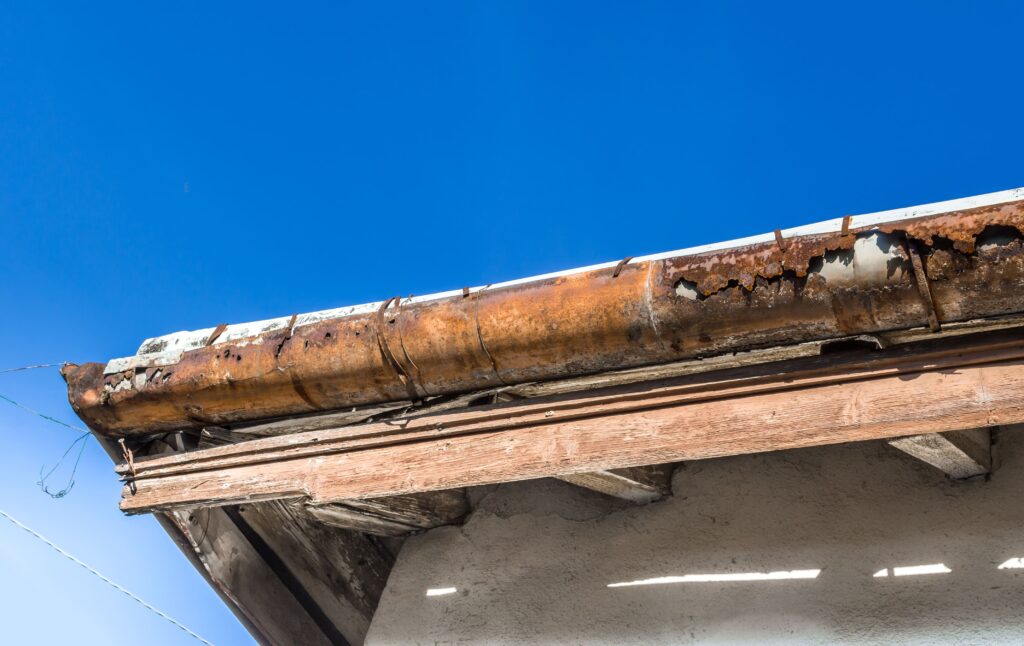
Understanding when to fix roof leak problems yourself and when to seek professional help protects both your safety and your investment. Consider these factors when deciding:
Self-made repairs include:
- Replacing a few damaged shingles on low-slope roofs
- Applying sealant to minor cracks and gaps
- Replacing deteriorated pipe boots
- Clearing clogged gutters and downspouts
Professional intervention is recommended for:
- Steep or multi-story roof access
- Extensive shingle damage affecting large areas
- Structural damage to decking or rafters
- Complex flashing repairs around chimneys or skylights
- Valley repairs requiring significant material work
- Any repair you’re uncomfortable performing safely
Take Action: Protect Your Home from Water Damage
Effective roof leak repair begins with understanding the problem and choosing the right solution. Many homeowners successfully handle basic leaking roof repair using quality materials from local suppliers. For complex problems or when safety concerns arise, the professional CAN Roof Construction team brings expertise and equipment that ensure lasting results. Either way, addressing roof leaks promptly protects your home’s structure, prevents ceiling damage, and maintains your property’s value.
Don’t wait until the next heavy rain reveals a worsening problem. Inspect your roof, contact us now and let us handle the rest.