
When Is a Roof Too Damaged for Asphalt Shingle Rejuvenation?
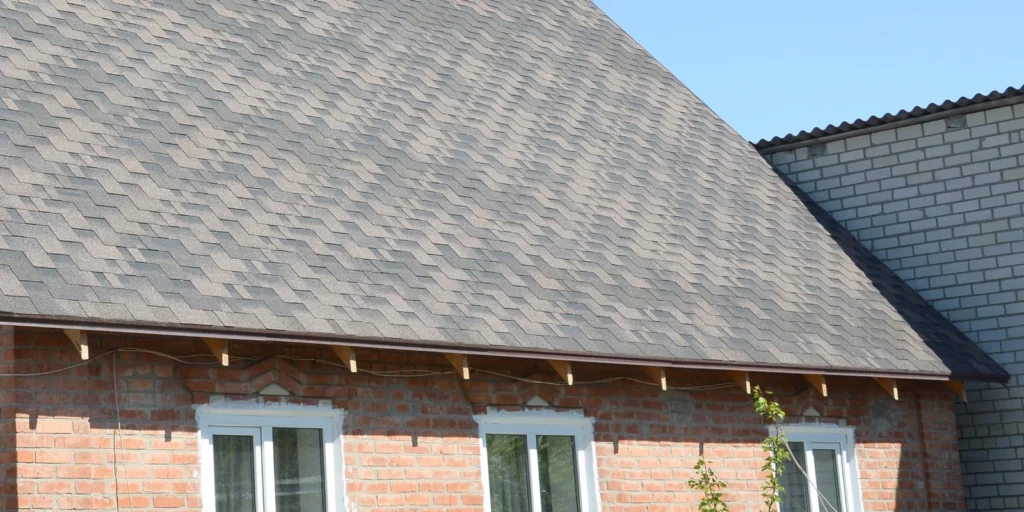
An asphalt shingle roof is too damaged for rejuvenation when it has active or widespread leaks, many missing or broken shingles, or heavy granule loss that exposes the fiberglass mat. Rotten decking, brittle shingles that crack when bent, and roofs near the end of their lifespan are also poor candidates.
Asphalt shingle roof rejuvenation can add useful years to a roof that is aging but still sound. This guide explains when it works, the warning signs that rule it out, and when roof replacement is the better investment.
Table of Contents
Can You Rejuvenate Asphalt Shingles?
Yes, you can rejuvenate asphalt shingles, but only when they are still in good enough shape to benefit. Roof rejuvenation is a treatment, usually an oil-based conditioner sprayed on the surface, that helps restore flexibility to shingles that are starting to dry out.
It works best on roofs that are roughly 10 to 20 years old. The shingles may look faded or feel dry, yet they still lie mostly flat and bend without breaking.
Rejuvenation is not a repair and it is not magic. It cannot fix a roof leak, replace missing shingles, or save a roof that has already failed. Think of it as maintenance for a roof that still has life left.
What Is the Average Lifespan of an Asphalt Shingle Roof?
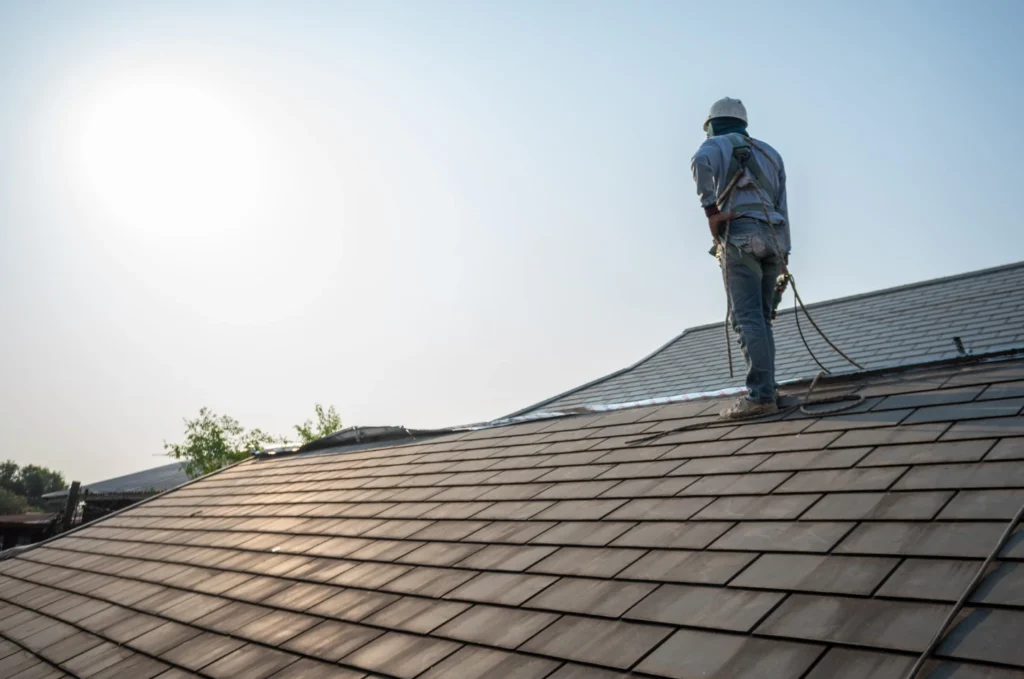
An asphalt shingle roof typically lasts about 15 to 30 years. Basic three-tab shingles often land near the lower end, while thicker architectural shingles last longer.
Real lifespan depends on more than the product. Sun, heat, ice, heavy snow, poor ventilation, and installation quality all change how fast shingles age.
Once a roof passes 20 to 25 years, it is usually at the end of its mechanical life. At that point, rejuvenation is unlikely to help, and planning for roof replacement is more realistic.
When Is a Roof Too Damaged for Rejuvenation?
Some types of roof damage rule rejuvenation out completely. A surface treatment cannot repair a failed structure, so it only makes sense when the roof is otherwise sound.
The most important test is granule loss. Roof rejuvenation in Boston generally needs at least 75 percent of the granules still in place. If bare asphalt or the fiberglass mat shows through, the shingle cannot be saved.
Red Flags That Rule Out Rejuvenation
- Active or widespread leaks: Recurring ceiling stains need diagnosis and roof repair, not a spray.
- Severe granule loss: Bare patches or an exposed mat mean the shingle has failed.
- Cracking or brittleness: Shingles that snap or shatter when bent have lost their natural oils.
- Curling, cupping, or blistering: Badly curled edges and mushy spots signal lost structure.
- Rotten or soft decking: Wood that is soft or sagging needs full roof replacement.
- End of lifespan: Roofs past about 20 to 25 years are usually beyond rescue.
If even one or two of these apply, replacement or major repair is usually the wiser path.
How to Tell if Shingles Are Too Old
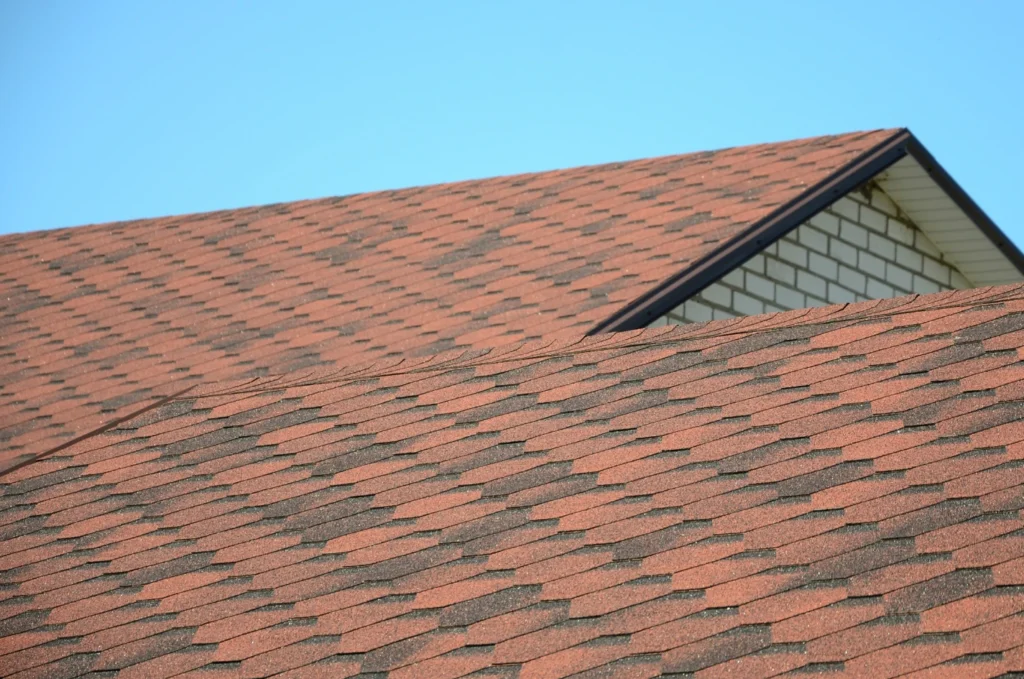
Shingles are too old when they show clear physical decline, not just fading. Age on paper matters, but the condition of the surface tells the real story.
Walk around your home and look at the roof from the ground. Then check gutters and downspouts, since fallen granules often collect there.
Signs Your Shingles Are Too Old
- Granules in the gutters: Heavy piles of grit suggest the protective surface is wearing off.
- Bald or dark patches: Areas where granules are gone expose the asphalt underneath.
- Curled or lifted edges: Shingles that no longer lie flat are losing their seal.
- Cracks and missing pieces: Broken shingles let water reach the layers below.
- Moss, stains, or sagging: These can point to trapped moisture or deck problems.
A professional inspection confirms what you see and finds hidden problems you cannot spot from below.
When to Replace an Asphalt Shingle Roof
Replace an asphalt shingle roof when damage is widespread, leaks keep returning, or the roof has reached the end of its lifespan. Repeated patching on an aging roof often costs more over time than a fresh start.
Roof replacement also makes sense when the decking is damaged. New shingles over weak wood will not last, so the structure has to be sound first.
Rejuvenate or Replace? A Quick Guide
- Rejuvenate when: The roof is about 10 to 20 years old with light to moderate granule loss.
- Rejuvenate when: Shingles are dry or faded but still flexible and mostly flat.
- Rejuvenate when: The deck is solid and there are no widespread leaks.
- Replace when: Shingles are brittle, curling badly, or missing in large areas.
- Replace when: Leaks are active, or decking is soft or rotted.
Matching the solution to the roof’s real condition keeps you from spending money on a treatment that cannot work.
Roof Repair First: Handling Leaks and Damage
Fix leaks and damage first, before thinking about rejuvenation. A treatment applied over a leaking or broken roof only hides the problem for a short time.
Small, isolated issues, like a few cracked shingles or worn flashing, can often be handled with targeted roof repair. After that, a sound roof may still qualify for rejuvenation.
If repairs keep piling up, take that as a sign. Several repairs in a short time often mean the roof is failing as a whole, and replacement becomes the better value.
Boston Weather and Your Shingles
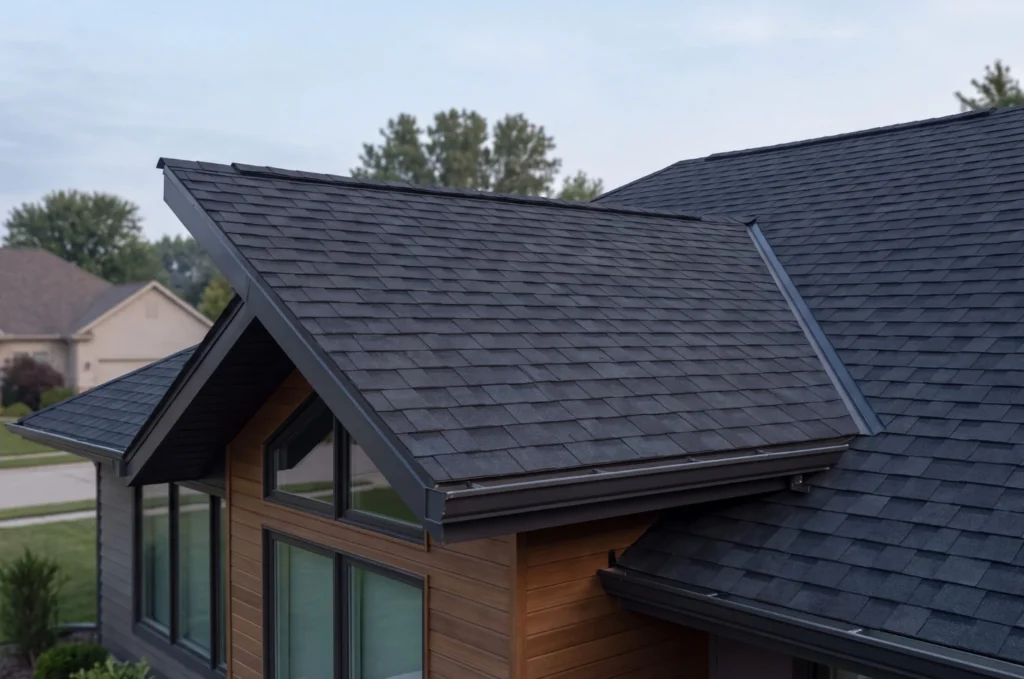
Boston roofs face freezing winters, heavy snow, wind-driven rain, and warm, sunny summers. Repeated freeze and thaw cycles and strong sun wear shingles faster than many homeowners expect.
Good attic ventilation and clear gutters help shingles last. Without them, trapped heat and moisture speed up aging and make it harder for any treatment to work.
Schedule an inspection after harsh winters and big storms. Catching early roof damage keeps more options open, including roof rejuvenation in Boston.
Choosing the Right Next Step for Your Roof
The right choice comes down to age, condition, and budget. Rejuvenation fits a roof that is aging gracefully, repair fits isolated problems, and replacement fits a roof that has reached the end.
An honest inspection protects you from guessing. Look for a roofing company in Boston that explains what it finds, shows you the evidence, and gives a clear written recommendation.
CAN Roof Construction helps Boston-area homeowners with roof inspections, roof repair, and roof replacement.
Contact us to schedule an inspection and learn whether asphalt shingle roof rejuvenation is right for your home.