
Roof Blistering in Beverly: What It Means, Causes, and Prevention
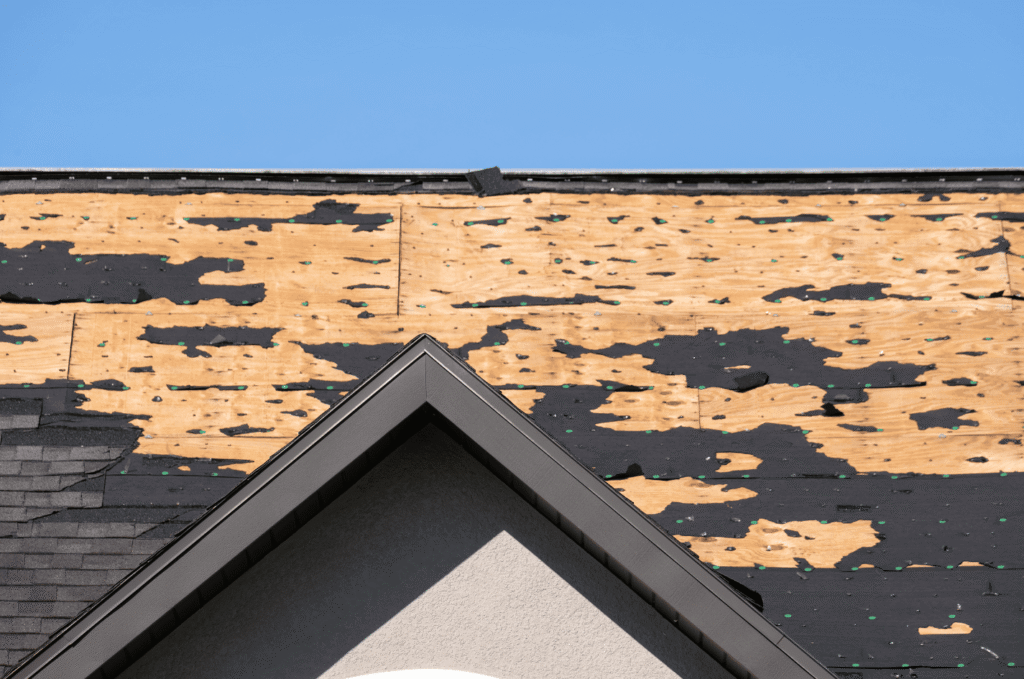
When you notice raised, bubble-like spots on your roof, it can be alarming. These formations, known as roof blisters, affect thousands of homes across Massachusetts’s North Shore every year.
Roof blistering occurs when pockets of air or moisture become trapped between roofing layers, causing the surface material to expand and lift away from the underlying structure. While a small blister might seem harmless, left untreated, these imperfections can rupture, expose your roof deck to water infiltration, and lead to significant damage throughout your home.
Table of Contents
What Does Roof Blistering Mean for Your Home?
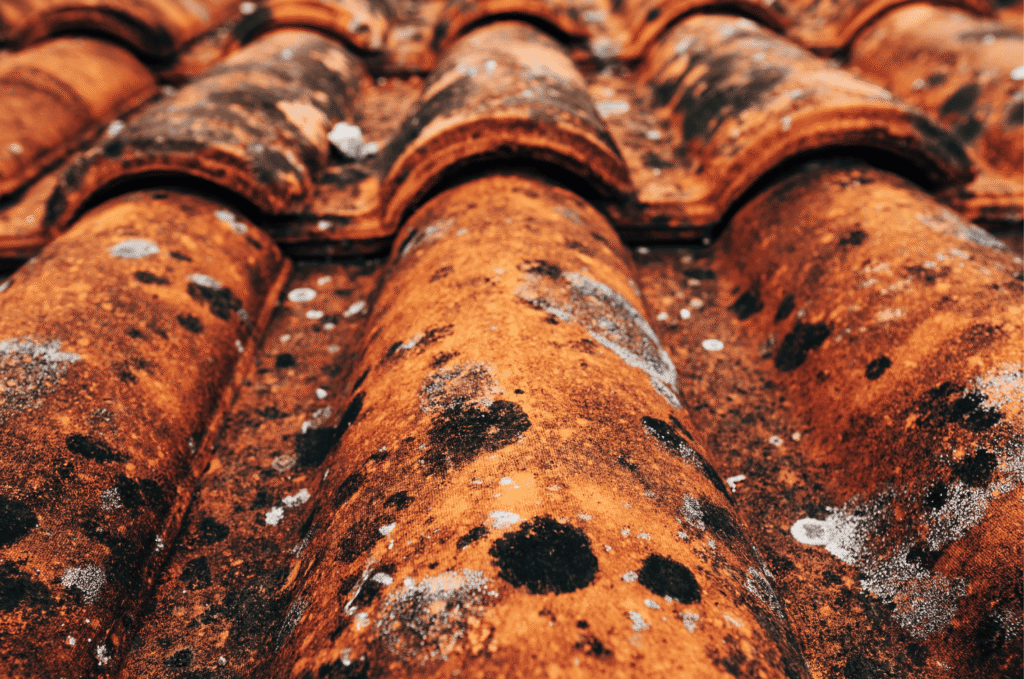
Roof blisters appear as raised areas on your roofing surface, ranging from small bumps the size of a dime to larger formations several inches across. When you examine blistering roof shingles closely, you will notice that the granular surface coating often remains intact initially, but the underlying material has separated from the layers beneath it.
The formation process begins when volatile compounds within roofing materials heat up during warm weather, creating gas pockets that push outward against the shingle surface. Alternatively, moisture trapped during installation or from condensation can vaporize in hot temperatures, producing the same expanding effect.
Main Causes for Roofing Blistering
For Beverly homeowners roof blistering represents more than a cosmetic concern. Once a blister breaks open, it creates an entry point for rainwater, accelerating deterioration of your roof deck, insulation, and potentially your home’s interior ceiling and walls.
Several factors contribute to blister formation on both asphalt shingles and flat roofing systems.
Manufacturing Defects
Sometimes roof blisters originate from issues during the manufacturing process. If volatile oils within the asphalt compound are not properly distributed or if the material cools unevenly during production, weak spots develop that become prone to blistering once installed and exposed to temperature fluctuations.
Trapped Moisture During Installation
One of the most common roofing blistering causes involves moisture becoming trapped between layers during installation. This happens when contractors install roofing materials during humid conditions, over damp underlayment, or before morning dew has fully evaporated. Beverly’s coastal humidity makes this particularly relevant for local homeowners.
Many historic properties in Hanson with older roofing systems may be more susceptible to blistering due to age, past repairs, or outdated ventilation designs.
Poor Attic Ventilation
Inadequate attic ventilation ranks among the primary roof blisters causes. When hot, humid air cannot escape from your attic space, it creates a superheated environment beneath your roofing materials. This excessive heat accelerates the outgassing of volatile compounds within shingles and can cause moisture in the roof assembly to vaporize, both contributing to blister formation.
Flat Roofing Blistering Factors
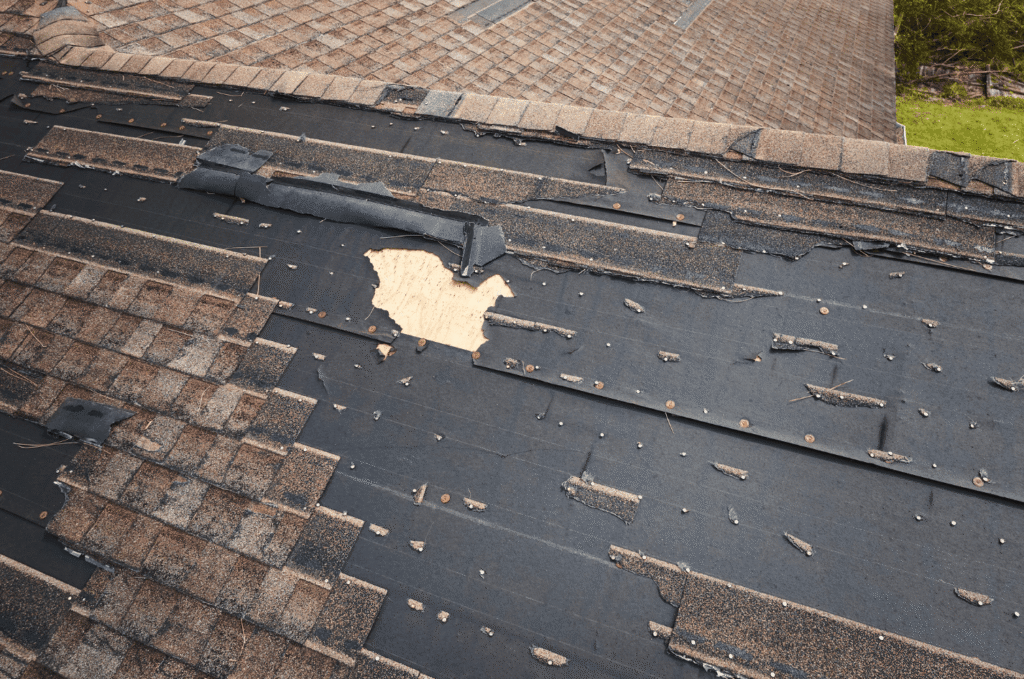
Flat roofing blistering presents unique challenges because membrane roofing systems trap moisture differently than sloped roofs with shingles. Common causes of flat roofing blistering include improper adhesive application, installation over wet substrate, insufficient curing time between layers, and failure to properly heat-weld membrane seams. The low-slope design common on many Beverly commercial buildings and home additions makes them particularly susceptible.
Massachusetts experiences significant temperature swings from frigid winters to hot summers. These thermal cycles stress roofing materials and accelerate blister development in vulnerable areas.
Roof Blistering vs Hail Damage: How to Tell the Difference
Many homeowners confuse roof blistering vs hail damage, which matters significantly when filing insurance claims or determining the appropriate repair approach. While both conditions create visible marks on your roof surface, their characteristics differ in important ways.
Key differences between roof blistering vs hail damage:
- Shape and pattern: Roof blisters typically appear as rounded, dome-shaped bubbles with relatively uniform edges. Hail damage creates irregular, often elongated depressions with random distribution patterns across the roof surface.
- Granule displacement: Hail impacts forcefully knock granules loose, leaving dark exposed spots. Blistering roof shingles may lose granules gradually as the blister expands and ruptures, but the pattern appears more uniform.
- Underlying damage: Hail damage often fractures the fiberglass mat beneath shingle surfaces, visible as cracks or soft spots when pressed. Roof blisters feel hollow underneath and may spring back when touched gently.
How to Fix Roof Blistering: Professional Treatment Options
The appropriate roofing blistering treatment depends on the severity, extent, and underlying cause of the damage. Understanding how to fix roof blistering helps you communicate effectively with contractors and evaluate repair proposals.
Minor Blister Repair
Small, isolated roof blisters that have not yet ruptured may be addressed through targeted roof repair. This roofing blistering treatment involves carefully cutting into the blister, removing trapped moisture or air, applying roofing cement, pressing the material flat, and sealing with additional cement and granules. This approach works best when only a few blisters exist and the surrounding roofing material remains in good condition.
Shingle Replacement
When blistering roof shingles have ruptured, lost significant granules, or show signs of cracking, replacement offers the most reliable solution. Professional contractors remove the damaged shingles, inspect the underlayment for moisture damage, and install new shingles that match your existing roof. This prevents water infiltration while restoring your roof’s protective capability.
Flat Roofing Blistering Repair
Flat roofing blistering requires specialized treatment techniques. Small blisters may be cut, dried, and patched with compatible membrane material and adhesive. Larger affected areas often require section replacement with proper heat welding or adhesive application. Addressing flat roofing blistering promptly prevents the rapid deterioration that water infiltration causes in low-slope systems.
Complete Roof Replacement
Widespread roof blistering across multiple roof sections, particularly when combined with age-related deterioration, may indicate the need for complete roof replacement. This approach ensures all underlying moisture issues, ventilation problems, and material defects are addressed simultaneously, providing long-term protection and preventing recurring blistering problems.

Preventing Roof Blistering: Proactive Strategies for Beverly Homeowners
Preventing roof blisters proves far more cost-effective than addressing damage after it occurs. These strategies help Beverly homeowners protect their roofing investment.
- Ensure proper attic ventilation: Adequate intake and exhaust ventilation allows hot, humid air to escape from your attic, reducing temperature extremes that contribute to blistering. Ridge vents, soffit vents, and powered ventilators work together to maintain balanced airflow.
- Choose quality materials: Premium shingles from manufacturers like GAF, Owens Corning, and CertainTeed undergo rigorous quality control that minimizes manufacturing defects. Investing in quality materials reduces your roof blisters risk significantly.
- Hire certified installers: Professional installation by certified contractors ensures proper techniques that prevent moisture entrapment. Experienced roofers understand the coastal climate in areas such as South Salem and adjust their methods accordingly.
- Schedule regular inspections: Annual professional roof inspections catch early-stage roof blistering before significant damage occurs. Spring inspections prove particularly valuable for identifying winter damage and preparing for summer heat.
- Address moisture sources: Ensure bathroom and kitchen exhaust fans vent outside, not into your attic. Check for plumbing leaks near roof penetrations and repair any damaged flashing promptly.
- Consider roof coatings: Reflective roof coatings reduce surface temperatures and UV exposure, minimizing the thermal stress that contributes to blister formation on both shingles and flat roofing systems.
Schedule Your Beverly Roof Inspection Today
Roof blistering may start small, but ignoring these warning signs leads to costly damage throughout your home. Whether you have noticed blistering roof shingles on your pitched roof or suspect flat roofing blistering on your addition or commercial property, professional assessment ensures you receive accurate diagnosis and effective treatment recommendations.
Do not wait until minor roof blisters become major problems. Contact CAN Roof Construction to schedule your FREE roof inspection.