
Ridge Vent vs Soffit Vent: What Homeowners Need to Know
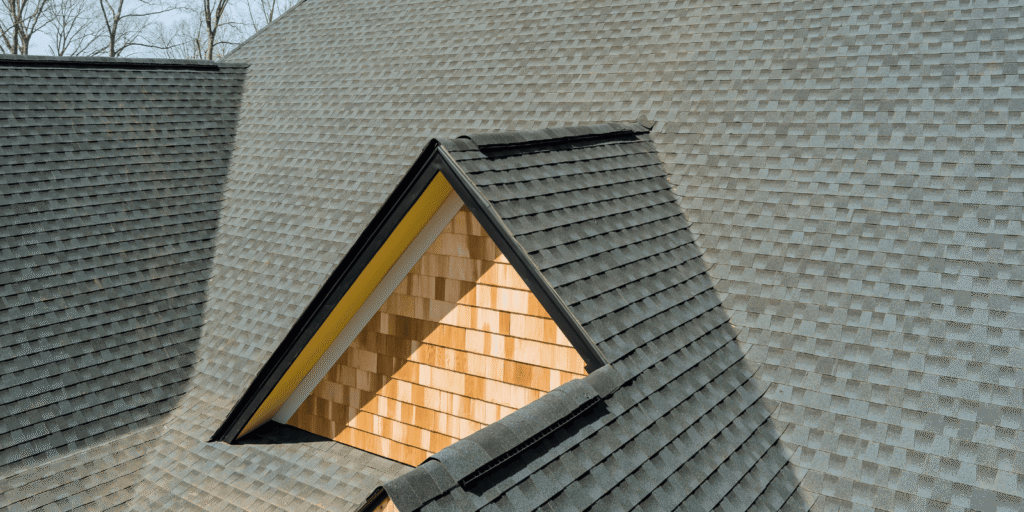
Ridge vent vs soffit vent describes two different parts of one attic ventilation system. Soffit vents bring cooler outside air into the attic, while ridge vents allow warm, moist air to escape near the roof peak. Neither vent is meant to manage the full airflow path alone.
When ridge vents and soffit vents are sized correctly and kept clear, they support steady movement from the lower roof edge to the top. Understanding this relationship helps homeowners recognize airflow concerns before heat or moisture begins affecting the attic and roof.
Table of Contents
Ridge Vent vs Soffit Vent: How Each Vent Works
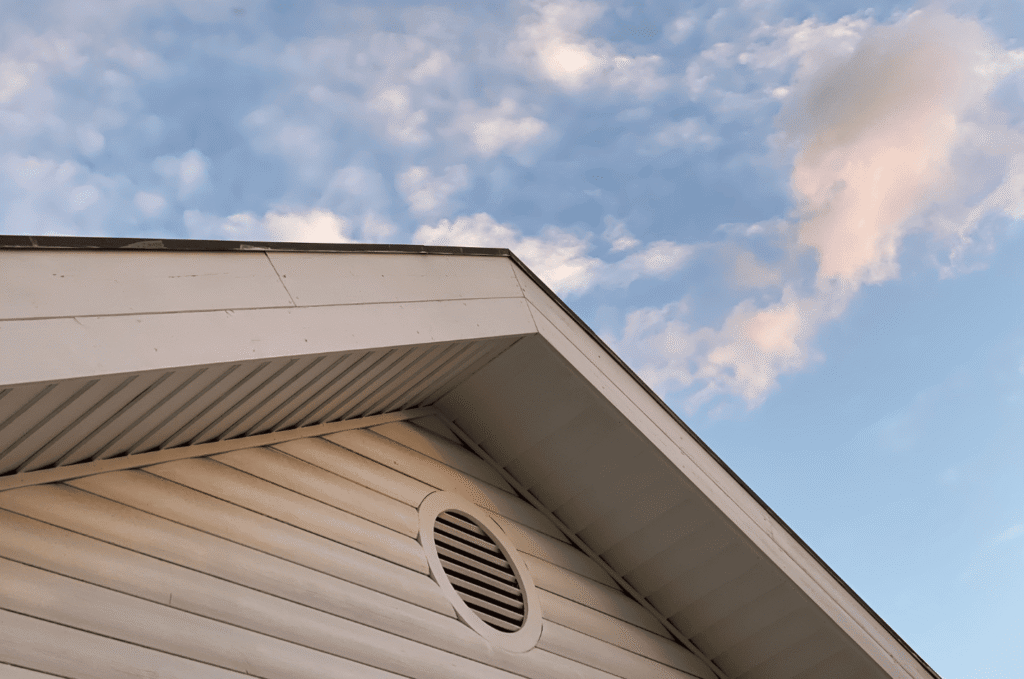
The ridge vent vs soffit vent difference is mainly about location and function. Ridge vents act as upper exhaust, while soffit vents provide lower intake beneath the eaves.
Both depend on a clear path through the attic. If either side is missing or restricted, a roof may have visible vents without achieving balanced attic ventilation.
Ridge Vents Release Warm Air Near the Peak
A ridge vent runs along or near the highest horizontal point of a sloped roof. Warm air rises toward this area, allowing heat and moisture to leave through the opening beneath the ridge cap.
A continuous ridge vent can provide even exhaust when it is properly installed and left unobstructed. Homes needing Cambridge roof repair may also have older roof sections where past work changed the ridge opening or cap details.
Soffit Vents Bring Fresh Air Into the Attic
Soffit vents sit beneath the roof eaves and allow outside air to enter at the lowest part of the attic. That intake air replaces the warmer air leaving through the ridge.
Insulation, paint, debris, or missing baffles can block these openings. For Brookline roof repair, enclosed eaves and older attic layouts can make soffit intake harder to evaluate from outside.
Ridge Vents and Soffit Vents Need Balanced Attic Ventilation
Ridge vents and soffit vents work best as a connected system rather than separate roof features. Exhaust without enough intake may pull air from unintended gaps, while intake without clear exhaust can leave warm air trapped.
The ridge vent vs soffit vent setup should match the attic size, insulation layout, roof shape, and existing vent types. Simply adding more vents does not always improve airflow.
Intake and Exhaust Must Support Each Other
Balanced attic ventilation depends on enough lower intake and upper exhaust. When the two sides are mismatched, some attic sections may remain hot or damp even though air moves near one vent.
The roof ventilation guide explains how blocked intake, mixed exhaust types, and older attic systems can create roof ventilation Boston concerns.
Baffles and Roof Shape Affect the Air Path
Baffles help keep insulation from covering soffit vents and direct incoming air above the insulation. Dormers, valleys, additions, cathedral ceilings, and divided attic spaces can also change the path toward the ridge.
Properties needing Newton roof repair may have larger roof planes or altered attic areas where the ridge vent vs soffit vent path is less direct.
Ridge Vent Problems and Blocked Soffit Vents
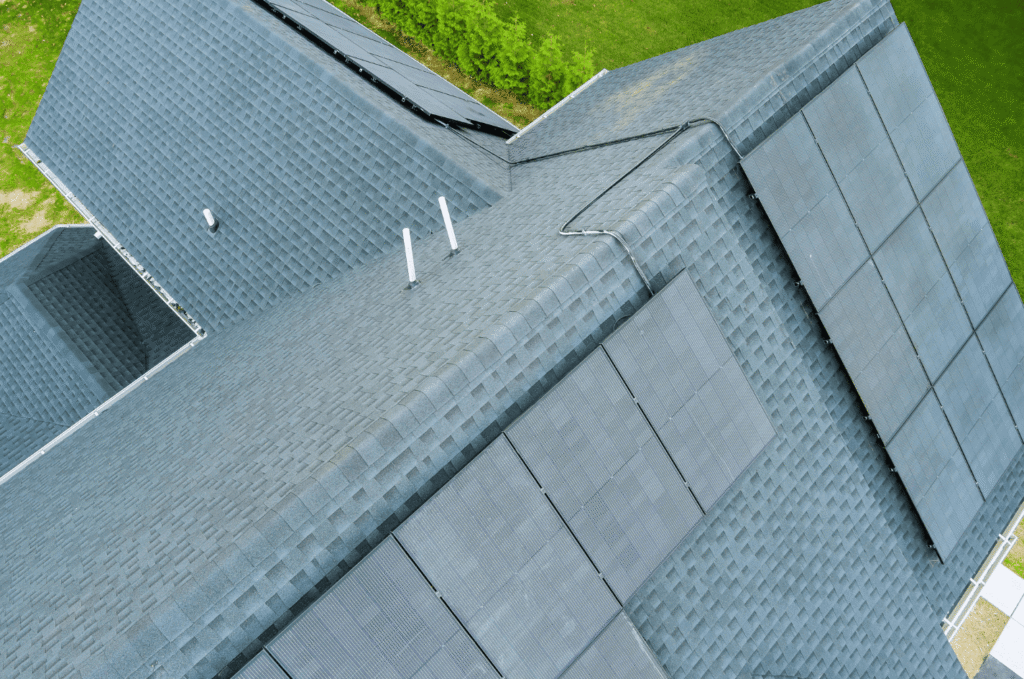
Ridge vent problems and blocked soffit vents can interrupt airflow without causing an immediate leak. Early changes may appear as uneven temperatures, stale attic air, condensation, or moisture on roof components.
A ridge vent vs soffit vent review should check both exterior openings and the attic side. Looking only at the roof peak can miss an intake restriction beneath the eaves.
Ridge Openings May Be Covered or Restricted
A ridge vent can lose effectiveness if the opening below it is too narrow, covered by underlayment, compressed, or damaged during later roofing work. The vent material and ridge caps should also remain secure and open.
The roof vents guide explains how homeowners can compare visible vents with attic conditions to see whether airflow is working as expected.
Blocked Soffit Vents Reduce Lower Intake
Blocked soffit vents may result from insulation pressed into the eaves, paint covering perforations, or debris and nesting material around the openings. Without lower intake, the ridge vent cannot pull air evenly through the attic.
For East Boston roof repair, wind exposure and older enclosed soffit designs can make blocked intake areas harder to spot from the ground.
Signs of Poor Attic Ventilation Homeowners May Notice
Signs of poor attic ventilation often appear gradually. Homeowners may notice extreme attic heat, damp insulation, musty odors, condensation, rust around fasteners, or changes in shingle condition.
The ridge vent vs soffit vent system should be reviewed when these symptoms repeat across seasons. Summer heat and winter moisture can reveal different weaknesses in the same airflow path.
Heat, Moisture, and Odors Can Point to Weak Airflow
An attic that feels extremely hot may not be releasing enough air through the ridge. Moisture on nails, dark decking, damp insulation, or a musty smell may show that humid air is not leaving efficiently.
The poor attic ventilation guide explains how trapped heat and moisture may affect roof decking, insulation, shingles, and indoor comfort over time.
Roof Materials Can Show Outside Warning Signs
Curling shingles, uneven aging, rust around metal parts, or repeated winter ice buildup may connect to poor airflow. These symptoms can also have other causes, so exterior and interior findings should be compared.
Professional roofing services can help determine whether ridge vent problems, blocked soffit vents, insulation, or another roof condition is contributing to the signs.

Roof Ventilation Boston Inspection and Next Steps
Roof ventilation Boston homes need should reflect seasonal temperature changes, attic design, insulation, and the existing vent layout. A complete review should examine intake and exhaust together.
The ridge vent vs soffit vent comparison is most useful when it leads to the right diagnosis. Adding a new vent without identifying the restriction can leave the original problem unchanged.
A Roof Inspection Reviews the Full Ventilation System
A professional inspection can check ridge openings, soffit intake, baffles, insulation clearance, roof decking, moisture signs, and competing exhaust vents. This helps separate attic ventilation concerns from leaks or material damage.
A roof inspection service can also confirm whether the home has balanced attic ventilation or whether one section receives limited airflow.
Local Support Can Confirm the Right Setup
Every roof has a different combination of slope, eaves, attic space, insulation, and existing vents. The appropriate solution may involve clearing soffit openings, correcting ridge details, improving baffles, or removing conflicting exhaust vents.
Homeowners can visit CAN Roof Construction to learn more about local support for attic ventilation, roof inspections, and roofing concerns across the Boston area.
Schedule a Ventilation Review
If you notice signs of poor attic ventilation, repeated moisture, extreme heat, or ridge vent problems, the full airflow path should be checked before roof materials are affected further.
To confirm whether your ridge vent vs soffit vent setup is working correctly, contact us today and schedule a professional roof ventilation inspection.