
Is Roof Rejuvenation Worth It for a 10–15-Year-Old Roof Now?
Yes, roof rejuvenation can be worth it for a 10 to 15 year old asphalt shingle roof, as long as the roof is structurally sound and passes an on-site inspection. At that age, a rejuvenating treatment can help dried shingles regain flexibility and hold their granules better, but it is not a fix-all.
This guide explains what rejuvenation actually does, the conditions that make it worthwhile, the situations where it wastes money, and how it compares with replacement. It also covers why timing matters in a cold climate like Boston’s and how to get an honest assessment before you commit.
Table of Contents
Is Roof Rejuvenation Worth It for a 10 to 15 Year Old Roof?
For the right roof, yes. A 10 to 15 year old roof sits in the sweet spot: old enough to show wear, young enough that the shingles may still have life left to recover.
Roof rejuvenation works on roofs that are aging but healthy, not roofs that are already failing. A roof that leaks, has cracked or missing shingles, or has damaged decking needs repair or replacement first.
So the honest answer comes from an inspection, not from the age alone. Two roofs of the same age can be in very different shape.
What Does Roof Rejuvenation Do to Old Shingles?
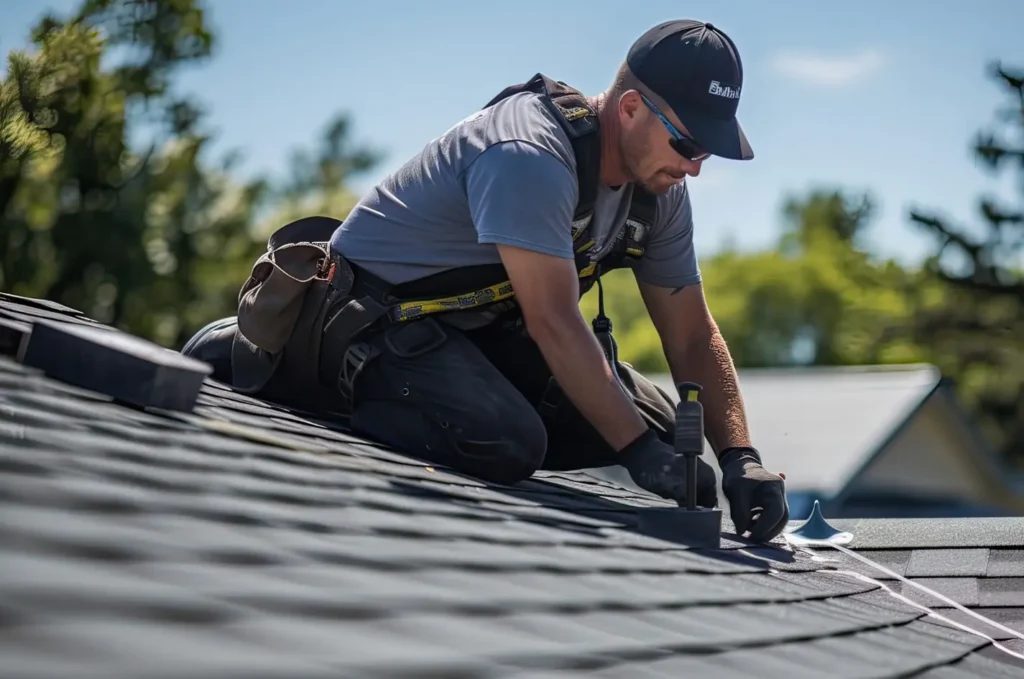
Asphalt shingles dry out as sun, heat, and temperature swings strip the oils that keep them flexible. Over time, the old shingles become brittle and begin losing the granules that protect them.
Rejuvenation applies a bio-based or oil-based treatment, usually sprayed on the surface, to replace some of those lost oils. The aim is to restore flexibility and improve granule retention. In short, asphalt shingle roof rejuvenation slows the effects of aging rather than reversing them.
It cannot repair physical damage. A treatment does not close a crack, fix flashing, or replace rotted wood, and it only works on asphalt and fiberglass shingles, not on tile, flat membranes, or other materials.
When Is Roof Rejuvenation Worth It?
Asphalt shingle roof rejuvenation tends to be worth it when the roof is dry, intact, and still flexible. Those conditions suggest the shingles can absorb the treatment and benefit from it.
Signs a Roof May Be a Good Candidate
- Good overall condition: Shingles lie mostly flat, with no large bare patches of asphalt.
- Flexibility: Shingles bend instead of snapping or cracking.
- No active leaks: There is no water damage, rotten wood, or missing shingles.
- Sound decking and flashing: The structure under the shingles is in good shape.
- A goal of buying time: You want to extend the roof’s life and delay a larger project.
When these conditions line up, rejuvenation is a reasonable way to get more from a roof that is otherwise doing its job.
When Is Roof Rejuvenation Not Worth It?
Rejuvenation is a poor choice when the roof has problems that a surface treatment cannot reach. Spending on a spray in that situation delays the real fix and lets damage continue.
Situations Where Rejuvenation Falls Short
- Active leaks or damage: Curling edges, cracked or missing shingles, or leaks need roof repair first.
- Severe granule loss: When bare asphalt or the fiberglass mat shows, the shingle cannot be saved.
- A roof that is too old: Roofs near or past about 20 years may need replacement within a short time anyway.
- Other roofing materials: Treatments are made for asphalt and fiberglass shingles only.
- No real inspection: A seller who has not checked the deck, flashing, and shingle brittleness is guessing.
If several of these apply, replacement planning is usually the more honest path.
Roof Rejuvenation vs Roof Replacement: How They Compare
Rejuvenation and roof replacement solve different problems, so the right choice depends on what your roof needs. One extends the life of healthy shingles, while the other starts a fresh roof.
Key Differences
- Added lifespan: Rejuvenation may add a few years, though many longevity claims come from the companies selling the service. Replacement starts a full new cycle.
- Damage repair: Rejuvenation does not fix leaks, flashing, or wood. Replacement can address all of them.
- Disruption: Rejuvenation is a spray-on process that typically takes hours. Replacement involves tear-off, debris, and noise over several days.
- Good fit: Rejuvenation suits sound roofs in mid-life. Replacement suits roofs that are failing or near the end.
Many homeowners find the decision easier once an inspection shows exactly which side of the line their roof falls on.
Does Timing Matter for Boston Homeowners Right Now?
Timing matters because most rejuvenation products need mild, dry weather to soak in and cure. Cold temperatures, damp air, frost, or rain can keep the product from absorbing and can wash it off the shingles.
Guidance varies by product, but many sources point to spring through early fall as the workable season, with minimum temperatures that a Boston winter often does not meet. Treating brittle shingles in the cold can also damage them.
If you are thinking about it late in the year, use the cold months for planning. Get an inspection now, so you know whether rejuvenation is even an option, whether any roof repair Boston homes need should come first, and when the weather allows work.
How to Get an Honest Assessment Before You Decide
An honest assessment starts with someone actually getting on the roof. They should check shingle flexibility, granule loss, flashing, the decking, and any signs of past leaks.
Ask which product will be used and what it is designed to do, and what findings would move the recommendation toward roof replacement Boston homeowners would need to plan. Also ask whether the treatment could affect the shingle manufacturer’s warranty, since policies differ and you should confirm directly.
Consider getting a second opinion, ideally from someone who is not selling a single solution. A company offering a full range of roofing services, from treatment to replacement, has less reason to push one over the other.
Written notes and photos from the inspection make it easier to compare what different companies recommend.
Making the Call for Your Roof
The decision comes down to condition, age, and goals. A sound 10 to 15 year old roof with flexible shingles and no leaks is a candidate. A roof with damage, severe wear, or a long list of repairs is not.
Compare the options side by side. For a healthy roof, rejuvenation may delay replacement. For a roof with active problems, roof repair Boston homeowners can rely on may come first, and roof replacement Boston properties need should be planned rather than postponed.
CAN Roof Construction lists roof rejuvenation among its roofing services in Boston, alongside repair, inspection, and replacement. It offers free, no-obligation roof inspections and a 10-year warranty on every project, so you can see what condition your old shingles are in before deciding.
Contact us to schedule an inspection.