
Green Roofs: How Living Roofs Work and Why
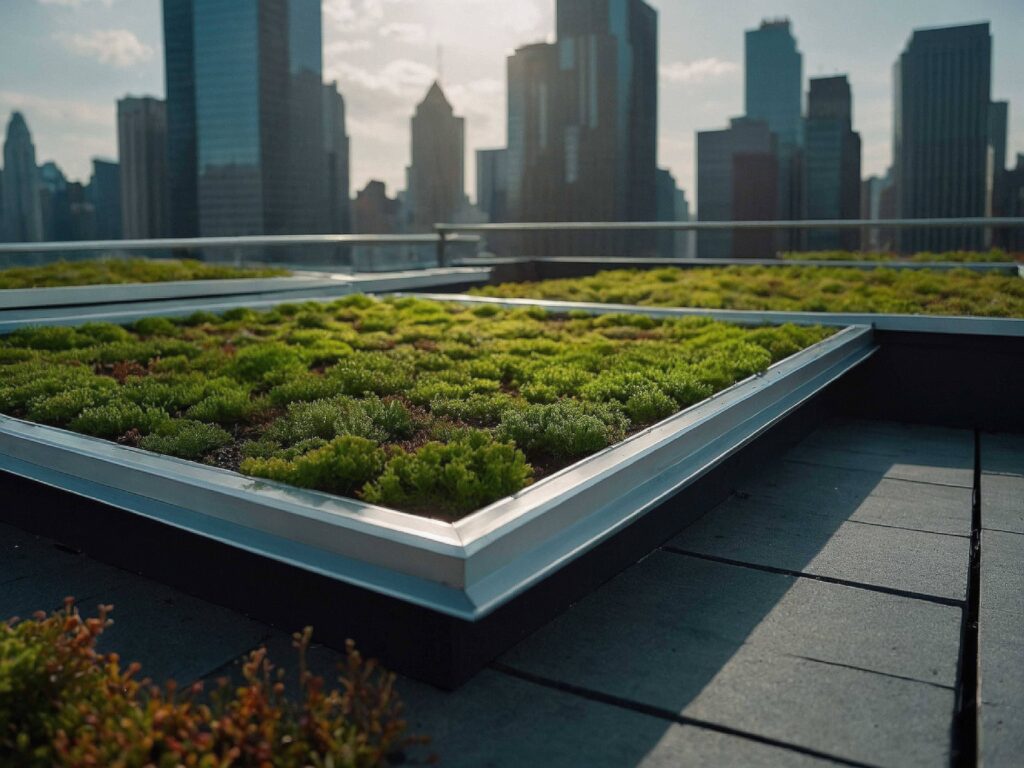
Green roofs living roofs have moved from architectural curiosity to mainstream building practice. Hospitals install them. Schools build them. Homeowners embrace them. And the reasons go far beyond just looking pretty.
Table of Contents
What Are Green Roofs Made Of? Understanding the Layers
A green roof isn’t just dirt dumped on top of a building. That would be a disaster waiting to happen. Natural green roofs living roofs involve careful engineering with multiple layers working together.
Everything starts with a waterproof membrane. This layer protects your building from moisture. It’s the foundation that makes everything else possible. Without proper waterproofing, you’d have leaks, mold, and structural damage.
Above that sits a root barrier. Plants want to grow, and roots can be surprisingly aggressive. The barrier keeps them from penetrating into your roof structure. Next comes a drainage layer. When rain falls, excess water needs somewhere to go. This layer channels it away while retaining just enough moisture for the plants.
Then there’s the growing medium. Notice we didn’t say soil. Green roof design uses specially engineered lightweight materials. Regular garden soil weighs too much and compacts over time. The engineered mix stays light, drains well, and provides nutrients plants need.
Finally, the plants themselves. Different green roof types use different vegetation. Some feature tough sedums that survive with almost no care. Others support grasses, wildflowers, or even vegetables. The best green roofs match plant selection to local climate and maintenance capacity.
How Do Green Roofs Help the Environment?
The environmental story behind living roofs might be the most compelling reason to consider one. Green roofs sustainability benefits touch almost every environmental concern we face today.
Cooling Down Hot Cities
Cities run hot. All that concrete and asphalt absorbs heat during the day and releases it at night. This urban heat island effect makes cities several degrees warmer than surrounding areas. Air conditioning works overtime. Energy bills climb. People suffer during heat waves.
Green roofs flip the script. Plants absorb sunlight for photosynthesis instead of converting it to heat. Water evaporates from leaves, creating natural cooling. A conventional black roof might reach 150 degrees on a summer day. A green roof nearby stays around 80 degrees. That difference matters for the entire neighborhood, not just the building underneath.
Managing Stormwater Naturally
When rain hits a regular roof, it rushes off immediately. It floods gutters, overwhelms storm drains, and carries pollutants into rivers and streams. Cities spend billions managing stormwater runoff.
Living roofs act like sponges. They absorb rainfall and release it slowly through evaporation. A well-designed green roof can retain 50 to 90 percent of summer rainfall. Even in heavy storms, they delay runoff significantly. This takes pressure off drainage systems and keeps waterways cleaner.
Cleaning the Air We Breathe
Plants filter air. We all learned that in school. But seeing it work at scale on rooftops brings the lesson home. Green roof vegetation captures dust particles, absorbs pollutants, and produces oxygen. One study found that a single square meter of green roof can remove about 200 grams of particulate matter per year. Multiply that across thousands of rooftops and real change happens.
Green Roof Benefits for Your Building
Environmental benefits help everyone. But green roof advantages also show up directly on your bottom line.
Real Energy Savings You Can Measure
That cooler roof surface translates into lower cooling costs. Buildings with green roofs typically use 25 to 30 percent less energy for air conditioning during summer months. The insulation works both ways too. In winter, the added layer helps retain heat, reducing heating costs as well.
Modern green roofs living roofs turn rooftops from energy liabilities into energy assets. Some building owners report that energy savings alone pay back their green roof investment within ten to fifteen years. Every year after that puts money back in their pockets.
Your Roof Lasts Longer
Conventional roofs take a beating. UV radiation breaks down materials. Temperature swings cause expansion and contraction. Hail and debris cause physical damage. Most commercial roofs need replacement every 15 to 20 years.
Green roofs protect the membrane underneath from all of that. The vegetation and growing medium shield against UV rays, moderate temperature extremes, and cushion against impacts. Many green roofs last 40 to 50 years before needing major work. That’s two or three conventional roof replacements avoided.
Increased Property Value
Buildings with green roofs command premium rents and sale prices. Tenants want to work in environmentally responsible spaces. Homebuyers appreciate lower utility bills and unique features. The aesthetic appeal doesn’t hurt either. A rooftop garden visible from upper floors transforms the entire feel of a property.
Green Roof Advantages and Disadvantages: The Complete Picture
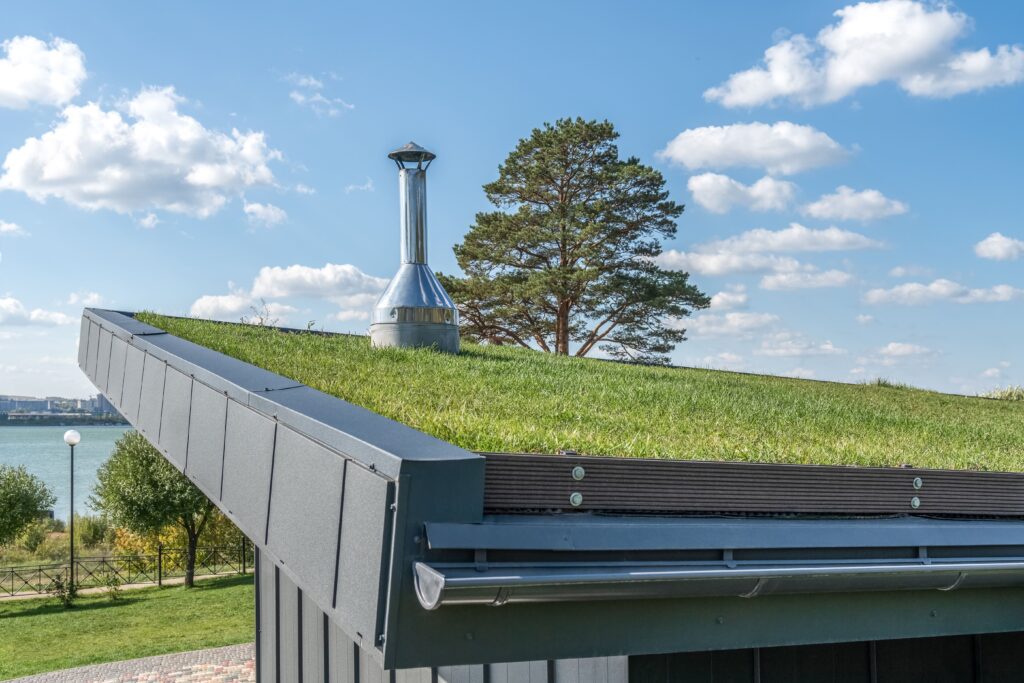
We’ve covered many green roofs benefits already. Energy savings. Environmental impact. Longer roof life. Property value increases. The list goes on. Green roofs pros and cons deserve honest examination though. These systems aren’t perfect for every situation.
Disadvantages of Green Roofs Worth Considering
Cost comes first. Installing a green roof runs significantly more than conventional roofing. Depending on the system type and complexity, you might pay three to ten times what standard roofing costs. The long-term savings often justify this investment, but you need the upfront capital.
Weight matters too. Even lightweight green roof systems add 15 to 30 pounds per square foot. Intensive systems with deeper soil and larger plants can exceed 100 pounds per square foot. Not every building structure can handle this load. Older buildings may need expensive reinforcement before a green roof becomes feasible.
Maintenance requirements vary but never disappear completely. Plants need attention. Drainage systems require inspection. Weeds happen. While extensive green roofs with hardy sedums need minimal care, more elaborate gardens demand regular professional maintenance.
Choosing Your Green Roof Design
Not all living roofs look alike. Understanding the options helps you pick what fits your situation.
Extensive green roofs use shallow growing medium and tough, low-growing plants. They’re lighter, cheaper, and need less maintenance. Most residential projects and commercial buildings start here. These systems practically take care of themselves once established.
Intensive green roofs go bigger. Deeper soil supports trees, shrubs, and full gardens. They become usable outdoor spaces. Rooftop parks, restaurant terraces, residential gardens. The possibilities expand dramatically. So do the costs and structural requirements.
Semi-intensive systems split the difference. They allow more variety than extensive roofs without the full demands of intensive installations. Many building owners find this middle ground hits the sweet spot.
Making Your Decision
Green roofs have moved from experimental to established. The technology works. The benefits are proven. Now check if a living roof makes sense for your specific building and goals.
Start with a structural assessment. Can your roof handle the additional weight? If not, how much would reinforcement cost? Get real numbers from qualified engineers.
Consider your climate. Green roofs work almost anywhere, but plant selection and system design need to match local conditions. What thrives in Seattle differs from what works in Phoenix.
Think about your goals. Pure energy efficiency? Environmental contribution? Usable outdoor space? Aesthetic improvement? Different priorities point toward different green roof types.
Talk to Can Roof’s experienced professionals who have designed and installed green roofs in your area. See completed projects. The best green roofs result from careful planning matched with quality installation.