
Fire-Resistant Roofing Materials: Safety-Focused Guide & Tips
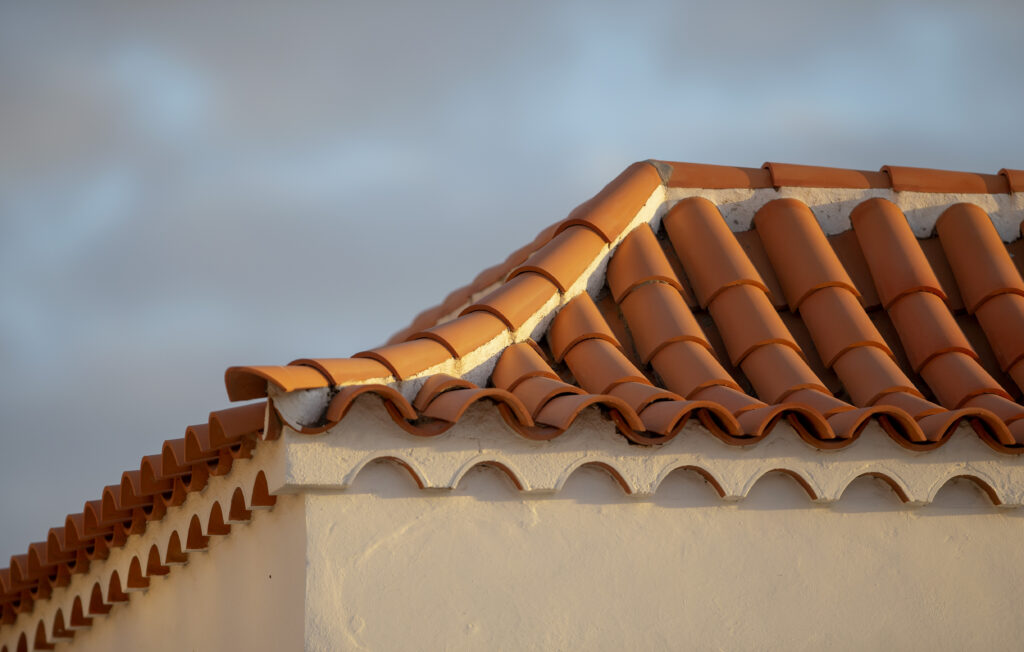
Some roofing materials catch fire easily. Others resist flames and heat. Choosing the right materials can help keep your family safe.
Your roof is often the first thing that faces these dangers. Learning about different materials and their fire ratings will give you safety-focused recommendations for your home.
Table of Contents
Why Fire-Resistant Roofing Matters
Your roof covers a large area of your home. It is exposed to many dangers. Flying embers from nearby fires can land on your roof. Hot ashes can travel long distances in the wind.
Fire-resistant roofing slows down this process. It gives you more time to react. It gives firefighters more time to help. In some cases, it stops the fire from spreading at all.
Ember resistance is especially important. During wildfires, embers fly through the air. They can travel miles from the main fire. These hot embers start new fires wherever they land.
A fire-resistant roof protects against these embers. The materials do not catch fire easily. They give your home a fighting chance during dangerous conditions.
Fire Ratings for Roofing
Roofing materials receive fire ratings based on testing. These ratings tell you how well the material resists fire. There are three main classes to know about.
Class A fire rating is the highest level of fire protection. Materials with this rating resist severe fire exposure. They do not spread flames easily. They provide the best protection for your home. Examples include metal, clay tiles, concrete tiles, and some asphalt shingles.
Class C fire rating provides light fire protection. These materials only resist light fire exposure. They offer basic protection but may not be enough in high-risk areas.
Always look for fire-rated shingles when shopping. The rating should be clearly marked on the product. For the best wildfire safety, choose Class A materials whenever possible.
Best Fire-Resistant Roofing Materials
Several roofing materials offer excellent fire protection. Let us look at the best options for your home.
Metal Roofing
Metal roofing is one of the safest choices available. Metal does not burn. It naturally has a Class A fire rating. This makes it perfect for fire-prone areas.
Metal roofs can handle extreme heat without catching fire. When embers land on metal, they simply burn out. The fire cannot spread to your home through the roof.
Metal roofing comes in many styles today. You can find panels, shingles, and tiles. Some metal roofs look like traditional materials. You get fire protection without sacrificing appearance.
Metal roofs also last a very long time. With proper care, they can protect your home for 50 years or more. They resist wind, hail, and rot as well as fire. The initial cost is higher than some options. However, the long life and safety benefits make it worthwhile for many homeowners.
Clay Tiles
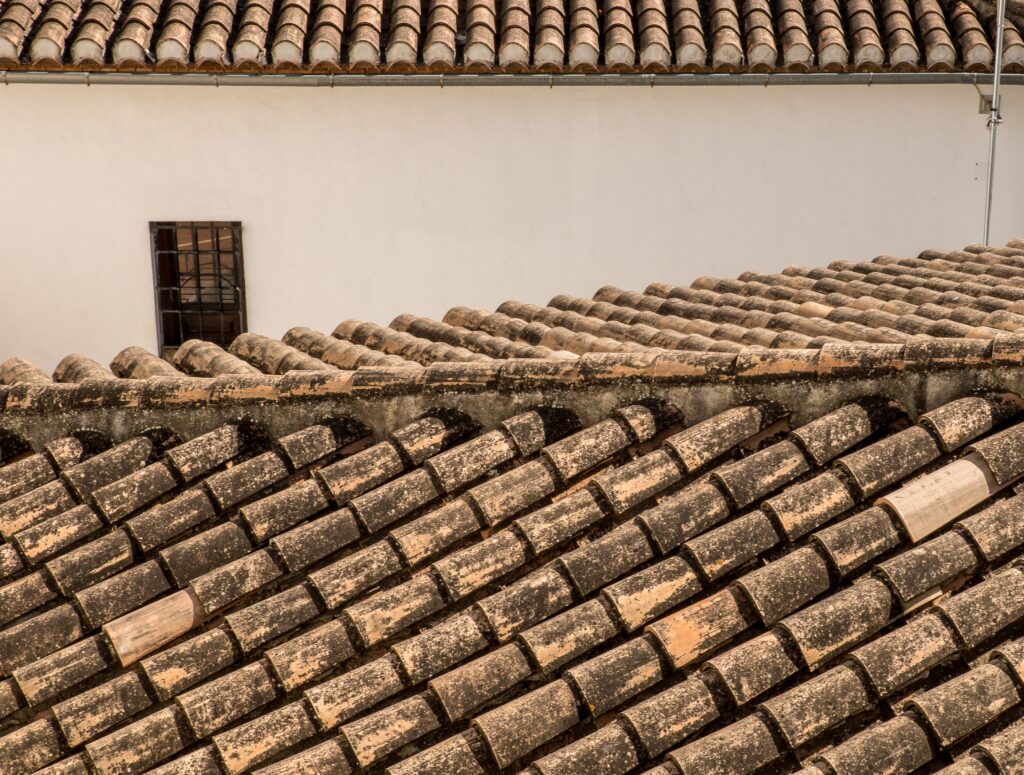
Clay tiles have been used for centuries. They are made from natural earth materials. Fire simply cannot burn clay. These tiles offer excellent fire protection.
Clay tiles are popular in hot, dry climates, for example Bedford neighborhood roofs. They are common in areas with high wildfire risk. Their natural fire resistance makes them ideal for these regions.
The tiles also keep homes cooler. They reflect heat from the sun. This can lower your energy bills in summer. Clay tiles add a beautiful, classic look to any home.
Clay tiles are heavy and require strong roof support. Not all homes can handle the weight without modifications. Installation costs are higher because of the specialized work needed. However, clay tiles can last 100 years with proper care, making them a long-term investment.
Concrete Tiles
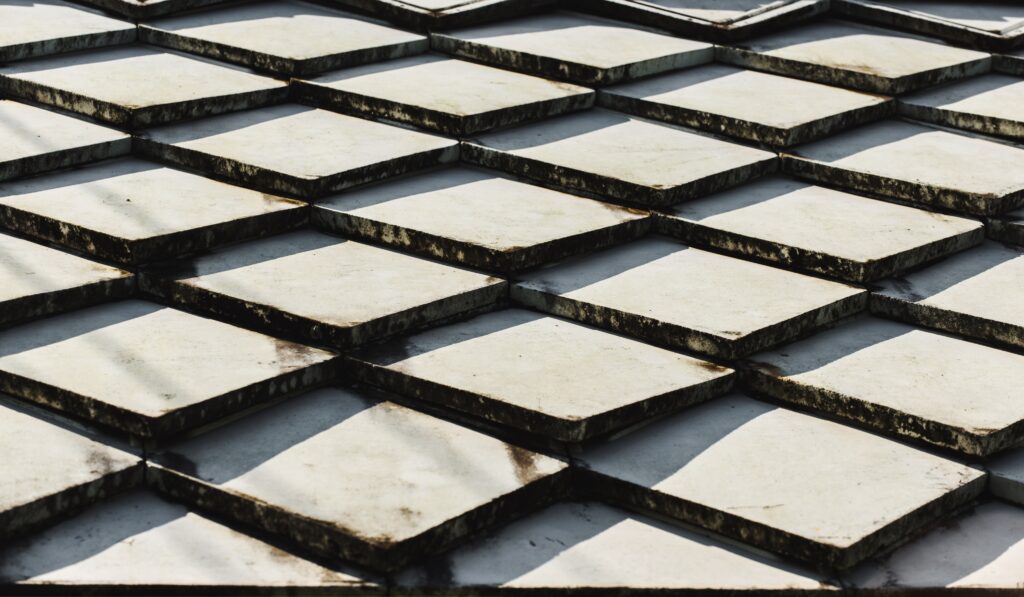
Concrete tiles work similar to clay tiles. They are made from cement, sand, and water. Like clay, concrete does not burn.
Concrete tiles have a Class A fire rating. They provide excellent fire protection for your home. Embers and flames cannot ignite concrete materials.
These tiles come in many shapes and colors. Some look like clay tiles. Others look like wood shakes. You can find a style that matches your home.
Concrete tiles cost less than clay tiles while offering similar protection. They are also heavy and need proper roof support. The tiles are very durable and resist damage from weather and pests.
Asphalt Fire-Resistant Shingles
Asphalt shingles are the most common roofing material. Not all asphalt shingles resist fire equally. But many of the modern asphalt shingles have Class A ratings.
Fire-resistant asphalt shingles contain special materials. Fiberglass mats help them resist flames. The shingles are treated to improve fire protection.
These shingles offer good protection at a reasonable price. They are widely available and easy to install.
Before choosing roofing materials, check your local building codes. Contact your local building department for information. They can tell you exactly what is required in your area.
Following these codes is not optional. It is the law. Using approved materials also helps with insurance coverage.
Additional Fire Safety Tips
Your roofing material is just one part of fire protection. Here are more ways to keep your home safe.
Keep your roof clean and clear. Remove leaves, pine needles, and debris regularly. These materials can catch fire easily. Clean gutters also reduce fire risk.
Trim trees near your roof. Branches that touch your roof create fire paths. Keep trees at least 10 feet away from your home.
Check for gaps and openings. Embers can enter through small holes. Make sure vents have proper screens. Seal any gaps in your roofing system.Roof inspections in West Side and other local areas helps to prevent the problem beforehand.
Consider your entire home. Fire-resistant roofing works best with other protections. Fire-safe siding, windows, and landscaping all help.
Conclusion
Fire-resistant roofing materials can save your home. They provide crucial protection against flames and embers. Choosing the right materials is a smart safety decision.
Metal roofing, clay tiles, concrete tiles, and fire-resistant asphalt shingles all offer good protection. Each has a Class A fire rating. Each can help protect your family and belongings.
Think about your location and climate. Consider wildfire risks in your area. Check local building codes for requirements. Then choose the best fire-resistant material for your needs.
If you are ready to upgrade your roof, contact CAN Roof for safety of your house.