
Commercial TPO vs PVC Flat Roof: What Is the Difference?
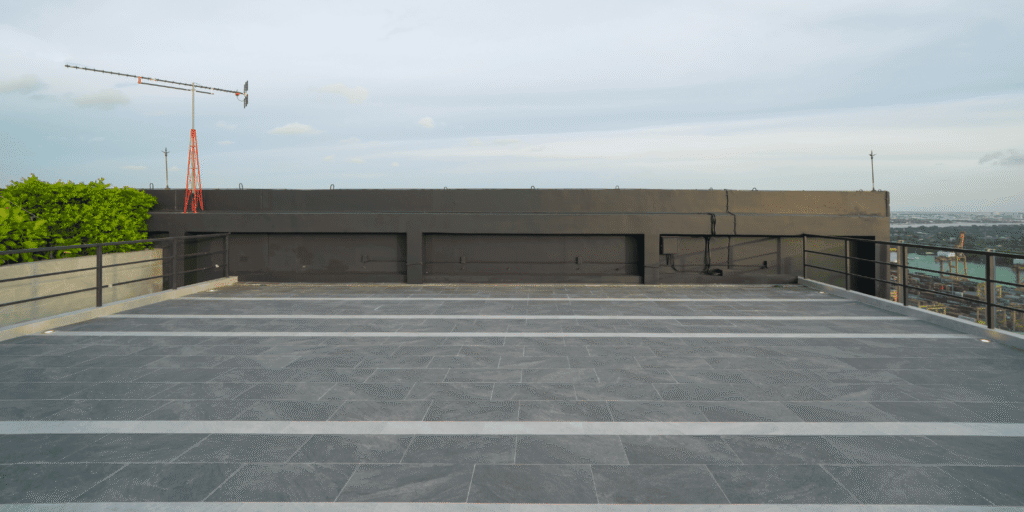
The main difference between TPO vs PVC roofing is their chemical composition and performance characteristics. TPO roofing offers excellent heat-welded seams and cost efficiency, while PVC roofing provides superior chemical resistance and proven longevity. Both are popular single-ply roofing options for commercial flat roof and residential flat roof applications, but choosing the best flat roof material depends on your specific property needs, budget, and environmental factors.
This comprehensive guide compares TPO vs PVC roofing across all the factors that matter most to Boston property owners. We cover costs, lifespan, durability, energy efficiency, and ideal applications for each flat roof materials option.
Table of Contents
What Is TPO Roofing?
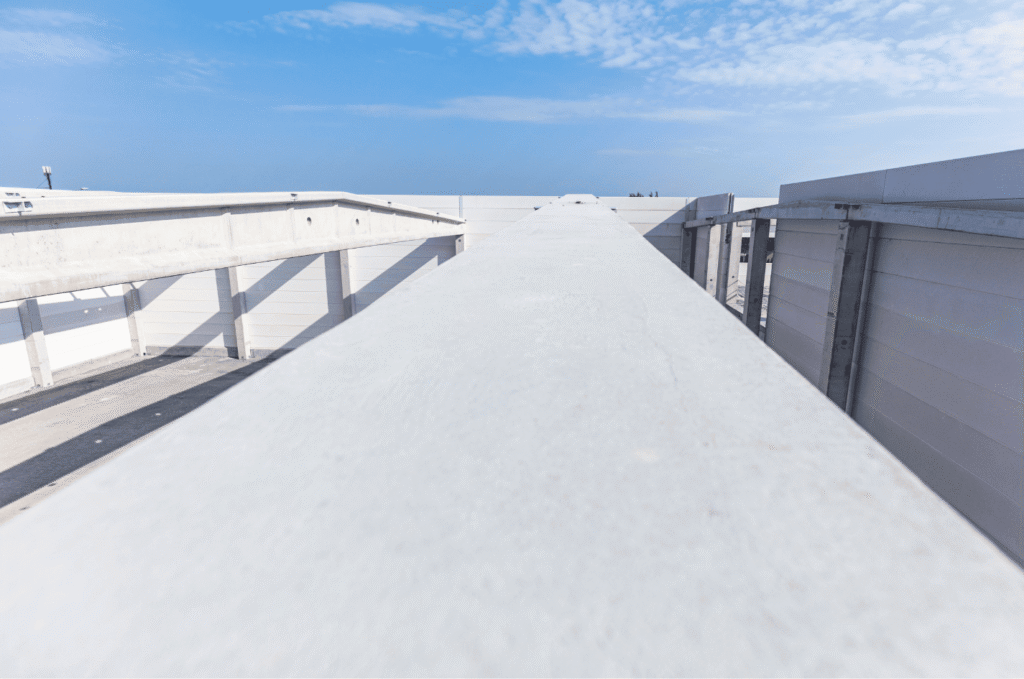
TPO roofing (Thermoplastic Polyolefin) is a single-ply roofing membrane made from polypropylene and ethylene-propylene rubber, designed specifically for flat and low-slope roofs. The TPO membrane features a white roof membrane surface that reflects sunlight, making it one of the most energy efficient roofing options available for commercial flat roof applications.
Key Characteristics of TPO Roof Systems
TPO roofing features include:
- Heat-welded seams: Creates strong, watertight bonds between membrane sheets
- Reflective surface: White membrane reflects UV rays and reduces cooling costs
- Flexibility: Handles building movement and temperature changes
- Lightweight: Does not add significant structural load
- Environmentally friendly: Recyclable material at end of life
What Is PVC Roofing?
PVC roofing (Polyvinyl Chloride) is a single-ply roofing membrane that has been protecting commercial flat roof systems for over 50 years. The PVC membrane contains plasticizers that provide flexibility and durability, along with chemical additives that deliver superior resistance to grease, chemicals, and fire. PVC roof repair has the longest track record among thermoplastic flat roof materials.
Key Characteristics of PVC Roof Systems
PVC roofing features include:
- Chemical resistance: Withstands grease, oils, and chemical exposure
- Fire resistance: Self-extinguishing properties for enhanced safety
- Proven longevity: 50+ year track record in commercial applications
- Heat-welded seams: Strong, permanent seam bonds
- Reflective options: White roof membrane for energy efficiency
What Are the Main Differences Between TPO and PVC?
The main differences between TPO vs PVC roofing include chemical composition, price point, chemical resistance, and track record. TPO roof systems cost less upfront and offer excellent energy efficiency, while PVC roof systems provide superior chemical resistance and a longer proven history in the roofing industry.
Chemical Composition
TPO membrane combines polypropylene and ethylene-propylene rubber polymers. This blend creates a flexible, durable material without plasticizers. PVC membrane uses polyvinyl chloride with plasticizers added for flexibility. The plasticizers in PVC provide chemical resistance but can break down over time in extreme conditions in Belmont roofing projects.
Performance Comparison
Key performance differences:
- Chemical exposure: PVC outperforms TPO in chemical and grease resistance
- Heat welding: Both create strong seams, but PVC seams are considered slightly stronger
- Flexibility: TPO maintains flexibility better in cold temperatures
- UV resistance: Both offer excellent UV protection with white membranes
- Fire resistance: PVC offers superior fire-resistant properties

How Long Does TPO vs PVC Roofing Last?
TPO lifespan ranges from 20-30 years with proper installation and maintenance, while PVC lifespan extends 25-30+ years under similar conditions. PVC roofing has a longer performance history, with many installations exceeding 30 years. Both flat roof materials provide excellent longevity when properly maintained.
Factors Affecting Lifespan
Lifespan depends on:
- Installation quality: Professional installation is critical for both materials
- Membrane thickness: Thicker membranes (60-80 mil) last longer
- Maintenance: Regular inspection and flat roof repair extends life
- Climate exposure: Boston’s freeze-thaw cycles affect both materials
- Foot traffic: Heavy traffic areas may show earlier wear
Which Is More Energy Efficient: TPO or PVC?
Both TPO and PVC roofing offer excellent energy efficient roofing performance with their white roof membrane surfaces reflecting solar radiation and reducing cooling costs by 10-30%. TPO roofing may have a slight edge in reflectivity, but both roofing materials meet Energy Star requirements and contribute to lower energy bills during Boston’s hot summer months.
The white roof membrane on both TPO roof and PVC roof systems keeps buildings cooler by reflecting sunlight rather than absorbing heat. This reduces air conditioning demand and can qualify buildings for energy efficiency incentives. For Boston commercial flat roof applications, both materials deliver meaningful energy savings.
Which Is Better for Boston Climate: TPO or PVC?
Both TPO and PVC roofing perform well in Boston’s climate, handling freeze-thaw cycles, snow loads, and temperature extremes effectively. TPO membrane maintains slightly better flexibility in extreme cold, while PVC membrane offers superior resistance to ponding water. For most Boston flat roof replacement projects, either material provides excellent performance.
Climate Performance Factors
Boston climate considerations:
- Freeze-thaw cycles: Both handle well; TPO slightly more flexible when cold
- Snow loads: Both withstand heavy snow accumulation
- Temperature swings: Both accommodate expansion and contraction
- Ice dam potential: Heat-welded seams on both resist ice dam water intrusion
- Coastal exposure: Both resist salt air and coastal conditions
When Should You Choose TPO vs PVC?
You should choose TPO roofing in Boston when budget is a primary concern and chemical exposure is minimal. You should choose PVC roofing when the roof will be exposed to grease, chemicals, or requires maximum fire resistance. Both are excellent flat roof materials, but matching the material to your specific application ensures the best flat roof material choice.
Choose TPO Roofing When:
- Budget is a primary consideration
- No chemical or grease exposure expected
- Energy efficiency is a top priority
- Environmental sustainability matters
- Standard commercial flat roof application
Choose PVC Roofing When:
- Restaurant with rooftop grease exposure
- Industrial facility with chemical exposure
- Maximum fire resistance is required
- Longest possible lifespan is priority
- Proven track record matters most
How Do TPO and PVC Compare to EPDM?
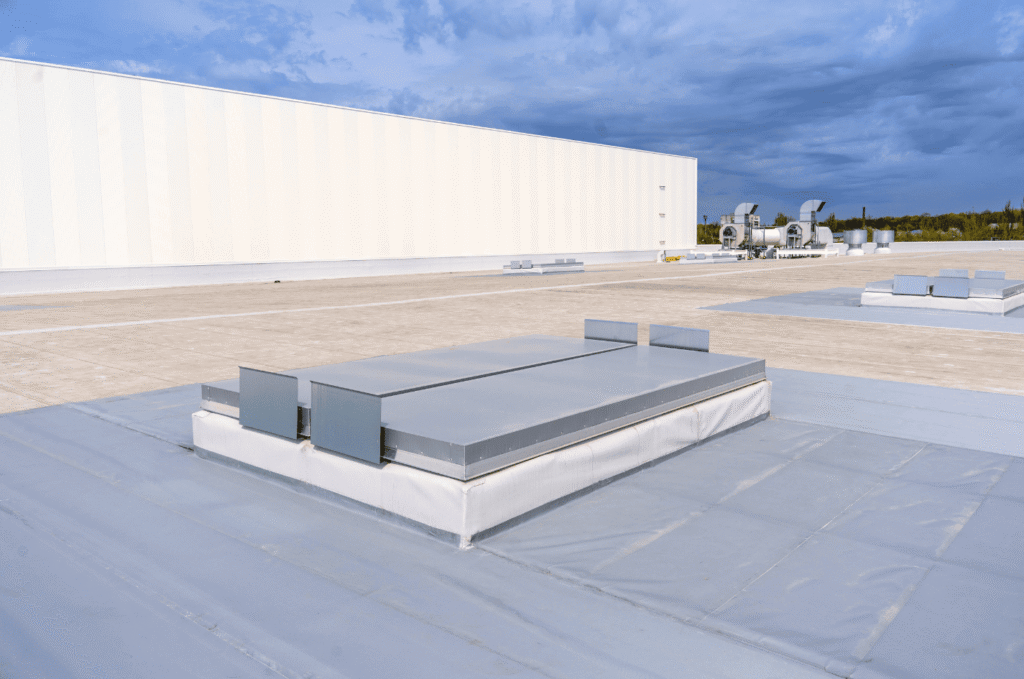
TPO and PVC are both thermoplastic single-ply roofing materials with heat-welded seams, while EPDM roof repair is a thermoset rubber membrane with adhesive or tape seams. TPO and PVC offer superior seam strength and energy efficiency with their white surfaces, while EPDM typically costs less and has an excellent long-term track record for flat roof repair and installation.
Quick comparison:
- TPO: Best value, good performance, newer technology
- PVC: Best chemical resistance, longest track record, highest cost
- EPDM: Lowest cost, excellent durability, black surface absorbs heat
CAN Roof Construction: Your Flat Roof Experts
CAN Roof Construction helps Boston property owners choose between TPO vs PVC roofing and all commercial flat roof materials. Our 5-star rated team provides honest recommendations based on your specific needs, budget, and building requirements.
Find the Best Flat Roof Material for Your Property
Choosing between TPO vs PVC roofing depends on your specific situation. Our FREE drone inspection evaluates your current roof condition and helps determine whether TPO roof, PVC roof, or another flat roof materials option best suits your needs and budget.
Contact CAN Roof Construction to schedule your roof inspection.