
What Causes Shingle Granule Loss? Main Reasons & Solutions
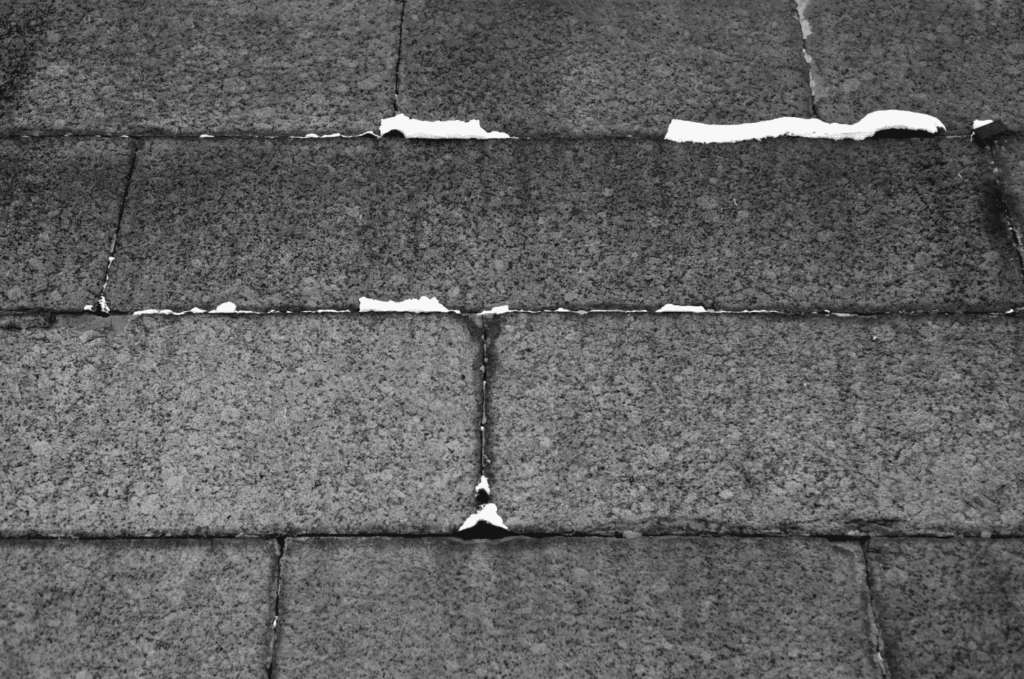
Some of the main causes for shingle granule loss are natural aging, weather conditions, mechanical damaged shingles, or shingle blistering. Finding colored granules in your gutters or scattered around your downspouts signals that your roof may be experiencing shingle granule loss, a common issue that affects thousands of Massachusetts homeowners each year.
These small, sand-like particles embedded in asphalt shingles serve as your roof’s first line of defense against UV radiation, weather damage, and premature aging. When granule loss causes your shingles to become exposed and vulnerable, understanding the underlying reasons helps you take appropriate action before minor issues escalate into major problems.
Table of Contents
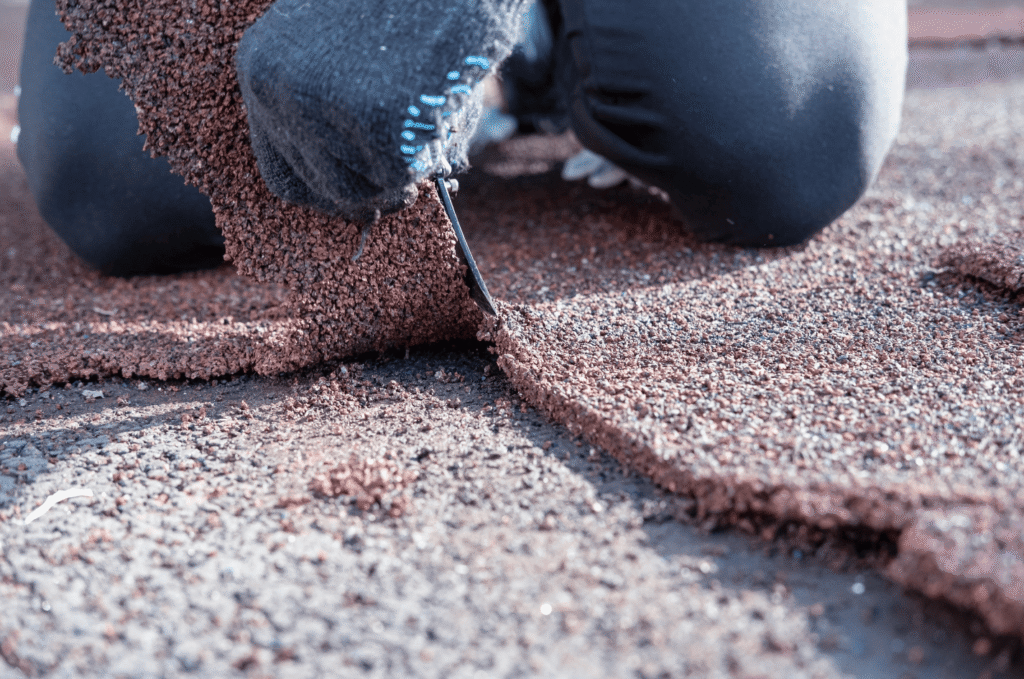
What Causes Granule Loss on Shingles?
Granule loss on shingles results from a combination of natural aging, weather exposure, physical damage, and sometimes manufacturing deficiencies. These protective granules are embedded into the asphalt coating during manufacturing, but various factors cause them to detach over time. Understanding each cause helps you identify the specific issue affecting your roof in Boston and determine the most effective solution.
The granules on your shingles provide critical protection by reflecting UV rays, adding fire resistance, and creating the aesthetic appearance homeowners appreciate. When these granules disappear, the underlying asphalt becomes exposed to direct sunlight, accelerating deterioration and shortening your roof’s functional lifespan significantly.
Natural Aging Causes of Granule Loss
Natural aging accounts for the most common form of shingle granule loss, occurring gradually as roofs approach the end of their expected service life. As asphalt shingles age, the petroleum-based compounds that bind granules to the shingle surface slowly break down through oxidation and UV exposure. This natural process typically begins showing visible signs when roofs reach 15 to 20 years of age.
Over time, the asphalt becomes brittle and loses its flexibility, weakening the bond that holds granules in place. You may notice accelerating granule accumulation in gutters during this phase, along with visible bare spots on shingle surfaces. When natural aging causes significant granule loss across multiple roof sections, roof replacement typically provides better value than ongoing repairs.
How Weather Conditions Damage Shingles
Weather conditions represent one of the most significant factors that causes granule loss on shingles, particularly in Massachusetts where roofs endure extreme seasonal variations. From harsh winter storms to intense summer heat, each weather element contributes to gradual granule displacement.
Wind Damage Shingles
High winds create multiple problems for shingle integrity. Wind damage shingles by lifting edges and breaking the seal between shingle layers, allowing wind-driven rain to scour granules from exposed surfaces. Sustained winds can also cause shingle marring through debris impact and abrasion. During nor’easters and severe storms, wind damage shingles to the point where entire sections may require replacement.
Hail and Ice Impact
Hailstorms cause immediate, concentrated granule displacement upon impact. Even small hailstones can knock granules loose, while larger hail causes shingles cracking and deep bruising that compromises the entire shingle structure.Melrose ice dams that form during winter create additional problems by forcing water beneath shingle edges, loosening granules through freeze-thaw cycling.
Thermal Cracking on Shingles
Thermal cracking on shingles occurs when extreme temperature fluctuations cause rapid expansion and contraction of roofing materials. This thermal stress causes shingles to crack as the asphalt loses flexibility over time. The cracks often originate at granule attachment points, accelerating granule loss in affected areas. Boston-area roofs experience particularly severe thermal cycling during spring and fall transitional seasons.
Mechanical Damage Shingles and Physical Causes
Mechanical damage shingles through direct physical contact that displaces granules and compromises shingle integrity. This damage often goes unnoticed until significant granule loss has already occurred.
- Foot traffic: Walking on roofs for maintenance, satellite installation, or inspections scuffs granules loose, particularly on hot days when asphalt softens
- Falling debris: Tree branches, heavy limbs, and airborne objects impact shingles and dislodge granules upon contact
- Improper cleaning: Pressure washing or aggressive moss removal techniques strip granules from shingle surfaces
- Animal activity: Raccoons, squirrels, and birds scratching and moving across roof surfaces cause shingle marring and granule displacement
- Equipment mounting: Satellite dishes, solar panels, and rooftop HVAC installations can damage surrounding shingles during installation
How Shingle Blistering Causes Granule Loss
Shingle blistering occurs when moisture or gases trapped within shingle layers expand during hot weather, creating raised bubbles on the shingle surface. As these blisters form and eventually rupture, they take surrounding granules with them, leaving exposed asphalt vulnerable to accelerated UV damage.
Several factors contribute to shingle blistering: poor attic ventilation that traps heat beneath roofing materials, moisture infiltration during installation, and manufacturing defects that leave volatile compounds within the asphalt. Blistering typically appears most prominently on south-facing roof slopes that receive maximum sun exposure throughout the day in Charlestown.
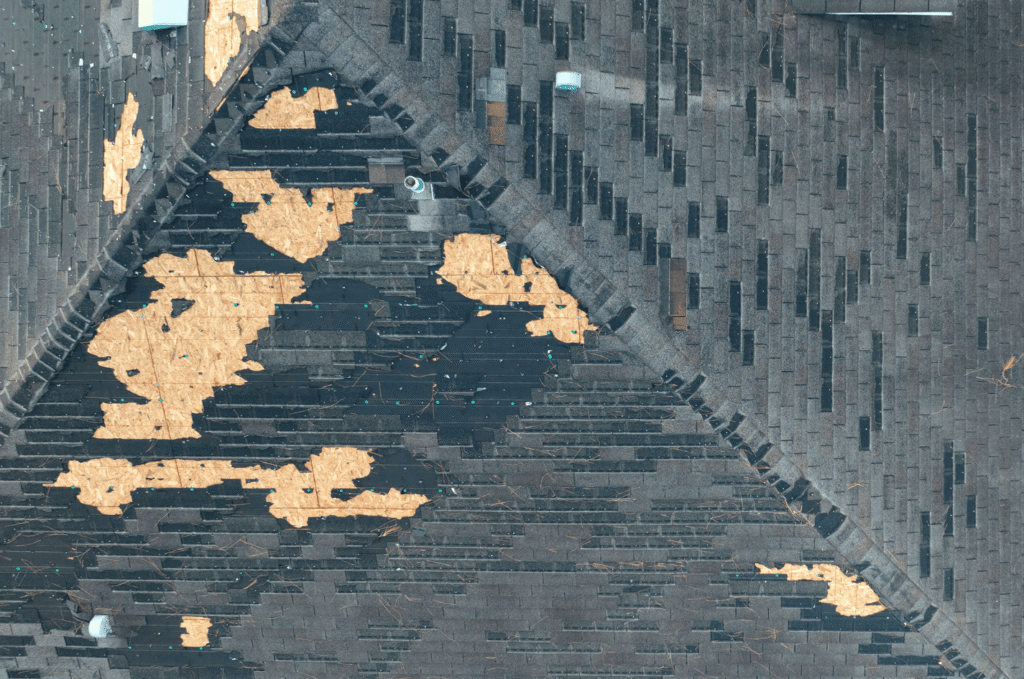
Why Do Granules Come Off a New Roof?
Granules come off a new roof primarily due to excess loose granules from the manufacturing process washing away during initial rain events, this is completely normal and not a cause for concern. During shingle production, more granules are embedded than necessary to ensure complete coverage, and these excess particles naturally shed during the first few months after installation.
However, if significant granule loss continues beyond the first few months, this may indicate installation problems or a deficiency causes shingles to release granules prematurely. Manufacturing defects, improper storage that exposed shingles to heat before installation, or installation during extreme temperatures can all cause excessive early granule loss. If you notice persistent heavy granule accumulation in gutters beyond the initial break-in period, professional inspection helps identify whether warranty coverage applies.
What Deficiency Causes Shingles to Lose Granules Prematurely?
A deficiency causes shingles to fail prematurely when manufacturing errors, material quality issues, or design flaws compromise the granule-to-asphalt bond. These deficiencies may include insufficient asphalt coating, improper granule embedding depth, contaminated raw materials, or inadequate quality control during production.
Signs that a deficiency causes shingles problems include uniform granule loss across shingles from the same production batch, premature failure well before expected lifespan, and patterns inconsistent with normal wear. Documenting these issues thoroughly supports warranty claims, as major manufacturers stand behind their products when legitimate defects are identified.
How to Fix Granular Loss on Roof
To fix granular loss on roof surfaces, start by assessing the extent and cause of damage; minor localized loss may require simple shingle repairs, while widespread granule depletion typically necessitates section replacement or complete reroofing. The appropriate solution depends on your roof’s age, overall condition, and the specific factors causing granule loss.
Minor Granule Loss Solutions
For localized damage affecting individual shingles, replacement of damaged shingles often provides adequate repair. Professional contractors in Lakeville can match existing shingle colors and styles, blending repairs seamlessly with surrounding roofing. This approach works best when damage results from isolated incidents like fallen branches or localized mechanical damage shingles.
How to Hand Seal Shingles
Learning how to hand seal shingles helps address wind damage before it causes additional granule loss. Apply roofing cement beneath lifted shingle edges, pressing firmly to create secure bonds. Hand sealing works best for shingles that have lost their factory seal strip adhesion but remain structurally sound. This preventive measure stops wind damage shingles from progressive deterioration.
Section or Complete Replacement
When granule loss extends across large roof areas or results from natural aging causes affecting the entire roof, replacement provides the most effective long-term solution. Continuing to repair an aging roof with widespread granule loss often costs more over time than investing in quality replacement that restores full protective capability.
Preventing Shingle Granule Loss
While some granule loss remains inevitable over a roof’s lifespan, proactive measures minimize premature deterioration and extend your roof’s functional life.
- Ensure proper attic ventilation: Adequate airflow reduces heat buildup that accelerates shingle aging and causes thermal cracking on shingles
- Trim overhanging branches: Keep trees pruned away from roof surfaces to prevent mechanical damage shingles and reduce debris accumulation
- Schedule regular inspections: Annual professional assessments identify early granule loss before significant damage occurs
- Address repairs promptly: Fix wind damage shingles and seal lifted edges before they cause progressive deterioration
- Choose quality materials: Premium shingles from manufacturers like GAF, Owens Corning, and CertainTeed offer better granule adhesion and longer warranties
- Minimize foot traffic: Limit walking on your roof and schedule necessary maintenance during cooler temperatures when asphalt is firmer
Trust CAN Roof Construction for Expert Shingle Assessment
CAN Roof Construction provides comprehensive shingle inspection and repair services throughout the greater Boston area. Our 5-star rated team accurately diagnoses granule loss causes and recommends cost-effective solutions tailored to your specific situation.
Our shingle services include:
- FREE comprehensive inspection: Drone imaging and hands-on evaluation identify all granule loss areas and underlying causes
- Expert damage assessment: We distinguish between normal aging, storm damage, and manufacturing defects
- Warranty documentation: Thorough documentation supports claims for defective materials
- Quality repairs: GAF and CertainTeed certified installation ensures lasting results
- 10-year workmanship warranty: Our confidence in quality protects your investment
- Honest recommendations: We advise repair when appropriate and replacement only when necessary
Schedule Your FREE Roof Inspection Today
Shingle granule loss serves as an important indicator of your roof’s condition and remaining service life. Whether caused by natural aging, weather conditions, mechanical damage shingles, or shingle blistering, identifying granule loss early enables timely intervention that protects your home and maximizes your roofing investment.
CAN Roof Construction’s certified experts will assess your shingles thoroughly, explain your options clearly, and help you determine the most effective solution for your specific situation. Protect your home with expert guidance you can trust.