
Roof Repair Best Practices: What Makes a Roof Repair Last?
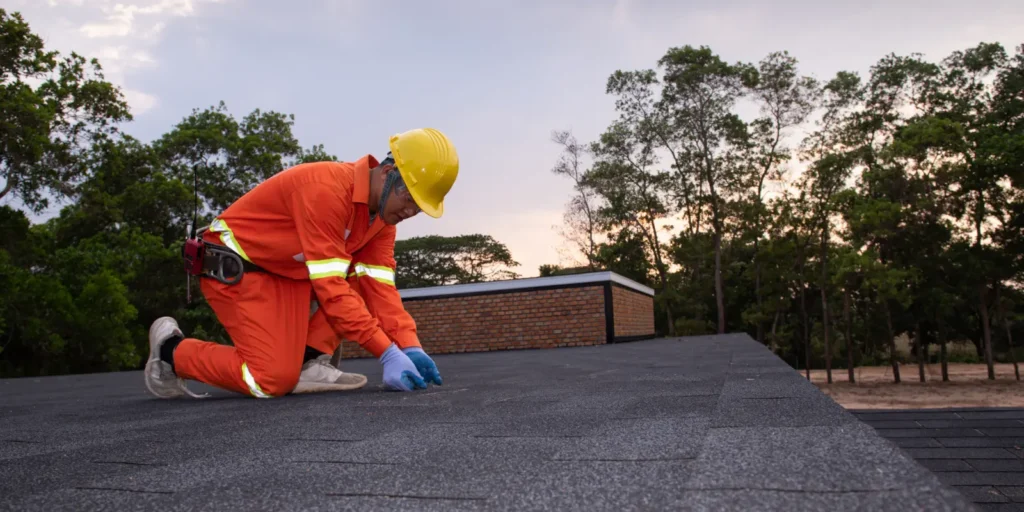
Not all roof repairs are created equal. Two roofs can have the exact same problem, a cracked shingle, a leaking pipe boot, a lifted flashing seam, and one repair will hold for years while the other fails again by the next storm season. The difference almost always comes down to whether the repair addressed the actual cause of the damage or just patched over the symptom, and whether it was done with the right materials and technique.
This guide covers the roof repair best practices that separate a lasting fix from a temporary one, from diagnosing the real source of a leak to the small technique details that make a huge difference over time.
Table of Contents
Find the Real Cause, Not Just the Symptom
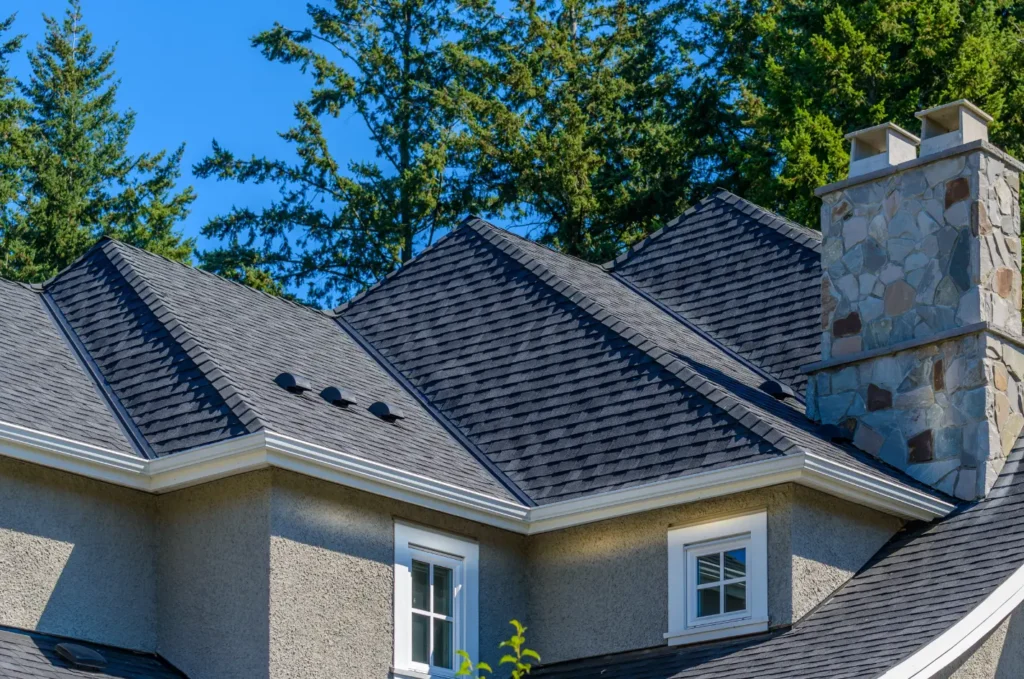
The single biggest factor in whether a roof repair lasts is whether it addressed the actual source of the problem instead of just the visible damage. A water stain on your ceiling, for example, often shows up several feet away from where the water is actually entering the roof, since water travels along the deck and framing before it drips through. Patching the spot directly above the stain without tracing the leak back to its real entry point is one of the most common reasons repairs fail again within a season.
This is also true for damage that looks minor on the surface. A single cracked shingle might be the visible sign of a bigger issue underneath, like a failing pipe boot nearby or nail pops working their way loose. A repair done right starts with a real inspection, not a quick glance, so the fix targets what’s actually causing the damage.
Match the Materials to Your Existing Roof
A lasting roof repair uses materials that actually match your existing roofing system, both in type and in quality. Different roofing materials, asphalt shingles, metal, tile, or flat membrane systems, each require their own repair techniques and compatible products, and using the wrong ones is a shortcut that shows up as a failure later.
What Proper Material Matching Looks Like
- Matching shingle type and color: Repairs should blend with your existing roof rather than mixing incompatible products
- The right fasteners: Galvanized roofing nails, not general-purpose fasteners, are built to resist corrosion outdoors
- Correct sealants and cement: An asphalt-rated roofing cement is made for asphalt shingles; the wrong product won’t bond or seal properly
- Quality over the cheapest option: Premium sealants and patch materials cost more upfront but resist cracking and drying out far longer than bargain products
Skimping here is one of the most common ways a repair ends up needing to be redone within a year or two.
Technique Details That Make Repairs Last
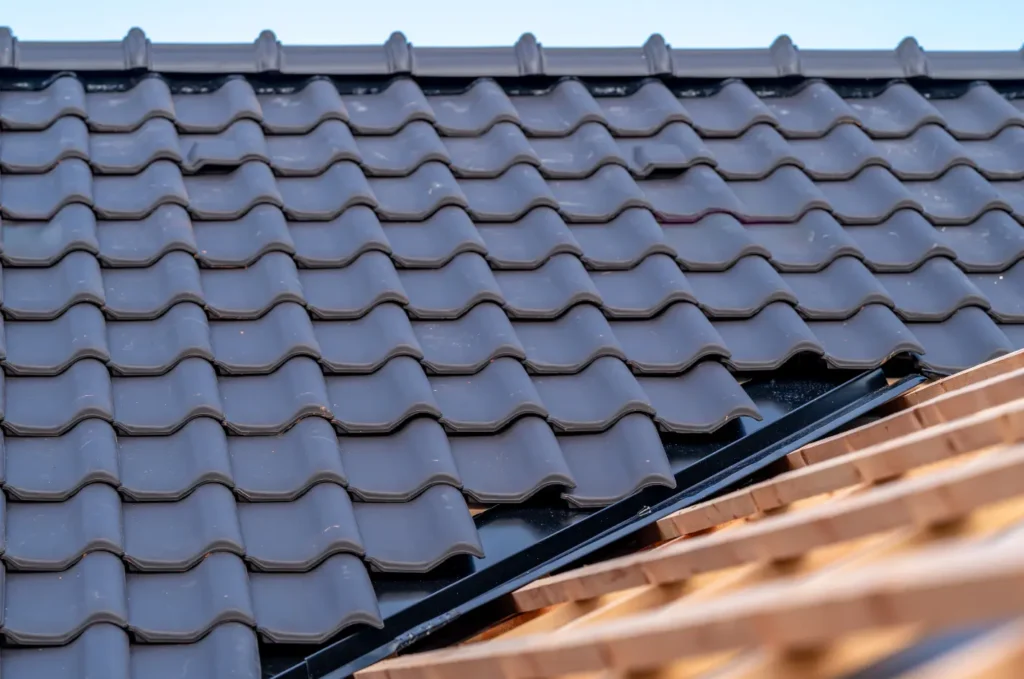
Good roof repair technique comes down to a handful of details that are easy to skip but make a real difference in how long the fix holds up. These are the kinds of things that separate a rushed patch job from one that’s actually built to last.
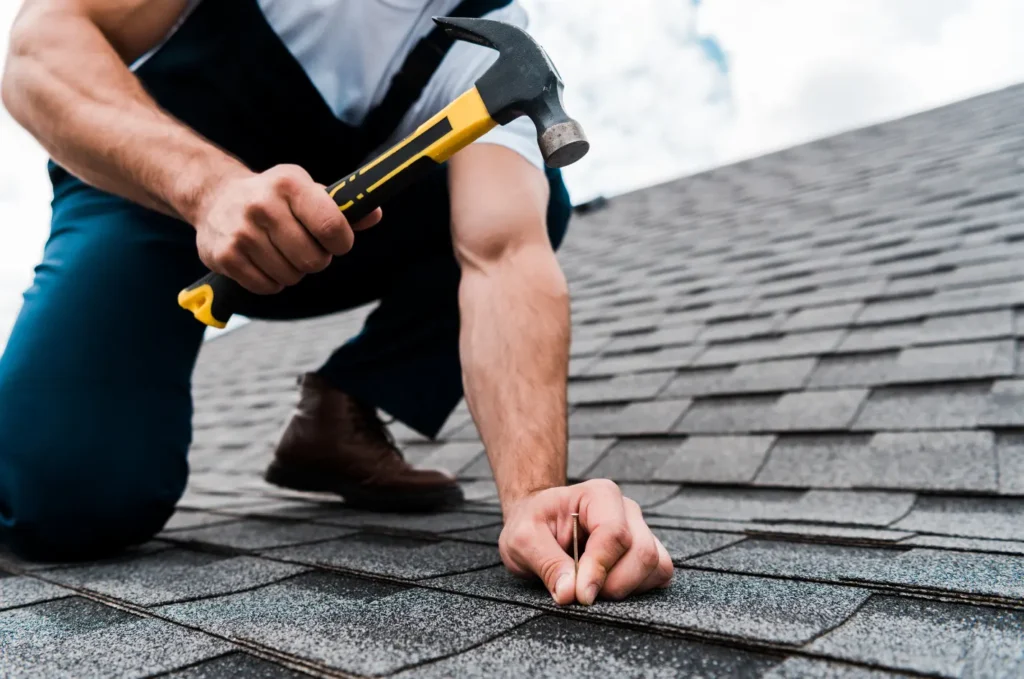
- Proper shingle replacement: Carefully lifting the surrounding shingles, removing all the old nails, and sliding the new shingle fully into place before sealing
- A complete seal: Applying roofing cement under shingle tabs and along flashing edges is what actually makes a patch watertight, not just visually fixed
- Fresh caulk at every joint: Old, cracked caulking around vents and flashing should be fully removed and replaced, not caulked over
- Vent boots checked, not assumed fine: Cracked rubber boots around pipes are a frequent, overlooked leak source and should be replaced, not just resealed
None of these steps take much longer to do correctly, but skipping any one of them is often exactly why a repair doesn’t hold.
Why Your Roof’s Age Affects How Long a Repair Lasts
A roof’s overall age plays a real role in how long any individual repair will hold, because the condition of the underlayment and deck beneath the surface affects how well new materials can bond and perform. On a newer roof, the deck and underlayment are still solid, so a well-done repair has a strong foundation to adhere to and can perform for years.
On an older roof nearing the end of its expected lifespan, the underlayment may already be deteriorating and the deck weakened, which limits how effective any repair can be, even a well-executed one. This doesn’t mean repair is pointless on an older roof, but it does mean it’s worth having a professional assess whether a targeted repair or a broader look at roof replacement makes more sense for your situation.
Maintenance Habits That Extend a Repair’s Life
What you do after a repair matters just as much as how the repair itself was done. A few consistent habits go a long way toward making sure your roof repair holds up for the years it’s meant to.
- Keep gutters clear: Clogged gutters back water up under the lowest course of shingles, which can rot the deck and fascia near a recent repair
- Maintain balanced attic ventilation: Poor airflow leads to trapped heat and moisture that slowly breaks down roofing materials and framing
- Schedule a yearly inspection: A quick professional check once a year catches new, small issues before they undo a recent repair or turn into bigger ones
- Respond to new leaks quickly: Addressing a fresh leak right away, rather than waiting, prevents it from spreading and affecting nearby repairs
These habits aren’t complicated, but keeping up with them consistently is often the real difference between a repair that lasts and one that doesn’t.
Roof Repair for Danvers Homes
For homeowners considering roof repair in Danvers,MA freeze-thaw winters are worth factoring into the conversation. Repeated cycles of freezing and thawing put extra stress on shingles, fasteners, and sealants, which is exactly why the technique and material choices covered above matter even more here than in a milder climate.
If you’re comparing roofing services Danvers homeowners rely on, ask specifically how a contractor diagnoses the cause of damage, what materials they use, and how they handle flashing and sealant work. Those questions tell you far more about the quality of the work you’ll get than the price alone.
Choosing the Right Solution
A roof repair that lasts isn’t about luck, it comes down to correctly diagnosing the cause, using the right materials for your specific roof, following through on the small technique details, and keeping up with basic maintenance afterward. Those fundamentals matter whether you’re dealing with a single damaged shingle or a more involved repair.
If you’re dealing with roof damage repair and want it done in a way that actually holds up, contact our team at CAN Roof Construction, trusted among Boston roofing contractors for thorough, honest work.