
Can Roof Rejuvenation Slow Granule Loss on Brittle Shingles?
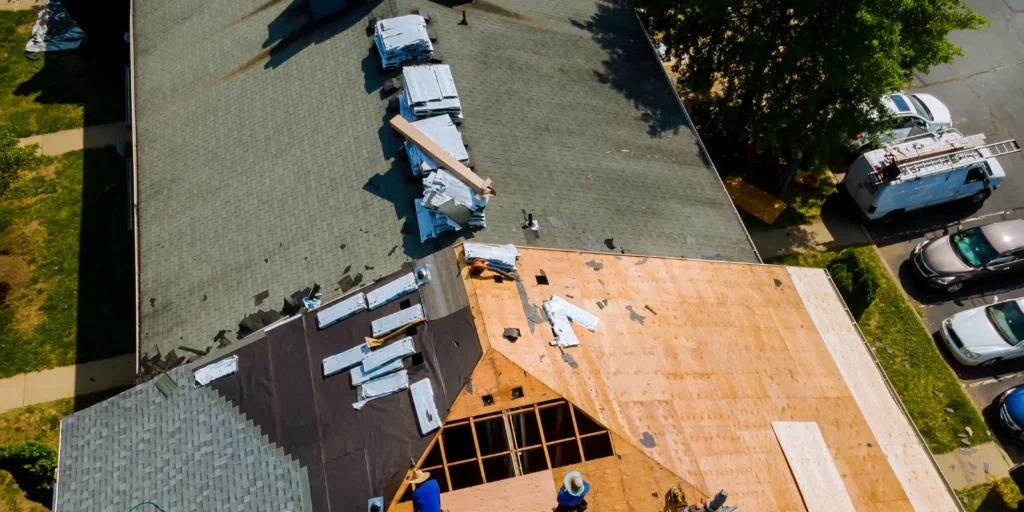
If you’ve noticed dark, sandy grit collecting in your gutters or at the base of your downspouts, you’re looking at granules from your own roof. Granule loss is one of the clearest signs that asphalt shingles are aging, and it raises a fair question for homeowners trying to avoid an early replacement: can roof rejuvenation actually slow it down? The short answer is yes, on the right roof. Rejuvenation treatments work by replenishing the oils that asphalt shingles lose over years of sun, heat, and weather exposure, restoring some of the flexibility that helps granules stay locked in place.
This guide walks through to understand why this happens, and whether your shingles are still a good candidate for rejuvenation, is the key to deciding whether treatment, repair, or full replacement makes sense for your home.
Table of Contents
What Is Roof Rejuvenation?
Asphalt shingle roof rejuvenation restores flexibility and slows further deterioration, without removing any existing materials. A trained technician sprays a plant-based oil formula evenly across the shingles, and it soaks into the asphalt layer rather than just sitting on the surface. The goal is to replace the oils the shingles have lost over time, softening them so they resist cracking and hold their granules more effectively.
This approach works because of how asphalt shingles are made. Every asphalt shingle contains oils that keep it pliable, and sun, wind, rain, and temperature swings gradually dry those oils out. Roof rejuvenation in Chelsea doesn’t add anything artificial to the roof, it simply restores a property the shingle already had when it was new.
What Causes Granule Loss on an Asphalt Shingle Roof?
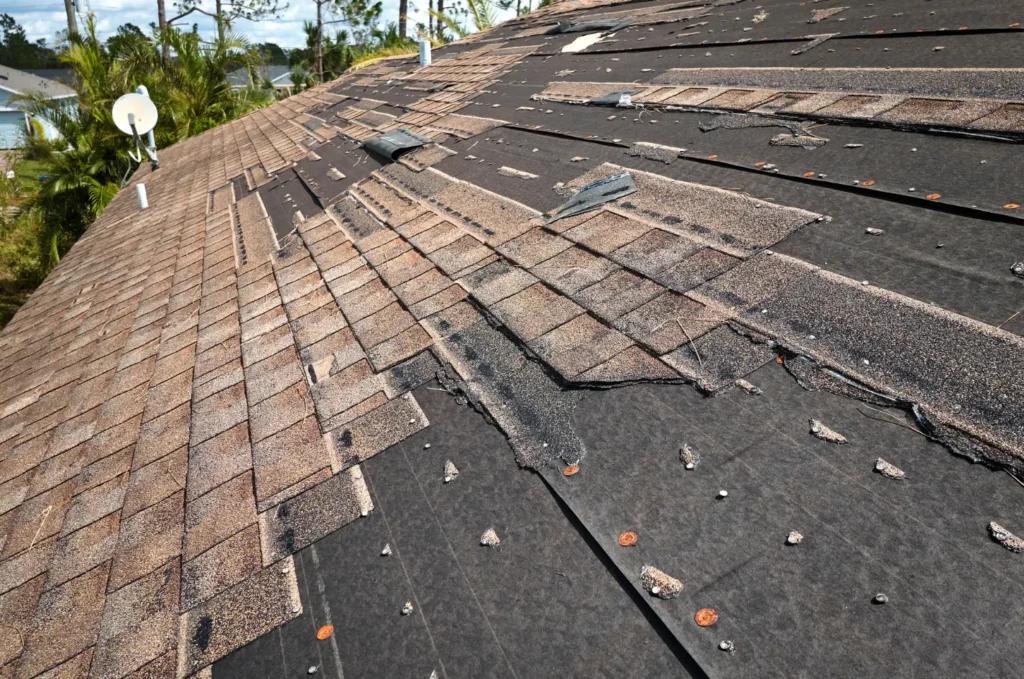
Granule loss on an asphalt shingle roof happens mainly because aging asphalt becomes brittle and loses its grip on the granules pressed into it. Granules aren’t just decorative, they shield the asphalt beneath from UV rays and give the shingle its fire and impact resistance. When the asphalt underneath dries out and hardens, it can no longer hold those granules as securely, and normal weather exposure knocks them loose over time.
Common Causes of Granule Loss
- Natural aging: Sun, heat, and moisture slowly dry out the asphalt’s oils, making the surface brittle
- Weather impact: Hail, heavy rain, and wind-driven debris can physically knock granules loose
- Foot traffic: Walking on a roof for maintenance or roof repair can rub granules free
- New roof shedding: A small amount of loose granule loss right after installation is normal and not a concern
Once granule loss becomes significant, the exposed asphalt breaks down faster, which is why catching the problem early matters so much.
Can Roof Rejuvenation Slow Granule Loss?
Yes, roof rejuvenation can slow granule loss on shingles that are aging but still structurally sound. By restoring some of the asphalt’s original flexibility, rejuvenation helps the shingle grip its remaining granules more firmly, which can reduce how quickly additional granules come loose going forward. It’s a preventative step, not a way to replace granules that have already washed away.
It’s important to have realistic expectations here. Rejuvenation in Everett improves the condition of the shingle you already have, it does not restore bare spots to their original, fully granulated look. For a roof that’s still in reasonably good shape but starting to show early wear, that improved granule adhesion can meaningfully extend how long the roof performs well before replacement becomes necessary.
Signs of Roof Granule Damage to Watch For
The clearest sign of roof granule damage is finding loose granules in your gutters, downspouts, or on the ground near your downspout outlets. But granule loss usually shows up alongside a few other visible clues on the roof itself, and spotting them early gives you more options.
What to Look For
- Bald or shiny patches: Spots on the shingle where the asphalt is visible instead of granules
- Curling or cracking edges: A sign the asphalt underneath has dried out and lost flexibility
- Uneven color or fading: Patches that look lighter or duller than the rest of the roof
- Gritty buildup in gutters: A steady accumulation over time, not just a one-time occurrence
How Roof Storm Damage Accelerates Granule Loss
Roof storm damage accelerates granule loss because wind, hail, and heavy rain physically strip granules from the shingle surface in a way that normal aging doesn’t. A single severe storm can knock loose far more granules than years of everyday sun and weather exposure, especially on a roof that was already starting to age.
This is why a post-storm inspection matters, even if your roof looks fine from the ground. Storm-related granule loss often shows up in patches rather than evenly across the roof, and those exposed areas will weather faster than the rest of the shingles around them. Catching storm damage early, before the asphalt underneath starts to break down, keeps your options open, including whether rejuvenation in Boston is still on the table.
Is Rejuvenation Right for Your Roof, or Do You Need Replacement?
Whether rejuvenation or replacement is right depends on how far your roof’s aging has progressed. A roof with moderate granule loss, no active leaks, and a solid deck underneath is generally still a good candidate for rejuvenation. A roof with widespread cracking, active leaks, or shingles curling badly has likely moved past the point where rejuvenation can help.
Good Candidate for Rejuvenation
- Shingles are drying out or slightly stiff, but not cracked
- Granule loss is present but coverage is still mostly solid
- No active leaks, and the roof deck underneath is sound
Likely Needs Replacement Instead
- Shingles are cracked, curling badly, or missing in sections
- The roof is actively leaking or the deck shows water damage
- Granule loss has exposed large areas of bare asphalt
A hands-on inspection is really the only reliable way to know which category your roof falls into.
Why Work With Experienced Boston Roofing Contractors
Experienced Boston roofing contractors matter here because diagnosing granule loss correctly takes a trained eye, and getting it wrong in either direction costs you. Recommending rejuvenation on a roof that’s already failing wastes money and delays a repair you actually need. Pushing replacement on a roof that could have been rejuvenated costs you thousands more than necessary.
A contractor at CAN Roof Construction who inspects thoroughly and explains what they find, rather than jumping straight to a sales pitch, is the one worth trusting with the decision. If you’re seeing granules in your gutters or noticing your shingles look worn, it’s worth getting an honest, no-pressure inspection before deciding on rejuvenation, repair, or replacement.
Contact our team at CAN Roof Construction to take a close look at your roof’s actual condition.