
How Does Asphalt Roof Rejuvenation Work on Aging Shingles?
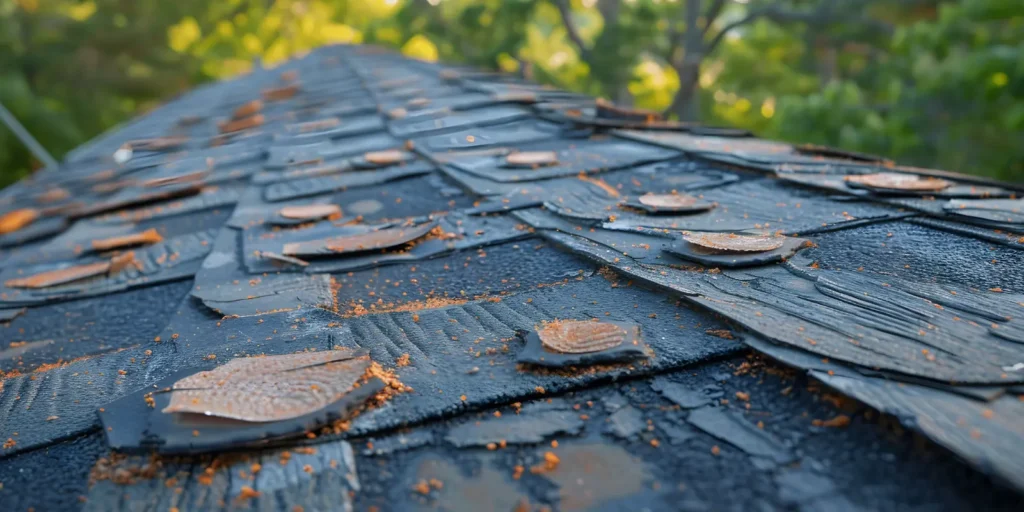
Asphalt roof rejuvenation works by restoring the oils that keep shingles flexible. Most asphalt roofs don’t wear out, they dry out. So if drying out is the problem, putting the oils back is the solution, and that’s exactly what rejuvenation does.
This guide walks through the real science of how it works: why shingles age at the molecular level, how the treatment reverses it, what changes on your roof afterward, and which Cambridge roofs are the right candidates.
Table of Contents
Why Do Asphalt Shingles Age and Get Brittle?
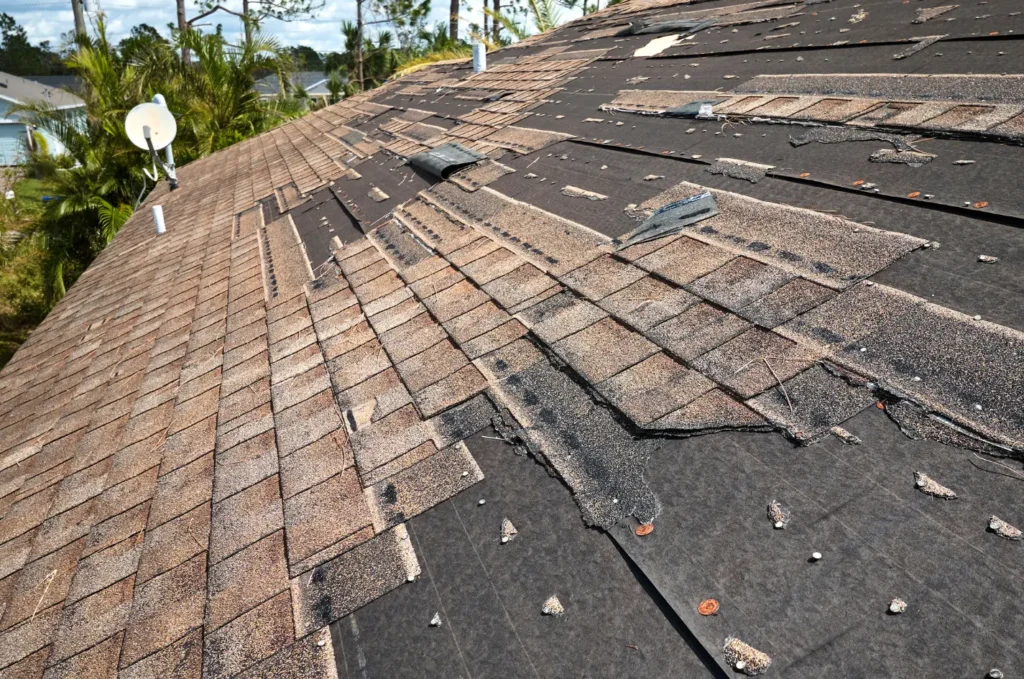
Asphalt shingle roofs age and grow brittle because their internal oils chemically change from soft to hard over time. The asphalt in a shingle is made of two main ingredients: maltenes, the soft, oily part that keeps it flexible, and asphaltenes, the hard, rigid part. A healthy shingle has plenty of maltenes, so it flexes with the weather instead of cracking.
As UV rays and weather attack the shingle, the maltenes slowly oxidize and convert into asphaltenes, shifting the balance toward the hard, brittle side. The more this happens, the stiffer and more crack-prone the shingle becomes. It’s the same process that turns a fresh rubber band hard and cracked after years in a sunny drawer, the flexible material simply loses what kept it supple.
How Does the Rejuvenation Treatment Reverse It?
The roof rejuvenation treatment reverses aging by soaking new oils into the shingle to rebalance its chemistry. A trained technician sprays a plant-based solution, typically made from soybean or other bio-oils, evenly across the roof. The oil penetrates the dried-out shingle, replenishes the lost maltenes, and restores the flexibility the years stripped away. In lab studies, bio-oils like soybean oil have been shown to effectively restore aged asphalt’s viscoelastic performance.
What makes it work so well is diffusion. The bio-oil molecules spread through the aged asphalt and re-disperse the hardened components, improving the material’s flexibility from within rather than just coating the surface. This is a genuine chemical restoration, not a paint job. And because the oils are plant-based, the process is eco-friendly and doesn’t raise the roof’s fire risk.
What Happens During a Rejuvenation Treatment?
A rejuvenation treatment is a quick, low-disruption process that usually takes just a few hours. Unlike a roof replacement that fills your driveway with dumpsters and crews for days, rejuvenation is a straightforward spray application. Here’s how it typically unfolds.
- Inspection first: A professional confirms the roof is a good candidate before anything is applied
- Surface prep: The roof is cleared of loose debris so the treatment can reach the shingles
- Even spray application: The bio-oil is sprayed uniformly across every shingle with low-pressure equipment
- Absorption: The oil soaks into the shingles within about an hour
- Curing: The treatment cures over the next few days, leaving the roof restored
The whole job is done in a single visit, with no tear-off, no landfill waste, and no disruption to your home. That simplicity is a big part of the appeal.
What Actually Improves After Rejuvenation?
After rejuvenation, your shingles regain flexibility, hold their granules better, and resist weather more effectively. The restored oils bring the shingle chemistry back toward that healthy, maltene-rich balance, so the roof behaves years younger. These improvements translate into real, measurable benefits.
- Restored flexibility: Shingles flex with temperature swings instead of cracking
- Better granule retention: The surface holds onto the protective granules that shield against UV
- Improved weather resistance: A more flexible shingle handles wind, hail, and freeze-thaw better
- Extended lifespan: Treatment can add several years of life, and repeat applications extend it further
- Lower cost and waste: A fraction of replacement cost, with no old shingles sent to the landfill
Which Roofs Are Right for Rejuvenation?
Rejuvenation is right for aging but structurally sound asphalt shingle roofs, generally those that are drying out but not yet damaged. The ideal candidate is a roof that’s showing early signs of wear, some brittleness or granule loss, but has no leaks, cracked or missing shingles, or deck damage. Rejuvenation is preventative care, so timing is everything.
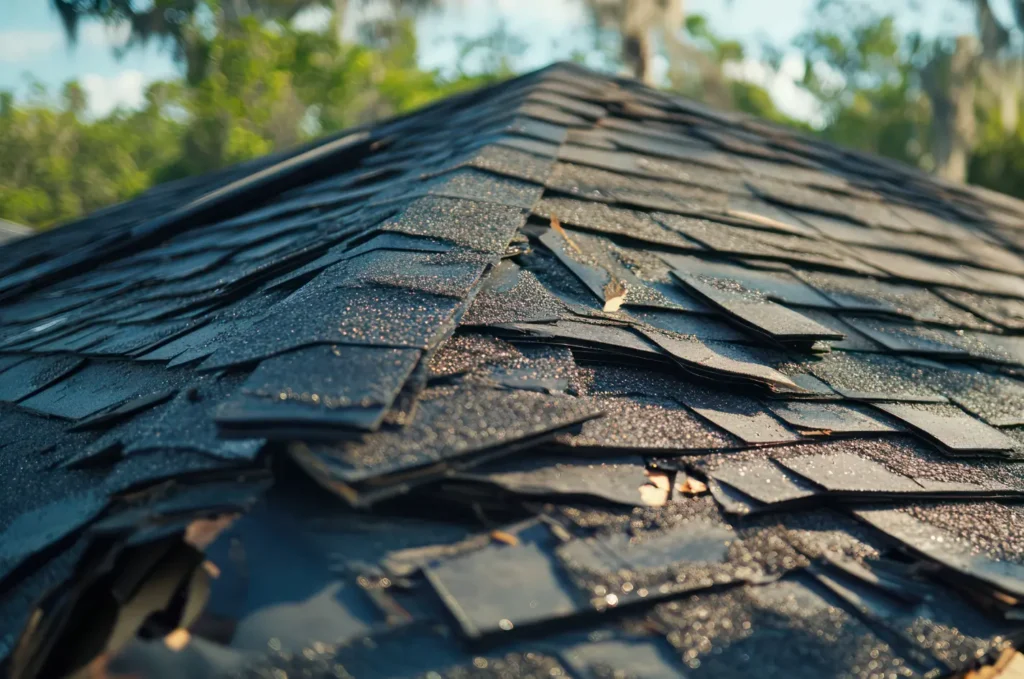
It won’t rescue a roof that’s already failing. If shingles are cracked or missing, the deck is water-damaged, or the roof is simply worn out, no amount of oil can restore it, and roof repair or a full roof replacement is the honest answer. It also only works on asphalt shingles, not on tile, metal, or flat roofs. This is exactly why a professional inspection should always come before any treatment, to make sure your money goes toward a roof that can actually benefit.
Why Rejuvenation Makes Sense in Cambridge
Cambridge’s climate ages asphalt shingles quickly, which makes well-timed roof rejuvenation in Cambridge especially valuable for local homeowners.
Harsh freeze-thaw cycles: With around 100 freeze-thaw cycles a year, brittle shingles crack fast, so restoring flexibility before winter offers real protection for a qualifying roof.
Sun and seasonal extremes: Hot summers and cold winters speed up the oxidation that dries shingles out, so Cambridge roofs often hit the rejuvenation window sooner.
Older homes: Many Cambridge homes carry aging asphalt shingles that are prime candidates for rejuvenation, if caught before damage sets in.
How CAN Roof Construction Helps
At CAN Roof Construction, we inspect before we recommend, so you only treat a roof that will truly benefit. As a trusted roofing company Boston homeowners rely on, we bring honest assessments and skilled work to every Cambridge roof, whether that’s rejuvenation, repair, or replacement.
Old Roof, New Chemistry
Asphalt roof rejuvenation isn’t magic, it’s chemistry. Shingles age because their soft, flexible oils oxidize into hard, brittle ones, and rejuvenation reverses that by soaking those oils back in and rebalancing the shingle from within. For an aging but sound roof, it restores flexibility, protects the granules, and adds years of life, all for a fraction of what replacement costs.
The one catch is timing. Rejuvenation is preventative care, most powerful before damage sets in, which is why the right first step is always an honest inspection to confirm your roof can benefit.