
Roof Rejuvenation: When It Works and When It Fails
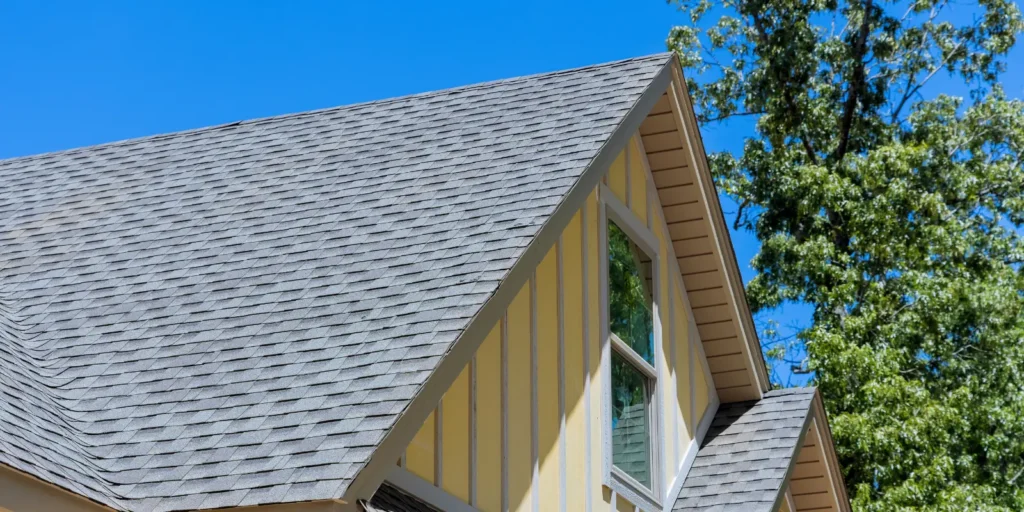
Roof rejuvenation sprays plant-based oils back into aging asphalt shingles, restoring the flexibility they lose over the years and adding roughly five years of life per treatment. It works on roofs that are aging but still sound, usually 6 to 20 years old, dried out but not damaged. It fails on roofs that are already leaking, cracked, missing shingles, or made of anything but asphalt. The only way to know which you have is an honest inspection first.
Asphalt shingles are held together by petroleum-based oils that keep them flexible and waterproof. Over years of sun, heat, and rain, those oils dry out and escape, leaving shingles stiff and brittle so they crack, curl, and shed the granules that protect them. Rejuvenation puts those oils back, using a plant-based bio-oil that soaks in and restores the flexibility time stripped away. Most asphalt roofs fail not because they wear through, but because they dry out, and that’s exactly the problem rejuvenation solves.
Table of Contents
How Does Roof Rejuvenation Actually Work?
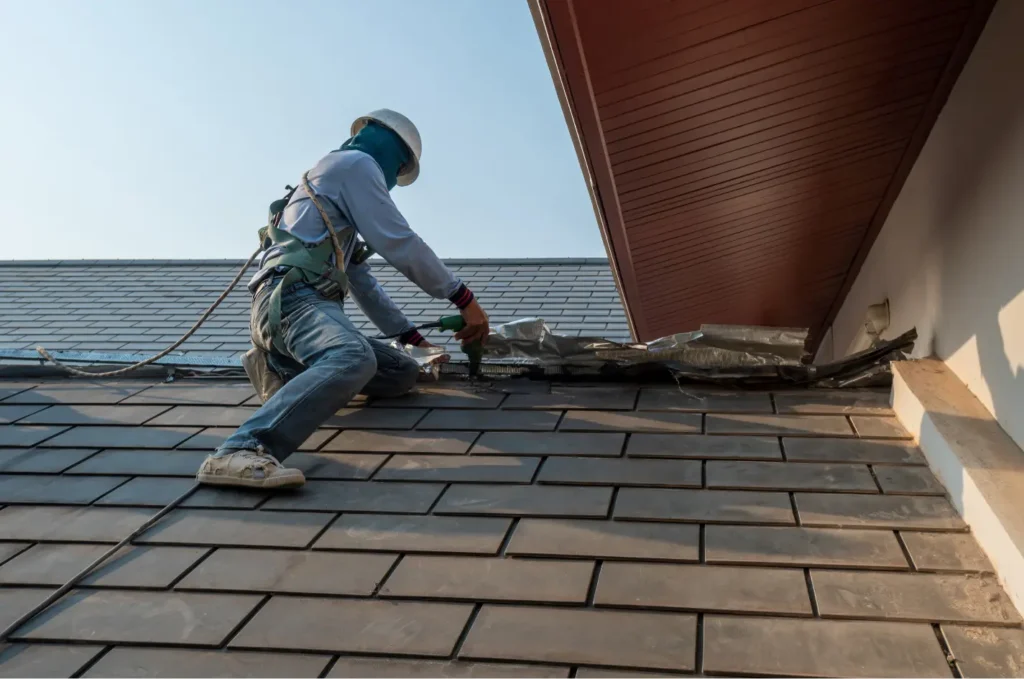
Roof rejuvenation works by replacing the oils that age strips out of asphalt shingles, restoring their ability to flex and shed water without cracking. A trained technician sprays a plant-based treatment, often made from soybean oil, evenly across the roof with a low-pressure system. The solution soaks into the shingles within an hour and cures over the next few days, leaving the roof behaving years younger.
The benefits are real when the roof qualifies. Rejuvenation restores flexibility, improves the grip that holds protective granules in place, and can add around five years of life per application, with repeat treatments extending that further. It’s eco-friendly, safe for people, pets, and plants, and it keeps old shingles out of the landfill. Best of all, it costs a fraction of a full replacement.
When Roof Rejuvenation Works
Roof rejuvenation works on asphalt shingle roofs that are aging but still structurally sound, typically 6 to 20 years old. These are roofs that are drying out and showing early signs of wear, but haven’t yet failed. For this kind of roof, rejuvenation is often the smartest move you can make before a bigger decision.
Your roof is likely a good candidate if:
- It’s an asphalt shingle roof: The treatment is designed specifically for asphalt, the most common roof in Boston
- It’s roughly 6 to 20 years old: Old enough to have dried out, young enough to still be sound
- It shows early aging: Some granule loss, slight stiffness, or minor brittleness, but no failure yet
- The deck is solid: No water damage or soft spots in the roof structure below
- It isn’t leaking: Rejuvenation prevents future leaks; it doesn’t fix current ones
When Roof Rejuvenation Fails
Roof rejuvenation fails, and wastes your money, when it’s applied to a roof that’s already damaged or past saving. Oil can restore a dry shingle, but it can’t rebuild a cracked one, reattach a missing one, or dry out a rotted deck. If a contractor tries to sell you rejuvenation for any of the situations below, that’s a red flag.
Skip rejuvenation and consider repair or replacement if:
- The roof is actively leaking: Rejuvenation is preventative, not a repair for existing water entry
- Shingles are cracked or missing: Broken and absent shingles need replacing, not treating
- The deck shows water damage: Soft or rotted decking is a structural problem oil can’t touch
- The roof is very old or worn out: A roof near the end of its life needs replacement, not a reprieve
- It’s tile, metal, or flat: These aren’t asphalt, so the treatment simply doesn’t apply
How Do You Know Which Camp Your Roof Is In?
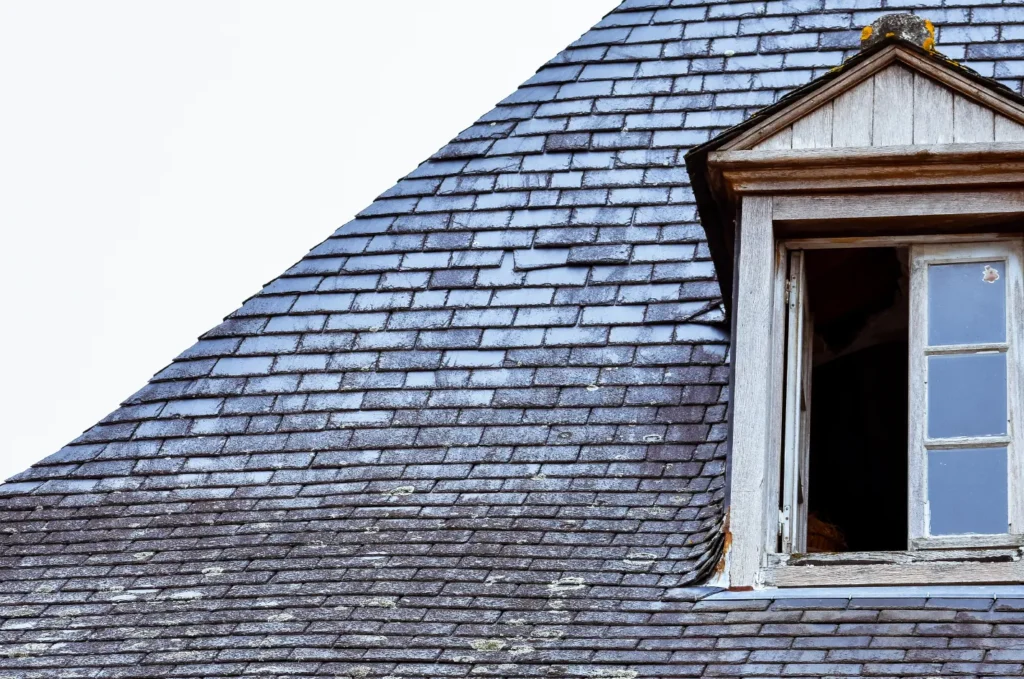
The only reliable way to know is a professional inspection before any treatment is applied. No honest roofer can tell whether rejuvenation will help your roof without getting up close to check the shingle condition, granule loss, flexibility, and the deck below. An on-site inspection is the single dividing line between a smart investment and wasted money.
This is also your best defense against a bad deal. If anyone offers to rejuvenate your roof without inspecting it first, or pressures you to treat a roof that’s clearly failing, walk away. A trustworthy roofing company in Dedham, MA will inspect first, tell you honestly whether rejuvenation makes sense, and point you toward roof repair or roof replacement if that’s what the roof actually needs.
Rejuvenation, Repair, or Replacement: Which Makes Sense?
The right choice depends entirely on your roof’s condition, and the three options solve very different problems. Rejuvenation is preventative care for an aging-but-sound roof, repair fixes specific damaged spots, and replacement starts fresh when the roof is worn out. Matching the solution to the actual problem is what saves you money.
- Choose rejuvenation: When the roof is drying out but still sound, to delay replacement and stretch its life
- Choose repair: When damage is limited to specific areas like a few shingles or a flashing detail
- Choose replacement: When the roof is old, widely damaged, or the deck is compromised
For the right roof, rejuvenation is a genuinely smart step before that bigger, costlier decision. It just has to be the right roof, and used at the right time, before leaks or structural damage set in.
Why Timing Matters for Boston Roofs
Boston’s climate ages asphalt shingles faster than milder regions, which makes the timing of rejuvenation especially important here.
Freeze-thaw stress: With around 100 freeze-thaw cycles a year, brittle shingles crack more easily, so restoring flexibility before winter offers real protection, if the roof still qualifies.
Sun and seasonal swings: Hot summers and cold winters accelerate the oil loss that dries shingles out, meaning Boston roofs often reach the rejuvenation window sooner.
Storm exposure: Nor’easters punish brittle shingles, so the flexibility rejuvenation restores helps a qualifying roof better resist wind and hail.
How CANRoof Construction Helps You Decide
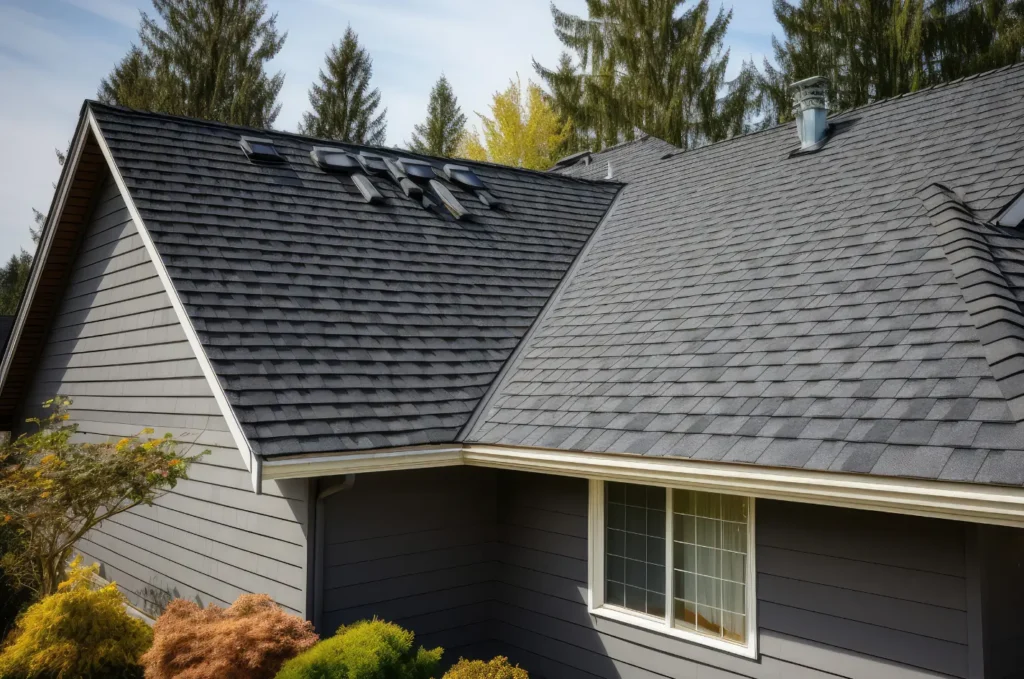
At CANRoof, we inspect before we recommend, always. As a trusted roof company in Boston, we’ll tell you honestly whether your roof is a good candidate for rejuvenation or whether your money is better spent on repair or replacement. No pressure, no upselling, just the truth about your roof. Done right, every time.
The Right Roof, at the Right Time
Roof rejuvenation isn’t a miracle, and it isn’t a scam. It’s a proven treatment that adds real years to the right roof: an aging but sound asphalt shingle roof that’s drying out, not falling apart. Used on that roof at the right time, it’s one of the smartest, most affordable moves a homeowner can make. Used on the wrong roof, it’s wasted money.
The dividing line is always the same: an honest inspection first. Know which camp your roof is in before you spend a dollar, and you’ll make the right call every time.
Wondering if your roof is a candidate for rejuvenation? Book a free drone roof inspection now.
Contact us today and find out what your roof really needs.
One thought on “Roof Rejuvenation: When It Works and When It Fails”
Comments are closed.