
Attic Condensation: Roof Problem or Attic Ventilation Issue?

Attic condensation happens when warm, moisture-filled air reaches a cold surface inside the attic and turns into water droplets or frost. It can look like a roof leak, but the real cause may be air leakage, insufficient insulation, poor airflow, or a combination of roof and ventilation issues.
The key is identifying where the moisture comes from before repairs begin. Treating attic condensation as a simple leak can leave the airflow problem unresolved, while assuming every wet surface is condensation can allow roof damage to continue.
Table of Contents

Is Attic Condensation a Roof Problem or Ventilation Issue?
Attic condensation can be connected to the roof, the ventilation system, or conditions inside the home. Moisture may appear on roof sheathing, nails, rafters, insulation, or stored items, but its source is not always directly above the wet area.
A complete evaluation should compare exterior roofing conditions with attic airflow, insulation coverage, and indoor moisture movement. This helps prevent the wrong part of the system from being repaired.
How Attic Condensation Forms
Warm indoor air can move through ceiling gaps, attic hatches, light fixtures, wiring openings, and other pathways. When that air reaches cold roof decking, its moisture can condense on the surface and remain there until temperatures change.
Homes needing Cambridge roof repair may also have exterior defects that allow water into the attic, so both moisture paths should be checked before the cause is confirmed.
Attic Condensation vs Roof Leak
The attic condensation vs roof leak question cannot always be answered from a ceiling stain alone. A roof leak is usually connected to rain, melting snow, damaged shingles, flashing, valleys, vents, or roof penetrations. Condensation is more closely connected to temperature differences, indoor humidity, air leakage, and limited moisture removal.
The ventilation problems guide explains how blocked intake, weak exhaust, and older attic systems can create symptoms that resemble a traditional leak.
Signs of Attic Condensation Homeowners Should Notice
Signs of attic condensation often become visible during cold weather or periods of high indoor humidity. Common indicators include wet roof nails, darkened wood, damp insulation, water droplets on sheathing, musty odors, and moisture near the eaves.
Repeated wetting can affect insulation, wood, and fasteners. Persistent moisture can also create conditions that support mold growth.
Frost in Attic Areas During Winter
Frost in attic spaces can form when humid air reaches roof surfaces that are below freezing. The frost may remain unnoticed during cold weather and then melt when the attic warms, creating drips that look like an active roof leak.
For homeowners using Brookline roof repair services, comparing the timing of moisture with outdoor weather can help separate winter condensation from rain-related water entry.
Moisture and Mold Around Roof Components
Dark marks, staining, surface mold, rusty nails, or damp insulation may indicate that moisture has been present more than once. These conditions do not automatically prove the roof is leaking, but they show that the attic needs a closer inspection.
The upcoming attic mold guide will explain how roofing defects, trapped moisture, and ventilation problems can contribute to mold in attic spaces.
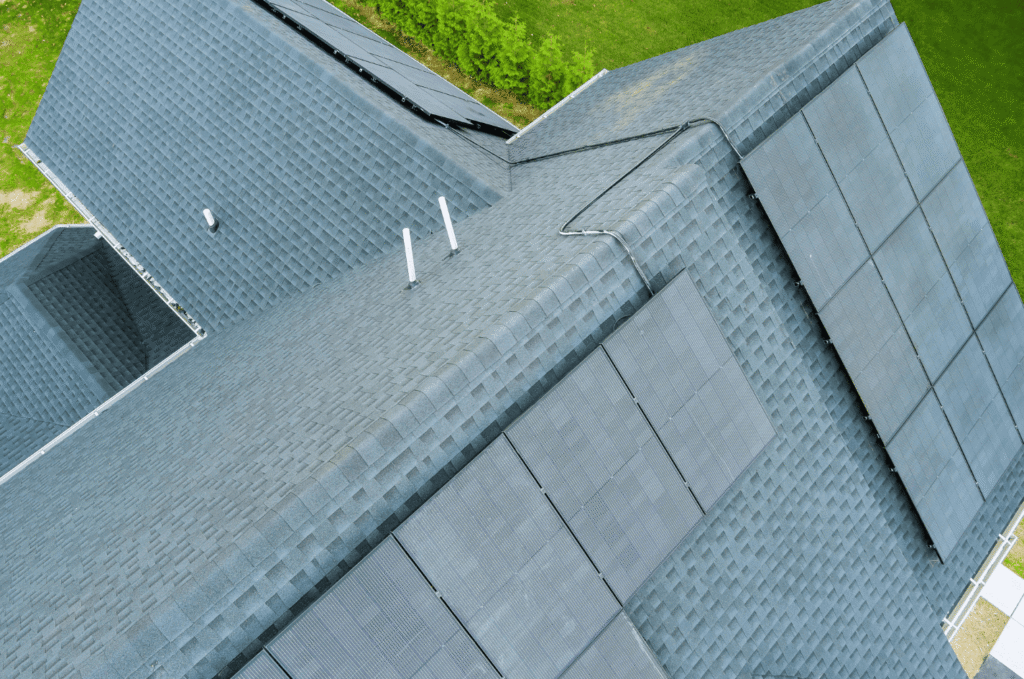
Why Attic Condensation in Winter Becomes Worse
Attic condensation in winter becomes more noticeable because the roof deck is colder while indoor air remains warm and humid. Moisture from cooking, bathing, laundry, and normal occupancy can move upward when air pathways are not properly controlled.
Cold-weather condensation is often linked to outward air leakage. Ventilation alone may not solve the problem if warm indoor air continues entering the attic.
Warm Indoor Air Reaches Cold Roof Decking
The underside of the roof deck is one of the coldest attic surfaces during Boston winters. When warm air reaches it, water vapor can change into droplets or frost. This process may occur across a wide area rather than at one isolated point.
Properties needing Newton roof repair may have additions, dormers, ceiling openings, or divided attic spaces that make the moisture pattern harder to trace.
Attic Ventilation Problems Trap Moisture
Attic ventilation problems can make moisture remain longer by limiting airflow through the attic. Blocked soffit vents, missing baffles, restricted ridge vents, or incompatible vent types may create areas where damp air collects.
The poor ventilation guide explains how weak attic airflow can affect roof decking, insulation, shingles, and indoor comfort over time.
How to Fix Attic Condensation Correctly
How to fix attic condensation depends on the moisture source and the roof design. The right correction may involve roof repairs, air sealing, insulation improvements, ventilation changes, indoor humidity control, or several measures together.
Adding vents without checking the full system can create an imbalance or leave the original air leakage untouched. A professional assessment should determine which conditions are contributing before work begins.
A Roof Inspection Separates Leaks From Condensation
A professional roof inspection service can compare shingles, flashing, valleys, vents, penetrations, and drainage areas with the moisture pattern inside the attic. This helps determine whether water entered from outside or formed on cold interior surfaces.
The inspection should also review roof sheathing, insulation, soffit intake, ridge exhaust, baffles, and visible air pathways. Attic ventilation works best as part of a complete roof and building-envelope review.
Damaged Roofing Materials May Need Repair
When moisture comes through damaged shingles, flashing, roof edges, or penetrations, ventilation changes will not stop the water entry. Exterior defects must be corrected before the attic can remain dry.
A professional roof repair service can address confirmed defects and determine whether repeated moisture has affected decking or nearby roof components.
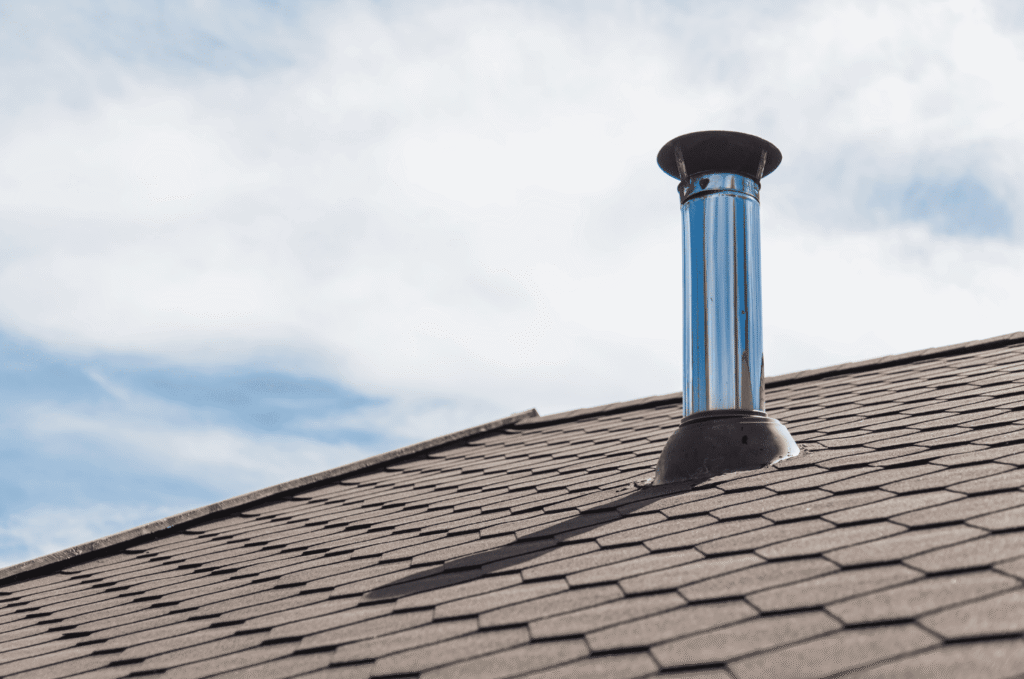
Attic Ventilation Boston Homes Need for Moisture Control
Attic ventilation Boston homes need should match the roof shape, attic layout, insulation level, and existing intake and exhaust openings. Older houses and additions may have airflow paths that no longer work as intended.
Attic condensation should be treated as a system issue rather than a single wet spot. The goal is to find the moisture source, protect roof materials, and restore an appropriate path for heat and moisture movement.
Local Roof Designs Require Individual Evaluation
Boston-area homes can have steep slopes, dormers, narrow eaves, finished attic rooms, additions, and separated roof sections. These details can make it harder for air to move evenly from lower intake areas toward upper exhaust.
Homeowners considering East Boston roofing support should have each attic section checked rather than assuming one visible vent serves the entire roof.
Professional Support for Attic Condensation
CAN Roof Construction can evaluate whether attic condensation is connected to ventilation, insulation, air movement, or an active roofing defect. A complete inspection provides a clearer basis for choosing the right correction.
This approach helps prevent unnecessary work. Instead of treating every stain as a leak or adding vents without a diagnosis, the roof and attic can be reviewed as one connected system.
Schedule an Attic and Roof Inspection
If you notice frost in attic spaces, damp insulation, musty odors, wet roof nails, or recurring ceiling stains, the source should be checked before the moisture spreads or returns.
To determine whether you have attic condensation, a roof leak, or attic ventilation problems, contact us today and schedule a professional inspection.