
How to Tell If Your Roof Vents Are Working the Right Way
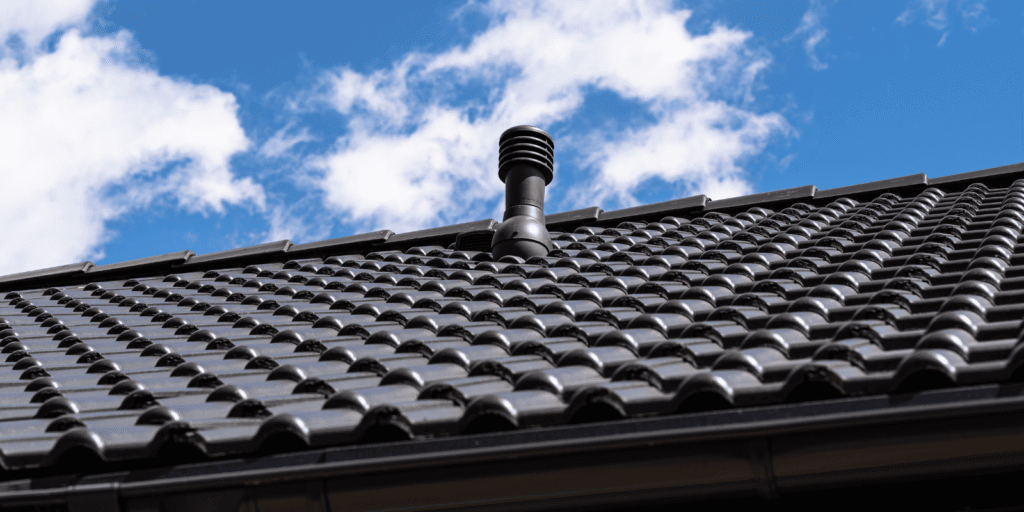
Roof vents are working the right way when your attic has steady airflow, dry insulation, and no extreme heat or moisture buildup after changing weather. Roof vents help air enter low through intake areas and leave high through exhaust points, so the attic does not trap heat under the roof deck.
When roof vents stop working well, a warm attic, musty odor, damp insulation, or stressed shingles can point to blocked or unbalanced airflow.
Table of Contents
Roof Vents Working Properly Should Support Balanced Airflow
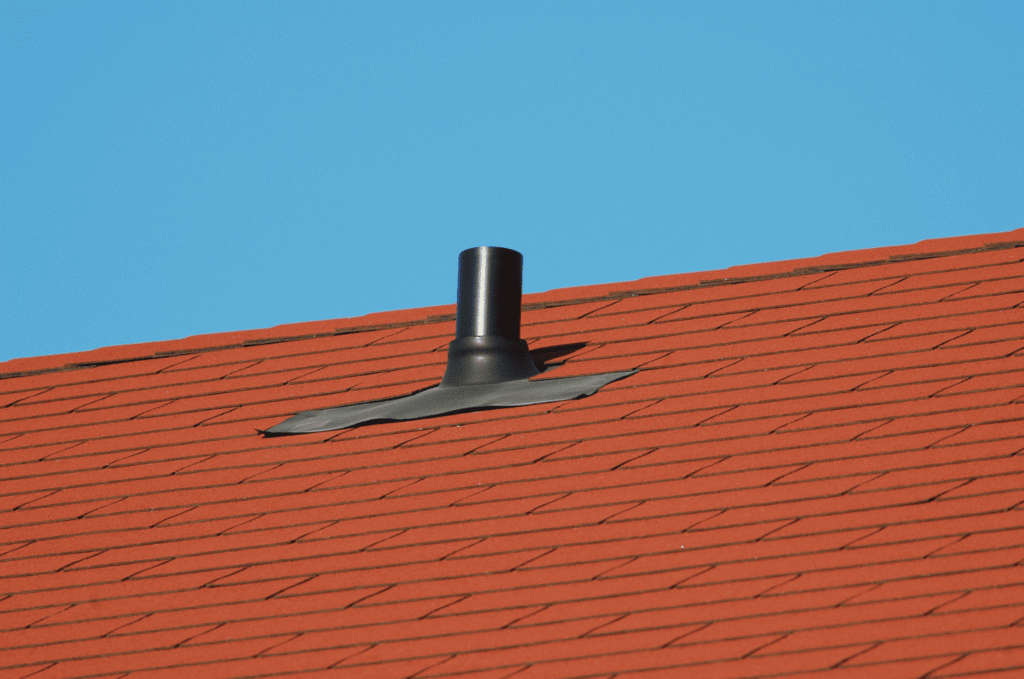
Roof vents working properly depend on balance between intake and exhaust. Intake vents bring outside air into the lower attic, while exhaust vents release warm, moist air near the top of the roof.
If one side is blocked, roof vents may be visible but still ineffective. The full ventilation path matters, not only the vent covers.
Intake Vents Need a Clear Path
Soffit vents and attic baffles help outside air enter the attic. When insulation, paint, debris, or older construction blocks that path, roof vents cannot move air the way they should.
This is one reason roof ventilation problems Boston homeowners notice can keep returning, especially when the roof has exhaust vents but poor intake airflow below.
Exhaust Vents Should Release Warm Air
Exhaust vents sit higher on the roof and help warm air leave the attic. Ridge vents, box vents, and similar systems can work, but they need enough intake to support the airflow.
If exhaust is weak or mismatched, roof vents may pull air from nearby openings instead of moving it from the lower attic.
Attic Conditions Should Feel Stable
A healthy attic should not feel like an oven in summer or a damp room after rain. Roof vents help reduce those extremes by moving air before heat and moisture settle.
Homes near Cambridge roofs often have older roof shapes and attic layouts, so stable attic conditions can show whether ventilation is working.
Roof Vent Problems Homeowners May Notice Outside
Roof vent problems can sometimes be seen from outside the home. Blocked soffits, damaged vent covers, sealed intake areas, and mixed exhaust types can all affect how roof vents perform.
Exterior signs matter because the attic may not show damage right away. Restricted roof vents can later lead to stains or shingle stress.
Blocked Soffits Reduce Air Intake
Soffit vents are easy to overlook because they sit under the eaves. If they are covered, painted shut, or blocked by debris, roof vents above may not have enough air to pull through the attic.
Once the related guide is published, the future ridge vent guide can help explain how soffit vents and ridge vents work together.
Mixed Exhaust Can Weaken Ventilation
Some homes have ridge vents, box vents, or turbine vents added at different times. When several exhaust types are mixed, airflow can short-circuit between vents instead of crossing the attic.
That creates roof vent problems even when the roof appears to have plenty of ventilation. A cleaner layout often works better than competing exhaust styles.
Roof Edge Details Can Reveal Trouble
Peeling paint near eaves, dark staining under roof edges, or repeated moisture marks can suggest blocked airflow. These signs do not always mean the roof is leaking, but they deserve attention.
For homes near Brookline homes, older eaves, enclosed soffits, and past roof updates can make roof vents harder to evaluate from the ground.

Attic Ventilation Problems That Point to Weak Roof Vents
Attic ventilation problems often show up through heat, moisture, and air quality. Roof vents are supposed to control these conditions before they affect wood, insulation, or shingles.
The attic sits directly under the roof system, so it often shows the first warning signs when roof vents are weak.
Moisture, Musty Odors, and Damp Insulation
Damp insulation, musty smells, and dark spots on roof decking can suggest that moist air is not leaving the attic. Roof vents help reduce trapped moisture when the system is balanced.
The poor attic guide explains how poor attic ventilation Boston homeowners experience can connect to moisture, heat buildup, and roof material stress.
Hot Attic Air Can Affect Shingles
When hot air stays under the roof deck, shingles can age faster. Roof vents help release trapped heat so roofing materials are not exposed to constant attic heat from below.
If shingles are curling, lifting, or wearing unevenly, shingle roof repair may be reviewed along with ventilation, because roof repair Boston issues can begin with poor airflow.
Rust and Fastener Marks Can Signal Moisture
Moist attic air can collect on metal nails, brackets, and vent parts. Rust marks or dark rings around fasteners may show that humidity has been sitting in the attic too long.
These signs do not always mean roof vents have failed completely. They suggest the system should be checked before moisture spreads further.
Roof Vent Inspection Boston Signs That Need a Closer Look
A roof vent inspection Boston homeowners schedule should look at both the attic and exterior roof. Roof vents can look fine from outside while the intake path, baffles, or insulation layout still limits airflow.
A closer review separates small airflow concerns from larger attic ventilation problems and repair needs.
Heat Patterns That Keep Returning
If the attic feels extremely hot every summer, roof vents may not be releasing enough air. Repeated heat patterns are especially important when the home already has visible vents.
Homes near Newton roofs may have larger roof planes or complex attic spaces, so roof vents should be checked as part of the full roof structure.
Moisture That Appears After Weather Changes
Moisture after rain, snowmelt, or humid weather can suggest poor airflow. Roof vents should help move damp air out before it settles on rafters, insulation, or roof decking.
A professional roof inspection can review vent placement, attic airflow, decking condition, and moisture signs without guessing from exterior appearance alone.
Roof Shape Can Change Air Movement
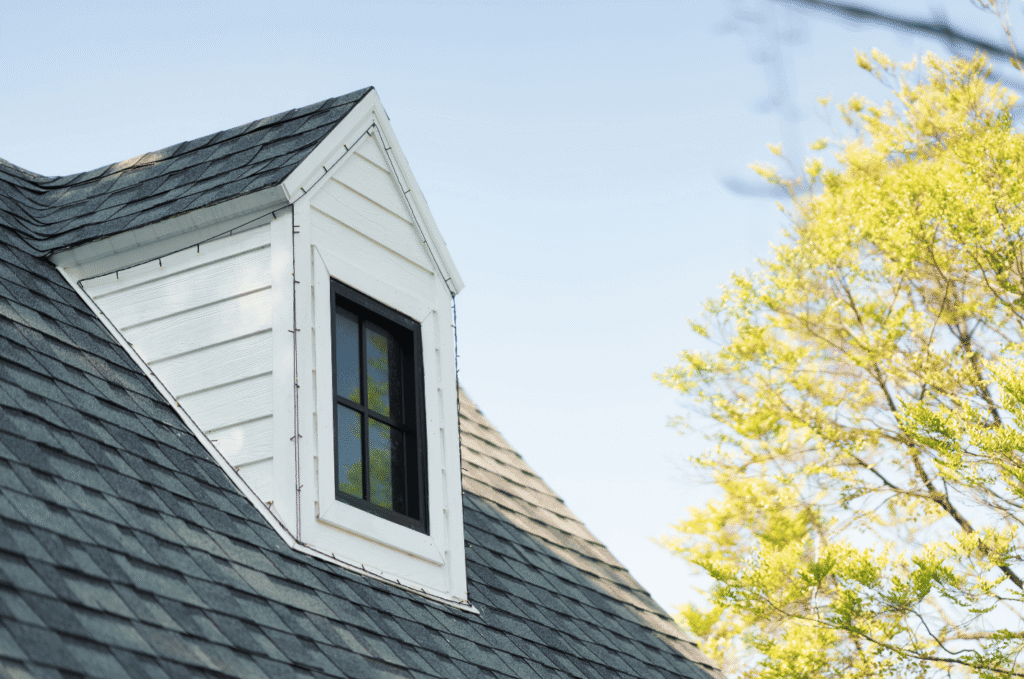
Dormers, low slopes, additions, and enclosed eaves can change how air moves through the attic. Roof vents need to match the actual roof shape, not just the square footage.
Near East Boston roofs, wind exposure and older structures can make attic airflow less predictable, so roof vents should be checked with local conditions in mind.
Roofing Services Boston for Roof Vents and Repair Support
Roofing services Boston homeowners choose should connect roof vents with the larger roof system. Ventilation is not separate from shingles, decking, soffits, flashing, and attic moisture.
When roof vents are blocked, damaged, or poorly balanced, a careful review can show whether the issue is intake, exhaust, moisture, or affected roof materials.
Roofing Services Boston Should Review the Whole System
Roof vents work best when the full roof system supports them. That means intake openings, exhaust placement, roof decking, insulation clearance, and shingle condition all need to be reviewed together.
For homeowners comparing service options, roofing services can connect ventilation concerns with roof inspection, roof repair, and long-term roof performance.
Local Support for Roof Vents and Attic Airflow
A local roofing team can check roof vents from both directions: outside at the roofline and inside from the attic. This gives a clearer picture of whether air is entering low, moving through the attic, and exiting high.
Near the end of the process, homeowners can visit CAN Roof Construction to learn more about local roofing and ventilation support from a team familiar with Boston roof conditions.
Schedule a Careful Roof Vent Inspection
If roof vents are not working properly, heat, moisture, odor, and shingle stress can spread quietly through the attic.
To protect your roof before small airflow issues become larger concerns, contact us today and schedule a professional roof vent inspection.