
How Poor Attic Ventilation Damages Boston Roofs in Summer
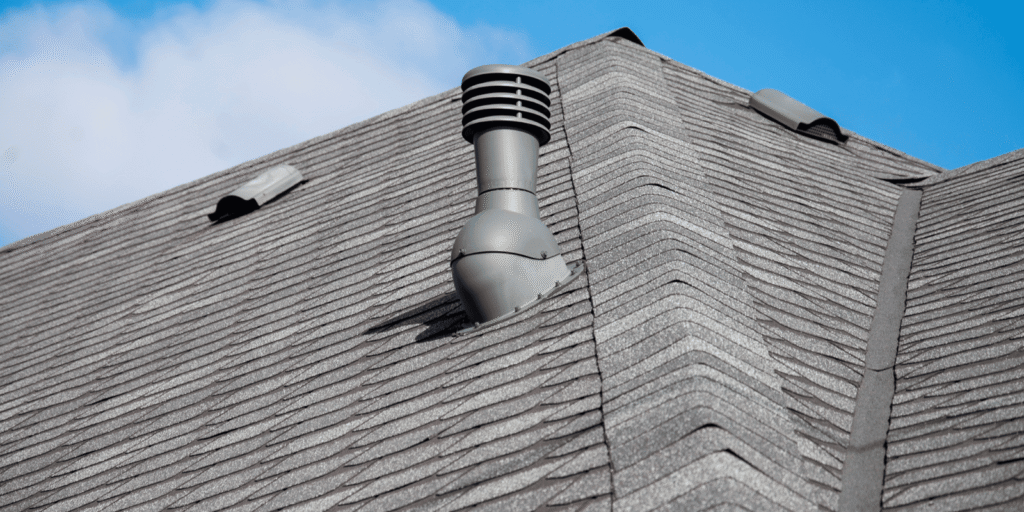
Poor attic ventilation directly damages your Boston roof by trapping extreme heat in the attic space, breaking down shingles, warping decking, and cutting years off your roof’s lifespan. Boston summers are hot and humid, and without proper airflow, that heat has nowhere to go. Most homeowners don’t notice the problem until the damage is already significant. Understanding how poor attic ventilation works against your roof gives you the power to act before a small issue becomes a costly repair.
Table of Contents
Why Poor Attic Ventilation Is a Bigger Problem in Boston
Boston’s climate creates a unique challenge for homeowners. Summers are humid and warm, with attic temperatures that can climb well above 150°F when airflow is restricted. That combination of heat and moisture is exactly what makes poor attic ventilation so destructive here compared to drier climates.
Many homes across Greater Boston were built decades ago with systems not designed for today’s tightly sealed insulation standards. Modern energy upgrades actually make poor attic ventilation worse if the vent system isn’t updated alongside them.
Heat Buildup Starts at the Shingles
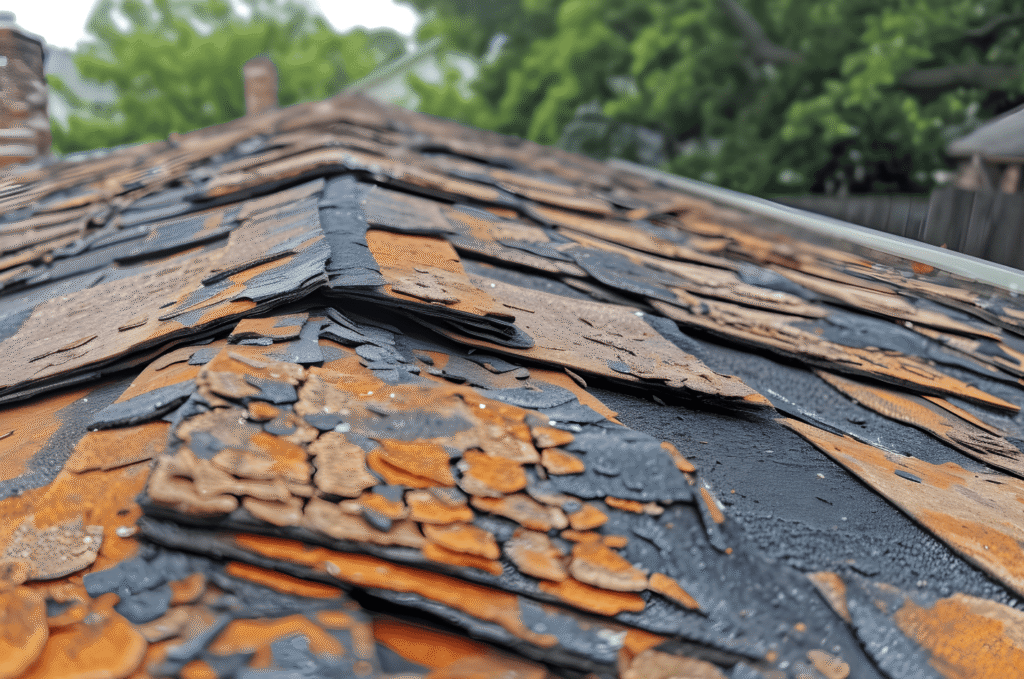
When hot air gets trapped in the attic, it radiates into the underside of the shingles, drying out the protective oils and making them brittle. You may start to notice shingle curling damage on sun-exposed areas of your roof. A shingle that should last 25 years might fail in 12 to 15 because of repeated thermal stress.
The Role of Boston’s Humidity
When warm, moist air gets trapped in a poorly ventilated attic, it condenses against cooler surfaces like roof sheathing and rafters, promoting mold growth, wood rot, and structural weakening. Homeowners in Cambridge neighborhoods with older housing stock are especially vulnerable due to the age of their existing vent systems.
Signs of Poor Attic Ventilation Every Boston Homeowner Should Know
Catching attic ventilation damage early can save you thousands of dollars. The signs of poor attic ventilation aren’t always obvious from the street, but a few key indicators will tell you something is wrong before the damage becomes severe. When you know what to look for, you can schedule an inspection before a full roof failure occurs.
Your Energy Bills Are Climbing
One of the earliest signs of poor attic ventilation is a sudden rise in cooling costs during summer. When your attic holds heat, it transfers into your living space and your air conditioner works harder to compensate. Homeowners in Somerville and nearby densely built neighborhoods often see this compounded by close-set homes that reduce wind circulation across the roof.
Shingles Are Curling or Blistering
Curling shingles are a direct sign of attic heat damage. When shingles cup at the edges or buckle in the middle, materials beneath are expanding and contracting abnormally from excess heat. Blistering points to trapped moisture or gases, another key sign of poor attic ventilation. A professional roof inspection is the most reliable way to assess your roof’s condition.
Your Attic Feels Like an Oven
Go up to your attic on a warm afternoon and feel the air. A well-ventilated attic should feel warm but breathable. If it feels stifling even in the early evening hours, you have a ventilation problem worth addressing. A persistent musty smell is another indicator, pointing to moisture buildup caused by inadequate airflow and poor attic ventilation.
How Attic Ventilation Damage Progresses Through Summer
Poor attic ventilation doesn’t cause a single dramatic failure. It works on a cycle, and summer is when that cycle moves fastest. Each stage builds on the last, from shingle degradation to deck damage to interior water intrusion.
Stage One: Shingle and Surface Degradation
Granules begin shedding from asphalt shingles as the protective oils dry out. This gritty runoff collects in gutters and is one of the most reliable early indicators of attic heat damage. Learn more in our guide on how to tell if your roof vents are working properly. Once granule loss begins, shingles lose UV protection and the damage accelerates quickly.
Stage Two: Roof Deck Warping
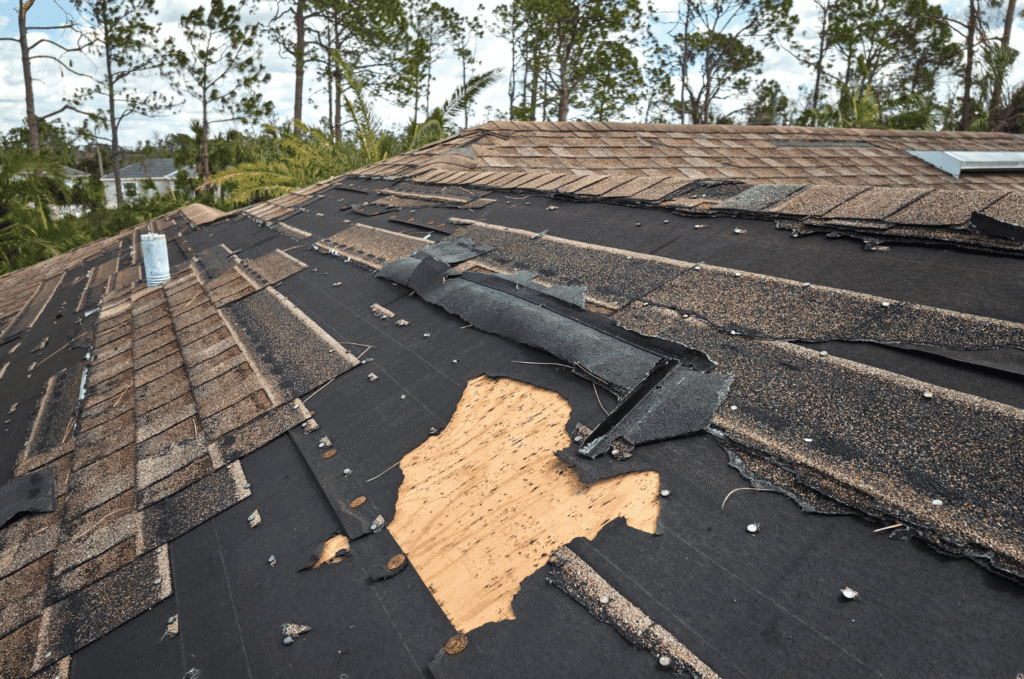
If surface damage goes unaddressed, heat reaches the roof deck itself. Plywood sheathing exposed to repeated heat and moisture cycles begins to warp and delaminate. You may notice slight dips or waves along the roofline from the ground. Homeowners in Newton and nearby older communities often deal with this where the original roof deck hasn’t been replaced in decades.
Stage Three: Interior Water Damage
Once the deck is warped and shingles are failing, even minor rain events push water into the attic. Water stains on insulation, dark spots on rafters, and ceiling damage in living spaces below all follow. By this point, repair costs are far higher than they would have been with early action against poor attic ventilation.
The Most Common Roof Ventilation Problems Causing Summer Damage
Most cases of poor attic ventilation in Boston come down to a handful of fixable roof ventilation problems. Our guide on roof ventilation problems in Boston covers the full range of causes, but the summer-specific ones deserve a closer look.
Blocked or Insufficient Soffit Vents
Soffit vents draw cool air into the attic from the eaves. When blocked by insulation, debris, or old paint, the entire ventilation system stalls. This is one of the most common causes of poor attic ventilation in Boston triple-deckers and cape-style homes. Our upcoming article on ridge vent vs soffit vent breaks down how each type contributes to balanced airflow.
Inadequate Exhaust Venting at the Ridge
Without enough exhaust capacity at the peak of the roof, hot air stacks up and radiates back into the sheathing. This is especially common in older Boston homes ventilated under outdated building codes. Homeowners in Brookline and beyond with steep Colonial or Victorian rooflines often struggle with this issue.
Mismatched Intake and Exhaust Ratios
When exhaust capacity exceeds intake, the attic pulls conditioned air from the living space instead of outside air. This drives up energy costs and defeats the entire purpose of ventilation. It’s one of the less obvious causes of poor attic ventilation and often goes undetected for years. A qualified roofer can calculate the correct ratio for your attic size and roof geometry.
How to Protect Your Boston Roof Before Summer Peaks
Taking action before the hottest weeks arrive is always less expensive than reacting after damage sets in.
Schedule a Ventilation Inspection This Month
A professional inspection will assess your vent capacity, identify blockages, and flag early shingle or deck damage. At CAN Roof Construction, we work with Boston homeowners every summer to catch ventilation problems before they turn into full roof failures. Visit CAN Roof Construction to learn more about how we can help.
Clear Soffit Vents and Check Ridge Coverage
Look at your soffit vents from a ladder. Are they open and unobstructed? Is the ridge vent running continuously along the peak? Even partial blockages significantly reduce airflow efficiency and contribute to poor attic ventilation over time.
Add Ventilation Capacity If Needed
Sometimes the existing vent configuration simply isn’t sufficient for the attic size. Adding ridge vents, power attic ventilators, or correcting the intake-to-exhaust balance can dramatically reduce attic temperatures and prevent the cycle of poor attic ventilation damage from continuing. This work is best handled by an experienced roofer familiar with Boston’s climate and housing stock.
Protect Your Roof Before Summer Damage Builds Up
Poor attic ventilation is one of the most preventable causes of roof damage in Boston, and summer is when it does the most harm. The signs are there if you know where to look: curling shingles, rising cooling costs, and an attic that never seems to cool down.
Book your free roof inspection today and make sure your attic is working for your roof, not against it.